
aid
US /ed/
UK /eɪd/
- Transitive Verb
- To help others and provide things
- Noun (Countable/Uncountable)
- Action of giving help to others
- Money or help given to those who need it
A2TOEICMoreanchor
US /ˈæŋkɚ/
UK /'æŋkə(r)/
- Noun (Countable/Uncountable)
- Metal hook on a rope used to stop boats moving
- Person who presents a news program on TV
- Verb (Transitive/Intransitive)
- To lower an anchor to hold a boat or ship in place
- To secure firmly or fixedly; to moor.
B2TOEICMorearound the world
US /əˈraʊnd ði wɜrld/
UK /əˈraund ðə wɜː(r)ld/
- Phrase
- In or to many countries.
- In various places throughout the world.
A2Moreat night
US /æt naɪt/
UK /æt nait/
- Phrase
- During the night; in the nighttime.
A1Morebc
US
UK
- Abbreviation
- Before Christ; used after dates/years
C1Morebehind the scenes
US
UK
- Phrase
- Secretly or without being known to the public.
- In a position to influence events without any public knowledge.
A1Morechief
US /tʃif/
UK /tʃi:f/
- Noun
- Leader of a race or group of people
- The one highest in authority or importance
- Adjective
- The one highest in authority or importance
A2Morechildhood
US /ˈtʃaɪldˌhʊd/
UK /ˈtʃaɪldhʊd/
- Uncountable Noun
- The time when you are a child
B1Morecollection
US /kəˈlɛkʃən/
UK /kəˈlekʃn/
- Noun (Countable/Uncountable)
- Act of asking for money for a debt or a charity
- Group of similar things gathered as a hobby
A2Morecome from
US /kʌm frʌm/
UK /kʌm frɔm/
- Phrasal Verb
- To have as your native country or city
A1Morecommunist
US /ˈkɑmjənɪst/
UK /ˈkɒmjənɪst/
- Adjective
- Believer in communism
- Noun
- A person who supports or believes in communism.
B1Morecon
US /kɑ:n/
UK /kɒn/
- Transitive Verb
- To trick or deceive someone
- Noun
- Argument pointing out the negatives of a position
B2Morecontent
US /ˈkɑnˌtɛnt/
UK /'kɒntent/
- Adjective
- Being happy or satisfied
- In a state of peaceful happiness.
- Noun (Countable/Uncountable)
- Information in something, e.g. book or computer
- The subject matter of a book, speech, etc.
A2Moreconvention
US /kənˈvɛnʃən/
UK /kənˈvenʃn/
- Noun (Countable/Uncountable)
- Official agreement between two or more countries
- Large formal assembly, e.g. to make laws
- Adjective
- Concerning a large formal assembly or meeting
A2TOEICMorecorrect
US /kəˈrɛkt/
UK /kə'rekt/
- Adjective
- Being suitable and appropriate for an occasion
- True or accurate
- Transitive Verb
- To fix a problem
- To write marks on a piece of work to show mistakes
A2Morecoy
US /kɔɪ/
UK /kɔɪ/
- Adjective
- Withholding information that could be revealed
C1TOEICMorecrippling
US /ˈkrɪplɪŋ/
UK /'krɪplɪŋ/
- Transitive Verb
- To hurt and make useless
B2Moredangerously
US /ˈdendʒərəslɪ/
UK /'deɪndʒərəslɪ/
- Adverb
- In a dangerous way; so that someone could be hurt
B1Moredistress
US /dɪˈstrɛs/
UK /dɪ'stres/
- Uncountable Noun
- State of great sadness, anxiety or pain
- Condition of danger or emergency
- Transitive Verb
- To cause someone anxiety or sadness
- To be in financial trouble
B1Moredraw on
US /drɔ ɑn/
UK /drɔ: ɔn/
- Phrasal Verb
- To come to its end
- To make use of (someone's help, your savings, etc.)
A1Moredue to
US /du tu/
UK /dju: tu:/
- Preposition
- Because of; owing to
- Adjective
- Attributable to; caused by.
A1Moreever since
US /ˈɛvɚ sɪns/
UK /ˈevə sins/
- Adverb
- Continuously from a past time until now.
- Conjunction
- From the time that; because.
B2Moreextensive
US /ɪkˈstɛnsɪv/
UK /ɪkˈstensɪv/
- Adjective
- Large; full or complete
B1TOEICMoregame on
US /ɡem ɑn/
UK /ɡeim ɔn/
- Interjection
- An exclamation indicating the start of a game or activity.
- An exclamation indicating acceptance of a challenge.
A1Moregenerate
US /ˈdʒɛnəˌret/
UK /ˈdʒenəreɪt/
- Transitive Verb
- To create or be produced or bring into existence
- To create electricity, heat, energy and power
A2TOEICMorego on
US /ɡo ɑn/
UK /ɡəu ɔn/
- Phrasal Verb
- To continue doing something
- To happen (usually negative)
- Interjection
- Used to encourage someone
A1Morehawk
US /hɔk/
UK /hɔ:k/
- Noun (Countable/Uncountable)
- Large bird kills smaller birds and animals
- Someone wanting to go to war using the military
- Intransitive Verb
- To remove something from the throat by coughing
B2Morehistory
US /ˈhɪstəri/
UK /'hɪstrɪ/
- Noun (Countable/Uncountable)
- Established pattern or record
- Study of past events as an academic subject
A2Morein fact
US /ɪn fækt/
UK /in fækt/
- Adverb
- Used to emphasize the truth of a statement, especially one that contrasts with or contradicts something else.
- Used to introduce a more detailed or surprising piece of information.
- Phrase
- Used to emphasize the truth of a statement, especially one that is surprising or contrary to what might be expected.
C1Morein solidarity
US
UK
- Phrase
- With unity or agreement of feeling or action, especially among individuals with a common interest; showing support or sympathy.
C1Morein the middle of
US
UK
- Phrase
- In the central part or point of something.
- Engaged or occupied with something.
A2Moreintermediary
US /ˌɪntərˈmi:dieri/
UK /ˌɪntəˈmi:diəri/
- Noun
- Person who acts in behalf of, instead of others
B1Morelane
US /len/
UK /leɪn/
- Noun
- Marked strip of the road or swimming pool
- Narrow way or road, often with steep sides
A2Morelook at
US /lʊk æt/
UK /luk æt/
- Phrasal Verb
- To use your eyes to focus on something
- To focus your eyes on something carefully
A1Moremonopoly
US /məˈnɑpəli/
UK /mə'nɒpəlɪ/
- Noun (Countable/Uncountable)
- Complete market control for a service or product
- A board game in which players try to gain monopolies on properties as their opponents are forced to pay them rent.
C2Moreof age
US /əv eɪdʒ/
UK /əv eɪdʒ/
- other
- Having reached the legal age of adulthood.
A2Moreon the part of
US
UK
- Phrase
- By or done by (someone); concerning someone.
- As far as (someone or something) is concerned; by (someone or something).
A1Moreon the streets
US /ɑn ðə strits/
UK /ɒn ðə stri:ts/
- other
- Without a home; homeless or exposed outdoors.
B2Moreout there
US /aʊt ðɛr/
UK /aut ðɛə/
- Adverb
- In or to a place that is far away
- Existing in the universe
- Adjective
- Unconventional; strange; avant-garde
- Existing or available.
A1Morepivotal
US /ˈpɪvətl/
UK /ˈpɪvətl/
- Adjective
- Having a lot of importance
B2TOEICMorereact
US /riˈækt/
UK /rɪ'ækt/
- Intransitive Verb
- To change when mixing with other chemicals
- To behave or make a change in a particular way
A2Morescrabble
US /ˈskræbəl/
UK /ˈskræbl/
- Intransitive Verb
- To search quickly through a pile of objects
C1Moreset up
US /sɛt ʌp/
UK /set ʌp/
- Phrasal Verb
- To make arrangements for something; establish
- Verb (Transitive/Intransitive)
- To arrange or prepare something for use.
- To start a business, organization, etc.
A1Moreshout
US /ʃaʊt/
UK /ʃaʊt/
- Verb (Transitive/Intransitive)
- To speak very loudly to get attention
- Noun
- Speaking loudly so you get attention
A2Moreshout out
US /ʃaʊt aʊt/
UK /ʃaut aut/
- Noun
- A public expression of greeting or praise.
- Verb (Transitive/Intransitive)
- To publicly mention or acknowledge someone or something.
- To publicly acknowledge or thank someone.
A2Morestern
US /stɜ:rn/
UK /stɜ:n/
- Adjective
- Being very severe, strict, or serious
- Not likely to change, weaken or give in
- Noun
- Back part of a ship or boat
B2Moresucceed
US /səkˈsid/
UK /sək'si:d/
- Verb (Transitive/Intransitive)
- To have achieved what you were trying to achieve
- To take over position of one who has died or left
A2TOEICMoresweep
US /swip/
UK /swi:p/
- Countable Noun
- Man who cleans chimneys
- Long, smooth movement made with your arm or a tool
- Transitive Verb
- To clean something from a surface with a brush
- To search a very wide area for something
A2Morethanks to
US /θæŋks tu/
UK /θæŋks tu:/
- Preposition
- Because of; as a result of.
A1Morethink about
US /θɪŋk əˈbaʊt/
UK /θiŋk əˈbaut/
- Phrasal Verb
- To consider something carefully.
- To remember or call to mind.
A1Moreunited
US /juˈnaɪtɪd/
UK /jʊ'naɪtɪd/
- Verb (Transitive/Intransitive)
- To join or come together for the same goal
- Adjective
- Joined or combined together
A2Moreused to
US /juzd tu/
UK /ˈju:st tə/
- Adjective
- Did regularly before, but don't do now
- Auxiliary Verb
- Have done before, but do not do now
A1Morewait for
US /wet fɔr/
UK /weit fɔ:/
- Phrasal Verb
- To wait until someone comes, or something happens
A1Morewire
US /waɪr/
UK /'waɪə(r)/
- Countable Noun
- Thin, flexible thread of metal
- Act of sending a message by telegraph
- Verb (Transitive/Intransitive)
- To connect two or more things together with cable
- To send money to someone electronically
A2TOEICMorewrite in
US
UK
- Phrasal Verb
- To add text to a document or form.
- To vote for a candidate whose name is not printed on the ballot by writing it in.
A1More
Vocabulary
- shout out: A public expression of greeting or praise.
- in solidarity: With unity or agreement of feeling or action, especially among individuals with a common interest; showing support or sympathy.
- around the world: In or to many countries.
- look at: To use your eyes to focus on something
- behind the scenes: Secretly or without being known to the public.
- wait for: To wait until someone comes, or something happens
- in fact: Used to emphasize the truth of a statement, especially one that contrasts with or contradicts something else.
- come from: To have as your native country or city
- go on: To continue doing something
- in the middle of: In the central part or point of something.
- at night: During the night; in the nighttime.
- used to: Did regularly before, but don't do now
- set up
- of age: Having reached the legal age of adulthood.
- ever since: Continuously from a past time until now.
- on the streets: Without a home; homeless or exposed outdoors.
- game on: An exclamation indicating the start of a game or activity.
- thanks to: Because of; as a result of.
- draw on: To come to its end
- on the part of: By or done by (someone); concerning someone.
- think about: To consider something carefully.
- due to: Because of; owing to
- write in: To add text to a document or form.
- out there: In or to a place that is far away
- content: Being happy or satisfied
- distress: State of great sadness, anxiety or pain
- explain: To make clear or easy to understand by describing
- generate: To create or be produced or bring into existence
- aid: To help others and provide things
- create: To make, cause, or bring into existence
- guess: To give an answer without knowing if it is correct
- convention: Official agreement between two or more countries
- communist: Believer in communism
- extensive: Large; full or complete
- anchor: Metal hook on a rope used to stop boats moving
- monopoly: Complete market control for a service or product
- correct: Being suitable and appropriate for an occasion
- social: Involving activity with people, e.g. in free time
- react: To change when mixing with other chemicals
- pivotal: Having a lot of importance
- moment: Very short or brief period of time
- lot: What happens to a person in life from chance; fate
- learn: To get knowledge or skills by study or experience
- chief: Leader of a race or group of people
- paycheck: Check issued in payment of wages or salary
- succeed: To have achieved what you were trying to achieve
- stern: Being very severe, strict, or serious
- sweep: Man who cleans chimneys
- change: To exchange one set of clothes for another
- remember: To give someone a gift, e.g. birthday, wedding
- person: Man, woman or child
- business: A company formed for making profit
- include: To make someone, something part of a group
- wire: Thin, flexible thread of metal
- lane: Marked strip of the road or swimming pool
- part: Division of a book
- collection: Act of asking for money for a debt or a charity
- train: Line of people, animals moving the same direction
- childhood: The time when you are a child
- con: To trick or deceive someone
- united: To join or come together for the same goal
- shout: To speak very loudly to get attention
- crippling: To hurt and make useless
- history: Established pattern or record
- hawk: Large bird kills smaller birds and animals
- coy: Withholding information that could be revealed
- scrabble: To search quickly through a pile of objects
- intermediary: Person who acts in behalf of, instead of others
- dangerously: In a dangerous way; so that someone could be hurt
- bc: Before Christ; used after dates/years
Get the full experience in the app
Learn anywhere with detailed sentence and usage analysis
01:03
She took a brave step forward, leaving behind her comfort zone to chase her dreams.
Vocabulary
- brave
adj. Having courage
- comfort zone
phr. A familiar situation where one feels safe
Explanation
a brave step is a noun phrase, where brave is an adjective modifying the noun step, meaning "a courageous step".
forward is an adverb modifying step, meaning "ahead".
The whole phrase serves as the object, answering the "what" of took (verb) — she took a brave step forward.
Get the full experience in the app
Look up words anytime with pronunciation, part of speech, and usage
brave
US/brev/
UK/breɪv/
adj.Brave
v.t.To bravely face
A2 Elementary
Get the full experience in the app
Practice speaking anytime and get instant pronunciation feedback
Try this speaking exercise.
Try practicing with this sentence.
80
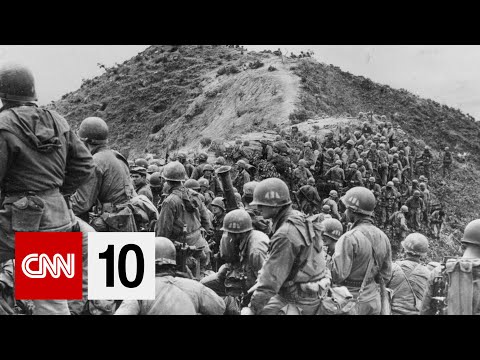
A simple question leads to a Korean history lesson | October 17, 2023
0
林宜悉 posted on 2023/10/24Ever wondered how a simple question can spark a deep dive into history? This video connects the dots from current events like the Israel-Gaza conflict and humanitarian crises to fascinating insights about the Korean War. You'll pick up advanced vocabulary and gain cultural depth while staying informed!
Learn this video on the APP!
The VoiceTube App has more in-depth practice for videos!