
acute
US /əˈkjut/
UK /əˈkju:t/
- Adjective
- (Of an angle in math) of less than 90 degrees
- Strong; very serious or severe
B1Moreat least
US /æt list/
UK /æt li:st/
- Adverb
- As a minimum
- Not less than
- Phrase
- No less than; at the minimum
- Used to indicate that something is positive in a bad situation.
C2Moreat work
US /æt wɚk/
UK /æt wə:k/
- Phrase
- Located at one's place of employment
A1Morebasically
US /ˈbesɪkəli,-kli/
UK /ˈbeɪsɪkli/
- Adverb
- Used before you explain something simply, clearly
- In essence; when you consider the most important aspects of something.
A2Morebenefit
US /ˈbɛnəfɪt/
UK /'benɪfɪt/
- Noun (Countable/Uncountable)
- Good result or effect, something advantageous
- A payment made by the state or an insurance policy to someone
- Verb (Transitive/Intransitive)
- To have a good effect or be helpful
- To receive an advantage; to be helped
A2TOEICMorechronic
US /ˈkrɑnɪk/
UK /'krɒnɪk/
- Adjective
- Always or often doing something, e.g. lying
- (Of disease) over a long time; serious
B1Morecome back
US /kʌm bæk/
UK /kʌm bæk/
- Phrasal Verb
- To reply to someone, often forcefully
- To be remembered
A1Morecommunity
US /kəˈmjunɪti/
UK /kə'mju:nətɪ/
- Noun (Countable/Uncountable)
- Group of people who share a common idea or area
- A feeling of fellowship with others, as a result of sharing common attitudes, interests, and goals.
- Adjective
- Relating to or shared by the people in a particular area.
- Shared or participated in by all members of a group
A2Morecondition
US /kənˈdɪʃən/
UK /kənˈdɪʃn/
- Transitive Verb
- To improve something to make it better
- To cause to behave automatically in a certain way
- Noun (Countable/Uncountable)
- Disease or other medical problem
- The state of living you are in, e.g. good health
A2Moredepending on
US
UK
- Phrasal Verb
- To rely on for support (financial or emotional)
- Influenced or determined by.
- Preposition
- Subject to; contingent on
- Relying on someone or something for support or assistance.
A2Morediagnose
US /ˌdaɪəgˈnoʊs/
UK /ˈdaɪəgnəʊz/
- Transitive Verb
- To determine the cause of an illness or problem
B1Moredna
US
UK
- Noun (Countable/Uncountable)
- Chemical in living cells with genetic information
B2Moredramatic
US /drəˈmætɪk/
UK /drəˈmætɪk/
- Adjective
- Gripping the attention; causing an effect
- (Of an event) sudden and extreme
B1Moredramatically
US /drəˈmætɪkl:ɪ/
UK /drə'mætɪklɪ/
- Adverb
- In a sudden or extreme manner
- In a theatrical or exaggerated manner.
B1Morefatigue
US /fəˈtiɡ/
UK /fəˈti:g/
- Uncountable Noun
- Breaking due to being moved or bent many times
- Being very tired
- Transitive Verb
- To cause someone or something to become very tired
B2Morefollowed up
US
UK
- Phrasal Verb
- To check information or facts later
- Verb (Transitive/Intransitive)
- To contact someone again after an initial meeting or communication.
- To take further action; to pursue something further.
A1Morefor example
US
UK
- Phrase
- As an illustration or instance.
from the heart
US /frəm ðə hɑrt/
UK /frəm ðə hɑ:t/
- other
- In a very sincere and genuine way.
B1Moregene
US /dʒin/
UK /dʒi:n/
- Noun
- Part of cell controlling development of a thing
B1Moregenetic
US /dʒəˈnɛtɪk/
UK /dʒəˈnetɪk/
- Adjective
- Of, relating to, or controlled by genes
- Relating to genes or heredity.
B1Moregenetic information
US /dʒəˈnɛtɪk ˌɪnfɚˈmeʃən/
UK /dʒiˈnetik ˌɪnfəˈmeiʃən/
- Uncountable Noun
- Hereditary information encoded in the genetic material (DNA or RNA) of an organism.
going on
US /ˈɡoɪŋ ɑn/
UK /ˈgəʊɪŋ ɔn/
- Phrasal Verb
- To continue doing something
- To happen (usually negative)
A1Morehistamine
US /ˈhɪstəˌmin, -mɪn/
UK /ˈhɪstəmi:n/
- Uncountable Noun
- Natural chemical released during allergic reaction
C1Moreidentify
US /aɪˈdɛntəˌfaɪ/
UK /aɪ'dentɪfaɪ/
- Transitive Verb
- To indicate who or what someone or something is
- To say exactly what something is
B1TOEICMoreignore
US /ɪɡˈnɔr, -ˈnor/
UK /ɪɡ'nɔ:(r)/
- Transitive Verb
- To not listen to, look at, or pay attention to
A2TOEICMorein general
US /ɪn ˈdʒɛnərəl/
UK /in ˈdʒenərəl/
- Phrase
- Typically; usually; on the whole.
- Not specific or detailed; broadly.
- Adjective
- Not detailed or specific; overall.
C2Morein the world
US /ɪn ði wɜrld/
UK /in ðə wɜː(r)ld/
- Phrase
- Used to emphasize a question expressing surprise, confusion, disbelief
- Used to indicate the extent or degree of something, often in a superlative sense
A1Moreinflammation
US /ˌɪnfləˈmeʃən/
UK /ˌɪnfləˈmeɪʃn/
- Noun (Countable/Uncountable)
- Painful swelling in the body due to illness
- A condition in which a part of the body becomes reddened, swollen, hot, and often painful, especially as a reaction to injury or infection.
B2Moreinvade
US /ɪnˈved/
UK /ɪnˈveɪd/
- Transitive Verb
- To enter something causing a harmful result
- To enter (a country or region) so as to subjugate or occupy it.
B1Moreinvolvement
US /ɪnˈvɑːlvmənt/
UK /ɪnˈvɒlvmənt/
- Uncountable Noun
- Act or process of joining in a particular activity
B1TOEICMoremethylation
US
UK
- Noun
- Alkylation process of substitution by methyl group
C2Moreof interest
US /əv ˈɪntrɪst/
UK /əv ˈɪntrəst/
- other
- Relevant or important to someone or something.
B2Moreout there
US /aʊt ðɛr/
UK /aut ðɛə/
- Adverb
- In or to a place that is far away
- Existing in the universe
- Adjective
- Unconventional; strange; avant-garde
- Existing or available.
A1Moreover to
US
UK
- Preposition
- Used to hand over to someone else to speak
- The responsibility is now yours
persist
US /pɚˈsɪst, -ˈzɪst/
UK /pə'sɪst/
- Intransitive Verb
- To continue a course of action despite opposition
- To continue to exist or occur beyond the usual, expected, or desired time.
B1TOEICMoreprevious
US /ˈpriviəs/
UK /ˈpri:viəs/
- Adjective
- Existing or happening before the present time
- Existing or occurring immediately before in time or order.
- Noun
- A button or link that allows navigation to a preceding item or page.
A2TOEICMoreprotein
US /ˈprəʊˌtiːn/
UK /ˈprəʊti:n/
- Noun (Countable/Uncountable)
- Group of molecules made from amino acids
B1Morequality
US /ˈkwɑlɪti/
UK /'kwɒlətɪ/
- Noun (Countable/Uncountable)
- Feature associated with someone or something
- High level of worth or excellence
- Adjective
- Of a high standard
A2TOEICMoreread out
US /rid aʊt/
UK /ri:d aut/
- Phrasal Verb
- To read something aloud so that other people can hear it.
- Verb (Transitive/Intransitive)
- To display a particular value or measurement.
- To retrieve and display data from a storage device.
A1Moreregular
US /ˈrɛɡjəlɚ/
UK /ˈregjələ(r)/
- Adjective
- Having an equal amount of space or time in between
- Occurring or being done frequently
- Noun (Countable/Uncountable)
- Customers who frequently visit a place
- Soldier who has a permanent job in the army
A2TOEICMorerelevant
US /ˈrɛləvənt/
UK /ˈreləvənt/
- Adjective
- Having an effect on an issue; related or current
A2TOEICMoreresearch
US /rɪˈsɚtʃ, ˈriˌsɚtʃ/
UK /rɪ'sɜ:tʃ/
- Verb (Transitive/Intransitive)
- To study in order to discover new ideas and facts
- To study the market relating to marketing products and services.
- Noun (Countable/Uncountable)
- Study done to discover new ideas and facts
- A particular area or topic of study.
A2TOEICMoreresponse
US /rɪˈspɑns/
UK /riˈspɔns/
- Noun
- Something said/written as an answer to something
- Reaction to something that has occurred
A2TOEICMorescale
US /skel/
UK /skeɪl/
- Noun (Countable/Uncountable)
- Size, level, or amount when compared
- Small hard plates that cover the body of fish
- Verb (Transitive/Intransitive)
- To change the size of but keep the proportions
- To climb something large (e.g. a mountain)
A2TOEICMoresequence
US /ˈsikwəns, -ˌkwɛns/
UK /'si:kwəns/
- Noun
- Part of a movie showing one part of the story
- A particular order in which related events, movements, or things follow each other.
- Transitive Verb
- To arrange things in an order they should happen
A2TOEICMoresevere
US /səˈvɪr/
UK /sɪ'vɪə(r)/
- Adjective
- Very bad; harsh
- (Of clothes, etc.) plain; simple; not decorated
A2TOEICMoreskip
US /skɪp/
UK /skɪp/
- Countable Noun
- Very large waste disposal bin
- Intransitive Verb
- To move forward by taking fast steps and jumps
- To move rapidly, from one topic to another
B2Morespiky
US /ˈspaɪki/
UK /ˈspaɪki/
- Adjective
- Having a long sharp point
B2Moresticky
US /ˈstɪki/
UK /ˈstɪki/
- Adjective
- Easy to adhere or stick to other things
- (Of weather/a day) uncomfortably hot and humid
B1Moresyndrome
US /ˈsɪnˌdrom/
UK /'sɪndrəʊm/
- Noun
- A group of signs and symptoms of a disease
B1Moretalking about
US
UK
- Phrasal Verb
- To discuss a particular topic.
- To be constantly mentioning or bringing up a subject.
A1Morethanks to
US /θæŋks tu/
UK /θæŋks tu:/
- Preposition
- Because of; as a result of.
A1Morethink of
US /θɪŋk ʌv/
UK /θiŋk ɔv/
- Phrasal Verb
- To look on as (being something specific); consider
- To consider or remember something.
- Verb (Transitive/Intransitive)
- To imagine or call something to mind
A1Moreto do with
US
UK
- Phrasal Verb
- To be about something; concern
A1Moreto taste
US /tu teɪst/
UK /tu teɪst/
- other
- Add an ingredient according to your preference.
A2Morevalidate
US /ˈvælɪˌdet/
UK /'vælɪdeɪt/
- Transitive Verb
- To show to be officially correct or allowable
B2TOEICMoreversion
US /ˈvɚʒən, -ʃən/
UK /ˈvə:ʃən/
- Noun
- Different way that someone interprets something
- New or different form of something
A2TOEICMorevirus
US /ˈvaɪrəs/
UK /'vaɪrəs/
- Noun
- File secretly put on computers to cause harm
- Living organism that causes disease or sickness
B1Morework on
US /wɚk ɑn/
UK /wə:k ɔn/
- Phrasal Verb
- To devote effort to improve or develop something
- To try to persuade or influence someone.
A1More
Vocabulary
- out there: In or to a place that is far away
- work on: To devote effort to improve or develop something
- at work: Located at one's place of employment
- to do with: To be about something; concern
- depending on: To rely on for support (financial or emotional)
- of interest: Relevant or important to someone or something.
- from the heart: In a very sincere and genuine way.
- think of: To look on as (being something specific); consider
- come back: To reply to someone, often forcefully
- genetic information: Hereditary information encoded in the genetic material (DNA or RNA) of an organism.
- talking about: To discuss a particular topic.
- read out: To read something aloud so that other people can hear it.
- to taste: Add an ingredient according to your preference.
- followed up: To check information or facts later
- at least: As a minimum
- for example: As an illustration or instance.
- going on: To continue doing something
- in the world: Used to emphasize a question expressing surprise, confusion, disbelief
- in general: Typically; usually; on the whole.
- thanks to: Because of; as a result of.
- over to: Used to hand over to someone else to speak
- chronic: Always or often doing something, e.g. lying
- relevant: Having an effect on an issue; related or current
- fatigue: Breaking due to being moved or bent many times
- evidence: Factual proof that helps to establish the truth
- basically: Used before you explain something simply, clearly
- scale: Size, level, or amount when compared
- severe: Very bad; harsh
- treat: To pay for the food or enjoyment of someone else
- develop: To explain something in steps and in detail
- community: Group of people who share a common idea or area
- identify: To indicate who or what someone or something is
- previous: Existing or happening before the present time
- version: Different way that someone interprets something
- inflammation: Painful swelling in the body due to illness
- research: To study in order to discover new ideas and facts
- protein: Group of molecules made from amino acids
- quality: Feature associated with someone or something
- condition: To improve something to make it better
- regular: Having an equal amount of space or time in between
- ignore: To not listen to, look at, or pay attention to
- dramatic: Gripping the attention; causing an effect
- similar: Nearly the same; alike
- dramatically: In a sudden or extreme manner
- syndrome: A group of signs and symptoms of a disease
- genetic: Of, relating to, or controlled by genes
- response: Something said/written as an answer to something
- explain: To make clear or easy to understand by describing
- private: Being away from others and quiet
- sequence: Part of a movie showing one part of the story
- benefit: Good result or effect, something advantageous
- validate: To show to be officially correct or allowable
- persist: To continue a course of action despite opposition
- acute: (Of an angle in math) of less than 90 degrees
- totally: In a complete way; completely; absolutely
- notice: To become aware by sight, touch, or hearing
- lot: What happens to a person in life from chance; fate
- diagnose: To determine the cause of an illness or problem
- important: Having power or authority
- order: Religious or social group, as of nuns
- invade: To enter something causing a harmful result
- information: Collection of facts and details about something
- sticky: Easy to adhere or stick to other things
- virus: File secretly put on computers to cause harm
- change: To exchange one set of clothes for another
- find: To become aware of something that is happening
- include: To make someone, something part of a group
- spiky: Having a long sharp point
- gene: Part of cell controlling development of a thing
- skip: Very large waste disposal bin
- involvement: Act or process of joining in a particular activity
- histamine: Natural chemical released during allergic reaction
- dna: Chemical in living cells with genetic information
- methylation: Alkylation process of substitution by methyl group
Get the full experience in the app
Learn anywhere with detailed sentence and usage analysis
01:03
She took a brave step forward, leaving behind her comfort zone to chase her dreams.
Vocabulary
- brave
adj. Having courage
- comfort zone
phr. A familiar situation where one feels safe
Explanation
a brave step is a noun phrase, where brave is an adjective modifying the noun step, meaning "a courageous step".
forward is an adverb modifying step, meaning "ahead".
The whole phrase serves as the object, answering the "what" of took (verb) — she took a brave step forward.
Get the full experience in the app
Look up words anytime with pronunciation, part of speech, and usage
brave
US/brev/
UK/breɪv/
adj.Brave
v.t.To bravely face
A2 Elementary
Get the full experience in the app
Practice speaking anytime and get instant pronunciation feedback
Try this speaking exercise.
Try practicing with this sentence.
80
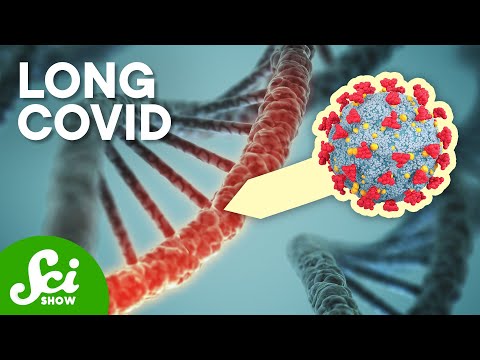
Does COVID Mess With Your DNA?
0
林宜悉 posted on 2023/04/17Ever wondered if COVID-19 can actually change your DNA? This fascinating SciShow explainer dives deep into the science behind Long COVID, exploring topics like DNA methylation and the ACE2 receptor. You'll pick up some awesome advanced vocabulary while learning about the latest research updates!
Learn this video on the APP!
The VoiceTube App has more in-depth practice for videos!