
accumulate
US /əˈkjumjəˌlet/
UK /əˈkju:mjəleɪt/
- Verb (Transitive/Intransitive)
- To gather or acquire so that you have more of it
C2Moreaccumulation
US /əˌkjumjəˈleʃən/
UK /əˌkju:mjə'leɪʃn/
- Uncountable Noun
- Act of becoming bigger or more over time
- A collection of things that have been gathered over time.
B1Morealong about
US /əˈlɑŋ əˈbaʊt/
UK /əˈlɒŋ əˈbaʊt/
- other
- At or near a particular time or place.
B2Moreas a result of
US
UK
- Phrase
- Because of something; owing to.
A1Moreborder on
US
UK
- Phrasal Verb
- To be very similar to; come very close to
A2Morebuild up
US /bɪld ʌp/
UK /bild ʌp/
- Phrasal Verb
- To increase the amount; collect something
- To develop or increase something in stages
- Verb (Transitive/Intransitive)
- To increase or develop something gradually.
- To praise or encourage someone.
A1Morecollapse
US /kəˈlæps/
UK /kə'læps/
- Verb (Transitive/Intransitive)
- To fold (e.g. a stroller) down to make it smaller
- To suddenly fall down or break apart into pieces
- Noun
- The sudden failure of a structure or system.
- The sudden failure of a bodily organ or function.
B1Morecomplex
US /kəmˈplɛks, ˈkɑmˌplɛks/
UK /'kɒmpleks/
- Countable Noun
- Group of buildings all used for the same purpose
- Adjective
- Not being simple; having many parts or aspects
A2Morecomplicate
US /ˈkɑ:mplɪkeɪt/
UK /ˈkɒmplɪkeɪt/
- Transitive Verb
- To make more difficult to do, understand or use
B1Moreconstantly
US /ˈkɑnstəntlɪ/
UK /ˈkɒnstəntli/
- Adverb
- Frequently, or without pause
- In a way that is unchanging or faithful
B1Moreconverge
US /kənˈvɚdʒ/
UK /kən'vɜ:dʒ/
- Intransitive Verb
- (E.g. of two roads) to come together
- If ideas, opinions, etc. converge, they gradually become similar.
B2Moreconvergence
US /kənˈvɚdʒəns/
UK /kən'vɜ:dʒəns/
- Uncountable Noun
- When two or more things come together
- The fact that two or more things gradually become similar.
C1Morecrisis
US /ˈkraɪsɪs/
UK /'kraɪsɪs/
- Noun (Countable/Uncountable)
- Unstable situation of extreme danger or difficulty
- A turning point in a disease.
B1Morecrust
US /krʌst/
UK /krʌst/
- Noun
- Hard outer layer of something, e.g. the earth
B2Moredestruction
US /dɪˈstrʌkʃən/
UK /dɪ'strʌkʃn/
- Noun
- Act of destroying; damaging beyond repair
- The state of being destroyed or ruined.
B1TOEICMoredevastating
US
UK
- Transitive Verb
- To cause extensive destruction or ruin utterly
- Adjective
- Destroying everything; very shocking
- Causing great emotional pain or shock.
B1Moredisruption
US /dɪs'rʌpʃn/
UK /dɪs'rʌpʃn/
- Noun
- When a disturbance stops an activity in progress
B2Moredivide
US /dɪˈvaɪd/
UK /dɪ'vaɪd/
- Verb (Transitive/Intransitive)
- To split numbers by another number, e.g. 6 / 2 = 3
- To separate something into equal pieces
- Noun
- A separation or distinction.
A2TOEICMoredue to
US /du tu/
UK /dju: tu:/
- Preposition
- Because of; owing to
- Adjective
- Attributable to; caused by.
A1Moreeruption
US /ɪˈrʌpʃən/
UK /ɪ'rʌpʃn/
- Noun
- Act of happening suddenly or begin doing
- Process of a volcano shooting out hot rocks
B1Moreestimate
US /ˈɛstəˌmet/
UK /'estɪmət/
- Noun (Countable/Uncountable)
- Guess or calculation of cost, size or value
- A judgment or opinion.
- Transitive Verb
- To guess or calculate the cost, size or value of
- To form an approximate idea or judgment of.
A2TOEICMorefigure out
US /ˈfɪɡjɚ aʊt/
UK /ˈfiɡə aut/
- Phrasal Verb
- To understand the behavior of someone
- To think through logically to find a solution
- Verb (Transitive/Intransitive)
- To understand or find an answer to something.
- To find a solution to a problem or understand something.
A1Morefor now
US /fɔr naʊ/
UK /fɔ: nau/
- Phrase
- Temporarily; for the present time.
- In the short term; for the immediate future.
A1Morefriction
US /ˈfrɪkʃən/
UK /ˈfrɪkʃn/
- Uncountable Noun
- Disagreement between two or more people
- Force preventing motion between bodies in contact
B2Morehave to
US /hæv tu/
UK /ˈhæv tə/
- Auxiliary Verb
- Must do
A1Moreinteract
US /ˌɪntɚˈækt/
UK /ˌɪntər'ækt/
- Intransitive Verb
- To talk or do things with each other
A2Moremagnitude
US /ˈmæɡnɪˌtud, -ˌtjud/
UK /ˈmægnɪtju:d/
- Noun
- Number representing force of an earthquake
- Size or importance
B2Moremount
US /maʊnt/
UK /maʊnt/
- Transitive Verb
- To attach something to something else
- To set a picture, jewel etc. in
- Noun
- An attachment used to keep something in place
- Horse that someone is riding
B2Moremove to
US /muv tu/
UK /mu:v tu:/
- Phrasal Verb
- To change the place where you live or work.
- Verb (Transitive/Intransitive)
- To proceed to the next stage or action.
A2Morenarrator
US /ner.eɪ.tɚ/
UK /nəˈreɪtə(r)/
- Noun
- Person or character who tells a story
- A person who provides commentary or narration, especially for a broadcast or performance.
B1Moreoccur
US /əˈkɚ/
UK /əˈkɜ:(r)/
- Intransitive Verb
- To come to pass or to happen
- To be found to exist; to be present.
A2TOEICMoreoverdue
US /ˌoʊvərˈdu:/
UK /ˌəʊvəˈdju:/
- Adjective
- Past the date you should do something
B2Morepensive
US /ˈpɛnsɪv/
UK /ˈpensɪv/
- Adjective
- Dreamily thoughtful
C1Morepressure
US /ˈprɛʃɚ/
UK /'preʃə(r)/
- Noun (Countable/Uncountable)
- Anxiety caused by difficult problems
- Force, weight when pressing against a thing
- Transitive Verb
- To apply force to something
- To persuade or force someone to do something
A2TOEICMorequake
US /kwek/
UK /kweɪk/
- Noun
- Short for earthquake
- Intransitive Verb
- To shake physically, due to fear or anxiety
- (Of buildings) to shake forcefully
B2Moreregion
US /ˈridʒən/
UK /'ri:dʒən/
- Noun (Countable/Uncountable)
- Part of a country, of the world, area, etc.
- A part of the body
A2TOEICMorerelease
US /rɪ'li:s/
UK /rɪ'li:s/
- Transitive Verb
- To free someone from a responsibility or burden
- To allow a film, music etc. to be sold/distributed
- Noun
- Act of freeing someone from a duty or burden
- Introduction of a new product, film, book, etc.
A2TOEICMorerelieve
US /rɪˈliv/
UK /rɪ'li:v/
- Transitive Verb
- To make less boring by making some change
- To replace workers with others
B1Moreresponsible
US / rɪˈspɑnsəbəl/
UK /rɪ'spɒnsəbl/
- Adjective
- Being the cause of something that has occurred
- Having the duty of dealing with something
A2TOEICMoreresult
US /rɪˈzʌlt/
UK /rɪ'zʌlt/
- Noun
- Something produced through tests or experiments
- Final score of a competition, election or game
- Intransitive Verb
- To be the outcome of other causes and effects
- To happen or exist as a consequence of something.
A2Morerupture
US /ˈrʌptʃɚ/
UK /'rʌptʃə(r)/
- Verb (Transitive/Intransitive)
- To (cause to) burst or break
- Medical to tear or break
- Noun
- A crack or break in something
- Medical tear or break in something, e.g. a muscle
B2Moreshallow
US /ˈʃælo/
UK /'ʃæləʊ/
- Adjective
- Not deep; short from top to bottom
- Lacking interest in serious things; superficial
B1TOEICMoreslip
US /slɪp/
UK /slɪp/
- Noun (Countable/Uncountable)
- Act of beginning to fall from losing balance
- A field position in cricket
- Verb (Transitive/Intransitive)
- To begin to fall as a result of losing balance
- To escape or become free from something
B1TOEICMorespark
US /spɑrk/
UK /spɑ:k/
- Countable Noun
- Small piece of burning material produced by fire
- Tiny, brief bit of light caused by electric energy
- Intransitive Verb
- To make tiny, brief bits of light
B1Moresqueeze
US /skwiz/
UK /skwi:z/
- Noun (Countable/Uncountable)
- Amount of liquid from firmly pressing e.g. orange
- Act of putting pressure on, as to get liquid out
- Transitive Verb
- To force or threaten someone to give you something
- To strongly compress something to get liquid out
C1Morestrain
US /stren/
UK /streɪn/
- Transitive Verb
- To remove the water from (food) using a colander
- To injure a muscle, leg etc. by using it too much
- Noun (Countable/Uncountable)
- Injury to a muscle, leg etc. through overuse
- Type or variation of a disease or bacillus
B2Morestrike
US /straɪk/
UK /straɪk/
- Transitive Verb
- To hit something
- To remove or erase.
- Noun (Countable/Uncountable)
- A punch or hit
- Fact of not hitting the ball when playing baseball
A2TOEICMoresuccessive
US /səkˈsɛsɪv/
UK /səkˈsesɪv/
- Adjective
- Happening one after another in a series
B2Moresuffer
US / ˈsʌfɚ/
UK /'sʌfə(r)/
- Verb (Transitive/Intransitive)
- To experience pain, illness, or injury
- To allow or permit something, especially something unpleasant.
A2Moresurface
US /ˈsɚfəs/
UK /'sɜ:fɪs/
- Transitive Verb
- To give (road) a top layer
- Intransitive Verb
- To appear after being hidden, unseen, or unknown
- To come to the top of something; emerge
A2TOEICMoretake some time
US
UK
- Verb (Transitive/Intransitive)
- To allocate or dedicate a period to a specific activity or purpose.
A1Morethick
US /θɪk/
UK /θɪk/
- Adjective
- Difficult to see through, as fog
- Full of (people, etc.)
- Adverb
- In close association or friendship.
A2Moretiny
US /ˈtaɪni/
UK /'taɪnɪ/
- Adjective
- Very, very small
A2Moreunder the surface
US /ˈʌndɚ ðə ˈsɜrfɪs/
UK /ˈʌndə ðə ˈsɜ:fis/
- other
- Not obvious or apparent; existing out of sight.
B2Morevolcanic
US /vɑ:lˈkænɪk/
UK /vɒlˈkænɪk/
- Adjective
- (E.g. of a temperament) easily angered; violent
- Of or relating to a volcano or volcanoes
B1Morevulnerable
US /ˈvʌlnərəbəl/
UK /ˈvʌlnərəbl/
- Adjective
- Being open to attack or damage
- Being easily harmed, hurt, or wounded
B1More
Vocabulary
- border on: To be very similar to; come very close to
- have to: Must do
- under the surface: Not obvious or apparent; existing out of sight.
- as a result of: Because of something; owing to.
- move to: To change the place where you live or work.
- build up: To increase the amount; collect something
- along about: At or near a particular time or place.
- for now: Temporarily; for the present time.
- figure out: To understand the behavior of someone
- take some time: To allocate or dedicate a period to a specific activity or purpose.
- due to: Because of; owing to
- vulnerable: Being open to attack or damage
- constantly: Frequently, or without pause
- figure: To appear in a game, play or event
- devastating: To cause extensive destruction or ruin utterly
- crisis: Unstable situation of extreme danger or difficulty
- strain: To remove the water from (food) using a colander
- squeeze: Amount of liquid from firmly pressing e.g. orange
- strike: To hit something
- interact: To talk or do things with each other
- complex: Group of buildings all used for the same purpose
- slip: Act of beginning to fall from losing balance
- pressure: Anxiety caused by difficult problems
- divide: To split numbers by another number, e.g. 6 / 2 = 3
- estimate: Guess or calculation of cost, size or value
- crust: Hard outer layer of something, e.g. the earth
- collapse: To fold (e.g. a stroller) down to make it smaller
- occur: To come to pass or to happen
- suffer: To experience pain, illness, or injury
- series: Set of stories or articles on a particular subject
- tiny: Very, very small
- accumulate: To gather or acquire so that you have more of it
- surface: To give (road) a top layer
- region: Part of a country, of the world, area, etc.
- release: To free someone from a responsibility or burden
- result: Something produced through tests or experiments
- responsible: Being the cause of something that has occurred
- shallow: Not deep; short from top to bottom
- spark: Small piece of burning material produced by fire
- thick: Difficult to see through, as fog
- due: When something is required or expected
- magnitude: Number representing force of an earthquake
- produce: Fresh foods such as fruits and vegetables
- disruption: When a disturbance stops an activity in progress
- complicate: To make more difficult to do, understand or use
- destruction: Act of destroying; damaging beyond repair
- friction: Disagreement between two or more people
- narrator: Person or character who tells a story
- relieve: To make less boring by making some change
- hit: To have a negative impact on a person/place/thing
- build: Your physical shape; physique
- active: Moving around a lot or doing many things
- question: To ask for or try to get information
- tectonic: Denoting or relating to construction or building
- finally: used especially at the beginning of a sentence to introduce the last point or idea
- rupture: To (cause to) burst or break
- understand: To know the meaning of language, what someone says
- mount: To attach something to something else
- accumulation: Act of becoming bigger or more over time
- type: Printed letters or blocks used for printing them
- overdue: Past the date you should do something
- time: Speed at which music is played; tempo
- volcanic: (E.g. of a temperament) easily angered; violent
- happen: To take place or occur
- eruption: Act of happening suddenly or begin doing
- earth: Wire connecting an electrical device to the ground
- converge: (E.g. of two roads) to come together
- successive: Happening one after another in a series
- convergence: When two or more things come together
- quake: Short for earthquake
- pensive: Dreamily thoughtful
Get the full experience in the app
Learn anywhere with detailed sentence and usage analysis
01:03
She took a brave step forward, leaving behind her comfort zone to chase her dreams.
Vocabulary
- brave
adj. Having courage
- comfort zone
phr. A familiar situation where one feels safe
Explanation
a brave step is a noun phrase, where brave is an adjective modifying the noun step, meaning "a courageous step".
forward is an adverb modifying step, meaning "ahead".
The whole phrase serves as the object, answering the "what" of took (verb) — she took a brave step forward.
Get the full experience in the app
Look up words anytime with pronunciation, part of speech, and usage
brave
US/brev/
UK/breɪv/
adj.Brave
v.t.To bravely face
A2 Elementary
Get the full experience in the app
Practice speaking anytime and get instant pronunciation feedback
Try this speaking exercise.
Try practicing with this sentence.
80
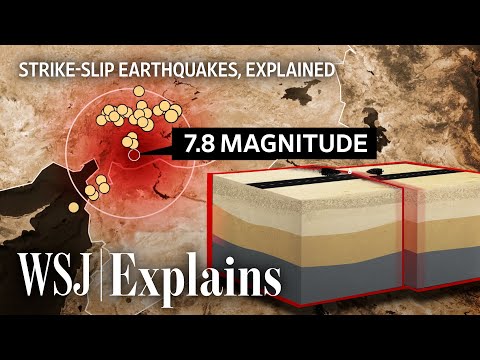
The Science Behind the Massive Turkey-Syria Earthquakes | WSJ
0
林宜悉 posted on 2023/02/19Ever wondered about the powerful forces behind massive earthquakes? This video dives into the science of the Turkey-Syria earthquakes, explaining tectonic plates and strike-slip faults with fascinating details. You'll pick up advanced vocabulary related to geology and understand the human impact of these natural disasters!
Learn this video on the APP!
The VoiceTube App has more in-depth practice for videos!