
access
US /ˈæksɛs/
UK /'ækses/
- Noun (Countable/Uncountable)
- Way to enter a place, e.g. a station or stadium
- The opportunity or right to use something or to see someone.
- Transitive Verb
- To be able to use or have permission to use
A2TOEICMoreacross the line
US /əˈkrɔs ðə laɪn/
UK /əˈkrɒs ðə lain/
- other
- To behave beyond acceptable or permitted boundaries.
B2Moreallocate
US /ˈæləˌket/
UK /ˈæləkeɪt/
- Transitive Verb
- To distribute or set apart for a plan or purpose
B1Moreambition
US /æmˈbɪʃən/
UK /æmˈbɪʃn/
- Noun (Countable/Uncountable)
- Desire to win or be successful in life, work
A2TOEICMoreapartheid
US /əˈpɑrtˌhaɪt, -ˌhet/
UK /əˈpɑ:tˌhaɪt, -ˌheɪt/
- Noun
- System that separated people on the basis of race
B2TOEICMorecape
US /kep/
UK /keɪp/
- Noun (Countable/Uncountable)
- Clothing without sleeves worn over the shoulders
- Large area of land that sticks out into a sea
B1Morecare of
US /kɛr ʌv/
UK /kɛə ɔv/
- Preposition
- Used in an address to indicate the person who will receive the mail for someone else.
A2Morecentered around
US
UK
- Phrasal Verb
- To have (something) as the main subject or focus.
A2Morecity center
US /ˈsɪti ˈsɛntɚ/
UK /ˈsiti ˈsentə/
- Noun (Countable/Uncountable)
- The central part of a city, especially the main business or commercial area.
- Phrase
- The main part of a city where the main commercial and administrative activities take place.
classify
US /ˈklæsəˌfaɪ/
UK /'klæsɪfaɪ/
- Transitive Verb
- To arrange things into groups of similar items
- To keep some information secret from the public
B2Morecolonial
US /kəˈloʊniəl/
UK /kəˈləʊniəl/
- Adjective
- Of a system where one country controls another
B2Morecolonialism
US /kəˈloniəˌlɪzəm/
UK /kəˈləʊniəlɪzəm/
- Uncountable Noun
- System in which a country controls a colony
B2Morecolony
US /ˈkɑləni/
UK /'kɒlənɪ/
- Noun (Countable/Uncountable)
- Group (bees, etc.) that live in the same place
- Country/settlement controlled by another country
B2Morecome back
US /kʌm bæk/
UK /kʌm bæk/
- Phrasal Verb
- To reply to someone, often forcefully
- To be remembered
A1Morecommunity
US /kəˈmjunɪti/
UK /kə'mju:nətɪ/
- Noun (Countable/Uncountable)
- Group of people who share a common idea or area
- A feeling of fellowship with others, as a result of sharing common attitudes, interests, and goals.
- Adjective
- Relating to or shared by the people in a particular area.
- Shared or participated in by all members of a group
A2Moredeclare
US /dɪˈklɛr/
UK /dɪ'kleə(r)/
- Transitive Verb
- To make a statement in a strong and confident way
- To show the cost of things purchased overseas
A2TOEICMoredetermine
US /dɪˈtɚmɪn/
UK /dɪ'tɜ:mɪn/
- Transitive Verb
- To control exactly how something will be or act
- To establish the facts about; discover
A2TOEICMoredistrict
US /ˈdɪstrɪkt/
UK /'dɪstrɪkt/
- Noun (Countable/Uncountable)
- Area of a country, city, or town
- A region or area known for a particular activity, industry, or feature.
A2Moreeconomically
US /ˌikəˈnɑmɪklɪ/
UK /ˌi:kəˈnɒmɪkli/
- Adverb
- In an efficient manner
- In an efficient manner; without using much effort
B1Moreenslave
US /ɛnˈslev/
UK /ɪn'sleɪv/
- Transitive Verb
- To make someone live like a slave
C2Moreentangle
US /ɛnˈtæŋɡəl/
UK /ɪnˈtæŋgl/
- Verb (Transitive/Intransitive)
- To involve in troubles that are hard to escape
- (Of rope, string) to be tied in a way hard to undo
B2TOEICMoreeventually
US /ɪˈvɛntʃuəli/
UK /ɪˈventʃuəli/
- Adverb
- After a long time; after many attempts; in the end
- At some later time; in the future
A2Morefascist
US /'fæʃɪst/
UK /'fæʃɪst/
- Noun
- Person advocate an authoritarian government
B2Moreget back to
US /ɡɛt bæk tu/
UK /ɡet bæk tu:/
- Phrasal Verb
- To get in contact with someone again
- To return to someone or something; to respond at a later time.
A1Morehave to
US /hæv tu/
UK /ˈhæv tə/
- Auxiliary Verb
- Must do
A1Morehold in
US /hold ɪn/
UK /həuld in/
- Phrasal Verb
- To hide your emotions and not let them show
A1Morein order to
US /ɪn ˈɔrdɚ tu/
UK /in ˈɔ:də tu:/
- Preposition
- For the purpose of; with the aim of.
- Phrase
- In a specific sequence or arrangement.
- With the aim of; for the purpose of.
C1Morein the face of
US //ɪn ðə feɪs ɑv//
UK
- Phrase
- When confronted with something difficult or challenging.
- Despite; in defiance of; when confronted with.
A1Morein the past
US
UK
- Phrase
- During a former period of time; previously.
A1Moreinternet access
US
UK
- Uncountable Noun
- The ability to connect to the internet.
- A service that allows you to connect to the internet.
A1Moreleft out
US
UK
- Phrasal Verb
- To forget; omit
- To exclude someone or something; to not include.
A1Morelegacy
US /ˈlɛɡəsi/
UK /'leɡəsɪ/
- Noun (Countable/Uncountable)
- Literature, arts etc. from previous generations
- Something left or given by a person who has died
- Adjective
- Relating to old or outdated computer systems or software.
B2TOEICMorelift
US /lɪft/
UK /lɪft/
- Noun
- Picking someone up in a car and taking to a place
- Machine carrying people up or down to other floors
- Transitive Verb
- To stop or cancel something, such as a rule
- To move something to higher position
A2Morelocation
US /loʊˈkeɪʃn/
UK /ləʊˈkeɪʃn/
- Noun (Countable/Uncountable)
- Particular position or area of place, event, etc.
- A place away from a studio where film or television shots are made.
B1TOEICMoremajority
US /məˈdʒɔrɪti, -ˈdʒɑr-/
UK /mə'dʒɒrətɪ/
- Noun (Countable/Uncountable)
- Amount that is more than half of a group
- The age at which a person is legally considered an adult.
B1TOEICMoremigrate
US /ˈmaɪgreɪt/
UK /maɪˈgreɪt/
- Intransitive Verb
- To move from one country or place to live or work
B1Moremining
US /ˈmaɪnɪŋ/
UK /ˈmaɪnɪŋ/
- Transitive Verb
- To place a bomb in the ground or the sea
- To dig into the earth or sea to obtain minerals
- Uncountable Noun
- Act of digging to get coal, gold, silver etc.
B2Moreminority
US /məˈnɔrɪti, -ˈnɑr-, maɪ-/
UK /maɪ'nɒrətɪ/
- Noun (Countable/Uncountable)
- Group that is smaller and different from the rest
- Part that is less than half the whole; small part
- Adjective
- Being part of a smaller group within a larger one.
B1TOEICMoreneighborhood
US /ˈnebɚˌhʊd/
UK /'neɪbəhʊd/
- Noun (Countable/Uncountable)
- Area of a town or city that people live in
- People who live in a particular area
- Adjective
- Relating to a neighborhood.
B1Moreperiphery
US /pəˈrɪfəri/
UK /pə'rɪfərɪ/
- Noun
- Far edge of something
B2Morepopulation
US /ˌpɑpjəˈleʃən/
UK /ˌpɒpjuˈleɪʃn/
- Noun (Countable/Uncountable)
- Number of people who live in a country, area etc.
- A group of individuals of one species living in a particular area.
A2TOEICMoreport
US /pɔrt, port/
UK /pɔ:t/
- Noun (Countable/Uncountable)
- City where ships can shelter during a storm
- Left side of a ship when facing forward
- Transitive Verb
- To move data from one computer system to another
B1Morepsychic
US /ˈsaɪkɪk/
UK /ˈsaɪkɪk/
- Adjective
- Concerning the mind and its workings
- One said to have extraordinary mental powers
B2Moreracial
US /ˈreʃəl/
UK /ˈreɪʃl/
- Adjective
- Of or relating to race
B2Morerailroad
US /ˈreɪlroʊd/
UK /ˈreɪlrəʊd/
- Noun
- System of tracks on which trains travel
C2TOEICMorerational
US /ˈræʃənəl/
UK /'ræʃnəl/
- Adjective
- Able to think clearly
- A real number that can be written as a ratio of two integers.
- Noun
- A rational person.
A2TOEICMoreregistration
US /ˌrɛdʒɪˈstreʃən/
UK /ˌredʒɪˈstreɪʃn/
- Noun (Countable/Uncountable)
- An official record or proof of registering
- Total number, e.g. of students in a school
B1Morerelocate
US /riˈloket/
UK /ˌri:ləʊ'keɪt/
- Verb (Transitive/Intransitive)
- To move to a new or different place
B2TOEICMoreremain
US /rɪˈmen/
UK /rɪˈmeɪn/
- Intransitive Verb
- To be left behind; to continue to exist
- To stay in a place when other people have gone
A2TOEICMorerepresent
US /ˌrɛprɪˈzɛnt/
UK /ˌreprɪ'zent/
- Transitive Verb
- To depict art objects, figures, scenes; to portray
- To show or describe something in a particular way
A2TOEICMorerip
US /rɪp/
UK /rɪp/
- Verb (Transitive/Intransitive)
- To tear or split roughly or cause to tear or split
- To become torn, opened, or split apart forcefully
- Noun (Countable/Uncountable)
- A long tear in something, e.g. a piece of cloth
- (Slang) A puff of marijuana.
B1Moreroute
US /rut, raʊt/
UK /ru:t/
- Noun (Countable/Uncountable)
- Way to get from one place to another place; path
- Path or way that people often use
- Transitive Verb
- To send along a particular path or way
A2TOEICMoresegregation
US /ˌsɛɡrɪˈɡeʃən/
UK /ˌsegrɪˈgeɪʃn/
- Uncountable Noun
- Forced separation of people by race, color etc.
- Act separating one part of a thing from another
B2Moreseize
US /siz/
UK /si:z/
- Transitive Verb
- To take a place with force, as by military action
- To arrest or catch someone
B1Moresettle
US /ˈsɛtl/
UK /'setl/
- Transitive Verb
- To make (a child, etc.) feel calm/ready for sleep
- To complete or finalize e.g. a contract or debt
- Intransitive Verb
- To become accustomed to a new environment
- (Of liquids) to move to the bottom of a container
A2Morestrand
US /strænd/
UK /strænd/
- Countable Noun
- Long part of a rope, someone's hair, etc.
- Transitive Verb
- To cause to be stuck or trapped somewhere
B2Moretrade
US /treid/
UK /treɪd/
- Noun (Countable/Uncountable)
- A specific industry, e.g. shoe making
- Action of buying and selling things in business
- Transitive Verb
- To buy, sell and exchange goods in business
- To give something in return for something else
A2TOEICMoreuntouched
US /ʌnˈtʌtʃt/
UK /ʌnˈtʌtʃt/
- Adjective
- Still full
B1Moreurban
US /ˈɚbən/
UK /'ɜ:bən/
- Adjective
- Concerning a city; located in a city
- Relating to the style of dress and music popular in cities.
B1TOEICMoreviolence
US /ˈvaɪələns/
UK /ˈvaɪələns/
- Uncountable Noun
- Strong physical force of nature
- Use of physical force to harm someone
B1Morezoom out
US /zum aʊt/
UK /zu:m aut/
- Phrasal Verb
- To decrease the magnification of an image, showing more of the scene.
- To take a broader perspective; to consider the overall context.
Vocabulary
- internet access: The ability to connect to the internet.
- across the line: To behave beyond acceptable or permitted boundaries.
- zoom out: To decrease the magnification of an image, showing more of the scene.
- have to: Must do
- care of: Used in an address to indicate the person who will receive the mail for someone else.
- in order to: For the purpose of; with the aim of.
- centered around: To have (something) as the main subject or focus.
- left out: To forget; omit
- hold in: To hide your emotions and not let them show
- city center: The central part of a city, especially the main business or commercial area.
- come back: To reply to someone, often forcefully
- get back to: To get in contact with someone again
- in the past: During a former period of time; previously.
- in the face of: When confronted with something difficult or challenging.
- eventually: After a long time; after many attempts; in the end
- access: Way to enter a place, e.g. a station or stadium
- majority: Amount that is more than half of a group
- determine: To control exactly how something will be or act
- force: Group of persons trained for military action; army
- community: Group of people who share a common idea or area
- represent: To depict art objects, figures, scenes; to portray
- legacy: Literature, arts etc. from previous generations
- rational: Able to think clearly
- remain: To be left behind; to continue to exist
- settle: To make (a child, etc.) feel calm/ready for sleep
- private: Being away from others and quiet
- form: Sports team or person's current winning record
- population: Number of people who live in a country, area etc.
- rip: To tear or split roughly or cause to tear or split
- suddenly: In an unexpected or very quick manner
- ambition: Desire to win or be successful in life, work
- lift: Picking someone up in a car and taking to a place
- declare: To make a statement in a strong and confident way
- district: Area of a country, city, or town
- rest: Time when one relaxes, sleeps, or is inactive
- minority: Group that is smaller and different from the rest
- route: Way to get from one place to another place; path
- trade: A specific industry, e.g. shoe making
- economy: Using money, resources in a careful, effective way
- urban: Concerning a city; located in a city
- leave: To go away from; depart
- violence: Strong physical force of nature
- haven: Place where people can feel safe and happy
- colony: Group (bees, etc.) that live in the same place
- british: Concerning the culture and people of British
- kind: In a caring and helpful manner
- seize: To take a place with force, as by military action
- allow: To admit the validity or truth of something
- build: Your physical shape; physique
- act: To behave in a certain way
- public: Owned by the government
- government: Group of people and system that rule a nation
- neighborhood: Area of a town or city that people live in
- migrate: To move from one country or place to live or work
- colonial: Of a system where one country controls another
- mining: To place a bomb in the ground or the sea
- allocate: To distribute or set apart for a plan or purpose
- strand: Long part of a rope, someone's hair, etc.
- racial: Of or relating to race
- classify: To arrange things into groups of similar items
- location: Particular position or area of place, event, etc.
- port: City where ships can shelter during a storm
- registration: An official record or proof of registering
- cape: Clothing without sleeves worn over the shoulders
- periphery: Far edge of something
- segregation: Forced separation of people by race, color etc.
- economically: In an efficient manner
- psychic: Concerning the mind and its workings
- apartheid: System that separated people on the basis of race
- railroad: System of tracks on which trains travel
- relocate: To move to a new or different place
- enslave: To make someone live like a slave
- untouched: Still full
- fascist: Person advocate an authoritarian government
- colonialism: System in which a country controls a colony
- entangle: To involve in troubles that are hard to escape
Get the full experience in the app
Learn anywhere with detailed sentence and usage analysis
01:03
She took a brave step forward, leaving behind her comfort zone to chase her dreams.
Vocabulary
- brave
adj. Having courage
- comfort zone
phr. A familiar situation where one feels safe
Explanation
a brave step is a noun phrase, where brave is an adjective modifying the noun step, meaning "a courageous step".
forward is an adverb modifying step, meaning "ahead".
The whole phrase serves as the object, answering the "what" of took (verb) — she took a brave step forward.
Get the full experience in the app
Look up words anytime with pronunciation, part of speech, and usage
brave
US/brev/
UK/breɪv/
adj.Brave
v.t.To bravely face
A2 Elementary
Get the full experience in the app
Practice speaking anytime and get instant pronunciation feedback
Try this speaking exercise.
Try practicing with this sentence.
80
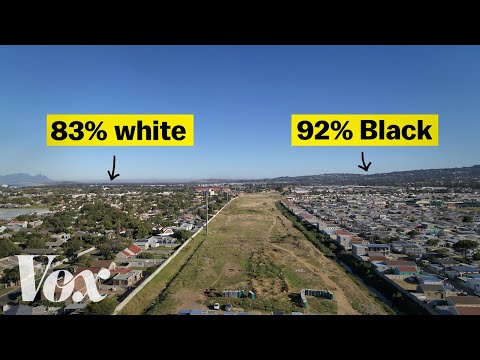
Why South Africa is still so segregated
0
林宜悉 posted on 2023/03/01Ever wondered why South Africa's cities still show the deep scars of Apartheid? This video dives into the history of spatial segregation, forced removals, and the lasting impact of laws like the Group Areas Act. You'll gain fascinating cultural insights and boost your vocabulary with terms like 'townships' and 'intergenerational trauma'!
Learn this video on the APP!
The VoiceTube App has more in-depth practice for videos!