
acidic
US /əˈsɪdɪk/
UK /əˈsɪdɪk/
- Adjective
- Containing acid
B1Moreactivate
US /ˈæktəˌvet/
UK /ˈæktɪveɪt/
- Transitive Verb
- To cause to happen; cause a chemical reaction
- To make something start working
B1Moreamir
US /əˈmɪr, eˈmɪr/
UK /əˈmiə/
- Proper Noun
- Islamic ruler in Africa or Arabia; emir
C2Moreaudience
US /ˈɔdiəns/
UK /ˈɔ:diəns/
- Noun (Countable/Uncountable)
- Group of people attending a play, movie etc.
A2TOEICMoreblind
US /blaɪnd/
UK /blaɪnd/
- Adjective
- Unable to see; with eyes that cannot see
- Lacking in judgment or awareness
- Transitive Verb
- To cause someone to lose the ability to see
- To be unable to see the truth about a situation
A2Morebob
US /bɑ:b/
UK /bɒb/
- Intransitive Verb
- To move up and down repeatedly
- Proper Noun
- Person's name
B2Morecapacity
US /kəˈpæsɪti/
UK /kə'pæsətɪ/
- Noun (Countable/Uncountable)
- Ability to hold, involve or contain (e.g. liquids)
- Largest amount of something that can be produced
B1Morecause
US /kɔz/
UK /kɔ:z/
- Noun
- Belief, goal or organization that people support
- Reason for
- Transitive Verb
- To make something happen; create effect or result
A2Morecharacter
US /ˈkærəktɚ/
UK /'kærəktə(r)/
- Noun
- Person in a story, movie or play
- Writing symbols, e.g. alphabet or Chinese writing
A2Morecheck out
US /tʃɛk aʊt/
UK /tʃek aut/
- Phrase
- Phrasal Verb
- To find out information about something
- To take books out of a library
A1Moredemonstration
US /ˌdɛmənˈstreʃən/
UK /ˌdemənˈstreɪʃn/
- Noun
- Open showing of emotion
- Public gathering showing disagreement or support
B1TOEICMoredescription
US /dɪˈskrɪpʃən/
UK /dɪˈskrɪpʃn/
- Noun
- Explanation of what something is like, looks like
- The type or nature of someone or something.
A2TOEICMoreeffort
US /ˈɛfət/
UK /ˈefət/
- Uncountable Noun
- Amount of work used trying to do something
- A conscious exertion of power; a try.
A2TOEICMoreexpand
US /ɪkˈspænd/
UK /ɪk'spænd/
- Verb (Transitive/Intransitive)
- To make something larger in size, number, amount
A2TOEICMoreextremely
US /ɪk'strimlɪ/
UK /ɪkˈstri:mli/
- Adverb
- In a way that is much more than usual or expected
- Remarkably; unusually.
B1Morefor some reason
US /fɔr sʌm ˈrizən/
UK /fɔ: sʌm ˈri:zən/
- Phrase
- For a reason that is not known or not easily explained.
A1Moreforeign
US /ˈfɔ:rən/
UK /ˈfɒrən/
- Adjective
- Being of a different place or country
- Strange; different from ones found at home
A2TOEICMoregag
US /ɡæɡ/
UK /gæg/
- Transitive Verb
- To cover someone's mouth so they cannot speak
- To force someone to not talk about something
- Noun (Countable/Uncountable)
- Prank, trick, or joke
B2Moregenerally
US /ˈdʒɛnərəli/
UK /ˈdʒenrəli/
- Adverb
- Usually; as a rule; by, to or for most people
A2Morehave to
US /hæv tu/
UK /ˈhæv tə/
- Auxiliary Verb
- Must do
A1Morehold up to
US /hoʊld ʌp tu/
UK /hould ʌp tu:/
- other
- To withstand or endure something unpleasant or difficult.
B2Morehorrify
US /ˈhɔ:rɪfaɪ/
UK /ˈhɒrɪfaɪ/
- Transitive Verb
- To cause someone to feel horror or shock
B2Morehug
US /hʌɡ/
UK /hʌɡ/
- Transitive Verb
- To hold someone in your arms as sign of affection
- To keep very close to something
B1Morein addition to
US /ɪn əˈdɪʃən tu/
UK /in əˈdiʃən tu:/
- Preposition
- Besides; as well as
- Phrase
- Besides; as well as.
- Furthermore; moreover.
B1Morein the hospital
US /ɪn ðə ˈhɑspɪtəl/
UK /in ðə ˈhɒspɪtəl/
- Preposition
- Located inside a hospital receiving medical care.
A1Moreinfection
US /ɪnˈfɛkʃən/
UK /ɪnˈfekʃn/
- Noun
- (Computers) Having a computer virus
- Making or becoming sick with a bacteria/virus
A2Moreirritation
US /ˌɪrɪˈteʃən/
UK /ˌɪrɪ'teɪʃn/
- Uncountable Noun
- Feeling or state of being annoyed or upset
- Feeling of pain and soreness on a part of the body
B1TOEICMorekinda
US /'kaɪndə/
UK /'kaɪndə/
- Noun
- Short way of saying 'kind of'
- Adverb
- Somewhat; to some extent; rather.
- Sort of; in a way.
B2Moreleak
US /lik/
UK /li:k/
- Noun (Countable/Uncountable)
- Act of (gas, liquid) escaping through a small hole
- Information released that wasn't supposed to be
- Intransitive Verb
- (Of a tire) to have air, liquid escaping; (Of air)
- (Liquid) to go out of/get in through crack/opening
B1Moreleak out
US
UK
- Phrasal Verb
- If secret information leaks out, it becomes known to the public.
- To escape or be lost through a crack or hole.
B2Moreleviathan
US /ləˈvaɪəθən/
UK /ləˈvaɪəθən/
- Noun
- Huge sea monster symbolizing evil
C2Morelifespan
US /ˈlaɪfspæn/
UK /ˈlaɪfspæn/
- Noun
- Length of time something is expected to last
B2Moreneutral
US /ˈnu:trəl/
UK /ˈnju:trəl/
- Adjective
- Something with pH value of 7
- Having no positive or negative electrical charge
- Noun (Countable/Uncountable)
- Color that is dull and not bright, such as gray
- The rest position for gears in a car or vehicle
B1Moreon the other hand
US
UK
- Phrase
- Considering a different aspect of the matter; alternatively.
A1Moreph
US /ˈpiˈetʃ/
UK /ˈpi:ˈeɪtʃ/
- Noun
- Acidity or alkalinity value of a solution
B2Morepigeon
US /ˈpɪdʒən/
UK /'pɪdʒɪn/
- Noun
- Gray bird that is common in cities
B2Morepractice
US /ˈpræktɪs/
UK /'præktɪs/
- Noun
- The office and place for legal or medical work
- Doing something many times to become better at it
- Verb (Transitive/Intransitive)
- To work as a doctor or lawyer
- To live according to the teachings of a religion
A2TOEICMorepressure
US /ˈprɛʃɚ/
UK /'preʃə(r)/
- Noun (Countable/Uncountable)
- Anxiety caused by difficult problems
- Force, weight when pressing against a thing
- Transitive Verb
- To apply force to something
- To persuade or force someone to do something
A2TOEICMorerandom
US /ˈrændəm/
UK /'rændəm/
- Adjective
- Chosen, done without a particular plan or pattern
B1Morereflex
US /ˈriˌflɛks/
UK /ˈri:fleks/
- Noun
- Body's physical reaction done unconsciously
- Response done quickly and without thinking
B2Morerogue
US /roʊg/
UK /rəʊg/
- Adjective
- Being corrupt, dangerous, or uncontrollable
- Noun
- Wicked or problematic person
B2Morerupture
US /ˈrʌptʃɚ/
UK /'rʌptʃə(r)/
- Verb (Transitive/Intransitive)
- To (cause to) burst or break
- Medical to tear or break
- Noun
- A crack or break in something
- Medical tear or break in something, e.g. a muscle
B2Moresensitive
US /ˈsɛnsɪtɪv/
UK /'sensətɪv/
- Adjective
- Taking offense easily; easily upset or hurt
- (Private information) needing careful treatment
A2TOEICMoreslightly
US /ˈslaɪtli/
UK /ˈslaɪtli/
- Adverb
- Only a little
B1Morestomach
US /ˈstʌmək/
UK /'stʌmək/
- Noun
- Place in the body where food is processed
- Verb (Transitive/Intransitive)
- to be able to accept something unpleasant
A2Morestraight
US /stret/
UK /streɪt/
- Adjective
- Not having curves, bends, or angles
- Not gay; heterosexual
- Adverb
- in a line; immediately; honestly and directly
- In a straight line; directly.
A2TOEICMoresubscribe
US /səbˈskraɪb/
UK /səb'skraɪb/
- Verb (Transitive/Intransitive)
- To regularly pay to receive a service
B1TOEICMoretoxic
US /ˈtɑksɪk/
UK /ˈtɒksɪk/
- Adjective
- Poisonous; harmful
- (Of relationships) harmful; causing conflict
B2Moretriangle
US /ˈtraɪˌæŋɡəl/
UK /ˈtraɪæŋgl/
- Noun
- Three people connected with each in a relationship
- A three-sided piece of metal used in orchestras
B1TOEICMoreturn red
US
UK
- Intransitive Verb
- To blush or become flushed, usually due to embarrassment or shyness.
- To become flushed due to anger or strong emotion.
A2Moretypically
US /ˈtɪpɪklɪ/
UK /ˈtɪpɪkli/
- Adverb
- In a normal or usual way
B1Moreunable
US /ʌnˈebəl/
UK /ʌnˈeɪbl/
- Adjective
- Not being able to do something
B1TOEICMoreused to
US /juzd tu/
UK /ˈju:st tə/
- Adjective
- Did regularly before, but don't do now
- Auxiliary Verb
- Have done before, but do not do now
A1Morevomit
US /ˈvɑ:mɪt/
UK /ˈvɒmɪt/
- Noun (Countable/Uncountable)
- Food coming back up from stomach, due to illness
- Verb (Transitive/Intransitive)
- To bring (blood, etc.) up and out of mouth
B2More
Vocabulary
- on the other hand : Considering a different aspect of the matter; alternatively.
- in addition to: Besides; as well as
- turn red: To blush or become flushed, usually due to embarrassment or shyness.
- hold up to: To withstand or endure something unpleasant or difficult.
- for some reason: For a reason that is not known or not easily explained.
- leak out: If secret information leaks out, it becomes known to the public.
- in the hospital: Located inside a hospital receiving medical care.
- have to: Must do
- used to: Did regularly before, but don't do now
- check out
- subscribe: To regularly pay to receive a service
- extremely: In a way that is much more than usual or expected
- slightly: Only a little
- effort: Amount of work used trying to do something
- practice: The office and place for legal or medical work
- description: Explanation of what something is like, looks like
- straight: Not having curves, bends, or angles
- typically: In a normal or usual way
- character: Person in a story, movie or play
- audience: Group of people attending a play, movie etc.
- capacity: Ability to hold, involve or contain (e.g. liquids)
- kinda: Short way of saying 'kind of'
- random: Chosen, done without a particular plan or pattern
- pressure: Anxiety caused by difficult problems
- toxic: Poisonous; harmful
- neutral: Something with pH value of 7
- sensitive: Taking offense easily; easily upset or hurt
- generally: Usually; as a rule; by, to or for most people
- cause: Belief, goal or organization that people support
- vomit: Food coming back up from stomach, due to illness
- expand: To make something larger in size, number, amount
- reason: To think and make conclusions in a logical manner
- throw: To use your arm to make something fly in the air
- click: To work well with someone or something
- infection: (Computers) Having a computer virus
- shape: The outer form of something, what it looks like
- fall: Season after summer and before winter; Autumn
- foreign: Being of a different place or country
- noggin: A human head
- lifespan: Length of time something is expected to last
- activate: To cause to happen; cause a chemical reaction
- haven: Place where people can feel safe and happy
- stomach: Place in the body where food is processed
- lot: What happens to a person in life from chance; fate
- irritation: Feeling or state of being annoyed or upset
- hit: To have a negative impact on a person/place/thing
- pain: Strong feeling of hurt or discomfort
- blind: Unable to see; with eyes that cannot see
- demonstration: Open showing of emotion
- catch: Amount of something that has been caught
- bring: To take or go with someone to a place
- point: An item to be discussed
- basic: At the most important or easiest (beginner) level
- protect: To defend someone or something from harm or danger
- rogue: Being corrupt, dangerous, or uncontrollable
- leak: Act of (gas, liquid) escaping through a small hole
- rupture: To (cause to) burst or break
- pigeon: Gray bird that is common in cities
- acidic: Containing acid
- reflex: Body's physical reaction done unconsciously
- bob: To move up and down repeatedly
- hug: To hold someone in your arms as sign of affection
- unable: Not being able to do something
- gag: To cover someone's mouth so they cannot speak
- triangle: Three people connected with each in a relationship
- horrify: To cause someone to feel horror or shock
- leviathan: Huge sea monster symbolizing evil
- amir: Islamic ruler in Africa or Arabia; emir
- ph: Acidity or alkalinity value of a solution
Get the full experience in the app
Learn anywhere with detailed sentence and usage analysis
01:03
She took a brave step forward, leaving behind her comfort zone to chase her dreams.
Vocabulary
- brave
adj. Having courage
- comfort zone
phr. A familiar situation where one feels safe
Explanation
a brave step is a noun phrase, where brave is an adjective modifying the noun step, meaning "a courageous step".
forward is an adverb modifying step, meaning "ahead".
The whole phrase serves as the object, answering the "what" of took (verb) — she took a brave step forward.
Get the full experience in the app
Look up words anytime with pronunciation, part of speech, and usage
brave
US/brev/
UK/breɪv/
adj.Brave
v.t.To bravely face
A2 Elementary
Get the full experience in the app
Practice speaking anytime and get instant pronunciation feedback
Try this speaking exercise.
Try practicing with this sentence.
80
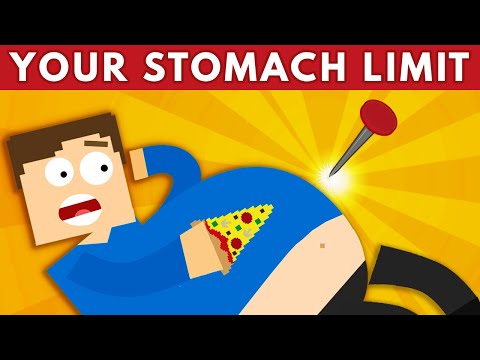
How Much Can You Eat Before Your Stomach Bursts? - Dear Blocko #33
0
林宜悉 posted on 2023/01/13Ever wondered what happens if you eat too much? This fun 'Dear Blocko' episode dives into stomach capacity and the surprising science behind it, perfect for practicing simple sentence structures and daily practical vocabulary. You'll also learn what to do if you accidentally get soap in your eyes – a gross but useful bit of knowledge!
Learn this video on the APP!
The VoiceTube App has more in-depth practice for videos!