
academic
US /ˌækəˈdɛmɪk/
UK /ˌækə'demɪk/
- Adjective
- Concerning education, schools, universities, etc.
- Concerning education, schools, universities, etc.
- Noun (Countable/Uncountable)
- Educator teaching at a college or university
- A subject taught at schools and universities.
B1Moreaffect
US /əˈfɛkt/
UK /ə'fekt/
- Transitive Verb
- To cause a change in something else
- To pretend to have or feel (something).
- Noun
- (Psychology) Emotion or feeling.
A2TOEICMorecause
US /kɔz/
UK /kɔ:z/
- Noun
- Belief, goal or organization that people support
- Reason for
- Transitive Verb
- To make something happen; create effect or result
A2Morechannel
US /ˈtʃænəl/
UK /'tʃænl/
- Noun (Countable/Uncountable)
- Long hole dug in the ground, e.g. to move water
- TV or radio station or its programs
- Transitive Verb
- To dig a long hole for carrying water
- To send (e.g. money) to a certain place or person
B1Moreclimate
US /ˈklaɪmɪt/
UK /ˈklaɪmət/
- Noun (Countable/Uncountable)
- Typical weather conditions in a particular place
- The general attitudes, feelings, or opinions that people have at a particular time.
A2Morecommit
US /kəˈmɪt/
UK /kə'mɪt/
- Transitive Verb
- To do something bad, usually a crime
- To promise your permanent love or loyalty (to)
A2TOEICMorecon
US /kɑ:n/
UK /kɒn/
- Transitive Verb
- To trick or deceive someone
- Noun
- Argument pointing out the negatives of a position
B2Moreconstellation
US /ˌkɑnstəˈleʃən/
UK /ˌkɒnstə'leɪʃən/
- Noun
- Group of things or people that are similar
- Groups of stars which form patterns
- Noun (plural)
- Groups of stars which form patterns
B2Morecontext
US /ˈkɑnˌtɛkst/
UK /ˈkɒntekst/
- Noun (Countable/Uncountable)
- Set of facts surrounding a person or event
- The circumstances that form the setting for an event, statement, or idea, and in terms of which it can be fully understood and assessed.
A2Moreconversation
US /ˌkɑnvɚˈseʃən/
UK /ˌkɒnvəˈseɪʃn/
- Uncountable Noun
- Talking with other people; discussion or chat
- General communication or interaction.
A2Morecrime drama
US
UK
- Noun
- A genre of film or television that focuses on crimes and their investigation.
culprit
US /ˈkʌlprɪt/
UK /ˈkʌlprɪt/
- Countable Noun
- Person who has done something wrong or illegal
B2Moredepend
US /dɪˈpend/
UK /dɪˈpend/
- Verb (Transitive/Intransitive)
- Be controlled or determined by (someone/something)
- To rely on someone or something for support, help, or existence.
B1TOEICMoredisease
US /dɪˈziz/
UK /dɪˈzi:z/
- Noun (Countable/Uncountable)
- Illness that affects a person, animal, or plant
- A disorder of structure or function in a plant, especially one caused by a pathogen.
- Transitive Verb
- To affect with disease; to corrupt or sicken.
A2TOEICMoreexaggeration
US /ɪɡˌzædʒəˈreʃən/
UK /ɪgˌzædʒəˈreɪʃn/
- Noun (Countable/Uncountable)
- Act of trying to make things seem more extreme
B1Moreexpression
US /ɪkˈsprɛʃən/
UK /ɪk'spreʃn/
- Noun (Countable/Uncountable)
- Act of making your thoughts and feelings known
- Group of words that have a specific meaning
A2TOEICMorefor example
US
UK
- Phrase
- As an illustration or instance.
get to the bottom of
US /ɡɛt tə ðə ˈbɑtəm ʌv/
UK /ɡet tə ðə ˈbɒtəm əv/
- other
- To find the true cause or explanation of something.
B2Moregot to
US /ɡɑt tu/
UK /gɔt tu:/
- Verb (Transitive/Intransitive)
- To arrive at some place
- To have the opportunity or permission to do something
- Phrasal Verb
- To appeal to the emotions of; move
- To finally begin to start something after a delay
A1Moreguilty
US /ˈɡɪlti/
UK /'ɡɪltɪ/
- Adjective
- Responsible for doing something wrong
- Feeling or showing guilt; having a sense of remorse.
A2TOEICMoreheadline
US /ˈhedlaɪn/
UK /ˈhedlaɪn/
- Intransitive Verb
- To be the main performer at a show
- Noun
- Title summarizing a news story
B2Morein fact
US /ɪn fækt/
UK /in fækt/
- Adverb
- Used to emphasize the truth of a statement, especially one that contrasts with or contradicts something else.
- Used to introduce a more detailed or surprising piece of information.
- Phrase
- Used to emphasize the truth of a statement, especially one that is surprising or contrary to what might be expected.
C1Morein particular
US /ɪn pɚˈtɪkjəlɚ/
UK /in pəˈtikjulə/
- Phrase
- Specifically; especially.
- Detailed or precise.
A1Moreinformal
US /ɪnˈfɔrməl/
UK /inˈfɔ:məl/
- Adjective
- Casual; relaxed
- Not official; not done by the rules
B1TOEICMoreliver
US /ˈlɪvɚ/
UK /ˈlɪvə(r)/
- Noun (Countable/Uncountable)
- Organ from animals served as food
- Organ that absorbs food and cleans the blood
B1Morelook at
US /lʊk æt/
UK /luk æt/
- Phrasal Verb
- To use your eyes to focus on something
- To focus your eyes on something carefully
A1Morelook for
US /lʊk fɔr/
UK /luk fɔ:/
- Phrasal Verb
- To try to find a thing or person that is lost
- To expect or anticipate something.
A1Moremake up
US /mek ʌp/
UK /meik ʌp/
- Phrasal Verb
- To invent or create a story
- To add up to
- Verb (Transitive/Intransitive)
- To invent a story, excuse, etc.
- To compensate for something lost, missed, or deficient.
A1Moremysterious
US /mɪˈstɪriəs/
UK /mɪˈstɪəriəs/
- Adjective
- Unusual; hard to understand or work out
A2Morenegative
US /ˈnɛɡətɪv/
UK /'neɡətɪv/
- Noun
- The opposite to a positive electrical charge
- In grammar, containing words such as 'no' or 'not'
- Adjective
- Being harmful, unwanted or unhelpful
- In mathematics, being less than zero
A2Moreof course
US /ʌv kɔː(r)s/
UK /ɔv kɔː(r)s/
- Adverb
- Sure ; Certainly
- Phrase
- For sure; certainly
A2Moreoutbreak
US /ˈaʊtˌbrek/
UK /ˈaʊtbreɪk/
- Noun (Countable/Uncountable)
- Sudden occurrence of illness, discontent etc.
- A sudden occurrence of something unwelcome, such as war or disease.
B2Morepattern
US /ˈpætən/
UK /'pætn/
- Noun (Countable/Uncountable)
- Model to follow in making or doing something
- Colors or shapes which are repeated on objects
- Transitive Verb
- To copy the way something else is made
- To decorate with a pattern.
A2TOEICMorepronunciation
US /prəˌnʌnsiˈeʃən/
UK /prəˌnʌnsiˈeɪʃn/
- Noun (Countable/Uncountable)
- How a word is said; how a word sounds
- The manner in which someone utters a word.
B1Morequiz
US /kwɪz/
UK /kwɪz/
- Noun (Countable/Uncountable)
- A game in which players answer questions on topics
- Brief spoken or written test, given to students
- Transitive Verb
- To ask a person many questions about something
B1Moreresearch
US /rɪˈsɚtʃ, ˈriˌsɚtʃ/
UK /rɪ'sɜ:tʃ/
- Verb (Transitive/Intransitive)
- To study in order to discover new ideas and facts
- To study the market relating to marketing products and services.
- Noun (Countable/Uncountable)
- Study done to discover new ideas and facts
- A particular area or topic of study.
A2TOEICMorestick
US /stɪk/
UK /stɪk/
- Verb (Transitive/Intransitive)
- To push a sharp or pointed object into something
- To join together using glue or paste
- Countable Noun
- Long thin piece of wood from a tree
A2Morestick with
US /stɪk wɪð/
UK /stik wið/
- Phrasal Verb
- To continue to support or stay loyal to someone or something.
- To continue doing or using something; to persevere.
A1Morestress
US / strɛs/
UK /stres/
- Transitive Verb
- To emphasize one or more parts of a word, sentence
- To put pressure on something or someone
- Noun (Countable/Uncountable)
- Emphasis on part of a word or sentence
- Pressure on something or someone
A2TOEICMoresubscribe
US /səbˈskraɪb/
UK /səb'skraɪb/
- Verb (Transitive/Intransitive)
- To regularly pay to receive a service
B1TOEICMoresyllable
US /ˈsɪləbəl/
UK /'sɪləbl/
- Countable Noun
- Part of a word containing a vowel
B2Moretalking about
US
UK
- Phrasal Verb
- To discuss a particular topic.
- To be constantly mentioning or bringing up a subject.
A1Moreused to
US /juzd tu/
UK /ˈju:st tə/
- Adjective
- Did regularly before, but don't do now
- Auxiliary Verb
- Have done before, but do not do now
A1Morevocabulary
US /voˈkæbjəˌlɛri/
UK /və'kæbjələrɪ/
- Uncountable Noun
- Words that have to do with a particular subject
- The words that a person knows
B1TOEICMore
Vocabulary
- get to the bottom of: To find the true cause or explanation of something.
- look at: To use your eyes to focus on something
- crime drama: A genre of film or television that focuses on crimes and their investigation.
- for example: As an illustration or instance.
- of course: Sure ; Certainly
- stick with: To continue to support or stay loyal to someone or something.
- got to: To arrive at some place
- in particular: Specifically; especially.
- look for: To try to find a thing or person that is lost
- talking about: To discuss a particular topic.
- in fact: Used to emphasize the truth of a statement, especially one that contrasts with or contradicts something else.
- make up: To invent or create a story
- used to: Did regularly before, but don't do now
- subscribe: To regularly pay to receive a service
- stick: To push a sharp or pointed object into something
- pronunciation: How a word is said; how a word sounds
- context: Set of facts surrounding a person or event
- situation: Place, position or area that something is in
- expression: Act of making your thoughts and feelings known
- pattern: Model to follow in making or doing something
- matter: To be of great importance; to count
- vocabulary: Words that have to do with a particular subject
- negative: The opposite to a positive electrical charge
- common: Area in a city or town that is open to everyone
- conversation: Talking with other people; discussion or chat
- culprit: Person who has done something wrong or illegal
- disease: Illness that affects a person, animal, or plant
- climate: Typical weather conditions in a particular place
- stress: To emphasize one or more parts of a word, sentence
- commit: To do something bad, usually a crime
- academic: Concerning education, schools, universities, etc.
- research: To study in order to discover new ideas and facts
- guilty: Responsible for doing something wrong
- mysterious: Unusual; hard to understand or work out
- affect: To cause a change in something else
- similar: Nearly the same; alike
- cause: Belief, goal or organization that people support
- form: Sports team or person's current winning record
- syllable: Part of a word containing a vowel
- outbreak: Sudden occurrence of illness, discontent etc.
- quiz: A game in which players answer questions on topics
- suggest: To mention something that could be done; propose
- exaggeration: Act of trying to make things seem more extreme
- informal: Casual; relaxed
- depend: Be controlled or determined by (someone/something)
- channel: Long hole dug in the ground, e.g. to move water
- kind: In a caring and helpful manner
- learn: To get knowledge or skills by study or experience
- piece: A counter in a board game
- steal: A bargain; something bought very cheaply
- liver: Organ from animals served as food
- constellation: Group of things or people that are similar
- change: To exchange one set of clothes for another
- find: To become aware of something that is happening
- person: Man, woman or child
- understand: To know the meaning of language, what someone says
- group: Two or more musicians who play music together
- con: To trick or deceive someone
- headline: To be the main performer at a show
Get the full experience in the app
Learn anywhere with detailed sentence and usage analysis
01:03
She took a brave step forward, leaving behind her comfort zone to chase her dreams.
Vocabulary
- brave
adj. Having courage
- comfort zone
phr. A familiar situation where one feels safe
Explanation
a brave step is a noun phrase, where brave is an adjective modifying the noun step, meaning "a courageous step".
forward is an adverb modifying step, meaning "ahead".
The whole phrase serves as the object, answering the "what" of took (verb) — she took a brave step forward.
Get the full experience in the app
Look up words anytime with pronunciation, part of speech, and usage
brave
US/brev/
UK/breɪv/
adj.Brave
v.t.To bravely face
A2 Elementary
Get the full experience in the app
Practice speaking anytime and get instant pronunciation feedback
Try this speaking exercise.
Try practicing with this sentence.
80
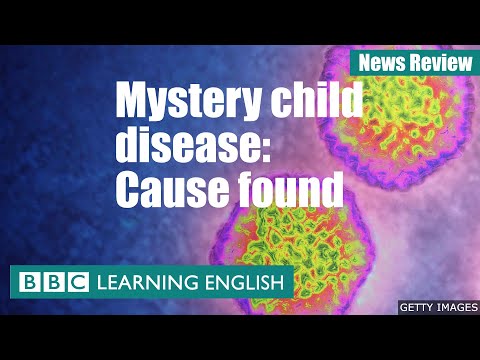
Mystery child illness: Cause found - BBC Learning English
0
林宜悉 posted on 2022/08/24Ever wondered about that mysterious child illness that made headlines? This BBC Learning English News Review dives into the potential cause, helping you understand the story and boost your English vocabulary with key terms like 'hepatitis' and 'outbreak'. You'll also get a chance to practice pronunciation and learn some advanced vocabulary in a clear, engaging way!
Learn this video on the APP!
The VoiceTube App has more in-depth practice for videos!