
also known as
US
UK
- Phrase
- Also called; alternatively named.
- Identified by another term; synonymous with.
A1Moreawareness
US /əˈwɛrnɪs/
UK /əˈweənəs/
- Uncountable Noun
- Having knowledge of something
A2TOEICMorebet
US /bet/
UK /bet/
- Verb (Transitive/Intransitive)
- To gamble money to win more money, e.g. on horses
- Used to express certainty or confidence
- Countable Noun
- Act of gambling money on the result of a race etc.
A2Morecattle
US /ˈkætl/
UK /ˈkætl/
- Noun (Countable/Uncountable)
- Cows or bulls on a farm
- Individual animals of the bovine species.
B1Morecheckout
US /ˈtʃɛkˌaʊt/
UK /ˈtʃekaʊt/
- Noun
- Counter in a supermarket where you pay for goods
C2Morecombination
US /ˌkɑmbəˈneʃən/
UK /ˌkɒmbɪ'neɪʃn/
- Noun
- Series of letters or numbers needed to open a lock
- Act or result of mixing things together
B1Morecommit
US /kəˈmɪt/
UK /kə'mɪt/
- Transitive Verb
- To do something bad, usually a crime
- To promise your permanent love or loyalty (to)
A2TOEICMorecomplex
US /kəmˈplɛks, ˈkɑmˌplɛks/
UK /'kɒmpleks/
- Countable Noun
- Group of buildings all used for the same purpose
- Adjective
- Not being simple; having many parts or aspects
A2Moreconfine
US /kənˈfaɪn/
UK /kənˈfaɪn/
- Transitive Verb
- To hold or imprison someone in a place
- Limit to your movements or behavior s
B1Morecontrary
US /ˈkɑnˌtrɛri/
UK /'kɒntrərɪ/
- Adjective
- (Of weather) difficult; likely to cause trouble
- Going against authority, a parent, or the rules
- Adverb
- In opposition to.
B1Morecontrary to
US /ˈkɑnˌtrɛri tu/
UK /ˈkɔntrəri tu:/
- Preposition
- In opposition to; against.
- Differing from; not in agreement with.
A1Morecostly
US /ˈkɔstli/
UK /'kɒstlɪ/
- Adjective
- Being very expensive, often wasteful
B1Morecurrent
US /ˈkɚrənt, ˈkʌr-/
UK /'kʌrənt/
- Uncountable Noun
- Electricity flowing through wires
- Movement of water in a river, or air in the sky
- Adjective
- Happening or being in the present time
- In general use or accepted by most people.
A2Morededicate
US /ˈdɛdɪˌket/
UK /'dedɪkeɪt/
- Transitive Verb
- To state a person's name in book, song, in respect
- To give your energy, time, etc. completely
B1TOEICMoreemerge
US /ɪˈmɚdʒ/
UK /ɪ'mɜ:dʒ/
- Intransitive Verb
- To rise or appear out of some background
- To become known or apparent.
A2TOEICMoreessay
US /ˈɛsˌe, ɛˈse/
UK /'eseɪ/
- Noun (Countable/Uncountable)
- Short piece of written opinion on a subject
- A test of the quality of a metal or ore.
- Verb (Transitive/Intransitive)
- To attempt or try.
- To test or evaluate the quality of something.
B1Moreestablish
US /ɪˈstæblɪʃ/
UK /ɪˈstæblɪʃ/
- Transitive Verb
- To set or create something to last for a long time
- To use facts, evidence to show truth or clarity
A2TOEICMoreexploitation
US /ˌɛksplɔɪˈteʃən/
UK /ˌeksplɔɪˈteɪʃn/
- Noun (Countable/Uncountable)
- Abuse of, or selfish behavior towards someone
- Making full use of the qualities of something
B1TOEICMoreexternality
US /ˌekstɜ:r'nælətɪ/
UK /ˌekstɜ:'nælətɪ/
- Noun
- Quality or state of being outside or exterior
B2Morefall apart
US /fɔl əˈpɑrt/
UK /fɔ:l əˈpɑ:t/
- Phrasal Verb
- To suffer a nervous breakdown
- To break into pieces; stop functioning
A1Morefor example
US
UK
- Phrase
- As an illustration or instance.
function
US /ˈfʌŋkʃən/
UK /'fʌŋkʃn/
- Noun
- Social event, or party such as a wedding
- Mathematical operation used in calculations
- Intransitive Verb
- To serve a certain purpose or role
- To be operating, working or achieving its purpose
A2TOEICMoregraze
US /ɡrez/
UK /ɡreɪz/
- Intransitive Verb
- (Of cows, etc.) to eat grass growing in a field
- To eat small amounts of food at frequent intervals.
- Verb (Transitive/Intransitive)
- To touch something lightly in passing
B2TOEICMorehabitat
US /ˈhæbɪˌtæt/
UK /'hæbɪtæt/
- Noun (Countable/Uncountable)
- Natural place where a plant or animal lives
B1Morehave been around
US /hæv bɪn əˈraʊnd/
UK /hæv bɪn əˈraund/
- Verb (Transitive/Intransitive)
- To have a lot of experience in life.
- To have existed for a period of time.
A2Moreherd
US /hɜ:rd/
UK /hɜ:d/
- Noun (Countable/Uncountable)
- Group of the same animal that eat, live together
- Group of people who are easily influenced
- Transitive Verb
- To gather animals together to move them
B2Moreherder
US /ˈhɚdɚ/
UK /'hɜ:də/
- Countable Noun
- Person who cares for a herd
B2Moreincentive
US /ɪnˈsɛntɪv/
UK /ɪnˈsentɪv/
- Noun (Countable/Uncountable)
- Something that encourages you to do something
- Adjective
- Serving to encourage or motivate.
B1TOEICMoreinterest of
US
UK
- Phrase
- For the benefit or advantage of someone or something.
- A feeling of wanting to know or learn about something or someone.
- Noun
- A legal share or right in something.
A1Moreinto perspective
US
UK
- Phrase
- To clarify or provide a broader understanding of a situation or issue.
- To show something is not as important as it seemed, compared to something else.
C1Morelicense
US /ˈlaɪsəns/
UK /ˈlaɪsns/
- Transitive Verb
- To give official permission to do something
- Uncountable Noun
- Freedom to do what you want or act as you want
B1TOEICMoremess
US /mɛs/
UK /mes/
- Noun (Countable/Uncountable)
- Something that is untidy, dirty or unclean
- A difficult or confused situation.
- Transitive Verb
- To make something untidy or dirty
A2Morenegative
US /ˈnɛɡətɪv/
UK /'neɡətɪv/
- Noun
- The opposite to a positive electrical charge
- In grammar, containing words such as 'no' or 'not'
- Adjective
- Being harmful, unwanted or unhelpful
- In mathematics, being less than zero
A2Moreover time
US /ˈovɚ taɪm/
UK /ˈəuvə taim/
- Phrase
- Gradually; as time passes.
- During a long period.
- Adverb
- Gradually; as time passes.
B1Moreplot
US /plɑt/
UK /plɒt/
- Countable Noun
- Small piece of land for a house growing crops etc.
- Series of events that form the main story
- Transitive Verb
- To mark a path, etc. on a map, using lines or dots
- To devise or develop a dramatic storyline
B1Moreproperty
US /ˈprɑpəti/
UK /'prɒpətɪ/
- Noun (Countable/Uncountable)
- Particular quality that someone or something has
- Buildings or piece of land owned by someone
A2TOEICMoreregion
US /ˈridʒən/
UK /'ri:dʒən/
- Noun (Countable/Uncountable)
- Part of a country, of the world, area, etc.
- A part of the body
A2TOEICMoreregulate
US /ˈrɛɡjəˌlet/
UK /ˈregjuleɪt/
- Transitive Verb
- To control something with rules or laws
- To set/adjust (a clock, etc.); restrict motion in
A2TOEICMorereverse
US /rɪˈvɚs/
UK /rɪ'vɜ:s/
- Noun
- Setting that makes the vehicle go backward
- Instance of a significant change, for the worse
- Verb (Transitive/Intransitive)
- To drive a vehicle backward
- To change to an opposite state, way or condition
B1TOEICMorerun by
US
UK
- Phrasal Verb
- To be managed or controlled by someone or a group.
- To show or tell something to someone briefly to get their opinion or approval.
A1Morespoil
US /spɔɪl/
UK /spɔɪl/
- Transitive Verb
- To damage something, usually by treating it poorly
- To overindulge and harm the character of a child
- Intransitive Verb
- (Of food) to go bad
A2Moresuch as
US /sʌtʃ æz/
UK /sʌtʃ æz/
- Preposition
- For example; like
A1Moresustainability
US
UK
- Uncountable Noun
- Property of being able to be continued/repeated
- The ability to be maintained at a certain rate or level; avoidance of the depletion of natural resources in order to maintain an ecological balance.
B2Moretheory
US /ˈθiəri, ˈθɪri/
UK /ˈθiəri/
- Noun (Countable/Uncountable)
- Ideas or principles that explain facts or events
- An idea or belief about something
A2TOEICMoretragedy
US /ˈtrædʒɪdi/
UK /'trædʒədɪ/
- Noun
- Play that has a sad ending with many deaths
- Very sad event that usually involves death
B1Moreturn to
US /tɚn tu/
UK /tə:n tu:/
- Phrasal Verb
- To go to someone for help, advice, or information.
- To start doing or using something, often something bad or undesirable.
A1Moreunfold
US /ʌnˈfold/
UK /ʌn'fəʊld/
- Verb (Transitive/Intransitive)
- (Of a situation) to be told or revealed
- To open something that was folded
- Intransitive Verb
- To happen, be told or be revealed
B1Moreused to
US /juzd tu/
UK /ˈju:st tə/
- Adjective
- Did regularly before, but don't do now
- Auxiliary Verb
- Have done before, but do not do now
A1More
Vocabulary
- such as: For example; like
- have been around: To have a lot of experience in life.
- into perspective: To clarify or provide a broader understanding of a situation or issue.
- contrary to: In opposition to; against.
- also known as: Also called; alternatively named.
- for example: As an illustration or instance.
- run by: To be managed or controlled by someone or a group.
- over time: Gradually; as time passes.
- interest of: For the benefit or advantage of someone or something.
- fall apart: To suffer a nervous breakdown
- turn to: To go to someone for help, advice, or information.
- used to: Did regularly before, but don't do now
- negative: The opposite to a positive electrical charge
- common: Area in a city or town that is open to everyone
- mess: Something that is untidy, dirty or unclean
- combination: Series of letters or numbers needed to open a lock
- dedicate: To state a person's name in book, song, in respect
- complex: Group of buildings all used for the same purpose
- current: Electricity flowing through wires
- imagine: To think creatively about; form mental picture of
- commit: To do something bad, usually a crime
- property: Particular quality that someone or something has
- incentive: Something that encourages you to do something
- awareness: Having knowledge of something
- bet: To gamble money to win more money, e.g. on horses
- theory: Ideas or principles that explain facts or events
- establish: To set or create something to last for a long time
- reverse: Setting that makes the vehicle go backward
- function: Social event, or party such as a wedding
- state: Region within a country, with its own government
- plot: Small piece of land for a house growing crops etc.
- emerge: To rise or appear out of some background
- region: Part of a country, of the world, area, etc.
- private: Being away from others and quiet
- contrary: (Of weather) difficult; likely to cause trouble
- regulate: To control something with rules or laws
- spoil: To damage something, usually by treating it poorly
- apply: To spread a substance or liquid over a surface
- create: To make, cause, or bring into existence
- tragedy: Play that has a sad ending with many deaths
- interest: Best or most advantageous thing for someone
- essay: Short piece of written opinion on a subject
- produce: Fresh foods such as fruits and vegetables
- habitat: Natural place where a plant or animal lives
- social: Involving activity with people, e.g. in free time
- receive: To get something someone has given or sent to you
- single: One run in cricket or a hit baseball
- british: Concerning the culture and people of British
- manage: To survive hardships and difficulties; to cope
- sustainability: Property of being able to be continued/repeated
- act: To behave in a certain way
- unfold: (Of a situation) to be told or revealed
- argue: To fight or disagree over something
- exploitation: Abuse of, or selfish behavior towards someone
- cattle: Cows or bulls on a farm
- license: To give official permission to do something
- herd: Group of the same animal that eat, live together
- confine: To hold or imprison someone in a place
- graze: (Of cows, etc.) to eat grass growing in a field
- costly: Being very expensive, often wasteful
- checkout: Counter in a supermarket where you pay for goods
- herder: Person who cares for a herd
- externality: Quality or state of being outside or exterior
Get the full experience in the app
Learn anywhere with detailed sentence and usage analysis
01:03
She took a brave step forward, leaving behind her comfort zone to chase her dreams.
Vocabulary
- brave
adj. Having courage
- comfort zone
phr. A familiar situation where one feels safe
Explanation
a brave step is a noun phrase, where brave is an adjective modifying the noun step, meaning "a courageous step".
forward is an adverb modifying step, meaning "ahead".
The whole phrase serves as the object, answering the "what" of took (verb) — she took a brave step forward.
Get the full experience in the app
Look up words anytime with pronunciation, part of speech, and usage
brave
US/brev/
UK/breɪv/
adj.Brave
v.t.To bravely face
A2 Elementary
Get the full experience in the app
Practice speaking anytime and get instant pronunciation feedback
Try this speaking exercise.
Try practicing with this sentence.
80
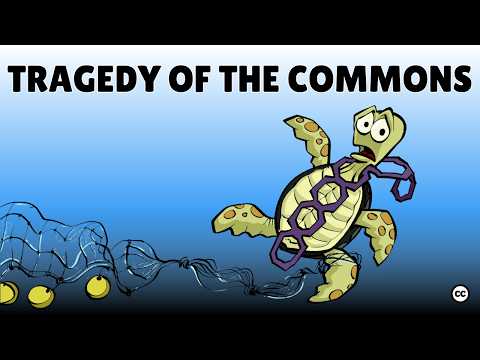
Tragedy of the Commons
0
Summer posted on 2022/09/13Ever wondered how individual actions can harm shared resources, like our oceans? This video dives into the 'Tragedy of the Commons' with real-world examples like plastic pollution, helping you master advanced vocabulary and complex sentence structures. You'll gain fascinating insights into environmental regulation and conservation that are super relevant today!
Learn this video on the APP!
The VoiceTube App has more in-depth practice for videos!