
abuse
US /əˈbjuz/
UK /ə'bju:s/
- Transitive Verb
- To mistreat or be cruel towards someone
- To use in an inappropriate or excessive way
- Noun (Countable/Uncountable)
- Improper/dishonest/excessive use of something
- Insulting someone, e.g. by swearing at them
A2TOEICMoreafter all
US /ˈæftɚ ɔl/
UK /ˈɑ:ftə ɔ:l/
- Adverb
- In spite of what was expected; used to introduce a statement that supports a previous statement or explains why it was made
- Considering everything; used to indicate that something is happening or is true despite some difficulty or obstacle
- Phrase
- Despite what was expected or thought; in spite of everything.
- Taking everything into consideration; considering that.
B1Moreat the hands of
US
UK
- Phrase
- By the agency or through the actions of.
- Through the responsibility or fault of.
A1Moreback down
US /bæk daʊn/
UK /bæk daun/
- Phrasal Verb
- To admit you were wrong; stop claiming
A1Morebeing with
US
UK
- Phrasal Verb
- Accompanying someone; being in someone's presence.
- Supporting someone's opinion or cause.
- Verb (Transitive/Intransitive)
- Accompanying someone; spending time with someone.
- Supporting someone; agreeing with someone.
A1Morecut off
US /kʌt ɔf/
UK /kʌt ɔf/
- Phrasal Verb
- To end a process, e.g. a phone call
- To cut the end of something
- Transitive Verb
- To isolate or prevent access to a place or person.
- To interrupt someone while they are speaking.
A1Moredevelopment
US /dɪˈvɛləpmənt/
UK /dɪ'veləpmənt/
- Noun (Countable/Uncountable)
- Act or process of growing bigger or more advanced
- A new event related to a previous event
A2TOEICMoredrink in
US /drɪŋk ɪn/
UK /driŋk in/
- Phrasal Verb
- To absorb or take in something with great enjoyment.
A1Moreengage in
US /ɪn'gedʒ ɪn/
UK /ɪnˈɡeɪdʒ in/
- Phrasal Verb
- To participate or become involved in something.
B1Moreexcept for
US /ɪkˈsɛpt fɔr/
UK /ikˈsept fɔ:/
- Preposition
- Not including; excluding.
get down on
US /ɡɛt daʊn ɑn/
UK /ɡet daʊn ɒn/
- other
- To criticize or disapprove of someone or something.
B2Moregive up
US /ɡɪv ʌp/
UK /ɡiv ʌp/
- Phrasal Verb
- To lose hope or admit defeat
- To decide to not start to try solving a problem
- Verb Phrase
- to surrender an item; hand over an item
A1Morego out
US /ɡo aʊt/
UK /ɡəu aut/
- Phrase
- To leave a building (e.g. a house)
- Phrasal Verb
- (Of a fire) to burn out; be extinguished
- Go out of fashion to stop being fashionable
A1Moregot to
US /ɡɑt tu/
UK /gɔt tu:/
- Verb (Transitive/Intransitive)
- To arrive at some place
- To have the opportunity or permission to do something
- Phrasal Verb
- To appeal to the emotions of; move
- To finally begin to start something after a delay
A1Morehang in
US /hæŋ ɪn/
UK /hæŋ in/
- Phrasal Verb
- To persevere; to not give up.
A1Morehave to
US /hæv tu/
UK /ˈhæv tə/
- Auxiliary Verb
- Must do
A1Moreinside of
US /ɪnˈsaɪd ʌv/
UK /inˈsaid ɔv/
- Preposition
- Within; in the inner part of.
- Within a certain period of time.
A1Morenext to
US /nɛkst tu/
UK /nekst tu:/
- Preposition
- Being located along side another
- In comparison with
- Adverb
- Almost; nearly
A1Moreof course
US /ʌv kɔː(r)s/
UK /ɔv kɔː(r)s/
- Adverb
- Sure ; Certainly
- Phrase
- For sure; certainly
A2Moreof interest
US /əv ˈɪntrɪst/
UK /əv ˈɪntrəst/
- other
- Relevant or important to someone or something.
B2Moreon the floor
US
UK
- Phrase
- Located on the ground or bottom surface of a room.
- Actively participating in dancing or other floor-based activities.
A1Moreon to
US /ɑn tu/
UK /ɔn tu:/
- Preposition
- Toward something; forward
- Aware of someone's activities.
- Adjective
- Aware of someone's deception or illegal activities.
A1Morephysical
US /ˈfɪzɪkəl/
UK /ˈfɪzɪkl/
- Countable Noun
- Health check at the doctors' or hospital
- Adjective
- Concerning the body of a person
- Concerning things that can be seen or touched
A2Moreportrait
US /ˈpɔrtrɪt,-ˌtret,ˈpor-/
UK /ˈpɔ:trit/
- Noun
- Picture of a person's head and shoulders
- Detailed representation of someone in film, etc.
- Adjective
- A format in which the height is greater than the width.
- Relating to a photograph, painting, drawing, or engraving of a person.
B1Moreregulate
US /ˈrɛɡjəˌlet/
UK /ˈregjuleɪt/
- Transitive Verb
- To control something with rules or laws
- To set/adjust (a clock, etc.); restrict motion in
A2TOEICMoreregulation
US /ˌrɛɡjəˈleʃən/
UK /ˌregjuˈleɪʃn/
- Noun (Countable/Uncountable)
- Act of controlling something with rules or orders
- A rule or directive made and maintained by an authority.
- Noun
A2Moreright next to
US
UK
- Preposition
- Immediately adjacent to; in very close proximity to.
- Figuratively very close to; on the verge of.
A1Morescore
US /skɔr, skor/
UK /skɔ:(r)/
- Noun
- A sharp mark or cut in the surface of something
- Current number of points given in a game, contest
- Transitive Verb
- To mark or cut something with a sharp object
- To get or give points in a game, contest, or test
A2TOEICMoresit out
US /sit aʊt/
UK /sit aut/
- Phrasal Verb
- To refrain from participating in something.
- To wait until something ends.
A1Moreslow down
US /slo daʊn/
UK /sləu daun/
- Phrasal Verb
- To reduce the speed
- To become less active or busy.
A1Morestress
US / strɛs/
UK /stres/
- Transitive Verb
- To emphasize one or more parts of a word, sentence
- To put pressure on something or someone
- Noun (Countable/Uncountable)
- Emphasis on part of a word or sentence
- Pressure on something or someone
A2TOEICMorethe leading cause
US
UK
- Phrase
- The most significant or primary reason for something.
A1Morethink about
US /θɪŋk əˈbaʊt/
UK /θiŋk əˈbaut/
- Phrasal Verb
- To consider something carefully.
- To remember or call to mind.
A1Moreto do with
US
UK
- Phrasal Verb
- To be about something; concern
A1Moretrouble
US /ˈtrʌbəl/
UK /ˈtrʌbl/
- Transitive Verb
- To worry, bother or disturb someone
- To make an effort to do something; bother
- Uncountable Noun
- Lack of public order; disturbance
- State of difficulty or stress
A2TOEICMoreturned out
US
UK
- Phrasal Verb
- To arrive for a public event or entertainment
- To happen to be in the end
- Transitive Verb
- To extinguish or switch off lights.
A1Moreviolence
US /ˈvaɪələns/
UK /ˈvaɪələns/
- Uncountable Noun
- Strong physical force of nature
- Use of physical force to harm someone
B1Morewalk away
US /wɔk əˈwe/
UK /wɔ:k əˈwei/
- Phrasal Verb
- To leave a situation, especially a difficult or unpleasant one.
- To choose not to be involved in something.
A1Morewith it
US /wɪð ɪt/
UK /wið it/
- Adjective
- Intelligent, alert, and up-to-date.
- Understanding and knowledgeable about current trends or information.
A1More
Vocabulary
- have to: Must do
- next to: Being located along side another
- got to: To arrive at some place
- to do with: To be about something; concern
- of course: Sure ; Certainly
- after all: In spite of what was expected; used to introduce a statement that supports a previous statement or explains why it was made
- except for: Not including; excluding.
- give up: To lose hope or admit defeat
- sit out: To refrain from participating in something.
- of interest: Relevant or important to someone or something.
- right next to: Immediately adjacent to; in very close proximity to.
- the leading cause: The most significant or primary reason for something.
- at the hands of: By the agency or through the actions of.
- back down: To admit you were wrong; stop claiming
- walk away: To leave a situation, especially a difficult or unpleasant one.
- hang in: To persevere; to not give up.
- drink in: To absorb or take in something with great enjoyment.
- turned out: To arrive for a public event or entertainment
- inside of: Within; in the inner part of.
- cut off: To end a process, e.g. a phone call
- go out: To leave a building (e.g. a house)
- with it: Intelligent, alert, and up-to-date.
- on to: Toward something; forward
- think about: To consider something carefully.
- slow down: To reduce the speed
- get down on: To criticize or disapprove of someone or something.
- on the floor: Located on the ground or bottom surface of a room.
- engage in: To participate or become involved in something.
- being with: Accompanying someone; being in someone's presence.
- physical: Health check at the doctors' or hospital
- stress: To emphasize one or more parts of a word, sentence
- brain: To strike someone forcefully on the head
- hit: To have a negative impact on a person/place/thing
- study: To focus on learning something usually at school
- development: Act or process of growing bigger or more advanced
- abuse: To mistreat or be cruel towards someone
- portrait: Picture of a person's head and shoulders
- regulate: To control something with rules or laws
- violence: Strong physical force of nature
- score: A sharp mark or cut in the surface of something
- regulation: Act of controlling something with rules or orders
- worry: Something that causes trouble or concern
- trouble: To worry, bother or disturb someone
- early: Coming/happening before others in a time sequence
Get the full experience in the app
Learn anywhere with detailed sentence and usage analysis
01:03
She took a brave step forward, leaving behind her comfort zone to chase her dreams.
Vocabulary
- brave
adj. Having courage
- comfort zone
phr. A familiar situation where one feels safe
Explanation
a brave step is a noun phrase, where brave is an adjective modifying the noun step, meaning "a courageous step".
forward is an adverb modifying step, meaning "ahead".
The whole phrase serves as the object, answering the "what" of took (verb) — she took a brave step forward.
Get the full experience in the app
Look up words anytime with pronunciation, part of speech, and usage
brave
US/brev/
UK/breɪv/
adj.Brave
v.t.To bravely face
A2 Elementary
Get the full experience in the app
Practice speaking anytime and get instant pronunciation feedback
Try this speaking exercise.
Try practicing with this sentence.
80
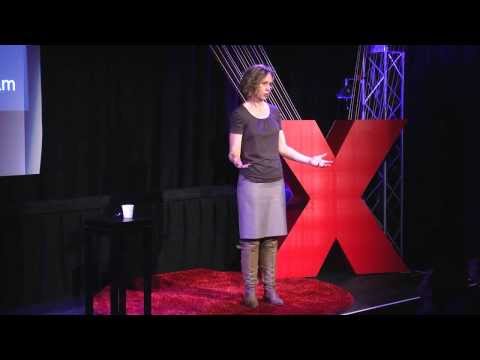
【TEDx】Violence - a family tradition: Robbyn Peters Bennett at TEDxBellingham
0
林雅歌 posted on 2016/02/22Ever wondered how childhood experiences shape us? This powerful TEDx talk dives into the cycle of violence and how we can break it, offering practical insights into child development and positive parenting strategies. You'll pick up advanced vocabulary related to toxic stress and self-regulation, all while exploring a deeply important cultural topic.
Learn this video on the APP!
The VoiceTube App has more in-depth practice for videos!