
alkaline
US /ˈælkəlɪn, -ˌlaɪn/
UK /ˈælkəlaɪn/
- Adjective
- Containing or behaving like an alkali
C1Morealong with
US /əˈlɔŋ wɪð/
UK /əˈlɔŋ wið/
- Preposition
- In addition to; together with.
- Adverb
- In company or together with someone or something.
- Including; in addition to.
A2Morearbitrary
US /ˈɑrbɪˌtrɛri/
UK /ˈɑ:bitrəri/
- Adjective
- (Of decisions) unsupported; without any evidence
- Based on random choice or personal whim, rather than any reason or system.
B1TOEICMorebeam
US /bim/
UK /bi:m/
- Transitive Verb
- To send out information, signals, or light
- Noun (Countable/Uncountable)
- A long piece of metal or wood used in construction
- A line of light or energy
B1Moreby any means
US
UK
- Phrase
- In any way possible, regardless of the method
- Whatever is necessary to achieve something.
A1Morechaos
US /ˈkeˌɑs/
UK /'keɪɒs/
- Noun (plural)
- State of utter confusion or disorder
- Uncountable Noun
- Complete disorder and confusion.
- Behavior so unpredictable as to appear random, owing to great sensitivity to small changes in conditions.
B1Moreconcrete
US /kɑnˈkrit, kɑŋ-, ˈkɑnˌkrit, ˈkɑŋ-/
UK /'kɒŋkri:t/
- Uncountable Noun
- Hard building material made of cement, sand, water
- Transitive Verb
- To cover or make with a hard grey building material
- To lay or cover with concrete.
B1Morecontraction
US /kənˈtrækʃən/
UK /kənˈtrækʃn/
- Uncountable Noun
- Process of becoming smaller in length/size
- Involuntary, often painful tightening of a muscle
B2Morecorrosion
US /kəˈroʒən/
UK /kə'rəʊʒn/
- Uncountable Noun
- Deterioration in metals caused by chemical action
- A gradual decline or weakening of something abstract, such as morals or values.
C1Morecrack
US /kræk/
UK /kræk/
- Noun (Countable/Uncountable)
- Attempt to achieve a goal or objective
- Unexpected and hard hit to the body
- Verb (Transitive/Intransitive)
- To attempt to achieve a goal or objective
- To hit someone or something hard and unexpectedly
B1Moredepending on
US
UK
- Phrasal Verb
- To rely on for support (financial or emotional)
- Influenced or determined by.
- Preposition
- Subject to; contingent on
- Relying on someone or something for support or assistance.
A2Moredue to
US /du tu/
UK /dju: tu:/
- Preposition
- Because of; owing to
- Adjective
- Attributable to; caused by.
A1Moredurable
US /ˈdʊrəbəl, ˈdjʊr-/
UK /ˈdjʊərəbl/
- Adjective
- Able to stay in good condition for a long time
B2TOEICMoreembed
US /ɛmˈbɛd/
UK /ɪm'bed/
- Transitive Verb
- To place or set inside rock, etc.
- To integrate (something) into something else.
B2Moreemerge
US /ɪˈmɚdʒ/
UK /ɪ'mɜ:dʒ/
- Intransitive Verb
- To rise or appear out of some background
- To become known or apparent.
A2TOEICMoreeventually
US /ɪˈvɛntʃuəli/
UK /ɪˈventʃuəli/
- Adverb
- After a long time; after many attempts; in the end
- At some later time; in the future
A2Moreexpansion
US /ɪkˈspænʃən/
UK /ɪkˈspænʃn/
- Noun (Countable/Uncountable)
- Making or becoming larger
- The process of increasing in size, number, or scope, especially in a business context.
B2TOEICMoreexpense
US /ɪkˈspɛns/
UK /ɪk'spens/
- Noun (Countable/Uncountable)
- Money you have to pay to do part of your job
- Paying money for something (big)
- Uncountable Noun
- When resources e.g. time is used to do something
- Expenditure of resources; spending
B1TOEICMoreexposure
US /ɪkˈspoʒɚ/
UK /ɪk'spəʊʒə(r)/
- Noun
- Allowing light through a cameras lens onto film
- Being talked about in the media
A2TOEICMorefiber
US /'faɪbə/
UK /'faɪbə/
- Noun (Countable/Uncountable)
- Basic character and nature of a person
- Stringy substance found in food, e.g. wholewheat
C2Moregauge
US /ɡedʒ/
UK /ɡeɪdʒ/
- Countable Noun
- A tool used to measure things
- The distance between the rails of a railway track.
- Transitive Verb
- To measure or make a judgment about something
- To assess or estimate (a situation or person's feelings).
B2TOEICMorehydraulic
US /haɪˋdrɔlɪk/
UK /haɪˋdrɔlɪk/
- Adjective
- Of a system operated by water or other liquids
B2Morein fact
US /ɪn fækt/
UK /in fækt/
- Adverb
- Used to emphasize the truth of a statement, especially one that contrasts with or contradicts something else.
- Used to introduce a more detailed or surprising piece of information.
- Phrase
- Used to emphasize the truth of a statement, especially one that is surprising or contrary to what might be expected.
C1Morein the future
US /ɪn ði ˈfjutʃɚ/
UK /in ðə ˈfju:tʃə/
- Phrase
- At a later time; in times to come.
A1Morein the past
US
UK
- Phrase
- During a former period of time; previously.
A1Moreinnovation
US /ˌɪnəˈveʃən/
UK /ˌɪnəˈveɪʃn/
- Uncountable Noun
- Process of creating new ideas or inventions
- A new thing or method that is introduced.
B1TOEICMoreinnovative
US /ˈɪnəˌvetɪv/
UK /'ɪnəveɪtɪv/
- Adjective
- Having or using new methods or ideas
B1Moreiron
US /ˈaɪərn/
UK /ˈaɪən/
- Noun (Countable/Uncountable)
- Heavy metal device heated to smooth clothes
- Golf club with a metal head
- Transitive Verb
- To use a hot flat-based machine to smooth clothes
B1Moreissue
US /ˈɪʃu/
UK /'ɪʃu:/
- Transitive Verb
- To make something available to be used or sold
- To deliver a statement, etc. in an official manner
- Noun (Countable/Uncountable)
- Important topic discussed, debated or argued over
- Single edition of a magazine
A2TOEICMorelack
US /læk/
UK /læk/
- Verb (Transitive/Intransitive)
- To not have, or not have enough, of something
- Uncountable Noun
- The state of not having or not having enough of
A2TOEICMorelead to
US /lid tu/
UK /li:d tu:/
- Phrasal Verb
- To result in some action
- Verb (Transitive/Intransitive)
- To have something as a consequence or result.
A1Morelifespan
US /ˈlaɪfspæn/
UK /ˈlaɪfspæn/
- Noun
- Length of time something is expected to last
B2Moremarine
US /məˈrin/
UK /mə'ri:n/
- Countable Noun
- Soldier trained to serve on land and sea
- Adjective
- Of the ocean or ocean plants and animals
- Concerning sailing or doing business by sea
B1Morematerial
US /məˈtɪriəl/
UK /məˈtɪəriəl/
- Noun (Countable/Uncountable)
- Cloth; fabric
- Supplies or data needed to do a certain thing
- Adjective
- Relevant; (of evidence) important or significant
- Belonging to the world of physical things
A2Moremetric
US /ˈmɛtrɪk/
UK /ˈmetrɪk/
- Adjective
- Based on the meter as a standard of measurement
B1Moreminimum
US /ˈmɪnəməm/
UK /ˈmɪnɪməm/
- Noun (Countable/Uncountable)
- Smallest degree or level that is acceptable
- The lowest recorded or expected temperature.
- Adjective
- Smallest or lowest; the least possible.
- Using or requiring the least possible resources.
B1TOEICMoreobvious
US /ˈɑbviəs/
UK /ˈɒbviəs/
- Adjective
- Easily understood and clear; plain to see
- Easy to see or notice.
A2TOEICMoreoffset
US /ˈɔ:fset/
UK /ˈɒfset/
- Transitive Verb
- To compensate for or counterbalance the effect of
- Noun
- Compensation or counterbalance
- A printing technique in which the image is transferred to a rubber surface and then to paper.
B1TOEICMoreon the job
US /ɑn ði dʒɑb/
UK /ɔn ðə dʒɔb/
- Phrase
- While working; during the course of employment.
A1Moreoxide
US /ˈɑ:ksaɪd/
UK /ˈɒksaɪd/
- Noun
- Compound from combining oxygen with a chemical
B2Morepremature
US /ˌpri:məˈtʃʊr/
UK /ˈpremətʃə(r)/
- Adjective
- Happening before the natural or desired time
B2TOEICMorepretend
US /prɪˈtɛnd/
UK /prɪ'tend/
- Verb (Transitive/Intransitive)
- To act as if something is true when it is not
- Adjective
- Not real; imaginary.
A2TOEICMoreprevent
US /prɪˈvɛnt/
UK /prɪ'vent/
- Transitive Verb
- To stop something from happening or existing
A2TOEICMoreprimary
US /ˈpraɪˌmɛri, -məri/
UK /'praɪmərɪ/
- Adjective
- Most important, most basic or essential
- Happening first; earliest
B2Moreprior
US /ˈpraɪɚ/
UK /'praɪə(r)/
- Adjective
- Existing or coming earlier in time
- (Of a claim, etc.) more important than another one
- Noun
- Monk or priest in charge of a monastery
B1TOEICMoreprior to
US /ˈpraɪɚ tu/
UK /ˈpraiə tu:/
- Preposition
- Before a particular time or event.
C1Moreprone
US /proʊn/
UK /prəʊn/
- Adjective
- Lying flat with your head facing the ground
- Likely to have, do or be (usually something bad)
B2TOEICMorereinforce
US /ˌri:ɪnˈfɔ:rs/
UK /ˌri:ɪnˈfɔ:s/
- Transitive Verb
- To send more troops/resources to support an army
- To encourage or strengthen an idea or feeling
B2TOEICMorereinforced concrete
US /ˌriɪnˈfɔrst, -ˈforst/
UK /ˌri:ɪnˈfɔ:st, -ˈfəʊrst/
- Uncountable Noun
- Concrete in which metal bars or mesh are embedded to increase its tensile strength.
C1Morereinforcement
US /ˌriɪnˈfɔrsmənt, -ˈfors-/
UK /ˌri:ɪn'fɔ:smənt/
- Noun
- Act of strengthening or supporting an army
- Act of strengthening or adding support to
B2TOEICMoreresist
US /rɪˈzɪst/
UK /rɪ'zɪst/
- Verb (Transitive/Intransitive)
- To not be affected by e.g. a force or an effect
- To fight or prevent something from happening
A2TOEICMoresaltwater
US /ˈsɔltˌwɔtɚ, -ˌwɑtɚ/
UK /ˈsɔ:ltˌwɔ:tə, -ˌwɔtə/
- Uncountable Noun
- Water containing salts such as the ocean
C2Morescale
US /skel/
UK /skeɪl/
- Noun (Countable/Uncountable)
- Size, level, or amount when compared
- Small hard plates that cover the body of fish
- Verb (Transitive/Intransitive)
- To change the size of but keep the proportions
- To climb something large (e.g. a mountain)
A2TOEICMoresociety
US /səˈsaɪɪti/
UK /sə'saɪətɪ/
- Noun (Countable/Uncountable)
- A group who meet to share values or interests
- Group of people living together
A2TOEICMorestrength
US /strɛŋkθ, strɛŋθ, strɛnθ/
UK /streŋθ/
- Noun (Countable/Uncountable)
- Condition of being strong
- The quality or state of being physically strong.
A2TOEICMorestress
US / strɛs/
UK /stres/
- Transitive Verb
- To emphasize one or more parts of a word, sentence
- To put pressure on something or someone
- Noun (Countable/Uncountable)
- Emphasis on part of a word or sentence
- Pressure on something or someone
A2TOEICMorestretch
US /strɛtʃ/
UK /stretʃ/
- Verb (Transitive/Intransitive)
- To make your arm, leg muscles long to ease them
- To make something bigger by pulling on it
- Noun
- Making arm, leg muscles longer to ease them
- A consecutive row of things
A2TOEICMoretest out
US
UK
- Phrasal Verb
- To try something (such as a new product) to see whether it works properly or is appealing
- To try something new to see if it is effective or works well.
A1Moreto do with
US
UK
- Phrasal Verb
- To be about something; concern
A1Morevolcanic
US /vɑ:lˈkænɪk/
UK /vɒlˈkænɪk/
- Adjective
- (E.g. of a temperament) easily angered; violent
- Of or relating to a volcano or volcanoes
B1More
Vocabulary
- due to: Because of; owing to
- lead to: To result in some action
- in the future: At a later time; in times to come.
- reinforced concrete: Concrete in which metal bars or mesh are embedded to increase its tensile strength.
- depending on: To rely on for support (financial or emotional)
- on the job: While working; during the course of employment.
- by any means: In any way possible, regardless of the method
- test out: To try something (such as a new product) to see whether it works properly or is appealing
- prior to: Before a particular time or event.
- along with: In addition to; together with.
- in fact: Used to emphasize the truth of a statement, especially one that contrasts with or contradicts something else.
- in the past: During a former period of time; previously.
- to do with: To be about something; concern
- eventually: After a long time; after many attempts; in the end
- obvious: Easily understood and clear; plain to see
- pretend: To act as if something is true when it is not
- material: Cloth; fabric
- stretch: To make your arm, leg muscles long to ease them
- scale: Size, level, or amount when compared
- prone: Lying flat with your head facing the ground
- arbitrary: (Of decisions) unsupported; without any evidence
- chaos: State of utter confusion or disorder
- reinforce: To send more troops/resources to support an army
- exposure: Allowing light through a cameras lens onto film
- expect: To believe something is probably going to happen
- strength: Condition of being strong
- stress: To emphasize one or more parts of a word, sentence
- environment: Natural world in which plants and animals live
- failure: When things go wrong; lack of function
- crack: Attempt to achieve a goal or objective
- increase: To make or become larger in size or amount
- prevent: To stop something from happening or existing
- concrete: Hard building material made of cement, sand, water
- lack: To not have, or not have enough, of something
- issue: To make something available to be used or sold
- innovation: Process of creating new ideas or inventions
- resist: To not be affected by e.g. a force or an effect
- wonder: Surprise caused by experiencing something amazing
- premature: Happening before the natural or desired time
- society: A group who meet to share values or interests
- emerge: To rise or appear out of some background
- perform: To carry out an action well or successfully
- simply: In an easy or clear manner
- primary: Most important, most basic or essential
- form: Sports team or person's current winning record
- innovative: Having or using new methods or ideas
- create: To make, cause, or bring into existence
- due: When something is required or expected
- lead: Wire for electricity, computer, etc.; cable
- prior: Existing or coming earlier in time
- provide: To make available; to supply for use
- contraction: Process of becoming smaller in length/size
- fiber: Basic character and nature of a person
- durable: Able to stay in good condition for a long time
- gauge: A tool used to measure things
- lifespan: Length of time something is expected to last
- normal: Standard or regular way of doing something
- marine: Soldier trained to serve on land and sea
- lot: What happens to a person in life from chance; fate
- important: Having power or authority
- reinforcement: Act of strengthening or supporting an army
- expense: Money you have to pay to do part of your job
- offset: To compensate for or counterbalance the effect of
- metric: Based on the meter as a standard of measurement
- minimum: Smallest degree or level that is acceptable
- expansion: Making or becoming larger
- embed: To place or set inside rock, etc.
- iron: Heavy metal device heated to smooth clothes
- beam: To send out information, signals, or light
- volcanic: (E.g. of a temperament) easily angered; violent
- hydraulic: Of a system operated by water or other liquids
- corrosion: Deterioration in metals caused by chemical action
- oxide: Compound from combining oxygen with a chemical
- alkaline: Containing or behaving like an alkali
- saltwater: Water containing salts such as the ocean
Get the full experience in the app
Learn anywhere with detailed sentence and usage analysis
01:03
She took a brave step forward, leaving behind her comfort zone to chase her dreams.
Vocabulary
- brave
adj. Having courage
- comfort zone
phr. A familiar situation where one feels safe
Explanation
a brave step is a noun phrase, where brave is an adjective modifying the noun step, meaning "a courageous step".
forward is an adverb modifying step, meaning "ahead".
The whole phrase serves as the object, answering the "what" of took (verb) — she took a brave step forward.
Get the full experience in the app
Look up words anytime with pronunciation, part of speech, and usage
brave
US/brev/
UK/breɪv/
adj.Brave
v.t.To bravely face
A2 Elementary
Get the full experience in the app
Practice speaking anytime and get instant pronunciation feedback
Try this speaking exercise.
Try practicing with this sentence.
80
Does Rebar Rust?
0
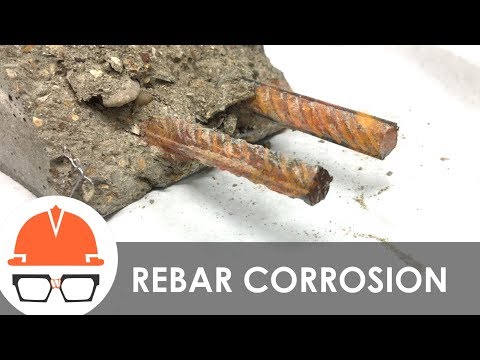
OolongCha posted on 2021/08/12Ever wondered if rebar rusts in concrete? This video dives deep into reinforced concrete and rebar corrosion, explaining practical engineering concepts and showing you how to control cracks. You'll pick up some advanced vocabulary related to concrete durability and engineering innovations that are super useful for workplace practical knowledge!
Learn this video on the APP!
The VoiceTube App has more in-depth practice for videos!