
around the world
US /əˈraʊnd ði wɜrld/
UK /əˈraund ðə wɜː(r)ld/
- Phrase
- In or to many countries.
- In various places throughout the world.
A2Moreas a result of
US
UK
- Phrase
- Because of something; owing to.
A1Morebased on
US
UK
- Phrasal Verb
- To use something as the foundation or starting point for something else.
- Preposition
- Using something as the main idea or foundation.
- Relying on something as evidence or justification.
A1Morebitter
US /ˈbɪtɚ/
UK /'bɪtə(r)/
- Adjective
- Feeling angry and sad over something
- Sharp unpleasant taste (e.g. strong black coffee)
A2Moreblanket
US /ˈblæŋkɪt/
UK /'blæŋkɪt/
- Countable Noun
- Piece of cloth you covers yourself with in bed
- Transitive Verb
- To cover something completely so it cannot be seen
A2TOEICMorebride
US /braɪd/
UK /braɪd/
- Countable Noun
- Woman who is, or who will get married soon
B1Morecalendar
US /ˈkæləndɚ/
UK /ˈkælɪndə(r)/
- Noun (Countable/Uncountable)
- A table showing the days, months and years
- A system for organizing days, weeks, months, and years.
B1Morecarve
US /kɑ:rv/
UK /kɑ:v/
- Transitive Verb
- To cut a piece of cooked meat into thin slices
- To make a cut in, e.g. to write your name on tree
B1Morechain
US /tʃen/
UK /tʃeɪn/
- Transitive Verb
- To feel to be bound or tied to
- To connect or tie with a rope made of metal links
- Noun (Countable/Uncountable)
- Series of events or things that are connected
- Series of (metal) connected links or rings
A2Morechutney
US /ˈtʃʌtni/
UK /ˈtʃʌtni/
- Uncountable Noun
- Spicy condiment of fruits with sugar and spices
C1Moreconnect
US /kəˈnɛkt/
UK /kə'nekt/
- Transitive Verb
- To associate a thing with something else
- To join or attach things together
A2Moreconnected with
US
UK
- Phrase
- Related to; associated with.
- Involved with; having a relationship with.
- Phrasal Verb
- Was associated or linked to someone or something.
- Felt understanding or empathy with someone or something.
B1Morediscover
US /dɪˈskʌvɚ/
UK /dɪˈskʌvə(r)/
- Transitive Verb
- To find something new that was not known before
- To learn or find out (something previously unknown or secret).
A2TOEICMoredo in
US
UK
- Phrasal Verb
- To make completely tired out and exhausted
- To destroy or cause damage to someone
A1Morefor example
US
UK
- Phrase
- As an illustration or instance.
for now
US /fɔr naʊ/
UK /fɔ: nau/
- Phrase
- Temporarily; for the present time.
- In the short term; for the immediate future.
A1Morefor sure
US /fɔr ʃʊr/
UK /fɔ: ʃuə/
- Adverb
- Definitely; certainly; without a doubt.
- Used to emphasize a statement.
- Interjection
- An expression of strong agreement or affirmation.
A2Moregarlic
US /ˈɡɑrlɪk/
UK /'ɡɑ:lɪk/
- Noun (Countable/Uncountable)
- Strong-smelling white bulb used in cooking
B2Moregroom
US /ɡrum, ɡrʊm/
UK /gru:m/
- Transitive Verb
- To make neat and smart in appearance
- To take care of an animal by brushing, cleaning it
- Countable Noun
- Man employed to brush, trim and clean horses
- Man who is, or who has recently married
B1TOEICMoreharm
US /hɑrm/
UK /hɑ:m/
- Transitive Verb
- To damage, injure, or hurt someone or something
- Noun
- Damage or injury
A2Moreharmful
US /ˈhɑ:rmfl/
UK /ˈhɑ:mfl/
- Adjective
- Likely to cause damage or injury
A2TOEICMorehindu
US
UK
- Adjective
- Of or relating to or supporting Hinduism
C2Morehistorian
US /hɪˈstɔriən/
UK /hɪˈstɔ:riən/
- Noun
- Someone who studies the course of history
B1Morein fact
US /ɪn fækt/
UK /in fækt/
- Adverb
- Used to emphasize the truth of a statement, especially one that contrasts with or contradicts something else.
- Used to introduce a more detailed or surprising piece of information.
- Phrase
- Used to emphasize the truth of a statement, especially one that is surprising or contrary to what might be expected.
C1Morein the future
US /ɪn ði ˈfjutʃɚ/
UK /in ðə ˈfju:tʃə/
- Phrase
- At a later time; in times to come.
A1Moreinstead of
US /ɪnˈstɛd ʌv/
UK /inˈsted ɔv/
- Preposition
- When one thing is replaced by another
- Adverb
- As a substitute or alternative.
A1Morelook at
US /lʊk æt/
UK /luk æt/
- Phrasal Verb
- To use your eyes to focus on something
- To focus your eyes on something carefully
A1Moremystery
US /ˈmɪstəri/
UK /ˈmɪstri/
- Noun (Countable/Uncountable)
- Quality of being strange and not understood
- Book, play, or film about solving a strange crime
A2Moreon the floor
US
UK
- Phrase
- Located on the ground or bottom surface of a room.
- Actively participating in dancing or other floor-based activities.
A1Moreoriginally
US /əˈrɪdʒənəli/
UK /əˈrɪdʒənəli/
- Adverb
- At first; in the beginning
- In a new and unique manner
A2TOEICMoreover time
US /ˈovɚ taɪm/
UK /ˈəuvə taim/
- Phrase
- Gradually; as time passes.
- During a long period.
- Adverb
- Gradually; as time passes.
B1Morephrase
US /frez/
UK /freɪz/
- Noun
- Common expression or saying
- Section of musical notes in a piece of music
- Verb (Transitive/Intransitive)
- To choose words to say what you mean clearly
A2Morequiz
US /kwɪz/
UK /kwɪz/
- Noun (Countable/Uncountable)
- A game in which players answer questions on topics
- Brief spoken or written test, given to students
- Transitive Verb
- To ask a person many questions about something
B1Morequiz question
US
UK
- Countable Noun
- A question asked in a quiz to test someone's knowledge.
A2Morerather than
US
UK
- Adverb
- More exactly; more correctly
- Preferably; instead
- Preposition
- Instead of
A1Morerational
US /ˈræʃənəl/
UK /'ræʃnəl/
- Adjective
- Able to think clearly
- A real number that can be written as a ratio of two integers.
- Noun
- A rational person.
A2TOEICMorerecap
US /riˈkæp/
UK /'ri:kæp/
- Noun
- Brief description of something that had been said
- Transitive Verb
- To describe or summarize the main points
C1TOEICMorerelate
US /rɪˈlet/
UK /rɪ'leɪt/
- Transitive Verb
- To demonstrate a logical relationship between
- To understand or sympathize with, e.g. a problem
A2TOEICMorerepel
US /rɪˈpɛl/
UK /rɪ'pel/
- Transitive Verb
- To make or force someone or something go away
- To cause someone to feel disgust.
B2TOEICMorescare away
US
UK
- Phrasal Verb
- To frighten someone or something so that they go away.
A2Morescience
US /ˈsaɪəns/
UK /'saɪəns/
- Uncountable Noun
- Study of the physical world, based on facts
A2TOEICMorescientific
US /ˌsaɪənˈtɪfɪk/
UK /ˌsaɪənˈtɪfɪk/
- Adjective
- Concerning academic study of the physical world
- Systematic and precise, following a methodology.
- Noun
- Relating to or used in science.
A2Moresour
US /saʊr/
UK /ˈsaʊə(r)/
- Intransitive Verb
- (Of relationship) to cease to be good or friendly
- Adjective
- Being mean and not friendly
- Spoiled or made more acidic
B2Morespill
US /spɪl/
UK /spɪl/
- Noun
- Accident when someone falls
- Act of allowing a fluid to escape
- Verb (Transitive/Intransitive)
- To come out of and spread beyond limits
- To tell secrets or let information escape
B1Morespot
US /spɑt/
UK /spɒt/
- Noun
- A certain place or area
- A difficult time; awkward situation
- Transitive Verb
- To see someone or something by chance
A2TOEICMoresprinkle
US /ˈsprɪŋkəl/
UK /'sprɪŋkl/
- Transitive Verb
- To throw a little water on something
- To scatter (e.g. salt) in drops using the fingers
B2Moresuperstition
US /ˌsu:pərˈstɪʃn/
UK /ˌsu:pəˈstɪʃn/
- Noun
- Unproven belief that some things are lucky/unlucky
C2Moresuperstitious
US /ˌsu:pərˈstɪʃəs/
UK /ˌsu:pəˈstɪʃəs/
- Adjective
- Believing certain things are lucky/unlucky
C2Moretalking about
US
UK
- Phrasal Verb
- To discuss a particular topic.
- To be constantly mentioning or bringing up a subject.
A1Moretradition
US /trəˈdɪʃən/
UK /trəˈdɪʃn/
- Noun (Countable/Uncountable)
- An event, custom or way common to a people or race
- Way of thinking or behaving used for a long time
B1TOEICMoretry out
US /traɪ aʊt/
UK /trai aut/
- Phrasal Verb
- To try to win a place on a team in a group
- To test briefly to determine how well it works
A1Moreunusual
US /ʌnˈjuʒuəl/
UK /ʌnˈju:ʒuəl/
- Adjective
- Being rare or uncommon; not ordinary; strange
- Remarkable or interesting because different from or better than others.
B1Moreused to
US /juzd tu/
UK /ˈju:st tə/
- Adjective
- Did regularly before, but don't do now
- Auxiliary Verb
- Have done before, but do not do now
A1Morevinegar
US /ˈvɪnɪɡɚ/
UK /ˈvɪnɪgə(r)/
- Uncountable Noun
- Sharp-tasting liquid made from sour wine, malt etc.
B1Morevocabulary
US /voˈkæbjəˌlɛri/
UK /və'kæbjələrɪ/
- Uncountable Noun
- Words that have to do with a particular subject
- The words that a person knows
B1TOEICMoreward
US /wɔ:rd/
UK /wɔ:d/
- Proper Noun
- Person's name
- Noun
- Child legally protected and cared for by a court
- Section or part of a town or city
B1Moreward off
US /wɔrd ɔf/
UK /wɔ:d ɔf/
- Phrasal Verb
- To avert, deflect, or repel (something dangerous or undesirable).
A2More
Vocabulary
- ward off: To avert, deflect, or repel (something dangerous or undesirable).
- based on: To use something as the foundation or starting point for something else.
- quiz question: A question asked in a quiz to test someone's knowledge.
- scare away: To frighten someone or something so that they go away.
- used to: Did regularly before, but don't do now
- connected with: Related to; associated with.
- in the future: At a later time; in times to come.
- instead of: When one thing is replaced by another
- on the floor: Located on the ground or bottom surface of a room.
- talking about: To discuss a particular topic.
- rather than: More exactly; more correctly
- for example: As an illustration or instance.
- for sure: Definitely; certainly; without a doubt.
- around the world: In or to many countries.
- over time: Gradually; as time passes.
- as a result of: Because of something; owing to.
- do in: To make completely tired out and exhausted
- look at: To use your eyes to focus on something
- in fact: Used to emphasize the truth of a statement, especially one that contrasts with or contradicts something else.
- try out: To try to win a place on a team in a group
- for now: Temporarily; for the present time.
- sort: To organize things by putting them into groups
- phrase: Common expression or saying
- recap: Brief description of something that had been said
- term: Conditions applying to an agreement, contract
- vocabulary: Words that have to do with a particular subject
- experience: Thing a person has done or that happened to them
- spot: A certain place or area
- describe: To tell the appearance, sound, smell of something
- rational: Able to think clearly
- mean: Average of a set of numbers
- apply: To spread a substance or liquid over a surface
- scientific: Concerning academic study of the physical world
- introduce: To open an essay to set the scene
- throw: To use your arm to make something fly in the air
- relate: To demonstrate a logical relationship between
- quiz: A game in which players answer questions on topics
- bitter: Feeling angry and sad over something
- mystery: Quality of being strange and not understood
- vinegar: Sharp-tasting liquid made from sour wine, malt etc.
- groom: To make neat and smart in appearance
- calendar: A table showing the days, months and years
- spill: Accident when someone falls
- blanket: Piece of cloth you covers yourself with in bed
- science: Study of the physical world, based on facts
- harmful: Likely to cause damage or injury
- learn: To get knowledge or skills by study or experience
- garlic: Strong-smelling white bulb used in cooking
- carve: To cut a piece of cooked meat into thin slices
- harm: To damage, injure, or hurt someone or something
- programme: A plan or schedule of events
- chain: To feel to be bound or tied to
- connect: To associate a thing with something else
- sour: (Of relationship) to cease to be good or friendly
- originally: At first; in the beginning
- sprinkle: To throw a little water on something
- question: To ask for or try to get information
- bride: Woman who is, or who will get married soon
- discover: To find something new that was not known before
- prepare: To make something ready for use
- repel: To make or force someone or something go away
- future: Time that is to come after the present
- unusual: Being rare or uncommon; not ordinary; strange
- superstition: Unproven belief that some things are lucky/unlucky
- start: First time or place that a thing exists; beginning
- ward: Person's name
- service: Work that a person does to assist others
- tradition: An event, custom or way common to a people or race
- superstitious: Believing certain things are lucky/unlucky
- historian: Someone who studies the course of history
- chutney: Spicy condiment of fruits with sugar and spices
- hindu: Of or relating to or supporting Hinduism
Get the full experience in the app
Learn anywhere with detailed sentence and usage analysis
01:03
She took a brave step forward, leaving behind her comfort zone to chase her dreams.
Vocabulary
- brave
adj. Having courage
- comfort zone
phr. A familiar situation where one feels safe
Explanation
a brave step is a noun phrase, where brave is an adjective modifying the noun step, meaning "a courageous step".
forward is an adverb modifying step, meaning "ahead".
The whole phrase serves as the object, answering the "what" of took (verb) — she took a brave step forward.
Get the full experience in the app
Look up words anytime with pronunciation, part of speech, and usage
brave
US/brev/
UK/breɪv/
adj.Brave
v.t.To bravely face
A2 Elementary
Get the full experience in the app
Practice speaking anytime and get instant pronunciation feedback
Try this speaking exercise.
Try practicing with this sentence.
80
0
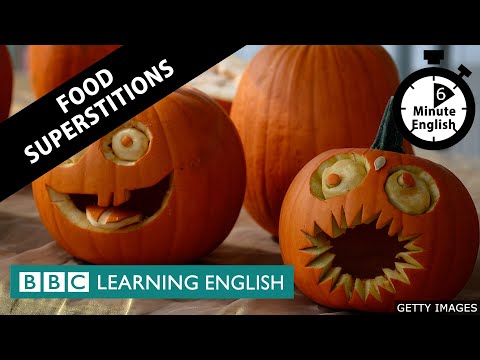
林宜悉 posted on 2021/06/26Ever wondered why spilling salt is bad luck or what's the deal with jack-o'-lanterns? This "6 Minute English" episode dives into fascinating food superstitions from around the world, helping you pick up tons of new vocabulary and understand cultural traditions. You'll even get a chance to test your knowledge with a fun quiz question!
Learn this video on the APP!
The VoiceTube App has more in-depth practice for videos!