
ability
US /əˈbɪlɪti/
UK /ə'bɪlətɪ/
- Noun (Countable/Uncountable)
- The power, resources or skill to do something
- A particular skill or talent.
A2TOEICMoreace
US /es/
UK /eɪs/
- Countable Noun
- Highest value card in a game of cards
- Best player
- Intransitive Verb
- To get a perfect score on a test; be successful
B1Moreaddition
US /əˈdɪʃən/
UK /əˈdɪʃn/
- Noun (Countable/Uncountable)
- Act of adding something; thing that is added
- The process of calculating the total of two or more numbers or amounts
A2TOEICMoreallergy
US /ˈælərdʒi/
UK /ˈælədʒi/
- Noun
- Sensitivity to foods, etc. causing a bad reaction
B2Moreanalyze
US /ˈænəˌlaɪz/
UK /'ænəlaɪz/
- Transitive Verb
- To study carefully to find out the meaning of
B1TOEICMoreanti
US /ˈæntaɪ, -ti/
UK /'æntɪ/
- Adjective
- A prefix meaning 'against' or 'opposed'
B2Moreapprove
US /əˈpruv/
UK /əˈpru:v/
- Transitive Verb
- To formally accept something or grant permission
- To have a positive opinion of someone or something
A2TOEICMorearthritis
US /ɑrˈθraɪtɪs/
UK /ɑ:ˈθraɪtɪs/
- Noun
- Diseases of the joints often with painful swelling
B2Morebark
US /bɑ:rk/
UK /bɑ:k/
- Intransitive Verb
- To make the loud sound of a dog (when angry)
- Noun
- Sound made by a dog
- Tough outer covering of a tree or other plant
B1Morechemical
US /ˈkɛmɪkəl/
UK /ˈkemɪkl/
- Noun (Countable/Uncountable)
- Basic substance produced by mixing elements
- The branch of science concerned with the substances of which matter is composed, the investigation of their properties and reactions, and the use of such reactions to form new substances.
- Adjective
- Made of various elements
A2Moreconclude
US /kənˈklud/
UK /kənˈklu:d/
- Verb (Transitive/Intransitive)
- To finish or cause to finish; end
- To arrive at a judgment or opinion
A2Morecorona
US /kəˈronə/
UK /kə'rəʊnə/
- Noun
- Outermost region of the sun's atmosphere
C1Morecrucially
US
UK
- Adverb
- To an extremely important or necessary degree
B1Morecure
US /kjʊr/
UK /kjʊə(r)/
- Noun
- Something that solves a problem or makes it better
- Medical treatment making a sick person healthy
- Transitive Verb
- To fix or improve a problem
- To make someone healthy or make a disease go away
B1Moredamage
US /ˈdæmɪdʒ/
UK /ˈdæmɪdʒ/
- Noun (Countable/Uncountable)
- Physical harm that is done to something
- Transitive Verb
- To harm physically; to hurt or break something
- To harm the reputation of someone.
A2TOEICMoredrug
US /drʌɡ/
UK /drʌɡ/
- Noun (Countable/Uncountable)
- Illegal substance taken for effect on the mind
- Chemical used as a medicine
- Transitive Verb
- To give drugs to someone to make them sleep
A2Moreemergency
US /ɪˈmɚdʒənsi/
UK /ɪ'mɜ:dʒənsɪ/
- Noun (Countable/Uncountable)
- Sudden event needing an immediate action
- A medical condition manifesting itself by acute symptoms of sufficient severity such that the absence of immediate medical attention could reasonably be expected to result in placing the patient's health in serious jeopardy.
- Adjective
- Used in an emergency; for use when something dangerous happens.
- Designed for use in an emergency.
A2TOEICMoreevidence of
US
UK
- Phrase
- Facts, objects, or signs that make you believe that something is true.
- Something that shows that something else exists or is true.
A1Morefavorable
US /ˈfevərəbəl, ˈfevrə-/
UK /'feɪvərəbl/
- Adjective
- When a good result or positive outcome is likely
B2TOEICMorefor that matter
US /fɔr ðæt ˈmætɚ/
UK /fɔ: ðæt ˈmætə/
- Phrase
- Used to emphasize that something is true or likely to happen, or to introduce a related point.
- Used to introduce a statement that supports or strengthens a previous statement.
A2Morehalt
US /hɔlt/
UK /hɔ:lt/
- Verb (Transitive/Intransitive)
- To stop, or cause something, e.g. a car, to stop
- Noun
- A temporary or final stop.
B1TOEICMorehave on
US /hæv ɑn/
UK /hæv ɔn/
- Phrasal Verb
- To be wearing something.
- To deceive or trick someone, often in a playful way.
A1Morehear of
US /hɪr ʌv/
UK /hiə ɔv/
- Phrasal Verb
- To know about someone or something because you have been told about them
A1Morehydrogen
US /ˈhaɪdrədʒən/
UK /ˈhaɪdrədʒən/
- Uncountable Noun
- Lightest of all chemical elements
B1Moreimmune
US /ɪˈmjoon/
UK /ɪˈmju:n/
- Adjective
- Having a special protection from, e.g. the law
- Protected against a particular disease or condition because of antibodies or vaccination.
B1Morein fact
US /ɪn fækt/
UK /in fækt/
- Adverb
- Used to emphasize the truth of a statement, especially one that contrasts with or contradicts something else.
- Used to introduce a more detailed or surprising piece of information.
- Phrase
- Used to emphasize the truth of a statement, especially one that is surprising or contrary to what might be expected.
C1Morein the first place
US
UK
- Phrase
- To begin with; as the first point or consideration.
- From the beginning; initially.
A1Morein the past
US
UK
- Phrase
- During a former period of time; previously.
A1Moreinadvertently
US /ˌɪnədˈvɜ:rtəntli/
UK /ˌɪnədˈvɜ:təntli/
- Adverb
- Without intention, accidentally
B2Morelimit
US /ˈlɪmɪt/
UK /'lɪmɪt/
- Noun (Countable/Uncountable)
- Point beyond which it is not possible to go
- A line or edge marking the boundary of an area.
- Transitive Verb
- To stop or prevent an increase past a point
A2TOEICMorelupus
US /'lu:pəs/
UK /'lu:pəs/
- Noun
- Constellation in the southern hemisphere near Centaurus
C2Moremalaria
US /məˈlɛriə/
UK /məˈleəriə/
- Noun
- Disease caused by being bitten by a mosquito
B2Moremedication
US /ˌmɛdɪˈkeʃən/
UK /ˌmedɪˈkeɪʃn/
- Noun (Countable/Uncountable)
- Substance to relieve pain or cure sickness
B2Moremortality
US /mɔrˈtælɪti/
UK /mɔ:ˈtæləti/
- Uncountable Noun
- Quality or state of being capable of dying
- The state of being subject to death; the proportion of deaths to population.
B2Morenausea
US /ˈnɔziə, -ʒə, -siə, -ʃə/
UK /ˈnɔ:ziə/
- Uncountable Noun
- Feeling of sickness so that you feel like vomiting
- A feeling of revulsion; disgust.
B2Moreobservation
US /ˌɑbzɚˈveʃən/
UK /ˌɒbzəˈveɪʃn/
- Noun (Countable/Uncountable)
- Remark or comment on something you noticed
- Practice of performing actions required by rules
B1Moreof late
US
UK
- Phrase
- Recently; lately.
A1Moreorganization
US /ˌɔrɡənɪˈzeʃən/
UK /ˌɔ:gənaɪˈzeɪʃn/
- Noun (Countable/Uncountable)
- Group of people with a particular purpose
- The way in which something is structured or arranged.
A2Moreoutcome
US /ˈaʊtˌkʌm/
UK /ˈaʊtkʌm/
- Noun
- Something that happens as a result, consequence
A2Moreoverdrive
US /ˈoʊvərdraɪv/
UK /ˈəʊvədraɪv/
- Noun
- Extra gear on a vehicle that allows more power
C1Morepan out
US /pæn aʊt/
UK /pæn aut/
- Phrasal Verb
- (Of events) to happen as you expected them to
- To develop in a particular way.
A2Moreplay in
US
UK
- Phrasal Verb
- To participate or compete in a game or competition.
- To have a role in a theatrical production.
A1Morepotential
US /pəˈtɛnʃəl/
UK /pəˈtenʃl/
- Adjective
- Capable of happening or becoming reality
- Having or showing the capacity to develop into something in the future.
- Uncountable Noun
- someone's or something's ability to develop, achieve, or succeed
A2TOEICMorepotentially
US /pəˈtɛnʃəlɪ/
UK /pə'tenʃəlɪ/
- Adverb
- That could happen or become reality
B1Moreprescription
US /prɪˈskrɪpʃən/
UK /prɪˈskrɪpʃn/
- Noun
- Specific medicine officially ordered for a patient
- Set of appropriate guidelines for something
B2TOEICMorepreventive
US /prɪˈvɛntɪv/
UK /prɪˈventɪv/
- Adjective
- Done to stop something bad happening
B1TOEICMoreprove
US /pruv/
UK /pru:v/
- Transitive Verb
- To demonstrate truth by providing evidence
- To test the quality or worth of something.
- Intransitive Verb
- To turn out to be; be found to be.
A2TOEICMorepulmonary
US /ˈpʌlməneri/
UK /ˈpʌlmənəri/
- Adjective
- Concerning the lungs/disease of the lungs
C1Morereceptor
US /rɪˈseptər /
UK /rɪˈseptə(r)/
- Noun
- A nerve ending that changes stimuli into impulses
B2Morerhythm
US /ˈrɪðəm/
UK /ˈrɪðəm/
- Noun (Countable/Uncountable)
- Pattern of events, motions, or changes
- A pattern of sound and beats in music
A2Moreslight
US /slaɪt/
UK /slaɪt/
- Adjective
- Small (amount, quality)
- Appearing thin, delicate and physically weak
- Transitive Verb
- To ignore or treat rudely and with no respect
B1Moresmother
US /ˈsmʌðɚ/
UK /'smʌðə(r)/
- Transitive Verb
- To cover something or someone completely
- To conceal bad news to stop others knowing
B2Moresubstantial
US /səbˈstænʃəl/
UK /səbˈstænʃl/
- Adjective
- (Of a meal) able to satisfy your hunger; filling
- Being large in degree, quantity, or size
C2TOEICMoresuch as
US /sʌtʃ æz/
UK /sʌtʃ æz/
- Preposition
- For example; like
A1Moresuppress
US /səˈprɛs/
UK /səˈpres/
- Transitive Verb
- To prevent the display of emotion or feeling
- To use force to prevent something happening
B1TOEICMoresusceptible
US /səˈsɛptəbəl/
UK /səˈseptəbl/
- Adjective
- Likely to fall prey to, be drawn to or influenced
- At risk of developing a certain illness or problem
B2TOEICMoresynthetic
US /sɪnˈθɛtɪk/
UK /sɪnˈθetɪk/
- Adjective
- Not natural; made from artificial materials
B2Moretoxic
US /ˈtɑksɪk/
UK /ˈtɒksɪk/
- Adjective
- Poisonous; harmful
- (Of relationships) harmful; causing conflict
B2Moretreatment
US /ˈtritmənt/
UK /ˈtri:tmənt/
- Noun (Countable/Uncountable)
- Medicine or method to make someone healthier
- Way someone acts toward another
A2TOEICMoretrigger
US /ˈtrɪɡɚ/
UK /'trɪɡə(r)/
- Noun
- Lever on a gun that you pull to fire
- Device that starts a process
- Transitive Verb
- To start a process off e.g. a memory
- To cause something to begin or happen.
B1Moreturn out
US /tɚn aʊt/
UK /tə:n aut/
- Phrasal Verb
- To arrive for a public event or entertainment
- To happen to be in the end
A1Morevirus
US /ˈvaɪrəs/
UK /'vaɪrəs/
- Noun
- File secretly put on computers to cause harm
- Living organism that causes disease or sickness
B1Morework in
US /wɚk ɪn/
UK /wə:k in/
- Phrasal Verb
- To make an opening for something in your schedule
- To fit person/thing into a schedule or sequence
A1More
Vocabulary
- in fact: Used to emphasize the truth of a statement, especially one that contrasts with or contradicts something else.
- such as: For example; like
- turn out: To arrive for a public event or entertainment
- in the past: During a former period of time; previously.
- in the first place: To begin with; as the first point or consideration.
- play in: To participate or compete in a game or competition.
- have on: To be wearing something.
- work in: To make an opening for something in your schedule
- for that matter: Used to emphasize that something is true or likely to happen, or to introduce a related point.
- evidence of: Facts, objects, or signs that make you believe that something is true.
- hear of: To know about someone or something because you have been told about them
- of late: Recently; lately.
- pan out: (Of events) to happen as you expected them to
- potential: Capable of happening or becoming reality
- susceptible: Likely to fall prey to, be drawn to or influenced
- immune: Having a special protection from, e.g. the law
- rhythm: Pattern of events, motions, or changes
- trigger: Lever on a gun that you pull to fire
- evidence: Factual proof that helps to establish the truth
- potentially: That could happen or become reality
- mortality: Quality or state of being capable of dying
- ability: The power, resources or skill to do something
- toxic: Poisonous; harmful
- nausea: Feeling of sickness so that you feel like vomiting
- similar: Nearly the same; alike
- prescription: Specific medicine officially ordered for a patient
- synthetic: Not natural; made from artificial materials
- suppress: To prevent the display of emotion or feeling
- effect: An advantage, benefit
- substantial: (Of a meal) able to satisfy your hunger; filling
- outcome: Something that happens as a result, consequence
- halt: To stop, or cause something, e.g. a car, to stop
- emergency: Sudden event needing an immediate action
- inadvertently: Without intention, accidentally
- prove: To demonstrate truth by providing evidence
- analyze: To study carefully to find out the meaning of
- observation: Remark or comment on something you noticed
- cure: Something that solves a problem or makes it better
- treatment: Medicine or method to make someone healthier
- slight: Small (amount, quality)
- coronavirus: Any of a group of RNA viruses that cause a variety of diseases in humans and other animals.
- activity: An action or task, e.g. sports, washing clothes
- chemical: Basic substance produced by mixing elements
- allergy: Sensitivity to foods, etc. causing a bad reaction
- limit: Point beyond which it is not possible to go
- promise: To say you will certainly do something
- fact: Something that is known or proved to be true
- malaria: Disease caused by being bitten by a mosquito
- organization: Group of people with a particular purpose
- arthritis: Diseases of the joints often with painful swelling
- damage: Physical harm that is done to something
- hydrogen: Lightest of all chemical elements
- receptor: A nerve ending that changes stimuli into impulses
- virus: File secretly put on computers to cause harm
- turn: To become (a particular age)
- conclude: To finish or cause to finish; end
- addition: Act of adding something; thing that is added
- medication: Substance to relieve pain or cure sickness
- approve: To formally accept something or grant permission
- drug: Illegal substance taken for effect on the mind
- popular: Liked or enjoyed by many people
- world: All the humans, events, activities on the earth
- entry: Act of entering a room, building, party
- side: To decide to agree with one point, not the other
- human: A person; a man, woman or child
- fight: To argue or quarrel with someone about something
- heart: A feeling of care for others; compassion
- anti: A prefix meaning 'against' or 'opposed'
- overdrive: Extra gear on a vehicle that allows more power
- crucially: To an extremely important or necessary degree
- ace: Highest value card in a game of cards
- preventive: Done to stop something bad happening
- bark: To make the loud sound of a dog (when angry)
- favorable: When a good result or positive outcome is likely
- smother: To cover something or someone completely
- corona: Outermost region of the sun's atmosphere
- pulmonary: Concerning the lungs/disease of the lungs
- lupus: Constellation in the southern hemisphere near Centaurus
Get the full experience in the app
Learn anywhere with detailed sentence and usage analysis
01:03
She took a brave step forward, leaving behind her comfort zone to chase her dreams.
Vocabulary
- brave
adj. Having courage
- comfort zone
phr. A familiar situation where one feels safe
Explanation
a brave step is a noun phrase, where brave is an adjective modifying the noun step, meaning "a courageous step".
forward is an adverb modifying step, meaning "ahead".
The whole phrase serves as the object, answering the "what" of took (verb) — she took a brave step forward.
Get the full experience in the app
Look up words anytime with pronunciation, part of speech, and usage
brave
US/brev/
UK/breɪv/
adj.Brave
v.t.To bravely face
A2 Elementary
Get the full experience in the app
Practice speaking anytime and get instant pronunciation feedback
Try this speaking exercise.
Try practicing with this sentence.
80
0
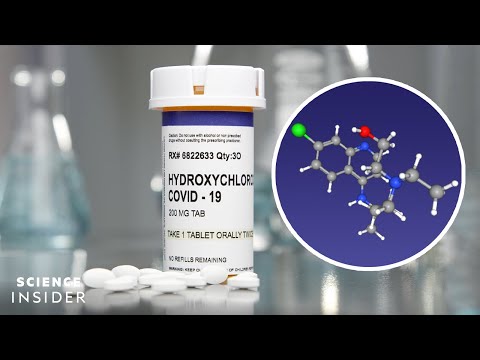
林宜悉 posted on 2021/03/15Ever wondered about hydroxychloroquine and its connection to COVID-19? This video dives deep into the science behind this drug, explaining its antiviral mechanisms and the results of clinical trials. You'll boost your understanding of complex medical terms and learn about important scientific discussions!
Learn this video on the APP!
The VoiceTube App has more in-depth practice for videos!