
abdominal
US /æbˈdɑ:mɪnl/
UK /æbˈdɒmɪnl/
- Adjective
- Concerned with the stomach area of a body
- Countable Noun
- An abdominal muscle.
C1Moreaccurate
US /ˈækjərɪt/
UK /ˈækjərət/
- Adjective
- With no mistake or error; Correct
A2Moreacute
US /əˈkjut/
UK /əˈkju:t/
- Adjective
- (Of an angle in math) of less than 90 degrees
- Strong; very serious or severe
B1Moreadmit
US /ædˈmɪt/
UK /əd'mɪt/
- Transitive Verb
- To acknowledge that something is true or right
- To allow someone to enter
A2TOEICMoreaffect
US /əˈfɛkt/
UK /ə'fekt/
- Transitive Verb
- To cause a change in something else
- To pretend to have or feel (something).
- Noun
- (Psychology) Emotion or feeling.
A2TOEICMoreappetite
US /ˈæpɪˌtaɪt/
UK /'æpɪtaɪt/
- Noun
- Feeling of hunger or desire for something
B1Moreassessment
US /əˈsɛsmənt/
UK /əˈsesmənt/
- Noun
- Conclusion, opinion formed after due consideration
B1TOEICMoreaverage
US /ˈævərɪdʒ, ˈævrɪdʒ/
UK /'ævərɪdʒ/
- Noun (Countable/Uncountable)
- Total of numbers divided by the number of items
- Transitive Verb
- To add numbers then divide by the number of items
A2TOEICMoreby day
US /baɪ de/
UK /bai dei/
- Phrase
- During the daytime; not at night.
A2Morecapture
US /ˈkæptʃɚ/
UK /'kæptʃə(r)/
- Transitive Verb
- To attract and hold e.g. interest, attention
- To record, tape, or film something
- Noun
- The act of seizing or taking control of something.
B1Morecardiac
US /ˈkɑ:rdiæk/
UK /ˈkɑ:diæk/
- Adjective
- Concerning the heart
B2Morecause
US /kɔz/
UK /kɔ:z/
- Noun
- Belief, goal or organization that people support
- Reason for
- Transitive Verb
- To make something happen; create effect or result
A2Morecease
US /sis/
UK /si:s/
- Verb (Transitive/Intransitive)
- To come or bring to an end; stop continuing
B1Morecondition
US /kənˈdɪʃən/
UK /kənˈdɪʃn/
- Transitive Verb
- To improve something to make it better
- To cause to behave automatically in a certain way
- Noun (Countable/Uncountable)
- Disease or other medical problem
- The state of living you are in, e.g. good health
A2Moreconduct
US / kənˈdʌkt/
UK /kənˈdʌkt/
- Uncountable Noun
- Your behavior
- Verb (Transitive/Intransitive)
- To behave in a certain way; e.g. at a party
- To let electricity or heat travel through
B1TOEICMoreconsume
US /kənˈsum/
UK /kən'sju:m/
- Transitive Verb
- To eat, drink, buy or use up something
- To take all your energy; focus the attention
A2TOEICMorediarrhea
US /ˌdaɪəˈriə/
UK /ˌdaɪə'rɪə/
- Uncountable Noun
- Frequent and watery bowel movements
- Frequent and watery bowel movements
C1Moredischarge
US /dɪsˈtʃɑ:rdʒ/
UK /dɪsˈtʃɑ:dʒ/
- Transitive Verb
- To complete a task that has been assigned
- To produce or release a substance
- Noun (Countable/Uncountable)
- A substance that has been released
- The retirement of someone from service e.g. army
B1Moredistress
US /dɪˈstrɛs/
UK /dɪ'stres/
- Uncountable Noun
- State of great sadness, anxiety or pain
- Condition of danger or emergency
- Transitive Verb
- To cause someone anxiety or sadness
- To be in financial trouble
B1Morefatality
US /feˈtælɪti, fə-/
UK /fə'tælətɪ/
- Noun
- Death resulting from an accident or a disaster
B1Morefever
US /ˈfivɚ/
UK /'fi:və(r)/
- Noun (Countable/Uncountable)
- A high body temperature, indicating illness
- State of excited emotion or activity
- Transitive Verb
- To cause to have a fever.
B1Morefor the rest
US /fɔr ði rɛst/
UK /fɔ: ðə rest/
- Phrase
- Concerning the remaining people or things.
- During the remaining part of a period of time.
A1Morefragile
US /ˈfrædʒəl, -ˌaɪl/
UK /'frædʒaɪl/
- Adjective
- Easily affected, broken, or harmed
- Weak or delicate; easily damaged in health
B2TOEICMoregoes well
US
UK
- Phrasal Verb
- To happen in the way desired
- Intransitive Verb
- To be successful or satisfactory; to turn out favorably.
- To be harmonious or matching; to look good together.
A1Moreheadache
US /ˈhed.eɪk/
UK /ˈhed.eɪk/
- Noun (Countable/Uncountable)
- Pain in the head
- Something that causes worry or annoyance.
B2Moreindividual
US /ˌɪndəˈvɪdʒuəl/
UK /ˌɪndɪˈvɪdʒuəl/
- Countable Noun
- Single person, looked at separately from others
- A single thing or item, especially when part of a set or group.
- Adjective
- Made for use by one single person
- Having a distinct manner different from others
A2Moreinitial
US /ɪˈnɪʃəl/
UK /ɪ'nɪʃl/
- Noun
- First letter of your given name
- The beginning or commencement of something.
- Transitive Verb
- To authorize something by writing your initials
- To mark or sign with one's initials.
A2TOEICMorekidney
US /ˈkɪdni/
UK /'kɪdnɪ/
- Noun (Countable/Uncountable)
- Body organ that cleans blood, producing urine
- An animal kidney used as food.
- Adjective
- Relating to the kidneys.
- Having the shape of a kidney; bean-shaped.
B2Morelead to
US /lid tu/
UK /li:d tu:/
- Phrasal Verb
- To result in some action
- Verb (Transitive/Intransitive)
- To have something as a consequence or result.
A1Moremanifest
US /ˈmænəˌfɛst/
UK /'mænɪfest/
- Countable Noun
- List of cargo on a ship
- Transitive Verb
- To express or show clearly
- Display or show (a quality or feeling) by one's acts or appearance; demonstrate.
B1TOEICMoremission
US /ˈmɪʃən/
UK /'mɪʃn/
- Noun (Countable/Uncountable)
- A task or role someone is given to do
- Special assignment given to a person or group
B1TOEICMorenausea
US /ˈnɔziə, -ʒə, -siə, -ʃə/
UK /ˈnɔ:ziə/
- Uncountable Noun
- Feeling of sickness so that you feel like vomiting
- A feeling of revulsion; disgust.
B2Moreoccasionally
US /əˈkeɪʒən(ə)li/
UK /əˈkeɪʒnəli/
- Adverb
- Not very often; sometimes; seldom
- Happening or appearing irregularly.
A2Moreoccur
US /əˈkɚ/
UK /əˈkɜ:(r)/
- Intransitive Verb
- To come to pass or to happen
- To be found to exist; to be present.
A2TOEICMoreoutbreak
US /ˈaʊtˌbrek/
UK /ˈaʊtbreɪk/
- Noun (Countable/Uncountable)
- Sudden occurrence of illness, discontent etc.
- A sudden occurrence of something unwelcome, such as war or disease.
B2Morepathogen
US /ˈpæθədʒən/
UK /ˈpæθədʒən/
- Noun
- Any disease-producing agent
C1Morepractitioner
US /prækˈtɪʃənɚ/
UK /prækˈtɪʃənə(r)/
- Noun
- A person working in a profession, such as medicine
B1TOEICMorepulmonary
US /ˈpʌlməneri/
UK /ˈpʌlmənəri/
- Adjective
- Concerning the lungs/disease of the lungs
C1Morerecognize
US /ˈrek.əɡ.naɪz/
UK /ˈrek.əɡ.naɪz/
- Transitive Verb
- To accept the truth or reality of something
- To consider something as important or special
A2TOEICMoreremain
US /rɪˈmen/
UK /rɪˈmeɪn/
- Intransitive Verb
- To be left behind; to continue to exist
- To stay in a place when other people have gone
A2TOEICMorerespiratory
US /ˈrɛspərəˌtɔri, -ˌtori, rɪˈspaɪrə-/
UK /ˈrespərəˌtɔ:ri:, -ˌtəʊri:, rɪˈspaɪərə-/
- Adjective
- (Medical) concerning breathing
- Having the function of respiration.
- Noun
- The branch of medicine concerned with the organs of respiration.
- The system of organs involved in breathing.
C1Moresevere
US /səˈvɪr/
UK /sɪ'vɪə(r)/
- Adjective
- Very bad; harsh
- (Of clothes, etc.) plain; simple; not decorated
A2TOEICMoresymptom
US /ˈsɪmtəm, ˈsɪmp-/
UK /'sɪmptəm/
- Noun
- Sign that suggests that there is a problem
B1Moretract
US /trækt/
UK /trækt/
- Noun (Countable/Uncountable)
- A system of body parts or organs that has a particular function (e.g., digestive tract).
- An area of land, typically a large one.
C1TOEICMoretypical
US /ˈtɪpɪkəl/
UK /ˈtɪpɪkl/
- Adjective
- Normal; usual; expected
- Serving as a representative example of a particular type.
A2Morevomit
US /ˈvɑ:mɪt/
UK /ˈvɒmɪt/
- Noun (Countable/Uncountable)
- Food coming back up from stomach, due to illness
- Verb (Transitive/Intransitive)
- To bring (blood, etc.) up and out of mouth
B2Morevulnerable
US /ˈvʌlnərəbəl/
UK /ˈvʌlnərəbl/
- Adjective
- Being open to attack or damage
- Being easily harmed, hurt, or wounded
B1Moreworsen
US /ˈwə:sən/
UK /'wɜ:sn/
- Verb (Transitive/Intransitive)
- To make or become worse
B2More
Vocabulary
- by day: During the daytime; not at night.
- goes well: To happen in the way desired
- for the rest: Concerning the remaining people or things.
- lead to: To result in some action
- vulnerable: Being open to attack or damage
- individual: Single person, looked at separately from others
- recognize: To accept the truth or reality of something
- average: Total of numbers divided by the number of items
- fragile: Easily affected, broken, or harmed
- severe: Very bad; harsh
- accurate: With no mistake or error; Correct
- common: Area in a city or town that is open to everyone
- manifest: List of cargo on a ship
- appetite: Feeling of hunger or desire for something
- develop: To explain something in steps and in detail
- consume: To eat, drink, buy or use up something
- respiratory: (Medical) concerning breathing
- symptom: Sign that suggests that there is a problem
- admit: To acknowledge that something is true or right
- distress: State of great sadness, anxiety or pain
- initial: First letter of your given name
- nausea: Feeling of sickness so that you feel like vomiting
- conduct: Your behavior
- affect: To cause a change in something else
- occur: To come to pass or to happen
- condition: To improve something to make it better
- occasionally: Not very often; sometimes; seldom
- remain: To be left behind; to continue to exist
- cause: Belief, goal or organization that people support
- diarrhea: Frequent and watery bowel movements
- vomit: Food coming back up from stomach, due to illness
- typical: Normal; usual; expected
- capture: To attract and hold e.g. interest, attention
- lead: Wire for electricity, computer, etc.; cable
- break: To create a new record e.g. running the 100m dash
- kidney: Body organ that cleans blood, producing urine
- outbreak: Sudden occurrence of illness, discontent etc.
- acute: (Of an angle in math) of less than 90 degrees
- pathogen: Any disease-producing agent
- appear: To be seen, become visible; come into sight
- stage: To organize an event to gain public interest
- assessment: Conclusion, opinion formed after due consideration
- cardiac: Concerning the heart
- pain: Strong feeling of hurt or discomfort
- order: Religious or social group, as of nuns
- mission: A task or role someone is given to do
- tract: A system of body parts or organs that has a particular function (e.g., digestive tract).
- fever: A high body temperature, indicating illness
- daily: Happening every day
- fatality: Death resulting from an accident or a disaster
- abdominal: Concerned with the stomach area of a body
- prepare: To make something ready for use
- cease: To come or bring to an end; stop continuing
- start: First time or place that a thing exists; beginning
- feel: To be aware of or experience an emotion, sensation
- discharge: To complete a task that has been assigned
- weak: Not having a strong character
- practitioner: A person working in a profession, such as medicine
- begin: To do the first part of an action; to start
- usual: Being the way things occur most of the time
- headache: Pain in the head
- worsen: To make or become worse
- pulmonary: Concerning the lungs/disease of the lungs
Get the full experience in the app
Learn anywhere with detailed sentence and usage analysis
01:03
She took a brave step forward, leaving behind her comfort zone to chase her dreams.
Vocabulary
- brave
adj. Having courage
- comfort zone
phr. A familiar situation where one feels safe
Explanation
a brave step is a noun phrase, where brave is an adjective modifying the noun step, meaning "a courageous step".
forward is an adverb modifying step, meaning "ahead".
The whole phrase serves as the object, answering the "what" of took (verb) — she took a brave step forward.
Get the full experience in the app
Look up words anytime with pronunciation, part of speech, and usage
brave
US/brev/
UK/breɪv/
adj.Brave
v.t.To bravely face
A2 Elementary
Get the full experience in the app
Practice speaking anytime and get instant pronunciation feedback
Try this speaking exercise.
Try practicing with this sentence.
80
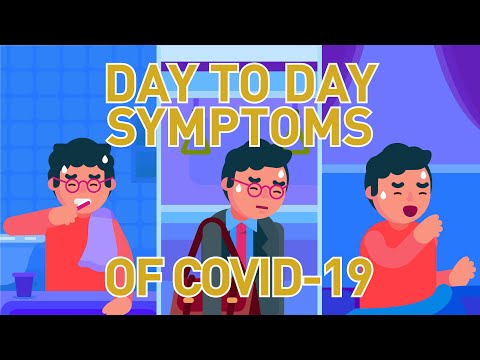
Recognizing Day to Day Signs and Symptoms of Coronavirus
0
13 posted on 2021/02/02Ever wondered about the day-to-day signs of COVID-19? This video breaks down the symptom timeline, from initial feelings to more serious developments, using clear language and practical vocabulary you can use for self-assessment. You'll gain essential knowledge and pick up advanced terms related to respiratory distress and disease progression!
Learn this video on the APP!
The VoiceTube App has more in-depth practice for videos!