
a tremendous amount
US
UK
- Determiner
- A very large quantity or number of something.
B2Moreafter all
US /ˈæftɚ ɔl/
UK /ˈɑ:ftə ɔ:l/
- Adverb
- In spite of what was expected; used to introduce a statement that supports a previous statement or explains why it was made
- Considering everything; used to indicate that something is happening or is true despite some difficulty or obstacle
- Phrase
- Despite what was expected or thought; in spite of everything.
- Taking everything into consideration; considering that.
B1Morealong with
US /əˈlɔŋ wɪð/
UK /əˈlɔŋ wið/
- Preposition
- In addition to; together with.
- Adverb
- In company or together with someone or something.
- Including; in addition to.
A2Moreas long as
US /æz lɔŋ æz/
UK /æz lɔŋ æz/
- Conjunction
- For the period that; provided that.
- For the length of time that
- Preposition
- On the condition that; providing that.
- Having the same length as.
A1Moreas opposed to
US
UK
- Preposition
- In contrast to; rather than.
- Instead of; in place of.
A1Moreas well as
US /æz wɛl æz/
UK /æz wel æz/
- Adverb
- Also; in addition to
- Preposition
- In addition to; and also.
A1Moreat a time
US /æt e taɪm/
UK /æt ə taim/
- Phrase
- Separately; one by one
- Simultaneously; together
A1Moreat least
US /æt list/
UK /æt li:st/
- Adverb
- As a minimum
- Not less than
- Phrase
- No less than; at the minimum
- Used to indicate that something is positive in a bad situation.
C2Moreat once
US /æt wʌns/
UK /æt wʌns/
- Adverb
- Immediately; without delay
- At the same time; simultaneously
A2Moreat our disposal
US
UK
- Phrase
- Available for us to use whenever or however we wish.
B2Moreat the moment
US
UK
- Adverb
- At this time; now
A1Moreat the same time
US
UK
- Phrase
- Simultaneously; at the identical moment.
- Nevertheless; however; used to introduce a contrasting or qualifying statement.
A1Moreat will
US /æt wɪl/
UK /æt wil/
- Adverb
- Whenever or wherever you want; without needing permission.
- Adjective
- Relating to an employment agreement where the employer can terminate the employee at any time for any reason that is not illegal.
at work
US /æt wɚk/
UK /æt wə:k/
- Phrase
- Located at one's place of employment
A1Moreawareness
US /əˈwɛrnɪs/
UK /əˈweənəs/
- Uncountable Noun
- Having knowledge of something
A2TOEICMorebased on
US
UK
- Phrasal Verb
- To use something as the foundation or starting point for something else.
- Preposition
- Using something as the main idea or foundation.
- Relying on something as evidence or justification.
A1Morebe with
US /bi wɪð/
UK /bi: wið/
- Phrasal Verb
- To accompany someone; to be in someone's presence.
- To support someone's opinion or cause.
A1Moreblack and white
US /blæk ənd hwaɪt/
UK /blæk ænd hwait/
- Phrase
- Adjective
- Showing images only in black, grey, and white, not in colour.
A1Moreby itself
US /baɪ ɪtˈsɛlf/
UK /bai itˈself/
- Adverb
- Alone; without help or assistance.
- Without any external influence or aid.
A2Moreby virtue of
US /baɪ ˈvɚtʃu ʌv/
UK /bai ˈvə:tju: ɔv/
- Phrase
- By reason of; because of.
C2Morecall in
US /kɔl ɪn/
UK /kɔ:l in/
- Phrasal Verb
- To ask others for help when in need
- To make a phone call to your office; to contact
A1Morecare of
US /kɛr ʌv/
UK /kɛə ɔv/
- Preposition
- Used in an address to indicate the person who will receive the mail for someone else.
A2Morecome from
US /kʌm frʌm/
UK /kʌm frɔm/
- Phrasal Verb
- To have as your native country or city
A1Morecome together
US /kʌm təˈɡɛðɚ/
UK /kʌm təˈɡeðə/
- Phrasal Verb
- To assemble or unite; to start working together.
- To form a close relationship or bond.
A1Morecome up
US /kʌm ʌp/
UK /kʌm ʌp/
- Phrasal Verb
- To come closer to someone; approach
- (Of sun) to rise into the sky in the morning
A1Morecut out
US /kʌt aʊt/
UK /kʌt aut/
- Phrasal Verb
- To leave out of something, e.g. a social event
- To cut something from, e.g. a picture from a book
- Verb (Transitive/Intransitive)
- To stop doing or using something.
- To be naturally suited or fitted for something.
A1Moredeal with
US /dil wɪð/
UK /di:l wið/
- Verb (Transitive/Intransitive)
- To buy or sell goods or services.
- Phrasal Verb
- To take action to solve a problem or manage a situation.
- To be about; concern.
A1Moredepending on
US
UK
- Phrasal Verb
- To rely on for support (financial or emotional)
- Influenced or determined by.
- Preposition
- Subject to; contingent on
- Relying on someone or something for support or assistance.
A2Moredo in
US
UK
- Phrasal Verb
- To make completely tired out and exhausted
- To destroy or cause damage to someone
A1Moredown the road
US
UK
- Phrase
- At a future time; in the future.
- Along the street; a short distance away.
A1Moredraw upon
US /drɔ əˈpɑn/
UK /drɔ: əˈpɔn/
- Phrasal Verb
- To use something that you have gradually gained or saved
B1Moredrop into
US
UK
- Phrasal Verb
- To visit someone or some place casually and often briefly.
- To descend or fall into a state or condition.
B1Moreevidence of
US
UK
- Phrase
- Facts, objects, or signs that make you believe that something is true.
- Something that shows that something else exists or is true.
A1Moreexcept that
US /ɪkˈsɛpt ðæt/
UK /ikˈsept ðæt/
- Conjunction
- But; with the exception that.
A2Morefeel like
US
UK
- Intransitive Verb
- To have a desire or inclination for something.
- To have a particular quality or sensation; resemble.
A1Morefor instance
US /fɔr ˈɪnstəns/
UK /fɔ: ˈinstəns/
- Adverb
- As an example.
- Phrase
- As an example.
- As an illustration or case in point
B1Morefor life
US /fɔr laɪf/
UK /fɔ: laif/
- Phrase
- For the duration of one's life; permanently.
- To support someone for the duration of their life.
- Adjective
- Being a member for the entirety of one's life.
A1Morefor short
US /fɔr ʃɔrt/
UK /fɔ: ʃɔ:t/
- Phrase
- As a shortened form of a name or phrase.
A1Morefor the sake of
US /fɔr ði sek ʌv/
UK /fɔ: ðə seik ɔv/
- Phrase
- For the purpose of; in the interest of.
A1Morefor too long
US
UK
- Phrase
- For an excessively extended period.
A1Moreget out of
US /ɡɛt aʊt ʌv/
UK /ɡet aut ɔv/
- Phrasal Verb
- To leave or escape responsibilities, troubles
- To leave a small, enclosed vehicle
A1Moreget through
US /ɡɛt θru/
UK /ɡet θru:/
- Phrasal Verb
- To arrive at the end of or finish something
- To succeed in contacting someone by phone
A1Moregive a lecture
US
UK
- Verb (Transitive/Intransitive)
- To deliver a formal talk on a subject to an audience.
B1Moreglomp onto
US /ɡlɑmp ˈɑntu/
UK /ɡlɒmp ˈɒntuː/
- other
- To grab or hug someone heavily and enthusiastically.
C2Morego ahead
US /ɡo əˈhɛd/
UK /ɡəu əˈhed/
- Phrasal Verb
- To start an activity; start doing, working etc.
- To give permission to do something
- Intransitive Verb
- To start or proceed with something
- To proceed despite potential obstacles or doubts.
A1Morego on
US /ɡo ɑn/
UK /ɡəu ɔn/
- Phrasal Verb
- To continue doing something
- To happen (usually negative)
- Interjection
- Used to encourage someone
A1Moregoing on
US /ˈɡoɪŋ ɑn/
UK /ˈgəʊɪŋ ɔn/
- Phrasal Verb
- To continue doing something
- To happen (usually negative)
A1Moregot to
US /ɡɑt tu/
UK /gɔt tu:/
- Verb (Transitive/Intransitive)
- To arrive at some place
- To have the opportunity or permission to do something
- Phrasal Verb
- To appeal to the emotions of; move
- To finally begin to start something after a delay
A1Moregrow up
US /ɡro ʌp/
UK /ɡrəu ʌp/
- Phrasal Verb
- To develop from a child into an adult
A1Morehappen by
US /ˈhæpən baɪ/
UK /ˈhæpən baɪ/
- other
- To visit a place casually or unexpectedly.
B2Morehave at
US
UK
- Phrasal Verb
- To attack someone or something.
- To begin doing something with enthusiasm.
A1Morehave to
US /hæv tu/
UK /ˈhæv tə/
- Auxiliary Verb
- Must do
A1Morein a sense
US /ɪn e sɛns/
UK /in ə sens/
- Phrase
- In one way of thinking; to some extent; in some ways.
B1Morein another way
US
UK
- Phrase
- Using a different method or approach.
- Stated differently; put in other words.
in line with
US /ɪn laɪn wɪð/
UK /in lain wið/
- Phrase
- In agreement with; conforming to.
- In the same direction or alignment as.
- Preposition
- In agreement or conformity with.
A2Morein order to
US /ɪn ˈɔrdɚ tu/
UK /in ˈɔ:də tu:/
- Preposition
- For the purpose of; with the aim of.
- Phrase
- In a specific sequence or arrangement.
- With the aim of; for the purpose of.
C1Morein other words
US
UK
- Phrase
- Stating something in a different way, often to make it clearer or more understandable.
in part
US /ɪn pɑrt/
UK /in pɑ:t/
- Adverb
- To some extent; partially.
A1Morein particular
US /ɪn pɚˈtɪkjəlɚ/
UK /in pəˈtikjulə/
- Phrase
- Specifically; especially.
- Detailed or precise.
A1Morein passing
US /ɪn ˈpæsɪŋ/
UK /ɪn ˈpɑ:sɪŋ/
- other
- Mentioned briefly or casually without focus.
B2Morein school
US /ɪn skul/
UK /ɪn sku:l/
- other
- Attending an educational institution.
A1Morein terms of
US
UK
- Phrase
- With regard to; concerning a particular aspect.
A1Morein the face of
US //ɪn ðə feɪs ɑv//
UK
- Phrase
- When confronted with something difficult or challenging.
- Despite; in defiance of; when confronted with.
A1Morein the field
US
UK
- Phrase
- Working or doing research in a real-world environment, not in a classroom or laboratory.
- Located on the playing area of a sports ground.
A1Morein the future
US /ɪn ði ˈfjutʃɚ/
UK /in ðə ˈfju:tʃə/
- Phrase
- At a later time; in times to come.
A1Morein the middle of
US
UK
- Phrase
- In the central part or point of something.
- Engaged or occupied with something.
A2Morein the past
US
UK
- Phrase
- During a former period of time; previously.
A1Morein the red
US
UK
- Adjective
- Operating at a loss; in debt.
- Phrase
- Having overdrawn money from a bank account.
A1Morein the way
US /ɪn ði we/
UK /in ðə wei/
- Phrase
- Obstructing someone or something; hindering progress.
- Stored or placed so as to be available or ready when needed.
A1Morein the world
US /ɪn ði wɜrld/
UK /in ðə wɜː(r)ld/
- Phrase
- Used to emphasize a question expressing surprise, confusion, disbelief
- Used to indicate the extent or degree of something, often in a superlative sense
A1Morein time
US /ɪn taɪm/
UK /in taim/
- Adverb
- Eventually; after a period of time.
- Not late; with enough time to spare.
- Phrase
- Eventually; before it is too late.
- According to the scheduled time; punctual.
A1Morein touch
US /ɪn tʌtʃ/
UK /in tʌtʃ/
- Adjective
- Having contact or communication with someone.
- Aware of or informed about something.
B1Morein ways
US
UK
- Phrase
- In a manner or by methods that.
- In certain respects or aspects.
A1Morein with
US /ɪn wɪð/
UK /in wið/
- Phrase
- Fashionable or popular at the moment.
- Having influence or favor with someone.
- Phrasal Verb
- To introduce or bring something new into a system or organization.
A1Moreinstead of
US /ɪnˈstɛd ʌv/
UK /inˈsted ɔv/
- Preposition
- When one thing is replaced by another
- Adverb
- As a substitute or alternative.
A1Moreinterest of
US
UK
- Phrase
- For the benefit or advantage of someone or something.
- A feeling of wanting to know or learn about something or someone.
- Noun
- A legal share or right in something.
A1Morejust kind of
US
UK
- Phrase
- Used to express a feeling or state in a vague or hesitant way.
- Used to indicate something is approximately or generally similar to something else.
A2Moreknow about
US /noʊ əˈbaʊt/
UK /nəʊ əˈbaut/
- Phrasal Verb
- To have information or understanding of a subject or situation.
laid back
US /led bæk/
UK /leɪd bæk/
- Phrase
- Phrasal Verb
- To have reclined or lied down in a relaxed manner.
A2Moreleft and right
US
UK
- Adverb
- In both the left and right directions.
- Everywhere; in all directions.
- Noun
- Referring to both liberal and conservative political viewpoints.
- Two opposing options or directions.
A1Morelike a man
US /laɪk ə mæn/
UK /laɪk ə mæn/
- other
- To act bravely or responsibly.
A2Morelike anything
US /laɪk ˈɛniθɪŋ/
UK /laɪk ˈeniθɪŋ/
- other
- Used to emphasize strong intensity or effort.
B2Morelook at
US /lʊk æt/
UK /luk æt/
- Phrasal Verb
- To use your eyes to focus on something
- To focus your eyes on something carefully
A1Moremedical center
US
UK
- Noun
- A facility providing comprehensive healthcare services, including diagnosis, treatment, and rehabilitation.
medicine
US /ˈmɛdɪsɪn/
UK /ˈmedsn/
- Noun (Countable/Uncountable)
- Something used in treating illness or pain
- Science of preventing, treating, or curing disease
A2TOEICMoremeditation
US /ˌmɛdɪˈteʃən/
UK /ˌmedɪ'teɪʃn/
- Noun (Countable/Uncountable)
- Act of deep and quiet thinking
- The practice of focusing one's mind for a period of time.
B2Morenext door
US /nɛkst dɔr/
UK /nekst dɔ:/
- Adverb
- Living in the house next to the one mentioned
A1Moreof a kind
US /ʌv e kaɪnd/
UK /ɔv ə kaind/
- Adjective
- Unique; not like anything else
- Phrase
- Sharing similar characteristics or qualities; alike
A1Moreof course
US /ʌv kɔː(r)s/
UK /ɔv kɔː(r)s/
- Adverb
- Sure ; Certainly
- Phrase
- For sure; certainly
A2Moreon the basis of
US
UK
- Phrase
- Because of; using as a reason or justification.
A1Moreon the other hand
US
UK
- Phrase
- Considering a different aspect of the matter; alternatively.
A1Moreon the way
US /ɑn ði we/
UK /ɔn ðə wei/
- Phrase
- During the journey to a particular place.
A1Moreon to
US /ɑn tu/
UK /ɔn tu:/
- Preposition
- Toward something; forward
- Aware of someone's activities.
- Adjective
- Aware of someone's deception or illegal activities.
A1Moreon wheels
US
UK
- Adjective
- Having wheels attached for easy movement.
- Phrase
- Mobile; equipped to travel.
- Mounted on wheels; mobile.
A1Moreout there
US /aʊt ðɛr/
UK /aut ðɛə/
- Adverb
- In or to a place that is far away
- Existing in the universe
- Adjective
- Unconventional; strange; avant-garde
- Existing or available.
A1Moreover time
US /ˈovɚ taɪm/
UK /ˈəuvə taim/
- Phrase
- Gradually; as time passes.
- During a long period.
- Adverb
- Gradually; as time passes.
B1Moreover your head
US
UK
- Adjective
- Too difficult to understand.
- Adverb
- Without consulting or informing someone who should have been involved.
A1Morepoint out
US /pɔɪnt aʊt/
UK /pɔint aut/
- Phrasal Verb
- To make others aware of an idea
- To draw attention to something or someone
A1Morepresent participle
US
UK
- Noun
- A verb form ending in '-ing' in English, used in forming continuous tenses.
A1Morepush away
US
UK
- Phrasal Verb
- To move someone or something away from you by pushing.
- To avoid emotional intimacy or connection with others.
A2Morepush the envelope
US
UK
- Verb (Transitive/Intransitive)
- To go beyond the limits of what is normally done; to innovate.
A2Morerather than
US
UK
- Adverb
- More exactly; more correctly
- Preferably; instead
- Preposition
- Instead of
A1Morereduction
US /rɪˈdʌkʃən/
UK /rɪ'dʌkʃn/
- Noun
- Act of making something smaller
B1Moreright up there
US
UK
- Phrase
- Among the best or most successful.
- In a high or elevated position.
A1Morerun by
US
UK
- Phrasal Verb
- To be managed or controlled by someone or a group.
- To show or tell something to someone briefly to get their opinion or approval.
A1Moresame time
US
UK
- Phrase
- Occurring simultaneously or at the same point in time.
- At the identical time as before; recurring at a fixed hour.
- Noun
- An equal duration or period.
A1Morescience
US /ˈsaɪəns/
UK /'saɪəns/
- Uncountable Noun
- Study of the physical world, based on facts
A2TOEICMoresee in
US /si ɪn/
UK /si: in/
- Phrasal Verb
- To accompany someone to the entrance of a building or room.
A1Moreshaved head
US
UK
- Noun
- A hairstyle in which all or most of the hair on the head has been removed by shaving.
- Adjective
- Having had the hair on one's head removed by shaving.
B1Moreshower with
US /ˈʃaʊɚ wɪð/
UK /ˈʃaʊə wɪð/
- other
- To give someone a lot of something as a sign of affection.
B2Moreshut out
US /ʃʌt aʊt/
UK /ʃʌt aut/
- Phrasal Verb
- To prevent from entering; keep out of relationship
A2Moreslip away
US /slɪp əˈwe/
UK /slip əˈwei/
- Phrasal Verb
- To leave a place quietly or secretly, often to avoid attention.
- To gradually disappear or be lost.
B1Moresome time ago
US /sʌm taɪm əˈɡo/
UK /sʌm taim əˈɡəu/
- Phrase
- At a point in the past; not recently.
A1Morespeak of
US /spik ʌv/
UK /spi:k ɔv/
- Phrasal Verb
- To mention someone or something in conversation.
B1Morestress
US / strɛs/
UK /stres/
- Transitive Verb
- To emphasize one or more parts of a word, sentence
- To put pressure on something or someone
- Noun (Countable/Uncountable)
- Emphasis on part of a word or sentence
- Pressure on something or someone
A2TOEICMoresuch as
US /sʌtʃ æz/
UK /sʌtʃ æz/
- Preposition
- For example; like
A1Moresuffer from
US /ˈsʌfɚ frʌm/
UK /ˈsʌfə frɔm/
- Intransitive Verb
- To experience pain or distress; to be badly affected by.
A1Moretalk about it
US /tɔk əˈbaʊt ɪt/
UK /tɔ:k əˈbaut it/
- Verb (Transitive/Intransitive)
- To discuss a particular subject.
A1Moretalk on
US /tɔk ɑn/
UK /tɔ:k ɔn/
- Phrasal Verb
- To talk at length about a particular subject.
- To scold or lecture someone at length.
A1Moretalking about
US
UK
- Phrasal Verb
- To discuss a particular topic.
- To be constantly mentioning or bringing up a subject.
A1Moretear down
US /tɛr daʊn/
UK /tiə daun/
- Phrasal Verb
- To demolish or destroy a building or structure.
- To criticize someone or something severely.
the following
US
UK
- Adjective
- Next in order or sequence.
- Uncountable Noun
- What is about to be said or written.
B1Morethink about
US /θɪŋk əˈbaʊt/
UK /θiŋk əˈbaut/
- Phrasal Verb
- To consider something carefully.
- To remember or call to mind.
A1Morethink back
US /θɪŋk bæk/
UK /θiŋk bæk/
- Phrasal Verb
- To recapture the past
A1Morethink of
US /θɪŋk ʌv/
UK /θiŋk ɔv/
- Phrasal Verb
- To look on as (being something specific); consider
- To consider or remember something.
- Verb (Transitive/Intransitive)
- To imagine or call something to mind
A1Moretime out
US /taɪm aʊt/
UK /taim aut/
- Noun
- A brief suspension of activity; a pause.
- A period of isolation as a form of discipline.
- Verb (Transitive/Intransitive)
- To call a temporary suspension of play in a game.
A1Moreto do with
US
UK
- Phrasal Verb
- To be about something; concern
A1Moreto let
US /tu lɛt/
UK /tu let/
- Preposition
- Indicates that a property is available for rent.
A2Moreto taste
US /tu teɪst/
UK /tu teɪst/
- other
- Add an ingredient according to your preference.
A2Moreto the day
US /tu ðə deɪ/
UK /tu ðə deɪ/
- other
- Exactly on the date specified, without any difference.
B2Moreup there
US /ʌp ðɛr/
UK /ʌp ðɛə/
- Adverb
- In or to a higher place or position; far away.
- In heaven.
A1Moreused to
US /juzd tu/
UK /ˈju:st tə/
- Adjective
- Did regularly before, but don't do now
- Auxiliary Verb
- Have done before, but do not do now
A1Morewind up
US //ˈwaɪndˌʌp//
UK //ˈwaɪndˌʌp//
- Phrasal Verb
- To be brought to a state of great tension
- To close or finalize something
- Verb (Transitive/Intransitive)
- To arrive or end up in a particular state, situation, or place, especially unintentionally.
- To bring something to an end; to conclude or finish something.
A1Morewith it
US /wɪð ɪt/
UK /wið it/
- Adjective
- Intelligent, alert, and up-to-date.
- Understanding and knowledgeable about current trends or information.
A1Morework in
US /wɚk ɪn/
UK /wə:k in/
- Phrasal Verb
- To make an opening for something in your schedule
- To fit person/thing into a schedule or sequence
A1Morework out
US /wɚk aʊt/
UK /wə:k aut/
- Phrasal Verb
- To find a way to do something, by thinking
A1Morework to do
US
UK
- Phrase
- Tasks or activities that need to be accomplished.
- Obligations or responsibilities that require effort and attention.
A1More
Vocabulary
- to do with: To be about something; concern
- in terms of
- talking about: To discuss a particular topic.
- for instance: As an example.
- at least: As a minimum
- have to: Must do
- work in: To make an opening for something in your schedule
- think of: To look on as (being something specific); consider
- as opposed to: In contrast to; rather than.
- in the past: During a former period of time; previously.
- in ways: In a manner or by methods that.
- going on: To continue doing something
- in a sense: In one way of thinking; to some extent; in some ways.
- as well as: Also; in addition to
- in school: Attending an educational institution.
- used to: Did regularly before, but don't do now
- care of: Used in an address to indicate the person who will receive the mail for someone else.
- rather than: More exactly; more correctly
- of course: Sure ; Certainly
- in the middle of: In the central part or point of something.
- at the same time: Simultaneously; at the identical moment.
- same time: Occurring simultaneously or at the same point in time.
- medical center: A facility providing comprehensive healthcare services, including diagnosis, treatment, and rehabilitation.
- on the other hand : Considering a different aspect of the matter; alternatively.
- in order to: For the purpose of; with the aim of.
- up there: In or to a higher place or position; far away.
- right up there: Among the best or most successful.
- in the world: Used to emphasize a question expressing surprise, confusion, disbelief
- wind up: To be brought to a state of great tension
- for the sake of: For the purpose of; in the interest of.
- point out: To make others aware of an idea
- in touch: Having contact or communication with someone.
- except that: But; with the exception that.
- work out
- in the future: At a later time; in times to come.
- in particular: Specifically; especially.
- interest of: For the benefit or advantage of someone or something.
- just kind of: Used to express a feeling or state in a vague or hesitant way.
- out there: In or to a place that is far away
- left and right: In both the left and right directions.
- by itself: Alone; without help or assistance.
- work to do: Tasks or activities that need to be accomplished.
- black and white
- time out: A brief suspension of activity; a pause.
- cut out: To leave out of something, e.g. a social event
- know about: To have information or understanding of a subject or situation.
- feel like: To have a desire or inclination for something.
- some time ago: At a point in the past; not recently.
- in another way: Using a different method or approach.
- see in: To accompany someone to the entrance of a building or room.
- look at: To use your eyes to focus on something
- of a kind: Unique; not like anything else
- in the way: Obstructing someone or something; hindering progress.
- at our disposal: Available for us to use whenever or however we wish.
- think back: To recapture the past
- go on: To continue doing something
- for life: For the duration of one's life; permanently.
- in the field: Working or doing research in a real-world environment, not in a classroom or laboratory.
- for too long: For an excessively extended period.
- call in: To ask others for help when in need
- over time: Gradually; as time passes.
- on the basis of: Because of; using as a reason or justification.
- by virtue of: By reason of; because of.
- talk on: To talk at length about a particular subject.
- in passing: Mentioned briefly or casually without focus.
- tear down: To demolish or destroy a building or structure.
- evidence of: Facts, objects, or signs that make you believe that something is true.
- at will: Whenever or wherever you want; without needing permission.
- at the moment: At this time; now
- in part: To some extent; partially.
- like anything: Used to emphasize strong intensity or effort.
- come from: To have as your native country or city
- on the way: During the journey to a particular place.
- depending on: To rely on for support (financial or emotional)
- speak of: To mention someone or something in conversation.
- drop into: To visit someone or some place casually and often briefly.
- come together: To assemble or unite; to start working together.
- based on: To use something as the foundation or starting point for something else.
- push away: To move someone or something away from you by pushing.
- at a time: Separately; one by one
- in line with: In agreement with; conforming to.
- grow up: To develop from a child into an adult
- shaved head: A hairstyle in which all or most of the hair on the head has been removed by shaving.
- in with: Fashionable or popular at the moment.
- instead of: When one thing is replaced by another
- slip away: To leave a place quietly or secretly, often to avoid attention.
- suffer from: To experience pain or distress; to be badly affected by.
- after all: In spite of what was expected; used to introduce a statement that supports a previous statement or explains why it was made
- in other words: Stating something in a different way, often to make it clearer or more understandable.
- get out of: To leave or escape responsibilities, troubles
- with it: Intelligent, alert, and up-to-date.
- at work: Located at one's place of employment
- shower with: To give someone a lot of something as a sign of affection.
- get through: To arrive at the end of or finish something
- come up: To come closer to someone; approach
- run by: To be managed or controlled by someone or a group.
- down the road: At a future time; in the future.
- do in: To make completely tired out and exhausted
- to the day: Exactly on the date specified, without any difference.
- along with: In addition to; together with.
- have at: To attack someone or something.
- push the envelope: To go beyond the limits of what is normally done; to innovate.
- to let: Indicates that a property is available for rent.
- in the red: Operating at a loss; in debt.
- happen by: To visit a place casually or unexpectedly.
- talk about it: To discuss a particular subject.
- on wheels: Having wheels attached for easy movement.
- on to: Toward something; forward
- over your head: Too difficult to understand.
- for short: As a shortened form of a name or phrase.
- in time: Eventually; after a period of time.
- got to: To arrive at some place
- like a man: To act bravely or responsibly.
- draw upon: To use something that you have gradually gained or saved
- go ahead: To start an activity; start doing, working etc.
- a tremendous amount: A very large quantity or number of something.
- laid back
- be with: To accompany someone; to be in someone's presence.
- think about: To consider something carefully.
- give a lecture: To deliver a formal talk on a subject to an audience.
- such as: For example; like
- shut out: To prevent from entering; keep out of relationship
- next door: Living in the house next to the one mentioned
- at once: Immediately; without delay
- glomp onto: To grab or hug someone heavily and enthusiastically.
- as long as: For the period that; provided that.
- the following: Next in order or sequence.
- to taste: Add an ingredient according to your preference.
- present participle: A verb form ending in '-ing' in English, used in forming continuous tenses.
- deal with
- in the face of: When confronted with something difficult or challenging.
- time: Speed at which music is played; tempo
- stress: To emphasize one or more parts of a word, sentence
- people: Persons sharing culture, country, background, etc.
- meditation: Act of deep and quiet thinking
- mind: To be bothered or upset by something
- work: The product of some artistic or literary endeavor
- kind: In a caring and helpful manner
- moment: Very short or brief period of time
- science: Study of the physical world, based on facts
- awareness: Having knowledge of something
- study: To focus on learning something usually at school
- reduction: Act of making something smaller
- health: (Person, company) being in a good condition; well
- mindfulness: Paying attention to your responsibilities
- medicine: Something used in treating illness or pain
Get the full experience in the app
Learn anywhere with detailed sentence and usage analysis
01:03
She took a brave step forward, leaving behind her comfort zone to chase her dreams.
Vocabulary
- brave
adj. Having courage
- comfort zone
phr. A familiar situation where one feels safe
Explanation
a brave step is a noun phrase, where brave is an adjective modifying the noun step, meaning "a courageous step".
forward is an adverb modifying step, meaning "ahead".
The whole phrase serves as the object, answering the "what" of took (verb) — she took a brave step forward.
Get the full experience in the app
Look up words anytime with pronunciation, part of speech, and usage
brave
US/brev/
UK/breɪv/
adj.Brave
v.t.To bravely face
A2 Elementary
Get the full experience in the app
Practice speaking anytime and get instant pronunciation feedback
Try this speaking exercise.
Try practicing with this sentence.
80
Mindfulness Stress Reduction And Healing
0
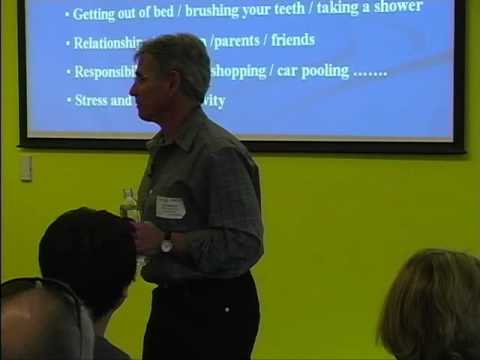
Hhart Budha posted on 2014/06/14Ever feel overwhelmed by stress? This talk by Jon Kabat-Zinn, a pioneer in bringing mindfulness to mainstream medicine, explores how to find balance and profound satisfaction in life. You'll learn about transforming your relationship with stress and discover practical ways to cultivate awareness, even in our fast-paced world.
Learn this video on the APP!
The VoiceTube App has more in-depth practice for videos!