
adaptive
US /əˈdæptɪv/
UK /ə'dæptɪv/
- Adjective
- Able to adjust to new conditions
B1Moreamino
US /ə'miːnəʊ/
UK /ə'miːnəʊ/
- Noun
- Of some substances that form proteins
C2Moreanalogy
US /əˈnælədʒi/
UK /əˈnælədʒi/
- Noun
- Comparison of things based on their similarity
B1Moreantibody
US /ˈæntibɑ:di/
UK /ˈæntibɒdi/
- Countable Noun
- Substance produced by the body to fight disease
B1Morebreak down
US /brek daʊn/
UK /breik daun/
- Phrasal Verb
- To forcibly break, destroy or make collapse
- (Machine) to stop working or become weaker
A1Morebreaks down
US
UK
- Phrasal Verb
- To forcibly break, destroy or make collapse
- (Machine) to stop working or become weaker
A1Moreconcise
US /kənˈsaɪs/
UK /kənˈsaɪs/
- Adjective
- Being brief and to the point; short
- Expressing much in few words; clear and succinct.
C1Morecontact
US /ˈkɑnˌtækt/
UK /'kɒntækt/
- Adjective
- Touching or feeling something
- Noun (Countable/Uncountable)
- Touching or feeling something
- Object that allows electricity to run through it
A2Moredepend
US /dɪˈpend/
UK /dɪˈpend/
- Verb (Transitive/Intransitive)
- Be controlled or determined by (someone/something)
- To rely on someone or something for support, help, or existence.
B1TOEICMoredepending on
US
UK
- Phrasal Verb
- To rely on for support (financial or emotional)
- Influenced or determined by.
- Preposition
- Subject to; contingent on
- Relying on someone or something for support or assistance.
A2Moredna
US
UK
- Noun (Countable/Uncountable)
- Chemical in living cells with genetic information
B2Moreefficacy
US /ˈɛfɪkəsi/
UK /ˈefɪkəsi/
- Uncountable Noun
- Ability to produce a desired outcome
B2TOEICMoreessentially
US /ɪˈsenʃəli/
UK /ɪˈsenʃəli/
- Adverb
- Basically; (said when stating the basic facts)
- Used to emphasize the basic truth or fact of a situation.
A2Moreexercise
US /ˈɛksɚˌsaɪz/
UK /'eksəsaɪz/
- Verb (Transitive/Intransitive)
- To work out to become stronger and healthier
- To retain your ability or practice your skills
- Noun (Countable/Uncountable)
- Physical activity to increase health and strength
- Set of questions in a text book
A2Morefor example
US
UK
- Phrase
- As an illustration or instance.
fragment
US /ˈfræɡmənt/
UK /'fræɡmənt/
- Countable Noun
- Part that is broken off of something
- Intransitive Verb
- To be broken into pieces
- (Of computer file) to be broken into pieces
B1Morefunction
US /ˈfʌŋkʃən/
UK /'fʌŋkʃn/
- Noun
- Social event, or party such as a wedding
- Mathematical operation used in calculations
- Intransitive Verb
- To serve a certain purpose or role
- To be operating, working or achieving its purpose
A2TOEICMoregenetic
US /dʒəˈnɛtɪk/
UK /dʒəˈnetɪk/
- Adjective
- Of, relating to, or controlled by genes
- Relating to genes or heredity.
B1Moregenetic information
US /dʒəˈnɛtɪk ˌɪnfɚˈmeʃən/
UK /dʒiˈnetik ˌɪnfəˈmeiʃən/
- Uncountable Noun
- Hereditary information encoded in the genetic material (DNA or RNA) of an organism.
have to
US /hæv tu/
UK /ˈhæv tə/
- Auxiliary Verb
- Must do
A1Moreimmune
US /ɪˈmjoon/
UK /ɪˈmju:n/
- Adjective
- Having a special protection from, e.g. the law
- Protected against a particular disease or condition because of antibodies or vaccination.
B1Moreimmunity
US /ɪˈmjunɪti/
UK /ɪˈmju:nəti/
- Uncountable Noun
- State of not being able to catch a disease
B1Morein fact
US /ɪn fækt/
UK /in fækt/
- Adverb
- Used to emphasize the truth of a statement, especially one that contrasts with or contradicts something else.
- Used to introduce a more detailed or surprising piece of information.
- Phrase
- Used to emphasize the truth of a statement, especially one that is surprising or contrary to what might be expected.
C1Morein on
US
UK
- Phrase
- To be involved in a secret or plan.
- To be aware of something that is secret or not generally known.
A1Morein the first place
US
UK
- Phrase
- To begin with; as the first point or consideration.
- From the beginning; initially.
A1Morein the future
US /ɪn ði ˈfjutʃɚ/
UK /in ðə ˈfju:tʃə/
- Phrase
- At a later time; in times to come.
A1Morein the past
US
UK
- Phrase
- During a former period of time; previously.
A1Moreinactive
US /ɪnˈæktɪv/
UK /ɪnˈæktɪv/
- Adjective
- Not moving around a lot or doing many things
B1Moreingenious
US /ɪnˈdʒinjəs/
UK /ɪnˈdʒi:niəs/
- Adjective
- Very good at making things or solving problems
- Skillfully made or planned; demonstrating inventiveness.
B2Moreinject
US /ɪnˈdʒɛkt/
UK /ɪn'dʒekt/
- Transitive Verb
- To add or put in more (money, energy etc.)
- To motivate or put energy into something
B1Moreinside of
US /ɪnˈsaɪd ʌv/
UK /inˈsaid ɔv/
- Preposition
- Within; in the inner part of.
- Within a certain period of time.
A1Moreinstead of
US /ɪnˈstɛd ʌv/
UK /inˈsted ɔv/
- Preposition
- When one thing is replaced by another
- Adverb
- As a substitute or alternative.
A1Morematerial
US /məˈtɪriəl/
UK /məˈtɪəriəl/
- Noun (Countable/Uncountable)
- Cloth; fabric
- Supplies or data needed to do a certain thing
- Adjective
- Relevant; (of evidence) important or significant
- Belonging to the world of physical things
A2Moremembrane
US /ˈmɛmˌbren/
UK /'membreɪn/
- Noun (Countable/Uncountable)
- Outside covering of a cell
- A thin covering of tissue or of a cell
B2Moreneedle
US /ˈnidl/
UK /'ni:dl/
- Countable Noun
- Part of a medical device used to inject medicine
- Very thin pointed object used in sewing
- Transitive Verb
- To upset someone by making rude or hurtful remarks
- To prick or pierce with a needle.
B1Moreneutralize
US /ˈnu:trəlaɪz/
UK /ˈnju:trəlaɪz/
- Transitive Verb
- To remove or take away a threat
B2Morenucleus
US /ˈnuːkliəs/
UK /ˈnjuːkliəs/
- Noun
- Center of an atom
- Control center of a cell
B2Moreof course
US /ʌv kɔː(r)s/
UK /ɔv kɔː(r)s/
- Adverb
- Sure ; Certainly
- Phrase
- For sure; certainly
A2Morepandemic
US /pænˈdɛmɪk/
UK /pæn'demɪk/
- Adjective
- (of a disease) existing in almost all of an area or in almost all of a group of people, animals, or plants
- Noun
- a pandemic disease
C2Morepreview
US /ˈpriˌvju/
UK /'pri:vju:/
- Noun
- Showing of a movie before public release
- Verb (Transitive/Intransitive)
- To look ahead at something, e.g. a movie
B2Moreprocess
US /ˈprɑsˌɛs, ˈproˌsɛs/
UK /prə'ses/
- Transitive Verb
- To organize and use data in a computer
- To deal with official forms in the way required
- Noun (Countable/Uncountable)
- Dealing with official forms in the way required
- Set of changes that occur slowly and naturally
A2TOEICMoreprotein
US /ˈprəʊˌtiːn/
UK /ˈprəʊti:n/
- Noun (Countable/Uncountable)
- Group of molecules made from amino acids
B1Morerather than
US
UK
- Adverb
- More exactly; more correctly
- Preferably; instead
- Preposition
- Instead of
A1Morerecognize
US /ˈrek.əɡ.naɪz/
UK /ˈrek.əɡ.naɪz/
- Transitive Verb
- To accept the truth or reality of something
- To consider something as important or special
A2TOEICMoreregular
US /ˈrɛɡjəlɚ/
UK /ˈregjələ(r)/
- Adjective
- Having an equal amount of space or time in between
- Occurring or being done frequently
- Noun (Countable/Uncountable)
- Customers who frequently visit a place
- Soldier who has a permanent job in the army
A2TOEICMorerelease
US /rɪ'li:s/
UK /rɪ'li:s/
- Transitive Verb
- To free someone from a responsibility or burden
- To allow a film, music etc. to be sold/distributed
- Noun
- Act of freeing someone from a duty or burden
- Introduction of a new product, film, book, etc.
A2TOEICMorerepresent
US /ˌrɛprɪˈzɛnt/
UK /ˌreprɪ'zent/
- Transitive Verb
- To depict art objects, figures, scenes; to portray
- To show or describe something in a particular way
A2TOEICMoreresearch
US /rɪˈsɚtʃ, ˈriˌsɚtʃ/
UK /rɪ'sɜ:tʃ/
- Verb (Transitive/Intransitive)
- To study in order to discover new ideas and facts
- To study the market relating to marketing products and services.
- Noun (Countable/Uncountable)
- Study done to discover new ideas and facts
- A particular area or topic of study.
A2TOEICMoreresponse
US /rɪˈspɑns/
UK /riˈspɔns/
- Noun
- Something said/written as an answer to something
- Reaction to something that has occurred
A2TOEICMorescalable
US /'skeɪləbəl/
UK /'skeɪləbl/
- Adjective
- Computers that can be increased or magnified
- Capable of being re-sized
B2Morespike
US /spaɪk/
UK /spaɪk/
- Noun
- The top point in a graph
- Long, thin metal rod that ends in a point
- Intransitive Verb
- To go up to a point on a graph
B2Moretiny
US /ˈtaɪni/
UK /'taɪnɪ/
- Adjective
- Very, very small
A2Moretrial
US /ˈtraɪəl, traɪl/
UK /ˈtraɪəl/
- Noun (Countable/Uncountable)
- Hearing and judgment of a case in court
- Act or process of testing or experimenting
- Transitive Verb
- To be made or done as a test or experiment
A2TOEICMoretypical
US /ˈtɪpɪkəl/
UK /ˈtɪpɪkl/
- Adjective
- Normal; usual; expected
- Serving as a representative example of a particular type.
A2Moreunknown
US /ˌʌnˈnoʊn/
UK /ˌʌnˈnəʊn/
- Adjective
- Not being known or famous
- Being unfamiliar or not known
- Countable Noun
- Person who is not famous or known by many
B1Moreupper
US /ˈʌpɚ/
UK /ˈʌpə(r)/
- Noun (Countable/Uncountable)
- Drug that improves mood or increases energy
- Something happy or encouraging
- Adjective
- Located above others of the same kind
- Being the northern part of a region
B1Moreused to
US /juzd tu/
UK /ˈju:st tə/
- Adjective
- Did regularly before, but don't do now
- Auxiliary Verb
- Have done before, but do not do now
A1Morevaccine
US /vækˈsin,ˈvækˌsin/
UK /'væksi:n/
- Noun (Countable/Uncountable)
- Shot using weak disease cells to stop same disease
- A preparation of weakened or killed microorganisms, or of antigenic proteins derived from them, used to induce protective immunity in animals.
B2Moreviral
US /ˈvaɪrəl/
UK /ˈvaɪrəl/
- Adjective
- Of or caused by a virus
- Becoming very popular by circulating quickly from person to person, especially through the Internet.
B2Morevirus
US /ˈvaɪrəs/
UK /'vaɪrəs/
- Noun
- File secretly put on computers to cause harm
- Living organism that causes disease or sickness
B1More
Vocabulary
- instead of: When one thing is replaced by another
- have to: Must do
- used to: Did regularly before, but don't do now
- inside of: Within; in the inner part of.
- in on: To be involved in a secret or plan.
- depending on: To rely on for support (financial or emotional)
- in fact: Used to emphasize the truth of a statement, especially one that contrasts with or contradicts something else.
- in the first place: To begin with; as the first point or consideration.
- genetic information: Hereditary information encoded in the genetic material (DNA or RNA) of an organism.
- breaks down: To forcibly break, destroy or make collapse
- in the future: At a later time; in times to come.
- in the past: During a former period of time; previously.
- break down: To forcibly break, destroy or make collapse
- for example: As an illustration or instance.
- of course: Sure ; Certainly
- rather than: More exactly; more correctly
- sort: To organize things by putting them into groups
- essentially: Basically; (said when stating the basic facts)
- process: To organize and use data in a computer
- immune: Having a special protection from, e.g. the law
- recognize: To accept the truth or reality of something
- pandemic: (of a disease) existing in almost all of an area or in almost all of a group of people, animals, or plants
- material: Cloth; fabric
- represent: To depict art objects, figures, scenes; to portray
- research: To study in order to discover new ideas and facts
- trial: Hearing and judgment of a case in court
- viral: Of or caused by a virus
- increase: To make or become larger in size or amount
- protein: Group of molecules made from amino acids
- exercise: To work out to become stronger and healthier
- spike: The top point in a graph
- function: Social event, or party such as a wedding
- regular: Having an equal amount of space or time in between
- series: Set of stories or articles on a particular subject
- tiny: Very, very small
- genetic: Of, relating to, or controlled by genes
- response: Something said/written as an answer to something
- explain: To make clear or easy to understand by describing
- analogy: Comparison of things based on their similarity
- concise: Being brief and to the point; short
- typical: Normal; usual; expected
- contact: Touching or feeling something
- release: To free someone from a responsibility or burden
- vaccine: Shot using weak disease cells to stop same disease
- suddenly: In an unexpected or very quick manner
- create: To make, cause, or bring into existence
- introduce: To open an essay to set the scene
- break: To create a new record e.g. running the 100m dash
- scary: Causing fear; frightening
- lot: What happens to a person in life from chance; fate
- depend: Be controlled or determined by (someone/something)
- important: Having power or authority
- pain: Strong feeling of hurt or discomfort
- system: Set of organized, planned ideas that work together
- information: Collection of facts and details about something
- membrane: Outside covering of a cell
- fragment: Part that is broken off of something
- protect: To defend someone or something from harm or danger
- virus: File secretly put on computers to cause harm
- ingenious: Very good at making things or solving problems
- immunity: State of not being able to catch a disease
- nucleus: Center of an atom
- needle: Part of a medical device used to inject medicine
- amino: Of some substances that form proteins
- efficacy: Ability to produce a desired outcome
- neutralize: To remove or take away a threat
- upper: Drug that improves mood or increases energy
- inactive: Not moving around a lot or doing many things
- inject: To add or put in more (money, energy etc.)
- unknown: Not being known or famous
- antibody: Substance produced by the body to fight disease
- adaptive: Able to adjust to new conditions
- scalable: Computers that can be increased or magnified
- preview: Showing of a movie before public release
- dna: Chemical in living cells with genetic information
Get the full experience in the app
Learn anywhere with detailed sentence and usage analysis
01:03
She took a brave step forward, leaving behind her comfort zone to chase her dreams.
Vocabulary
- brave
adj. Having courage
- comfort zone
phr. A familiar situation where one feels safe
Explanation
a brave step is a noun phrase, where brave is an adjective modifying the noun step, meaning "a courageous step".
forward is an adverb modifying step, meaning "ahead".
The whole phrase serves as the object, answering the "what" of took (verb) — she took a brave step forward.
Get the full experience in the app
Look up words anytime with pronunciation, part of speech, and usage
brave
US/brev/
UK/breɪv/
adj.Brave
v.t.To bravely face
A2 Elementary
Get the full experience in the app
Practice speaking anytime and get instant pronunciation feedback
Try this speaking exercise.
Try practicing with this sentence.
80
0
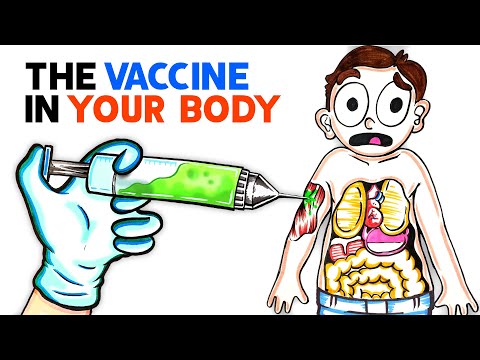
Summer posted on 2021/06/07Ever wondered exactly how those mRNA vaccines work inside your body? This video breaks down the science behind the Pfizer and Moderna vaccines, explaining adaptive immunity and what lipid nanoparticles do. You'll boost your vocabulary with terms like SARS-CoV-2 and gain practical knowledge about vaccine safety!
Learn this video on the APP!
The VoiceTube App has more in-depth practice for videos!