
advantage
US /ædˈvæntɪdʒ/
UK /əd'vɑ:ntɪdʒ/
- Noun (Countable/Uncountable)
- Thing making the chance of success higher
- A positive point about something
- Transitive Verb
- To make use of something, especially to further one's own position; exploit.
A2TOEICMoreas one
US
UK
- Adverb
- Acting or moving together at the same time.
- In complete agreement or unity.
- Phrase
- With a single voice or opinion; unanimously.
- In perfect harmony or unison.
A1Morebladder
US /ˈblædɚ/
UK /ˈblædə(r)/
- Noun
- Soft bag which holds liquid or air
- Part of the body that holds urine
B1Morebreast
US /brɛst/
UK /brest/
- Countable Noun
- Fleshy part of a woman's body for feeding babies
- (Poetic) upper front part of the body; the heart
B1Morebypass
US /ˈbaɪˌpæs/
UK /ˈbaɪpɑ:s/
- Transitive Verb
- To go around something; avoid
- Noun
- A road that goes around a town or village
B2Morechemotherapy
US /ˌki:moʊˈθerəpi/
UK /ˌki:məʊˈθerəpi/
- Uncountable Noun
- Treatment of diseases using chemicals
B2Morecombination
US /ˌkɑmbəˈneʃən/
UK /ˌkɒmbɪ'neɪʃn/
- Noun
- Series of letters or numbers needed to open a lock
- Act or result of mixing things together
B1Morecommunity
US /kəˈmjunɪti/
UK /kə'mju:nətɪ/
- Noun (Countable/Uncountable)
- Group of people who share a common idea or area
- A feeling of fellowship with others, as a result of sharing common attitudes, interests, and goals.
- Adjective
- Relating to or shared by the people in a particular area.
- Shared or participated in by all members of a group
A2Moredeliver
US /dɪˈlɪvɚ/
UK /dɪ'lɪvə(r)/
- Transitive Verb
- To give birth to a child; help a woman give birth
- To save someone from a problem or crisis
A2TOEICMoredepend
US /dɪˈpend/
UK /dɪˈpend/
- Verb (Transitive/Intransitive)
- Be controlled or determined by (someone/something)
- To rely on someone or something for support, help, or existence.
B1TOEICMoredisrupt
US /dɪsˈrʌpt/
UK /dɪsˈrʌpt/
- Transitive Verb
- To cause a disturbance in an activity in progress
B2TOEICMoredivide
US /dɪˈvaɪd/
UK /dɪ'vaɪd/
- Verb (Transitive/Intransitive)
- To split numbers by another number, e.g. 6 / 2 = 3
- To separate something into equal pieces
- Noun
- A separation or distinction.
A2TOEICMoredivision
US /dɪˈvɪʒən/
UK /dɪ'vɪʒn/
- Noun (Countable/Uncountable)
- How many times a number is contained in another
- One part of an organization
B1TOEICMoredna
US
UK
- Noun (Countable/Uncountable)
- Chemical in living cells with genetic information
B2Moreelevate
US /ˈɛləˌvet/
UK /ˈelɪveɪt/
- Transitive Verb
- To make something higher
- To raise something in status, importance, feeling
B2Moreeliminate
US /ɪˈlɪməˌnet/
UK /ɪ'lɪmɪneɪt/
- Transitive Verb
- To completely remove; to get rid of
- To remove from a contest by beating them
B1TOEICMorefatigue
US /fəˈtiɡ/
UK /fəˈti:g/
- Uncountable Noun
- Breaking due to being moved or bent many times
- Being very tired
- Transitive Verb
- To cause someone or something to become very tired
B2Moregut
US /ɡʌt/
UK /ɡʌt/
- Transitive Verb
- To destroy the inside of a building , e.g. by fire
- To remove the internal parts of an animal or fish
- Noun (Countable/Uncountable)
- Stomach and internal organs of digestion
B1Morein the end
US /ɪn ði ɛnd/
UK /in ðə end/
- Phrase
- Finally; after a period of time or series of events.
- Ultimately; as the final result or consequence.
A1Moreindividual
US /ˌɪndəˈvɪdʒuəl/
UK /ˌɪndɪˈvɪdʒuəl/
- Countable Noun
- Single person, looked at separately from others
- A single thing or item, especially when part of a set or group.
- Adjective
- Made for use by one single person
- Having a distinct manner different from others
A2Moreinherently
US /ɪn'herəntlɪ/
UK /ɪn'herəntlɪ/
- Adverb
- As an essential part of
B1Moreintestine
US /ɪnˈtɛstɪn/
UK /ɪnˈtestɪn/
- Noun (Countable/Uncountable)
- Long tube in the body for digesting food
B1Moreintricate
US /ˈɪntrɪkɪt/
UK /ˈɪntrɪkət/
- Adjective
- Very detailed or difficult to untangle
B2TOEICMoreinvade
US /ɪnˈved/
UK /ɪnˈveɪd/
- Transitive Verb
- To enter something causing a harmful result
- To enter (a country or region) so as to subjugate or occupy it.
B1Morelook at
US /lʊk æt/
UK /luk æt/
- Phrasal Verb
- To use your eyes to focus on something
- To focus your eyes on something carefully
A1Moremutation
US /mjuˈteʃən/
UK /mju:'teɪʃn/
- Noun
- Change that changes genetic structure
B2Morenausea
US /ˈnɔziə, -ʒə, -siə, -ʃə/
UK /ˈnɔ:ziə/
- Uncountable Noun
- Feeling of sickness so that you feel like vomiting
- A feeling of revulsion; disgust.
B2Morephysically
US /ˈfɪzɪkəlɪ/
UK /'fɪzɪklɪ/
- Adverb
- In a manner related to the body
- Concerning reality or the laws of nature
A2Moreprogress
US /ˈprɑɡˌrɛs, -rəs, ˈproˌɡrɛs/
UK /'prəʊɡres/
- Verb (Transitive/Intransitive)
- To move forward or toward a place or goal
- To make progress; develop or improve.
- Uncountable Noun
- Act of moving forward
- The process of improving or developing something over a period of time.
A2TOEICMoreprostate
US /ˈprɑsˌtet/
UK /ˈprɒsteɪt/
- Noun
- Male gland important in the creation of semen
B2Moreradiation
US /ˌrediˈeʃən/
UK /ˌreɪdiˈeɪʃn/
- Noun (Countable/Uncountable)
- Energy transmitted as rays, waves or particles
- Harmful waves of energy from nuclear activity
B1Morerapidly
US /ˈræpɪdlɪ/
UK /'ræpɪdlɪ/
- Adverb
- With great speed; quickly
B1TOEICMorerecommend
US /ˌrɛkəˈmɛnd/
UK /ˌrekə'mend/
- Transitive Verb
- To advise or suggest that someone do something
- To endorse or support something publicly.
A2TOEICMorereveal
US /rɪˈvil/
UK /rɪ'vi:l/
- Transitive Verb
- To show something that was hidden before
A2TOEICMorerogue
US /roʊg/
UK /rəʊg/
- Adjective
- Being corrupt, dangerous, or uncontrollable
- Noun
- Wicked or problematic person
B2Moreroutine
US /ruˈtin/
UK /ru:ˈti:n/
- Adjective
- Happening or done regularly or habitually
- Always the same; boring through lack of variety
- Noun (Countable/Uncountable)
- Regular or habitual way of behaving or doing
- Series of actions that make up a performance
A2TOEICMorespread
US /sprɛd/
UK /spred/
- Noun (Countable/Uncountable)
- A big meal, often laid out as a buffet
- The distance between two things
- Verb (Transitive/Intransitive)
- To place over a large area; to cover a large area
- (Of ideas, gossip) to pass to and affect others
A2TOEICMorestrategy
US /ˈstrætədʒi/
UK /'strætədʒɪ/
- Noun (Countable/Uncountable)
- Careful plan or method for achieving a goal
- Branch of military dealing with command
A2TOEICMorestrength
US /strɛŋkθ, strɛŋθ, strɛnθ/
UK /streŋθ/
- Noun (Countable/Uncountable)
- Condition of being strong
- The quality or state of being physically strong.
A2TOEICMorestress
US / strɛs/
UK /stres/
- Transitive Verb
- To emphasize one or more parts of a word, sentence
- To put pressure on something or someone
- Noun (Countable/Uncountable)
- Emphasis on part of a word or sentence
- Pressure on something or someone
A2TOEICMoresurgery
US /ˈsɚdʒəri/
UK /'sɜ:dʒərɪ/
- Noun (Countable/Uncountable)
- Medical operation involving cutting into body
- A doctor's office; health clinic
B1Morethink of
US /θɪŋk ʌv/
UK /θiŋk ɔv/
- Phrasal Verb
- To look on as (being something specific); consider
- To consider or remember something.
- Verb (Transitive/Intransitive)
- To imagine or call something to mind
A1Morethreat
US /θrɛt/
UK /θret/
- Noun
- Warning of probable trouble
- A warning that you may be harmed
A2TOEICMoretransform
US /trænsˈfɔrm/
UK /træns'fɔ:m/
- Transitive Verb
- To change the shape completely in a good way
- To convert from one form or substance into another.
C2Moretypically
US /ˈtɪpɪklɪ/
UK /ˈtɪpɪkli/
- Adverb
- In a normal or usual way
B1Moretypo
US /ˈtaɪpo/
UK /ˈtaɪpəʊ/
- Noun
- Mistake in printed matter
C2Moreunpleasant
US /ʌnˈplɛzənt/
UK /ʌnˈpleznt/
- Adjective
- Causing a bad feeling in people
- Disagreeable or offensive in behavior or manner.
B1Morevomit
US /ˈvɑ:mɪt/
UK /ˈvɒmɪt/
- Noun (Countable/Uncountable)
- Food coming back up from stomach, due to illness
- Verb (Transitive/Intransitive)
- To bring (blood, etc.) up and out of mouth
B2More
Vocabulary
- as one: Acting or moving together at the same time.
- think of: To look on as (being something specific); consider
- look at: To use your eyes to focus on something
- in the end: Finally; after a period of time or series of events.
- fatigue: Breaking due to being moved or bent many times
- individual: Single person, looked at separately from others
- eliminate: To completely remove; to get rid of
- strategy: Careful plan or method for achieving a goal
- reveal: To show something that was hidden before
- recommend: To advise or suggest that someone do something
- routine: Happening or done regularly or habitually
- progress: To move forward or toward a place or goal
- typically: In a normal or usual way
- advantage: Thing making the chance of success higher
- strength: Condition of being strong
- community: Group of people who share a common idea or area
- combination: Series of letters or numbers needed to open a lock
- stress: To emphasize one or more parts of a word, sentence
- gut: To destroy the inside of a building , e.g. by fire
- spread: A big meal, often laid out as a buffet
- mutation: Change that changes genetic structure
- nausea: Feeling of sickness so that you feel like vomiting
- inherently: As an essential part of
- intricate: Very detailed or difficult to untangle
- divide: To split numbers by another number, e.g. 6 / 2 = 3
- disrupt: To cause a disturbance in an activity in progress
- intestine: Long tube in the body for digesting food
- physically: In a manner related to the body
- vomit: Food coming back up from stomach, due to illness
- form: Sports team or person's current winning record
- rapidly: With great speed; quickly
- threat: Warning of probable trouble
- deliver: To give birth to a child; help a woman give birth
- surgery: Medical operation involving cutting into body
- radiation: Energy transmitted as rays, waves or particles
- stage: To organize an event to gain public interest
- bladder: Soft bag which holds liquid or air
- depend: Be controlled or determined by (someone/something)
- transform: To change the shape completely in a good way
- breast: Fleshy part of a woman's body for feeding babies
- single: One run in cricket or a hit baseball
- hit: To have a negative impact on a person/place/thing
- pain: Strong feeling of hurt or discomfort
- division: How many times a number is contained in another
- invade: To enter something causing a harmful result
- simple: Not hard to understand or do; not complex
- unpleasant: Causing a bad feeling in people
- natural: Being as one would expect; being usual or normal
- drive: A person's ambition and motivation to do something
- fail: To be unsuccessful in passing a class or exam
- rogue: Being corrupt, dangerous, or uncontrollable
- remember: To give someone a gift, e.g. birthday, wedding
- grow: To get bigger and more mature; make plants do this
- hard: Difficult to do; difficult to understand
- prostate: Male gland important in the creation of semen
- part: Division of a book
- chemotherapy: Treatment of diseases using chemicals
- wide: Having a great distance from one side to the other
- healthy: In good condition physically, or financially; well
- elevate: To make something higher
- bypass: To go around something; avoid
- typo: Mistake in printed matter
- dna: Chemical in living cells with genetic information
Get the full experience in the app
Learn anywhere with detailed sentence and usage analysis
01:03
She took a brave step forward, leaving behind her comfort zone to chase her dreams.
Vocabulary
- brave
adj. Having courage
- comfort zone
phr. A familiar situation where one feels safe
Explanation
a brave step is a noun phrase, where brave is an adjective modifying the noun step, meaning "a courageous step".
forward is an adverb modifying step, meaning "ahead".
The whole phrase serves as the object, answering the "what" of took (verb) — she took a brave step forward.
Get the full experience in the app
Look up words anytime with pronunciation, part of speech, and usage
brave
US/brev/
UK/breɪv/
adj.Brave
v.t.To bravely face
A2 Elementary
Get the full experience in the app
Practice speaking anytime and get instant pronunciation feedback
Try this speaking exercise.
Try practicing with this sentence.
80
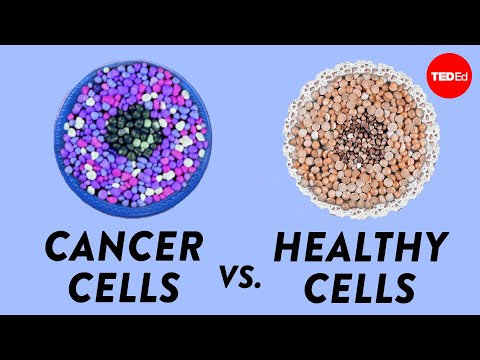
【TED-Ed】How do cancer cells behave differently from healthy ones? - George Zaidan : Learn
0
Zenn posted on 2022/03/03Ever wondered what makes cancer cells so different from the healthy ones in your body? This fascinating TED-Ed explainer dives into cell division and cancer biology, helping you understand tumor growth and even the basics of chemotherapy. You'll pick up some advanced vocabulary along the way, making it a fantastic way to boost your knowledge and your English skills!
Learn this video on the APP!
The VoiceTube App has more in-depth practice for videos!