
act out
US /ækt aʊt/
UK /ækt aut/
- Phrasal Verb
- To perform a role before going on stage; practice
- To perform or represent something through actions.
A1Moreafloat
US /əˈflot/
UK /əˈfləʊt/
- Adjective
- Remaining on top of a liquid; floating
B2Moreanxiety
US /æŋˈzaɪɪti/
UK /æŋ'zaɪətɪ/
- Uncountable Noun
- A feeling of worry, nervousness, or unease about something that might happen, especially when the outcome is uncertain.
B1Moreappetite
US /ˈæpɪˌtaɪt/
UK /'æpɪtaɪt/
- Noun
- Feeling of hunger or desire for something
B1Moreargument
US /ˈɑrɡjəmənt/
UK /ˈɑ:gjumənt/
- Noun (Countable/Uncountable)
- Discussion in which you disagree with someone
- A presentation of reasons for or against an idea
A2TOEICMoreaspect
US /ˈæspɛkt/
UK /'æspekt/
- Noun (Countable/Uncountable)
- Way something looks or seems to be
- An element, feature, or quality of something
A2TOEICMoreassumption
US /əˈsʌmpʃən/
UK /ə'sʌmpʃn/
- Noun (Countable/Uncountable)
- Something you believe to be so, but aren't sure of
A2Moreat sea
US /æt si/
UK /æt si:/
- Phrase
- Adjective
- Confused; not knowing what to do.
A1Moreattempt
US /əˈtɛmpt/
UK /ə'tempt/
- Verb (Transitive/Intransitive)
- To try to do something challenging or difficult
- Noun
- Effort made to try to do or accomplish something
A2TOEICMorebarrier
US /ˈbæriɚ/
UK /'bærɪə(r)/
- Noun
- Difficult situation preventing something happening
- Structure or object that stops free movement
B1TOEICMorebuoyant
US /ˈbu:jənt/
UK /ˈbɔɪənt/
- Adjective
- Capable of floating in a liquid
- Cheerful and optimistic.
B2TOEICMorecome at
US /kʌm æt/
UK /kʌm æt/
- Phrasal Verb
- To approach someone to attack them
A1Morecontrary
US /ˈkɑnˌtrɛri/
UK /'kɒntrərɪ/
- Adjective
- (Of weather) difficult; likely to cause trouble
- Going against authority, a parent, or the rules
- Adverb
- In opposition to.
B1Morecrave
US /krev/
UK /kreɪv/
- Verb (Transitive/Intransitive)
- To have a very strong desire for something
B2Morecuriosity
US /ˌkjʊriˈɑsɪti/
UK /ˌkjʊərɪ'ɒsətɪ/
- Noun (Countable/Uncountable)
- Something unusual and perhaps worthy of collecting
- Eager desire to learn more about something
B1Moredeliberately
US /dɪˈlɪbərɪtlɪ/
UK /dɪˈlɪbərətli/
- Adverb
- In a careful, considered manner; on purpose
- Purposely; on purpose
B2TOEICMoredistress
US /dɪˈstrɛs/
UK /dɪ'stres/
- Uncountable Noun
- State of great sadness, anxiety or pain
- Condition of danger or emergency
- Transitive Verb
- To cause someone anxiety or sadness
- To be in financial trouble
B1Moreemerge
US /ɪˈmɚdʒ/
UK /ɪ'mɜ:dʒ/
- Intransitive Verb
- To rise or appear out of some background
- To become known or apparent.
A2TOEICMorefinancial
US /faɪˈnænʃ(ə)l/
UK /faɪˈnænʃl/
- Adjective
- Involving money
- Relating to investments.
- Countable Noun
- A person who provides advice on financial matters.
A2TOEICMoreflaw
US /flɔ/
UK /flɔ:/
- Noun (Countable/Uncountable)
- Quality that makes something imperfect
- A weakness or undesirable quality.
- Transitive Verb
- To impair, damage, or spoil.
B1TOEICMorefriction
US /ˈfrɪkʃən/
UK /ˈfrɪkʃn/
- Uncountable Noun
- Disagreement between two or more people
- Force preventing motion between bodies in contact
B2Morefurious
US /ˈfjʊriəs/
UK /ˈfjʊəriəs/
- Adjective
- Extremely angry
B1Moregrate
US /ɡret/
UK /ɡreɪt/
- Transitive Verb
- To shred food into very small pieces
- Intransitive Verb
- To be unpleasantly harsh or annoying
B2Moreharsh
US /hɑrʃ/
UK /hɑ:ʃ/
- Adjective
- Rough; tough; hard to experience or accept
- Being severe and unkind
B1Moreideally
US /aɪˈdiəli/
UK /aɪ'di:əlɪ/
- Adverb
- In a perfect way; very suitably
- In theory; according to an ideal or theoretical standard.
B2Moreinduce
US /ɪnˈdus, -ˈdjus/
UK /ɪn'dju:s/
- Transitive Verb
- To make someone do something; create an outcome
- To make a woman give birth by giving her medicine
B1TOEICMoreinsight
US /ˈɪnˌsaɪt/
UK /'ɪnsaɪt/
- Noun (Countable/Uncountable)
- Power to understand people and things very well
- Very good understanding of something
B1Moreinstinct
US /ˈɪnˌstɪŋkt/
UK /'ɪnstɪŋkt/
- Noun
- Natural way of thinking; intuition
- Natural way (person or animal) thinks, behaves
B1Moreloneliness
US /ˈlonlɪnɪs/
UK /'ləʊnlɪnəs/
- Uncountable Noun
- State of feeling sad because you are alone
- A feeling of being isolated from others, even when surrounded by people.
B2Morelonely
US /ˈloʊnli/
UK /ˈləʊnli/
- Adjective
- Sad because apart from other people
- Being far away and rarely visited by people
B2Moremalicious
US /məˈlɪʃəs/
UK /məˈlɪʃəs/
- Adjective
- Intending to harm or hurt someone
B2Moremelancholy
US /ˈmɛlənˌkɑli/
UK /ˈmelənkəli/
- Adjective
- Having a sad mood or feeling
- Uncountable Noun
- sadness that lasts for a long period of time, often without any obvious reason
B2Moremisery
US /ˈmɪzəri/
UK /'mɪzərɪ/
- Uncountable Noun
- Thing that causes unhappiness
- Extreme suffering or unhappiness
B1Moreof course
US /ʌv kɔː(r)s/
UK /ɔv kɔː(r)s/
- Adverb
- Sure ; Certainly
- Phrase
- For sure; certainly
A2Moreold school
US /old skul/
UK /əuld sku:l/
- Adjective
- Traditional or old-fashioned in style, behavior, or attitude.
- Referring to an earlier, more traditional style of music, especially hip-hop or rap.
- Noun
- A traditional method or approach.
B1Moreon the surface
US /ɑn ði ˈsɚfəs/
UK /ɔn ðə ˈsə:fis/
- Phrase
- Appearing to be true or real until examined more closely.
- Located on the outer part or uppermost layer of something.
B2Moreoptimism
US /ˈɑptəˌmɪzəm/
UK /ˈɒptɪmɪzəm/
- Uncountable Noun
- Condition of having a positive outlook or belief
B2Morephenomenon
US /fɪˈnɑməˌnɑn, -nən/
UK /fə'nɒmɪnən/
- Noun (Countable/Uncountable)
- Unusual event, fact that can be studied
- Interesting or unusual person, group
B1Morepledge
US /plɛdʒ/
UK /pledʒ/
- Verb (Transitive/Intransitive)
- To make a promise; make an oath
- Noun
- A formal promise
B2Morepoint out
US /pɔɪnt aʊt/
UK /pɔint aut/
- Phrasal Verb
- To make others aware of an idea
- To draw attention to something or someone
A1Moreprevent
US /prɪˈvɛnt/
UK /prɪ'vent/
- Transitive Verb
- To stop something from happening or existing
A2TOEICMoreprofessional
US /prəˈfɛʃənəl/
UK /prə'feʃənl/
- Adjective
- Of jobs such as doctor, lawyer, accountant, etc.
- Acting/done properly as a qualified person would
- Noun
- Highly qualified person, e.g. lawyer or doctor
- One who plays a sport or similar activity as a job
A2TOEICMoreproperly
US /ˈprɑːpərli/
UK /ˈprɔpəlɪ/
- Adverb
- In an appropriate or correct manner
- In a way that is suitable or appropriate.
A2Morerather than
US
UK
- Adverb
- More exactly; more correctly
- Preferably; instead
- Preposition
- Instead of
A1Morereveal
US /rɪˈvil/
UK /rɪ'vi:l/
- Transitive Verb
- To show something that was hidden before
A2TOEICMoreruin
US /ˈruɪn/
UK /'ru:ɪn/
- Transitive Verb
- To damage or completely destroy something
- To cause someone to lose their money or status
- Noun (Countable/Uncountable)
- Remains of a building that has been destroyed
- The state of being destroyed or severely damaged.
B1Moresecure
US /sɪˈkjʊr/
UK /sɪ'kjʊə(r)/
- Transitive Verb
- To get or achieve something with certainty
- To firmly attach something to something else
- Adjective
- Being attached to something tightly and surely
- (Place that is) locked, guarded and safe
A2TOEICMoreshame
US /ʃem/
UK /ʃeɪm/
- Uncountable Noun
- Feeling of guilt because you did something wrong
- Transitive Verb
- To make someone feel ashamed
A2Morespoil
US /spɔɪl/
UK /spɔɪl/
- Transitive Verb
- To damage something, usually by treating it poorly
- To overindulge and harm the character of a child
- Intransitive Verb
- (Of food) to go bad
A2Morestink
US /stɪŋk/
UK /stɪŋk/
- Intransitive Verb
- To smell terrible
B2Moresurface
US /ˈsɚfəs/
UK /'sɜ:fɪs/
- Transitive Verb
- To give (road) a top layer
- Intransitive Verb
- To appear after being hidden, unseen, or unknown
- To come to the top of something; emerge
A2TOEICMoretenderness
US /ˈtɛndɚnɪs/
UK /'tendənɪs/
- Uncountable Noun
- Pain that is felt (as when the area is touched)
B2Moreupbeat
US /ˈʌpˌbit/
UK /ˈʌpbi:t/
- Adjective
- Being positive and cheerful
C1Moreupset
US /ʌpˈsɛt/
UK /ʌpˈset/
- Adjective
- (Of stomach, etc.) not functioning well; sick
- Troubled, worried, or angry
- Transitive Verb
- To turn upside down or on its side
- To trouble, worry, or anger someone
A2More
Vocabulary
- old school: Traditional or old-fashioned in style, behavior, or attitude.
- point out: To make others aware of an idea
- on the surface: Appearing to be true or real until examined more closely.
- of course: Sure ; Certainly
- rather than: More exactly; more correctly
- act out: To perform a role before going on stage; practice
- at sea
- come at: To approach someone to attack them
- anxiety: A feeling of worry, nervousness, or unease about something that might happen, especially when the outcome is uncertain.
- phenomenon: Unusual event, fact that can be studied
- instinct: Natural way of thinking; intuition
- aspect: Way something looks or seems to be
- reveal: To show something that was hidden before
- properly: In an appropriate or correct manner
- deliberately: In a careful, considered manner; on purpose
- crave: To have a very strong desire for something
- ruin: To damage or completely destroy something
- attempt: To try to do something challenging or difficult
- appetite: Feeling of hunger or desire for something
- fear: Unpleasant feeling caused by being aware of danger
- melancholy: Having a sad mood or feeling
- express: To send something by fast mail
- harsh: Rough; tough; hard to experience or accept
- barrier: Difficult situation preventing something happening
- imagine: To think creatively about; form mental picture of
- prevent: To stop something from happening or existing
- assumption: Something you believe to be so, but aren't sure of
- flaw: Quality that makes something imperfect
- distress: State of great sadness, anxiety or pain
- financial: Involving money
- insight: Power to understand people and things very well
- furious: Extremely angry
- upset: (Of stomach, etc.) not functioning well; sick
- emerge: To rise or appear out of some background
- surface: To give (road) a top layer
- contrary: (Of weather) difficult; likely to cause trouble
- pledge: To make a promise; make an oath
- spoil: To damage something, usually by treating it poorly
- curiosity: Something unusual and perhaps worthy of collecting
- secure: To get or achieve something with certainty
- professional: Of jobs such as doctor, lawyer, accountant, etc.
- mood: Emotion or a state of mind; how you feel
- optimism: Condition of having a positive outlook or belief
- argument: Discussion in which you disagree with someone
- misery: Thing that causes unhappiness
- shame: Feeling of guilt because you did something wrong
- induce: To make someone do something; create an outcome
- stink: To smell terrible
- discuss: To talk about seriously or in great detail
- ideally: In a perfect way; very suitably
- friction: Disagreement between two or more people
- manage: To survive hardships and difficulties; to cope
- upbeat: Being positive and cheerful
- tenderness: Pain that is felt (as when the area is touched)
- buoyant: Capable of floating in a liquid
- loneliness: State of feeling sad because you are alone
- afraid: Worried that something bad will happen; scared
- find: To become aware of something that is happening
- person: Man, woman or child
- make: To arrange or prepare something e.g. dinner
- malicious: Intending to harm or hurt someone
- bore: To accept (responsibilities or duties)
- life: All the living things e.g. animals, plants, humans
- know: To be familiar with a person or place, thing
- afloat: Remaining on top of a liquid; floating
- lonely: Sad because apart from other people
- plan: Drawing of how something should be done or made
- visit: To go to a place for a time, usually for a reason
- grate: To shred food into very small pieces
Get the full experience in the app
Learn anywhere with detailed sentence and usage analysis
01:03
She took a brave step forward, leaving behind her comfort zone to chase her dreams.
Vocabulary
- brave
adj. Having courage
- comfort zone
phr. A familiar situation where one feels safe
Explanation
a brave step is a noun phrase, where brave is an adjective modifying the noun step, meaning "a courageous step".
forward is an adverb modifying step, meaning "ahead".
The whole phrase serves as the object, answering the "what" of took (verb) — she took a brave step forward.
Get the full experience in the app
Look up words anytime with pronunciation, part of speech, and usage
brave
US/brev/
UK/breɪv/
adj.Brave
v.t.To bravely face
A2 Elementary
Get the full experience in the app
Practice speaking anytime and get instant pronunciation feedback
Try this speaking exercise.
Try practicing with this sentence.
80
0
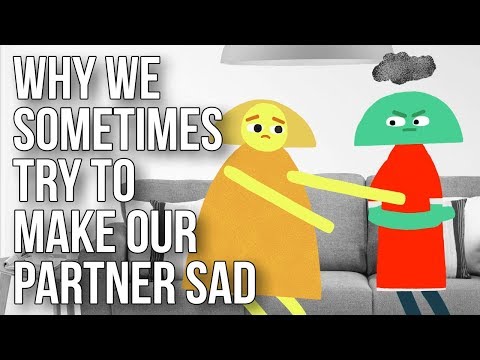
林宜悉 posted on 2022/11/24Ever wondered why you might unconsciously try to make your partner sad? This fascinating video dives into the psychology behind emotional sabotage in relationships, exploring passive aggression and attachment theory. You'll pick up advanced vocabulary and complex sentence structures while gaining practical insights into relationship dynamics!
Learn this video on the APP!
The VoiceTube App has more in-depth practice for videos!