
agricultural
US /ˌæɡrɪ'kʌltʃərəl/
UK /ˌæɡrɪ'kʌltʃərəl/
- Adjective
- Concerning farming, or the land
B1Morealmond
US /ˈɑmənd/
UK /ˈɑ:mənd/
- Countable Noun
- Type of long flat nut
B2Morearound the world
US /əˈraʊnd ði wɜrld/
UK /əˈraund ðə wɜː(r)ld/
- Phrase
- In or to many countries.
- In various places throughout the world.
A2Moreat least
US /æt list/
UK /æt li:st/
- Adverb
- As a minimum
- Not less than
- Phrase
- No less than; at the minimum
- Used to indicate that something is positive in a bad situation.
C2Moreat risk
US
UK
- Phrase
- In danger; likely to be harmed
by hand
US /baɪ hænd/
UK /bai hænd/
- Phrase
- Done manually; not by machine.
- Delivered personally; not by mail or electronically.
A1Morecolony
US /ˈkɑləni/
UK /'kɒlənɪ/
- Noun (Countable/Uncountable)
- Group (bees, etc.) that live in the same place
- Country/settlement controlled by another country
B2Morecrop
US /krɑp/
UK /krɒp/
- Noun (Countable/Uncountable)
- Plants grown on a farm for food, e.g. corn or rice
- Section of short, thick hair
- Transitive Verb
- To cut something to a shorter length or size
- To cut (something, especially hair) short.
B1Moredie off
US /daɪ ɔf/
UK /dai ɔf/
- Phrasal Verb
- To decrease in number so few or none are left
A1Moredose
US /doʊs/
UK /dəʊs/
- Noun (Countable/Uncountable)
- An amount of medicine to be taken at any one time
- Transitive Verb
- To give a certain amount of something to someone
B1Morefor example
US
UK
- Phrase
- As an illustration or instance.
for myself
US /fɚ maɪˈsɛlf/
UK /fə maɪˈself/
- other
- Done for one's own benefit or use.
A1Moregoing on
US /ˈɡoɪŋ ɑn/
UK /ˈgəʊɪŋ ɔn/
- Phrasal Verb
- To continue doing something
- To happen (usually negative)
A1Morehold onto
US /hold ˈɑnˌtu/
UK /həuld ˈɔntu/
- Phrasal Verb
- To grasp or grip something tightly.
- To keep or retain possession of something.
A1Morein charge
US /ɪn tʃɑrdʒ/
UK /in tʃɑ:dʒ/
- Adverb
- To be responsible for
A1Morein fact
US /ɪn fækt/
UK /in fækt/
- Adverb
- Used to emphasize the truth of a statement, especially one that contrasts with or contradicts something else.
- Used to introduce a more detailed or surprising piece of information.
- Phrase
- Used to emphasize the truth of a statement, especially one that is surprising or contrary to what might be expected.
C1Morein public
US /ɪn ˈpʌblɪk/
UK /in ˈpʌblik/
- Phrase
- In a place where anyone can see or hear you.
- Adjective
- Relating to the government or the people as a whole.
B1Morein the ground
US
UK
- Phrase
- Located within or beneath the surface of the earth.
- Referring to something placed or growing in soil.
A1Morein the world
US /ɪn ði wɜrld/
UK /in ðə wɜː(r)ld/
- Phrase
- Used to emphasize a question expressing surprise, confusion, disbelief
- Used to indicate the extent or degree of something, often in a superlative sense
A1Morekill off
US /kɪl ɔf/
UK /kil ɔf/
- Phrasal Verb
- To eliminate or destroy completely; to cause to die.
my personal favorite
US
UK
- Phrase
- Something that I like more than other things.
A1Morenest
US /nɛst/
UK /nest/
- Noun (Countable/Uncountable)
- Home, e.g. of twigs, made by a bird, insect etc.
- Things designed to fit together
- Intransitive Verb
- To create or live in a nest
- To settle comfortably within or against something.
B1Morenutrition
US /nuˈtrɪʃən, nju-/
UK /njuˈtrɪʃn/
- Uncountable Noun
- Scientific study of the effects of foods on health
- Food and other things you eat or drink
B1Moreoff of
US /ɔf ʌv/
UK /ɔf ɔv/
- Preposition
- From a position on something; down from.
A1Moreon behalf of
US /ɑn bɪˈhæf ʌv/
UK /ɔn biˈhɑ:f ɔv/
- Phrase
- As the representative of someone
- Acting as a representative of.
B1Moreout there
US /aʊt ðɛr/
UK /aut ðɛə/
- Adverb
- In or to a place that is far away
- Existing in the universe
- Adjective
- Unconventional; strange; avant-garde
- Existing or available.
A1Morepercent
US /pɚˈsɛnt/
UK /pə'sent/
- Adverb
- One one-hundredth of a whole; the symbol %
- Noun (Countable/Uncountable)
- A proportion multiplied by 100
- A specified amount in every hundred
A2TOEICMorepesticide
US /ˈpɛstɪˌsaɪd/
UK /ˈpestɪsaɪd/
- Noun (Countable/Uncountable)
- A chemical substance used to kill pests
- The control or management of pesticides.
- Adjective
- Relating to or treated with a pesticide.
- Relating to or having the effect of a pesticide.
B2Moreplant
US /plænt/
UK /plɑ:nt/
- Noun (Countable/Uncountable)
- Factory or a place where things are made
- Living thing with leaves and roots growing in soil
- Transitive Verb
- To firmly position something (in the ground)
- To put seeds, flowers, trees in the ground
A2TOEICMorepollen
US /ˈpɑ:lən/
UK /ˈpɒlən/
- Uncountable Noun
- Fine, usually yellow powder produced by plants
B2Morepot on
US /pɑt ɑn/
UK /pɒt ɒn/
- other
- Transfer plants into pots for growth.
C2Morepublic enemy number one
US /ˈpʌblɪk ˈɛnəmi ˈnʌmbɚ wʌn/
UK /ˈpʌblɪk ˈenəmi ˈnʌmbə wʌn/
- other
- The person considered most dangerous or undesirable by society.
B2Moreput out
US /pʊt aʊt/
UK /put aut/
- Phrasal Verb
- To publish, e.g. a book
- To cause someone to be troubled or inconvenienced
A1Morequick question
US
UK
- Noun (Countable/Uncountable)
- A brief and simple inquiry.
- Phrase
- An introductory phrase indicating a question requiring a prompt answer.
A1Morerecorded history
US
UK
- Uncountable Noun
- The period of time for which written records exist.
A2Moresearch for
US /sɚtʃ fɔr/
UK /sə:tʃ fɔ:/
- Phrasal Verb
- To try to find someone or something.
B1Moreset aside
US
UK
- Phrasal Verb
- To reject or throw away, e.g. an idea
- To separate and save for another use or time
- Transitive Verb
- To keep or save something for use at a later time.
- To designate or allocate something for a specific purpose or group.
A1Moresuch as
US /sʌtʃ æz/
UK /sʌtʃ æz/
- Preposition
- For example; like
A1Morethe bottom line
US /ði ˈbɑtəm laɪn/
UK /ðə ˈbɔtəm lain/
- Noun
- The most important thing; the essential point.
- The net income or profit of a company.
A2Moreused to
US /juzd tu/
UK /ˈju:st tə/
- Adjective
- Did regularly before, but don't do now
- Auxiliary Verb
- Have done before, but do not do now
A1Morewar
US /wɔr/
UK /wɔ:(r)/
- Noun
- Situation where armies fight each other
A2Moreweed out
US /wid aʊt/
UK /wi:d aut/
- Phrasal Verb
- To remove or get rid of people or things that are not wanted
C2More
Vocabulary
- out there: In or to a place that is far away
- in the world: Used to emphasize a question expressing surprise, confusion, disbelief
- at least: As a minimum
- by hand: Done manually; not by machine.
- hold onto: To grasp or grip something tightly.
- in the ground: Located within or beneath the surface of the earth.
- recorded history: The period of time for which written records exist.
- for myself: Done for one's own benefit or use.
- in charge: To be responsible for
- my personal favorite: Something that I like more than other things.
- weed out: To remove or get rid of people or things that are not wanted
- for example: As an illustration or instance.
- going on: To continue doing something
- the bottom line: The most important thing; the essential point.
- in fact: Used to emphasize the truth of a statement, especially one that contrasts with or contradicts something else.
- kill off: To eliminate or destroy completely; to cause to die.
- used to: Did regularly before, but don't do now
- put out: To publish, e.g. a book
- around the world: In or to many countries.
- such as: For example; like
- public enemy number one: The person considered most dangerous or undesirable by society.
- at risk: In danger; likely to be harmed
- search for: To try to find someone or something.
- pot on: Transfer plants into pots for growth.
- in public: In a place where anyone can see or hear you.
- set aside: To reject or throw away, e.g. an idea
- on behalf of: As the representative of someone
- off of: From a position on something; down from.
- quick question: A brief and simple inquiry.
- die off: To decrease in number so few or none are left
- world: All the humans, events, activities on the earth
- natural: Being as one would expect; being usual or normal
- plant: Factory or a place where things are made
- food: What people and animals eat to live
- crop: Plants grown on a farm for food, e.g. corn or rice
- nutrition: Scientific study of the effects of foods on health
- percent: One one-hundredth of a whole; the symbol %
- colony: Group (bees, etc.) that live in the same place
- war: Situation where armies fight each other
- dose: An amount of medicine to be taken at any one time
- pesticide: A chemical substance used to kill pests
- agricultural: Concerning farming, or the land
- almond: Type of long flat nut
- pollen: Fine, usually yellow powder produced by plants
- nest: Home, e.g. of twigs, made by a bird, insect etc.
Get the full experience in the app
Learn anywhere with detailed sentence and usage analysis
01:03
She took a brave step forward, leaving behind her comfort zone to chase her dreams.
Vocabulary
- brave
adj. Having courage
- comfort zone
phr. A familiar situation where one feels safe
Explanation
a brave step is a noun phrase, where brave is an adjective modifying the noun step, meaning "a courageous step".
forward is an adverb modifying step, meaning "ahead".
The whole phrase serves as the object, answering the "what" of took (verb) — she took a brave step forward.
Get the full experience in the app
Look up words anytime with pronunciation, part of speech, and usage
brave
US/brev/
UK/breɪv/
adj.Brave
v.t.To bravely face
A2 Elementary
Get the full experience in the app
Practice speaking anytime and get instant pronunciation feedback
Try this speaking exercise.
Try practicing with this sentence.
80
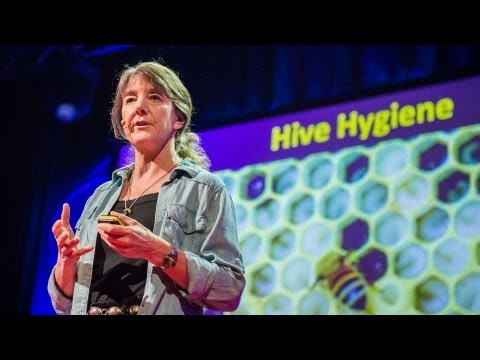
【TED】Marla Spivak: Why bees are disappearing (Marla Spivak: Why bees are disappearing)
0
許瓊文 posted on 2014/06/30Did you know bees are disappearing at an alarming rate? This fascinating TED talk dives deep into honeybee biology, the threats they face like Varroa mites and pesticides, and why this matters for pollination and our food. You'll pick up tons of useful vocabulary while learning about these amazing creatures!
Learn this video on the APP!
The VoiceTube App has more in-depth practice for videos!