
addictive
US /əˈdɪktɪv/
UK /əˈdɪktɪv/
- Adjective
- Being powerless to stop doing or using something
B1Moreas opposed to
US
UK
- Preposition
- In contrast to; rather than.
- Instead of; in place of.
A1Moreaverage
US /ˈævərɪdʒ, ˈævrɪdʒ/
UK /'ævərɪdʒ/
- Noun (Countable/Uncountable)
- Total of numbers divided by the number of items
- Transitive Verb
- To add numbers then divide by the number of items
A2TOEICMoreavoid
US /əˈvɔɪd/
UK /ə'vɔɪd/
- Transitive Verb
- To prevent from happening
- To stay away from
A2TOEICMorecheck out
US /tʃɛk aʊt/
UK /tʃek aut/
- Phrase
- Phrasal Verb
- To find out information about something
- To take books out of a library
A1Morecocaine
US /ˈkoʊˌkeɪn/
UK /kəʊˈkeɪn/
- Uncountable Noun
- Illegal drug made from coca leaves
- A street name for the drug cocaine.
- Intransitive Verb
- To use cocaine.
B2Morecouch
US /kaʊtʃ/
UK /kaʊtʃ/
- Transitive Verb
- To formulate in a particular style or language
- Noun (Countable/Uncountable)
- Sofa; settee
B1Morecouch potato
US /kaʊtʃ pəˈteto/
UK /kautʃ pəˈteitəu/
- Countable Noun
- A person who spends a lot of time sitting or lying down, usually watching television.
A1Morecrave
US /krev/
UK /kreɪv/
- Verb (Transitive/Intransitive)
- To have a very strong desire for something
B2Moredeal with
US /dil wɪð/
UK /di:l wið/
- Verb (Transitive/Intransitive)
- To buy or sell goods or services.
- Phrasal Verb
- To take action to solve a problem or manage a situation.
- To be about; concern.
A1Moredeprive
US /dɪˈpraɪv/
UK /dɪˈpraɪv/
- Transitive Verb
- To deny someone access to or take away something
B2Moredescription
US /dɪˈskrɪpʃən/
UK /dɪˈskrɪpʃn/
- Noun
- Explanation of what something is like, looks like
- The type or nature of someone or something.
A2TOEICMoredesire
US / dɪˈzaɪr/
UK /dɪ'zaɪə(r)/
- Transitive Verb
- To wish for, hope or want something
- Noun (Countable/Uncountable)
- Thing that is wished for or wanted
- A strong feeling of sexual wanting.
A2Moredna
US
UK
- Noun (Countable/Uncountable)
- Chemical in living cells with genetic information
B2Moredoom
US /dum/
UK /du:m/
- Noun (Countable/Uncountable)
- Certain of the failure or destruction of
- Very bad, unhappy future event or situation
- Transitive Verb
- To make failure, defeat or death certain for
B2Moreepisode
US /ˈɛpɪˌsod/
UK /'epɪsəʊd/
- Noun
- One separate event in a series of events
- Show which is part of a larger story
B1TOEICMoreescape
US /ɪˈskep/
UK /ɪ'skeɪp/
- Noun (Countable/Uncountable)
- Act to briefly ignoring boring or bad things
- The 'esc key' on a keyboard
- Verb (Transitive/Intransitive)
- To avoid something undesirable, dangerous or bad
- To get away from a place where you are being kept
A2Moreessential
US /ɪˈsɛnʃəl/
UK /ɪ'senʃl/
- Adjective
- Extremely or most important and necessary
- Fundamental; basic.
- Noun
- A concentrated hydrophobic liquid containing volatile aroma compounds from plants.
B1TOEICMoreethic
US /ˈɛθɪk/
UK /ˈeθɪk/
- Noun (Countable/Uncountable)
- Set of moral principles; rules of behavior
B1Moreevolution
US /ˌɛvəˈluʃən, ˌivə-/
UK /ˌi:və'lu:ʃn/
- Uncountable Noun
- Theory that living things change over time
- Process by which something develops over time
B1Moreexercise
US /ˈɛksɚˌsaɪz/
UK /'eksəsaɪz/
- Verb (Transitive/Intransitive)
- To work out to become stronger and healthier
- To retain your ability or practice your skills
- Noun (Countable/Uncountable)
- Physical activity to increase health and strength
- Set of questions in a text book
A2Moreextraordinary
US /ɪkˈstrɔ:rdəneri/
UK /ɪkˈstrɔ:dnri/
- Adjective
- Beyond what is ordinary; very unusual; remarkable
- Additional to or different from what is usual or regular.
B1TOEICMorefunction
US /ˈfʌŋkʃən/
UK /'fʌŋkʃn/
- Noun
- Social event, or party such as a wedding
- Mathematical operation used in calculations
- Intransitive Verb
- To serve a certain purpose or role
- To be operating, working or achieving its purpose
A2TOEICMoregenetic
US /dʒəˈnɛtɪk/
UK /dʒəˈnetɪk/
- Adjective
- Of, relating to, or controlled by genes
- Relating to genes or heredity.
B1Moregenetically
US /dʒə'netɪklɪ/
UK /dʒə'netɪklɪ/
- Adverb
- Caused or controlled, or by genes
- By means of genes or genetic engineering.
B1Morein fact
US /ɪn fækt/
UK /in fækt/
- Adverb
- Used to emphasize the truth of a statement, especially one that contrasts with or contradicts something else.
- Used to introduce a more detailed or surprising piece of information.
- Phrase
- Used to emphasize the truth of a statement, especially one that is surprising or contrary to what might be expected.
C1Morein the end
US /ɪn ði ɛnd/
UK /in ðə end/
- Phrase
- Finally; after a period of time or series of events.
- Ultimately; as the final result or consequence.
A1Moreliterally
US /ˈlɪtərəli/
UK
- Adverb
- In a literal manner or sense; exactly as stated.
- Used for emphasis to describe something that is actually true, often to highlight surprise or intensity.
B1Moremold
US /mold/
UK /məʊld/
- Noun
- Distinctive type of character or nature
- Fungus growing on old food or in wet dark places
- Transitive Verb
- To influence a person's character or behavior
- To form something into a shape
B1Moremotivation
US /ˌmotəˈveʃən/
UK /ˌməʊtɪ'veɪʃn/
- Uncountable Noun
- Reason behind why someone did something
- Enthusiasm for doing something.
B1TOEICMoremutation
US /mjuˈteʃən/
UK /mju:'teɪʃn/
- Noun
- Change that changes genetic structure
B2Morenicotine
US /ˈnɪkəˌtin/
UK /ˈnɪkəti:n/
- Uncountable Noun
- Addictive substance in tobacco
C1Morephysical
US /ˈfɪzɪkəl/
UK /ˈfɪzɪkl/
- Countable Noun
- Health check at the doctors' or hospital
- Adjective
- Concerning the body of a person
- Concerning things that can be seen or touched
A2Moreprocrastination
US /proʊˌkræstɪ'neɪʃn/
UK /prəʊˌkræstɪ'neɪʃn/
- Uncountable Noun
- Act of putting off something you ought to do
C2TOEICMoreproductivity
US /ˌprɑ:dʌkˈtɪvəti/
UK /ˌprɒdʌkˈtɪvəti/
- Uncountable Noun
- Rate at which people or machines produce
- A measure of the efficiency of a person, machine, factory, system, etc., in converting inputs into useful output.
B1TOEICMoreproperly
US /ˈprɑːpərli/
UK /ˈprɔpəlɪ/
- Adverb
- In an appropriate or correct manner
- In a way that is suitable or appropriate.
A2Morereceptor
US /rɪˈseptər /
UK /rɪˈseptə(r)/
- Noun
- A nerve ending that changes stimuli into impulses
B2Moreregulate
US /ˈrɛɡjəˌlet/
UK /ˈregjuleɪt/
- Transitive Verb
- To control something with rules or laws
- To set/adjust (a clock, etc.); restrict motion in
A2TOEICMoreresponsible
US / rɪˈspɑnsəbəl/
UK /rɪ'spɒnsəbl/
- Adjective
- Being the cause of something that has occurred
- Having the duty of dealing with something
A2TOEICMorereward
US /rɪˈwɔrd/
UK /rɪ'wɔ:d/
- Transitive Verb
- To give something because of someone's good work
- To give someone money for helping the police
- Noun
- Money given for information about criminals
- Something given in recognition of service, effort, or achievement.
A2TOEICMorerodent
US /ˈroʊdnt/
UK /ˈrəʊdnt/
- Noun
- Animal that gnaws/bites, e.g. rat, mouse, rabbit
B2Morerun on
US /rʌn ɑn/
UK /rʌn ɔn/
- Phrasal Verb
- To continue longer than expected, e.g. a meeting
- To talk without stopping, often on the same topic
- Intransitive Verb
- To continue without a break or clear separation, especially in writing.
A1Moreseparate
US /'sepəreɪt/
UK /'sepəreɪt/
- Adjective
- Being different from or unrelated to another
- Not connected; different.
- Transitive Verb
- To divide two things by being in between them
- To move things away from each other
A2TOEICMoresource for
US
UK
- Noun
- A place, person, or thing from which something comes or can be obtained.
- Transitive Verb
- To obtain something from a particular source.
B2Morestraight
US /stret/
UK /streɪt/
- Adjective
- Not having curves, bends, or angles
- Not gay; heterosexual
- Adverb
- in a line; immediately; honestly and directly
- In a straight line; directly.
A2TOEICMorestruggle
US /ˈstrʌɡəl/
UK /'strʌɡl/
- Verb (Transitive/Intransitive)
- To try very hard to do something difficult
- To fight or struggle violently
- Noun (Countable/Uncountable)
- Strong efforts made to do something difficult
- A difficult or challenging situation or task
A2Moresubscribe
US /səbˈskraɪb/
UK /səb'skraɪb/
- Verb (Transitive/Intransitive)
- To regularly pay to receive a service
B1TOEICMoresuch as
US /sʌtʃ æz/
UK /sʌtʃ æz/
- Preposition
- For example; like
A1Moreultimately
US /ˈʌltəmɪtli/
UK /ˈʌltɪmətli/
- Adverb
- Done or considered as the final and most important
- Fundamentally; at the most basic level.
B1TOEICMore
Vocabulary
- couch potato: A person who spends a lot of time sitting or lying down, usually watching television.
- run on: To continue longer than expected, e.g. a meeting
- check out
- such as: For example; like
- as opposed to: In contrast to; rather than.
- in fact: Used to emphasize the truth of a statement, especially one that contrasts with or contradicts something else.
- deal with
- in the end: Finally; after a period of time or series of events.
- source for: A place, person, or thing from which something comes or can be obtained.
- literally: In a literal manner or sense; exactly as stated.
- subscribe: To regularly pay to receive a service
- ultimately: Done or considered as the final and most important
- episode: One separate event in a series of events
- struggle: To try very hard to do something difficult
- extraordinary: Beyond what is ordinary; very unusual; remarkable
- essential: Extremely or most important and necessary
- properly: In an appropriate or correct manner
- physical: Health check at the doctors' or hospital
- description: Explanation of what something is like, looks like
- improve: To make, or become, something better
- straight: Not having curves, bends, or angles
- crave: To have a very strong desire for something
- average: Total of numbers divided by the number of items
- dopamine: Drug used to treat shock and hypotension
- procrastination: Act of putting off something you ought to do
- motivation: Reason behind why someone did something
- reward: To give something because of someone's good work
- separate: Being different from or unrelated to another
- mutation: Change that changes genetic structure
- desire: To wish for, hope or want something
- exercise: To work out to become stronger and healthier
- avoid: To prevent from happening
- escape: Act to briefly ignoring boring or bad things
- function: Social event, or party such as a wedding
- brain: To strike someone forcefully on the head
- deal: To cope with something - usually troubles
- similar: Nearly the same; alike
- genetic: Of, relating to, or controlled by genes
- behavior: The way a person or thing acts; manner
- ethic: Set of moral principles; rules of behavior
- regulate: To control something with rules or laws
- productivity: Rate at which people or machines produce
- evolution: Theory that living things change over time
- responsible: Being the cause of something that has occurred
- mold: Distinctive type of character or nature
- doom: Certain of the failure or destruction of
- deprive: To deny someone access to or take away something
- favorite: A thing that someone likes best or enjoys most
- normal: Standard or regular way of doing something
- activity: An action or task, e.g. sports, washing clothes
- addictive: Being powerless to stop doing or using something
- genetically: Caused or controlled, or by genes
- couch: To formulate in a particular style or language
- prefer: To like something better than something else
- rodent: Animal that gnaws/bites, e.g. rat, mouse, rabbit
- receptor: A nerve ending that changes stimuli into impulses
- natural: Being as one would expect; being usual or normal
- hard: Difficult to do; difficult to understand
- cocaine: Illegal drug made from coca leaves
- check: Paper showing how much you owe at a restaurant
- type: Printed letters or blocks used for printing them
- group: Two or more musicians who play music together
- nicotine: Addictive substance in tobacco
- dna: Chemical in living cells with genetic information
Get the full experience in the app
Learn anywhere with detailed sentence and usage analysis
01:03
She took a brave step forward, leaving behind her comfort zone to chase her dreams.
Vocabulary
- brave
adj. Having courage
- comfort zone
phr. A familiar situation where one feels safe
Explanation
a brave step is a noun phrase, where brave is an adjective modifying the noun step, meaning "a courageous step".
forward is an adverb modifying step, meaning "ahead".
The whole phrase serves as the object, answering the "what" of took (verb) — she took a brave step forward.
Get the full experience in the app
Look up words anytime with pronunciation, part of speech, and usage
brave
US/brev/
UK/breɪv/
adj.Brave
v.t.To bravely face
A2 Elementary
Get the full experience in the app
Practice speaking anytime and get instant pronunciation feedback
Try this speaking exercise.
Try practicing with this sentence.
80
0
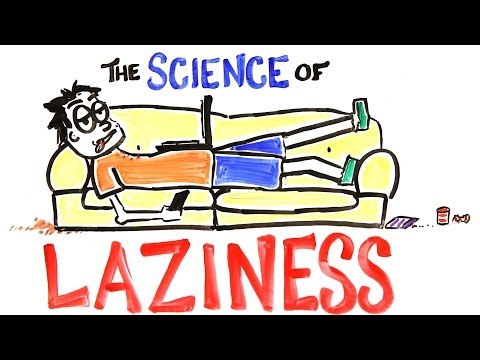
Halu Hsieh posted on 2022/02/09Ever wonder if laziness is in your genes? This video dives into the fascinating science behind why some people are more prone to inactivity, exploring the dopamine system and even a "couch potato gene"! You'll pick up some advanced vocabulary related to genetics and behavior while learning practical tips to boost your exercise motivation.
Learn this video on the APP!
The VoiceTube App has more in-depth practice for videos!