
ability
US /əˈbɪlɪti/
UK /ə'bɪlətɪ/
- Noun (Countable/Uncountable)
- The power, resources or skill to do something
- A particular skill or talent.
A2TOEICMoreaction
US /ˈækʃən/
UK /'ækʃn/
- Noun (Countable/Uncountable)
- Something that a person or thing does
- A lawsuit.
- Intransitive Verb
- To act to do something
A2Moreanswer to
US
UK
- Phrasal Verb
- To be responsible to someone and have to explain your actions to them.
- To correspond to or match a description or requirement.
A1Moreat least
US /æt list/
UK /æt li:st/
- Adverb
- As a minimum
- Not less than
- Phrase
- No less than; at the minimum
- Used to indicate that something is positive in a bad situation.
C2Morebranch
US /bræntʃ/
UK /brɑ:ntʃ/
- Noun
- Part of a family related to the same members
- Part of organization with a specific function
- Verb (Transitive/Intransitive)
- To separate away from the main part
- To extend in a new direction; diverge.
A2TOEICMorecomplicate
US /ˈkɑ:mplɪkeɪt/
UK /ˈkɒmplɪkeɪt/
- Transitive Verb
- To make more difficult to do, understand or use
B1Moredal
US
UK
- Noun (Countable/Uncountable)
- Indian food made from cooked lentils
C1Morefor example
US
UK
- Phrase
- As an illustration or instance.
for instance
US /fɔr ˈɪnstəns/
UK /fɔ: ˈinstəns/
- Adverb
- As an example.
- Phrase
- As an example.
- As an illustration or case in point
B1Morefor one thing
US /fɔr wʌn θɪŋ/
UK /fɔ: wʌn θiŋ/
- Phrase
- Used to introduce a reason for something.
A1Moreget through
US /ɡɛt θru/
UK /ɡet θru:/
- Phrasal Verb
- To arrive at the end of or finish something
- To succeed in contacting someone by phone
A1Moregrammar
US /ˈɡræmɚ/
UK /ˈgræmə(r)/
- Uncountable Noun
- Book describing the syntactic rules of a language
- Rules explaining how words are used in a language
B1Morein fact
US /ɪn fækt/
UK /in fækt/
- Adverb
- Used to emphasize the truth of a statement, especially one that contrasts with or contradicts something else.
- Used to introduce a more detailed or surprising piece of information.
- Phrase
- Used to emphasize the truth of a statement, especially one that is surprising or contrary to what might be expected.
C1Morein general
US /ɪn ˈdʒɛnərəl/
UK /in ˈdʒenərəl/
- Phrase
- Typically; usually; on the whole.
- Not specific or detailed; broadly.
- Adjective
- Not detailed or specific; overall.
C2Moreinstance
US /ˈɪnstəns/
UK /'ɪnstəns/
- Noun (Countable/Uncountable)
- An example of something; case
- An occurrence of something.
- Transitive Verb
- To give as an example of something else
A2TOEICMoreinvolve
US /ɪnˈvɑlv/
UK /ɪn'vɒlv/
- Transitive Verb
- To have or be included as a part of something
- To cause (a person or group) to take part in an event or activity.
A2TOEICMorememorize
US /ˈmɛməˌraɪz/
UK /ˈmeməraɪz/
- Transitive Verb
- To study something so that you remember it
A2Morenative
US /ˈnetɪv/
UK /ˈneɪtɪv/
- Noun (Countable/Uncountable)
- Someone from or born in a specific country
- Original inhabitant, e.g. before others
- Adjective
- Caused by natural ability; innate
A2Moreon the other hand
US
UK
- Phrase
- Considering a different aspect of the matter; alternatively.
A1Morepartly
US /ˈpɑ:rtli/
UK /ˈpɑ:tli/
- Adverb
- In part; not completely
A2Morepractice
US /ˈpræktɪs/
UK /'præktɪs/
- Noun
- The office and place for legal or medical work
- Doing something many times to become better at it
- Verb (Transitive/Intransitive)
- To work as a doctor or lawyer
- To live according to the teachings of a religion
A2TOEICMorepronounce
US /prəˈnaʊns/
UK /prə'naʊns/
- Transitive Verb
- To state something in a legal or official way
- To give your opinion or decision about something
B1Moreroof
US /ruf,rʊf/
UK /ru:f/
- Noun
- Top of the inside a tunnel, cave, mouth etc.
- Cover or top of a building or car
- Transitive Verb
- To place a cover or top onto a building, vehicle
A2Moreshield
US /ʃild/
UK /ʃi:ld/
- Noun
- A family's coat of arms or insignia
- Device used to protect from a harmful force
- Transitive Verb
- To cover (e.g. your face) so as to hide from
- To cover from a dangerous or harmful force
B1Moresouthern
US /ˈsʌðərn/
UK /ˈsʌðən/
- Adjective
- Concerning a region in the south
A2Moresuch as
US /sʌtʃ æz/
UK /sʌtʃ æz/
- Preposition
- For example; like
A1Moretongue
US /tʌŋ/
UK /tʌŋ/
- Noun
- Long, thin part of (e.g. shoe under the laces)
- Meat from the mouth of an animal, cooked as food
- Transitive Verb
- To using your mouth to produce musical notes
- To use your mouth to touch something
A2Moretough
US /tʌf/
UK /tʌf/
- Adjective
- (Of food) difficult to chew or bite through
- Very difficult to do or deal with
- Noun
- A rough and aggressive person.
A2Morewrap
US /ræp/
UK /ræp/
- Countable Noun
- Piece of clothing worn loosely on the shoulders
- Thin bread filled with food and rolled
- Transitive Verb
- To be or move around something
- To cover something with paper or a cloth e.g. gift
B1More
Vocabulary
- for instance: As an example.
- answer to: To be responsible to someone and have to explain your actions to them.
- at least: As a minimum
- for one thing: Used to introduce a reason for something.
- in fact: Used to emphasize the truth of a statement, especially one that contrasts with or contradicts something else.
- in general: Typically; usually; on the whole.
- for example: As an illustration or instance.
- get through: To arrive at the end of or finish something
- such as: For example; like
- on the other hand : Considering a different aspect of the matter; alternatively.
- tough: (Of food) difficult to chew or bite through
- practice: The office and place for legal or medical work
- native: Someone from or born in a specific country
- instance: An example of something; case
- general: Widespread, normal or usual
- consider: To think carefully about something
- wrap: Piece of clothing worn loosely on the shoulders
- sentence: (Of a judge) to decide the punishment of
- ability: The power, resources or skill to do something
- pronounce: To state something in a legal or official way
- tongue: Long, thin part of (e.g. shoe under the laces)
- similar: Nearly the same; alike
- grammar: Book describing the syntactic rules of a language
- involve: To have or be included as a part of something
- complete: To finish or reach the end of doing something
- click: To work well with someone or something
- mind: To be bothered or upset by something
- totally: In a complete way; completely; absolutely
- complicate: To make more difficult to do, understand or use
- lot: What happens to a person in life from chance; fate
- sound: Sensible, dependable and reliable
- shield: A family's coat of arms or insignia
- learn: To get knowledge or skills by study or experience
- fact: Something that is known or proved to be true
- memorize: To study something so that you remember it
- simple: Not hard to understand or do; not complex
- language: Words or signs used to communicate messages
- branch: Part of a family related to the same members
- verb: Word that expresses an action or state
- roof: Top of the inside a tunnel, cave, mouth etc.
- action: Something that a person or thing does
- southern: Concerning a region in the south
- partly: In part; not completely
- dal: Indian food made from cooked lentils
Get the full experience in the app
Learn anywhere with detailed sentence and usage analysis
01:03
She took a brave step forward, leaving behind her comfort zone to chase her dreams.
Vocabulary
- brave
adj. Having courage
- comfort zone
phr. A familiar situation where one feels safe
Explanation
a brave step is a noun phrase, where brave is an adjective modifying the noun step, meaning "a courageous step".
forward is an adverb modifying step, meaning "ahead".
The whole phrase serves as the object, answering the "what" of took (verb) — she took a brave step forward.
Get the full experience in the app
Look up words anytime with pronunciation, part of speech, and usage
brave
US/brev/
UK/breɪv/
adj.Brave
v.t.To bravely face
A2 Elementary
Get the full experience in the app
Practice speaking anytime and get instant pronunciation feedback
Try this speaking exercise.
Try practicing with this sentence.
80
0
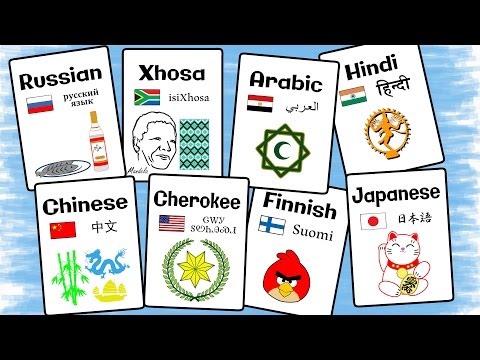
神谷菜々子 posted on 2020/09/14Ever wondered which languages are the toughest to master? This video dives into the fascinating challenges of learning languages like Chinese with its tricky tones and characters, or Russian with its complex verbs! You'll get a great overview of why these languages are considered difficult and pick up some cool insights into pronunciation and grammar along the way.
Learn this video on the APP!
The VoiceTube App has more in-depth practice for videos!