
abundance
US /əˈbʌndəns/
UK /əˈbʌndəns/
- Uncountable Noun
- Quantity that is very large or more than enough
B2Moreanemia
US /əˈnimiə/
UK /ə'ni:mi:ə/
- Uncountable Noun
- Condition of not having enough red blood cells
B2Moreassume
US /əˈsum/
UK /ə'sju:m/
- Transitive Verb
- To act in a false manner to mislead others
- To believe, based on the evidence; suppose
A2TOEICMoreat least
US /æt list/
UK /æt li:st/
- Adverb
- As a minimum
- Not less than
- Phrase
- No less than; at the minimum
- Used to indicate that something is positive in a bad situation.
C2Moreblatantly
US /'bleɪtəntlɪ/
UK /'bleɪtəntlɪ/
- Adverb
- Very obviously; without any shame
B2Moreboil down
US /bɔɪl daʊn/
UK /bɔil daun/
- Phrasal Verb
- To reduce in volume by boiling; to concentrate.
- To be summarized or reduced to the essentials.
A2Morebreakdown
US /ˈbrekˌdaʊn/
UK /'breɪkdaʊn/
- Noun
- When normal activity or behavior stops
B1TOEICMorebubblegum
US /'bʌblɡʌm/
UK /ˈbʌblgʌm/
- Uncountable Noun
- Form of chewing gum
C2Moreburst
US /bɚst/
UK /bɜ:st/
- Verb (Transitive/Intransitive)
- To move (arrive, exit, etc.) suddenly or hurriedly
- To break apart/open in a sudden and violent way
- Noun
- Brief time period when something happens and ends
- A sudden outbreak or display of something.
A2Morecalorie
US /ˈkæləri/
UK /'kælərɪ/
- Noun (Countable/Uncountable)
- Unit for measuring the amount of energy in food
- A kilocalorie, equal to 1000 small calories, used to measure the energy content of food.
B2Morecause
US /kɔz/
UK /kɔ:z/
- Noun
- Belief, goal or organization that people support
- Reason for
- Transitive Verb
- To make something happen; create effect or result
A2Moreconfusion
US /kənˈfjuʒən/
UK /kən'fju:ʒən/
- Uncountable Noun
- Not knowing what to do; state of disorder
B1Moreconsists of
US
UK
- Phrasal Verb
- Is made up or composed of.
A1Moreconsume
US /kənˈsum/
UK /kən'sju:m/
- Transitive Verb
- To eat, drink, buy or use up something
- To take all your energy; focus the attention
A2TOEICMoredecrease
US /dɪˈkris/
UK /dɪˈkri:s/
- Verb (Transitive/Intransitive)
- To reduce the size, amount or number of something
- Uncountable Noun
- Amount by which something has been reduced
B1TOEICMoredeficiency
US /dɪˈfɪʃənsi/
UK /dɪˈfɪʃnsi/
- Noun
- Lack of something that is necessary
B2Moredepression
US /dɪˈprɛʃən/
UK /dɪ'preʃn/
- Noun (Countable/Uncountable)
- Medical condition of a lack of vitality
- Period of unemployment and low economic activity
B2Morediabetes
US /ˌdaɪəˈbitɪs, -tiz/
UK /ˌdaɪəˈbi:ti:z/
- Noun (Countable/Uncountable)
- Illness where there is too much sugar in the blood
- A form of diabetes, usually diagnosed in children and young adults, in which the body does not produce insulin.
B2Morediet
US /ˈdaɪɪt/
UK /'daɪət/
- Intransitive Verb
- To eat special or less food, as to lose weight
- Noun (Countable/Uncountable)
- Plan of eating to reduce weight or improve health
- The usual food and drink consumed by an organism (person or animal)
A2TOEICMoredub
US /dʌb/
UK /dʌb/
- Transitive Verb
- To add a new soundtrack to an audio recording
- To give (a person or place) a name or nickname
B2Moreelusive
US /ɪˈlusɪv/
UK /iˈlu:sɪv/
- Adjective
- Difficult to find or catch
- Difficult to understand or define
B2Moreexcess
US /ˈɛkˌsɛs/
UK /ɪkˈses/
- Noun (Countable/Uncountable)
- Amount that is more than necessary or over a limit
- An extra amount.
- Verb (Transitive/Intransitive)
- To be more than or go beyond.
B1Morefatigue
US /fəˈtiɡ/
UK /fəˈti:g/
- Uncountable Noun
- Breaking due to being moved or bent many times
- Being very tired
- Transitive Verb
- To cause someone or something to become very tired
B2Morefend
US /fɛnd/
UK /fend/
- Verb (Transitive/Intransitive)
- To try to manage for yourself without assistance
B2Morego on
US /ɡo ɑn/
UK /ɡəu ɔn/
- Phrasal Verb
- To continue doing something
- To happen (usually negative)
- Interjection
- Used to encourage someone
A1Morehandful
US /ˈhændˌfʊl/
UK /'hændfʊl/
- Noun (Countable/Uncountable)
- an amount of something that can be held in one hand; small quantity or amount of people or things
- A thing requiring great effort to control, manage
B1Morehave to
US /hæv tu/
UK /ˈhæv tə/
- Auxiliary Verb
- Must do
A1Morehypothesis
US /haɪˈpɑθɪsɪs/
UK /haɪˈpɒθəsɪs/
- Noun
- A theory trying to explain something
- A supposition or proposed explanation made on the basis of limited evidence as a starting point for further investigation.
B1Moreignore
US /ɪɡˈnɔr, -ˈnor/
UK /ɪɡ'nɔ:(r)/
- Transitive Verb
- To not listen to, look at, or pay attention to
A2TOEICMoreimpact
US /ˈɪmˌpækt/
UK /'ɪmpækt/
- Noun
- A striking effect or result to hit with force
- Act or force of one thing hitting something else
- Verb (Transitive/Intransitive)
- To hit or strike someone or something with force
- To have a strong effect on someone or something.
A2TOEICMorein all honesty
US
UK
- Phrase
- Speaking truthfully and sincerely; frankly.
in fact
US /ɪn fækt/
UK /in fækt/
- Adverb
- Used to emphasize the truth of a statement, especially one that contrasts with or contradicts something else.
- Used to introduce a more detailed or surprising piece of information.
- Phrase
- Used to emphasize the truth of a statement, especially one that is surprising or contrary to what might be expected.
C1Morein terms of
US
UK
- Phrase
- With regard to; concerning a particular aspect.
A1Morein the long run
US
UK
- Phrase
- Eventually; over a long period of time.
A1Morejunk
US /dʒʌŋk/
UK /dʒʌŋk/
- Uncountable Noun
- Something that is old, useless, or has no value
- Transitive Verb
- To get rid of something because it has no value
B1Morelack
US /læk/
UK /læk/
- Verb (Transitive/Intransitive)
- To not have, or not have enough, of something
- Uncountable Noun
- The state of not having or not having enough of
A2TOEICMorelean
US /lin/
UK /li:n/
- Verb (Transitive/Intransitive)
- To balance against or on something for support
- To have a tendency to do something; favor
- Adjective
- Having a low fat content
- Efficient; well-designed with no waste
A2Morelook at
US /lʊk æt/
UK /luk æt/
- Phrasal Verb
- To use your eyes to focus on something
- To focus your eyes on something carefully
A1Moremalnutrition
US /ˌmælnu:ˈtrɪʃn/
UK /ˌmælnju:ˈtrɪʃn/
- Uncountable Noun
- Not having enough to eat, or having a poor diet
C1Moremerit
US /ˈmɛrɪt/
UK /ˈmerɪt/
- Transitive Verb
- To earn something, such as praise or a reward
- To earn something, such as praise or a reward
- Noun (Countable/Uncountable)
- State of being high quality or valuable
- A good quality or feature that deserves praise
B1TOEICMoremineral
US /ˈmɪnərəl/
UK /'mɪnərəl/
- Noun (Countable/Uncountable)
- Substance naturally formed in the ground
B1Morenutrition
US /nuˈtrɪʃən, nju-/
UK /njuˈtrɪʃn/
- Uncountable Noun
- Scientific study of the effects of foods on health
- Food and other things you eat or drink
B1Moreobsess
US /əbˈsɛs, ɑb-/
UK /əbˈses/
- Verb (Transitive/Intransitive)
- To talk or think about someone, something too much
- To think about something to an excessive degree
C1Moreof course
US /ʌv kɔː(r)s/
UK /ɔv kɔː(r)s/
- Adverb
- Sure ; Certainly
- Phrase
- For sure; certainly
A2Morepan out
US /pæn aʊt/
UK /pæn aut/
- Phrasal Verb
- (Of events) to happen as you expected them to
- To develop in a particular way.
A2Morepowder
US /ˈpaʊdɚ/
UK /'paʊdə(r)/
- Noun (Countable/Uncountable)
- Dry material made up of small powder-like pieces
- Dry and light form of snow
- Transitive Verb
- To apply a dust onto the body or face
- To reduce to powder; pulverize.
B1Moreprevent
US /prɪˈvɛnt/
UK /prɪ'vent/
- Transitive Verb
- To stop something from happening or existing
A2TOEICMoreprocess
US /ˈprɑsˌɛs, ˈproˌsɛs/
UK /prə'ses/
- Transitive Verb
- To organize and use data in a computer
- To deal with official forms in the way required
- Noun (Countable/Uncountable)
- Dealing with official forms in the way required
- Set of changes that occur slowly and naturally
A2TOEICMoreprotein
US /ˈprəʊˌtiːn/
UK /ˈprəʊti:n/
- Noun (Countable/Uncountable)
- Group of molecules made from amino acids
B1Morerelentlessly
US /rɪˈlɛntlɪslɪ/
UK /rɪ'lentləslɪ/
- Adverb
- Continuing without slowing or losing strength
- In a harsh or inflexible manner; without ceasing.
C1Moreroughly
US /ˈrʌflɪ/
UK /ˈrʌfli/
- Adverb
- Approximately; (of numbers) about; around
- In a manner that is violent or not careful
B1Moresaturate
US /ˈsætʃəˌret/
UK /ˈsætʃəreɪt/
- Transitive Verb
- To cause a liquid to not be able to absorb more
- To try to fill up e.g. a market
B2Morescale
US /skel/
UK /skeɪl/
- Noun (Countable/Uncountable)
- Size, level, or amount when compared
- Small hard plates that cover the body of fish
- Verb (Transitive/Intransitive)
- To change the size of but keep the proportions
- To climb something large (e.g. a mountain)
A2TOEICMoresignificant
US /sɪɡˈnɪfɪkənt/
UK /sɪgˈnɪfɪkənt/
- Adjective
- Large enough to be noticed or have an effect
- Having meaning; important; noticeable
A2TOEICMorestarve
US /stɑ:rv/
UK /stɑ:v/
- Verb (Transitive/Intransitive)
- To (cause to) be hungry or go without food
- To need or desire very strongly
B1Morestrength
US /strɛŋkθ, strɛŋθ, strɛnθ/
UK /streŋθ/
- Noun (Countable/Uncountable)
- Condition of being strong
- The quality or state of being physically strong.
A2TOEICMoresuch as
US /sʌtʃ æz/
UK /sʌtʃ æz/
- Preposition
- For example; like
A1Moresupplement
US /ˈsʌpləmənt/
UK /'sʌplɪmənt/
- Noun (Countable/Uncountable)
- Added extra to support or make something complete
- Vitamins, etc. added to diet for health reasons
- Transitive Verb
- To add extra to support or make something complete
B1TOEICMoretheory
US /ˈθiəri, ˈθɪri/
UK /ˈθiəri/
- Noun (Countable/Uncountable)
- Ideas or principles that explain facts or events
- An idea or belief about something
A2TOEICMorework in
US /wɚk ɪn/
UK /wə:k in/
- Phrasal Verb
- To make an opening for something in your schedule
- To fit person/thing into a schedule or sequence
A1Morework out
US /wɚk aʊt/
UK /wə:k aut/
- Phrasal Verb
- To find a way to do something, by thinking
A1More
Vocabulary
- in fact: Used to emphasize the truth of a statement, especially one that contrasts with or contradicts something else.
- such as: For example; like
- go on: To continue doing something
- have to: Must do
- boil down: To reduce in volume by boiling; to concentrate.
- in all honesty: Speaking truthfully and sincerely; frankly.
- consists of: Is made up or composed of.
- in terms of
- at least: As a minimum
- look at: To use your eyes to focus on something
- work out
- of course: Sure ; Certainly
- in the long run: Eventually; over a long period of time.
- pan out: (Of events) to happen as you expected them to
- work in: To make an opening for something in your schedule
- fatigue: Breaking due to being moved or bent many times
- assume: To act in a false manner to mislead others
- significant: Large enough to be noticed or have an effect
- process: To organize and use data in a computer
- depression: Medical condition of a lack of vitality
- diabetes: Illness where there is too much sugar in the blood
- scale: Size, level, or amount when compared
- impact: A striking effect or result to hit with force
- strength: Condition of being strong
- consume: To eat, drink, buy or use up something
- amount: Quantity of something
- roughly: Approximately; (of numbers) about; around
- protein: Group of molecules made from amino acids
- prevent: To stop something from happening or existing
- lack: To not have, or not have enough, of something
- lean: To balance against or on something for support
- elusive: Difficult to find or catch
- theory: Ideas or principles that explain facts or events
- abundance: Quantity that is very large or more than enough
- hypothesis: A theory trying to explain something
- ignore: To not listen to, look at, or pay attention to
- excess: Amount that is more than necessary or over a limit
- handful: an amount of something that can be held in one hand; small quantity or amount of people or things
- cause: Belief, goal or organization that people support
- burst: To move (arrive, exit, etc.) suddenly or hurriedly
- nutrition: Scientific study of the effects of foods on health
- diet: To eat special or less food, as to lose weight
- obsess: To talk or think about someone, something too much
- supplement: Added extra to support or make something complete
- junk: Something that is old, useless, or has no value
- mineral: Substance naturally formed in the ground
- deficiency: Lack of something that is necessary
- decrease: To reduce the size, amount or number of something
- starve: To (cause to) be hungry or go without food
- confusion: Not knowing what to do; state of disorder
- fact: Something that is known or proved to be true
- merit: To earn something, such as praise or a reward
- malnutrition: Not having enough to eat, or having a poor diet
- breakdown: When normal activity or behavior stops
- calorie: Unit for measuring the amount of energy in food
- anemia: Condition of not having enough red blood cells
- blatantly: Very obviously; without any shame
- wide: Having a great distance from one side to the other
- dub: To add a new soundtrack to an audio recording
- healthy: In good condition physically, or financially; well
- train: Line of people, animals moving the same direction
- relentlessly: Continuing without slowing or losing strength
- powder: Dry material made up of small powder-like pieces
- fend: To try to manage for yourself without assistance
- work: The product of some artistic or literary endeavor
- voila
- want: To desire or wish for something; hope for a thing
- lose: To be unable to keep in check or control something
- saturate: To cause a liquid to not be able to absorb more
- answer: To reply to a question someone asks
- forget: To not remember something
- health: (Person, company) being in a good condition; well
- show: To be easily seen or displayed
- need: To be unable to manage without something; require
- short: (Of electric circuit) to spark because faulty
- bubblegum: Form of chewing gum
Get the full experience in the app
Learn anywhere with detailed sentence and usage analysis
01:03
She took a brave step forward, leaving behind her comfort zone to chase her dreams.
Vocabulary
- brave
adj. Having courage
- comfort zone
phr. A familiar situation where one feels safe
Explanation
a brave step is a noun phrase, where brave is an adjective modifying the noun step, meaning "a courageous step".
forward is an adverb modifying step, meaning "ahead".
The whole phrase serves as the object, answering the "what" of took (verb) — she took a brave step forward.
Get the full experience in the app
Look up words anytime with pronunciation, part of speech, and usage
brave
US/brev/
UK/breɪv/
adj.Brave
v.t.To bravely face
A2 Elementary
Get the full experience in the app
Practice speaking anytime and get instant pronunciation feedback
Try this speaking exercise.
Try practicing with this sentence.
80
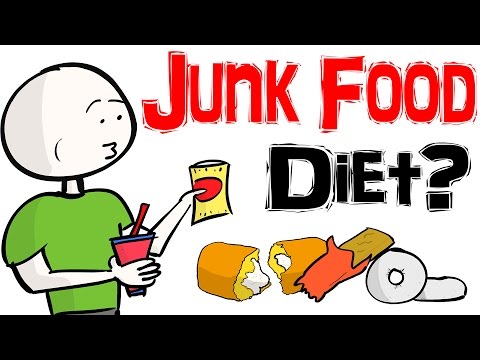
Eat Junk Food and Lose Weight! WHAT?!
0
doris.lai posted on 2020/10/06Can you really lose weight eating junk food? This video dives into a fascinating diet experiment that might surprise you, exploring the science behind calorie deficits and the potential pitfalls of a Twinkie-only diet. You'll pick up advanced vocabulary related to nutrition and weight loss while learning about this eye-opening study!
Learn this video on the APP!
The VoiceTube App has more in-depth practice for videos!