
admit
US /ædˈmɪt/
UK /əd'mɪt/
- Transitive Verb
- To acknowledge that something is true or right
- To allow someone to enter
A2TOEICMoreappetite
US /ˈæpɪˌtaɪt/
UK /'æpɪtaɪt/
- Noun
- Feeling of hunger or desire for something
B1Moreat least
US /æt list/
UK /æt li:st/
- Adverb
- As a minimum
- Not less than
- Phrase
- No less than; at the minimum
- Used to indicate that something is positive in a bad situation.
C2Moreboost
US /bust/
UK /bu:st/
- Transitive Verb
- To increase something; to make something better
- To push someone or something up from beneath them
- Noun (Countable/Uncountable)
- An increase in something
B1TOEICMorechannel
US /ˈtʃænəl/
UK /'tʃænl/
- Noun (Countable/Uncountable)
- Long hole dug in the ground, e.g. to move water
- TV or radio station or its programs
- Transitive Verb
- To dig a long hole for carrying water
- To send (e.g. money) to a certain place or person
B1Morechronic
US /ˈkrɑnɪk/
UK /'krɒnɪk/
- Adjective
- Always or often doing something, e.g. lying
- (Of disease) over a long time; serious
B1Moreclinical
US /ˈklɪnɪkəl/
UK /ˈklɪnɪkl/
- Adjective
- Concerning the treatment or observing patients
- Using scientific techniques and precision
B1Moreconcentration
US /ˌkɑ:nsnˈtreɪʃn/
UK /ˌkɒnsnˈtreɪʃn/
- Noun (Countable/Uncountable)
- Amount or number of something in a thing or place
- Paying (a lot of) attention to a task
A2Moredelicate
US /ˈdɛlɪkɪt/
UK /'delɪkət/
- Adjective
- Easily broken or damaged
- Finely made, with great care
B1Moredepress
US /dɪˈprɛs/
UK /dɪ'pres/
- Transitive Verb
- To make someone feel sad or miserable
- To push something down
B2Moredepression
US /dɪˈprɛʃən/
UK /dɪ'preʃn/
- Noun (Countable/Uncountable)
- Medical condition of a lack of vitality
- Period of unemployment and low economic activity
B2Moredepressive
US /dɪˈprɛsɪv/
UK /dɪˈpresɪv/
- Adjective
- Suffering a psychological lack of happiness
B2Moredescription
US /dɪˈskrɪpʃən/
UK /dɪˈskrɪpʃn/
- Noun
- Explanation of what something is like, looks like
- The type or nature of someone or something.
A2TOEICMoredisease
US /dɪˈziz/
UK /dɪˈzi:z/
- Noun (Countable/Uncountable)
- Illness that affects a person, animal, or plant
- A disorder of structure or function in a plant, especially one caused by a pathogen.
- Transitive Verb
- To affect with disease; to corrupt or sicken.
A2TOEICMoredisorder
US /dɪsˈɔrdɚ/
UK /dɪs'ɔ:də(r)/
- Uncountable Noun
- State of confusion or a lack of organization
- Illness when the body is not functioning well
- Transitive Verb
- To disrupt the order or arrangement of something.
B2Moredive
US /daɪv/
UK /daɪv/
- Noun (Countable/Uncountable)
- Restaurant, bar or club with a bad reputation
- Rapid fall through air
- Intransitive Verb
- To swim deep under water with an air supply
- To rapid fall through air
B1Moredown and out
US /daʊn ənd aʊt/
UK /daun ænd aut/
- Adjective
- Without money, a job, or a place to live; destitute.
- Defeated and dispirited; in a state of despair.
- Noun
- A person who is destitute and homeless.
A1Moreemotional
US /ɪˈmoʃənəl/
UK /ɪˈməʊʃənl/
- Adjective
- Causing, feeling, or appealing to the emotions
- Relating to or characterized by emotion
A2Morefor example
US
UK
- Phrase
- As an illustration or instance.
for free
US /fɔr fri/
UK /fɔ: fri:/
- Phrase
- Without charge; at no cost.
- Adjective
- Available without payment.
A2Moreget through
US /ɡɛt θru/
UK /ɡet θru:/
- Phrasal Verb
- To arrive at the end of or finish something
- To succeed in contacting someone by phone
A1Moregut
US /ɡʌt/
UK /ɡʌt/
- Transitive Verb
- To destroy the inside of a building , e.g. by fire
- To remove the internal parts of an animal or fish
- Noun (Countable/Uncountable)
- Stomach and internal organs of digestion
B1Morehormone
US /ˈhɔrˌmon/
UK /'hɔ:məʊn/
- Noun
- Chemical produced by the body to control functions
B2Moreimmune
US /ɪˈmjoon/
UK /ɪˈmju:n/
- Adjective
- Having a special protection from, e.g. the law
- Protected against a particular disease or condition because of antibodies or vaccination.
B1Morein fact
US /ɪn fækt/
UK /in fækt/
- Adverb
- Used to emphasize the truth of a statement, especially one that contrasts with or contradicts something else.
- Used to introduce a more detailed or surprising piece of information.
- Phrase
- Used to emphasize the truth of a statement, especially one that is surprising or contrary to what might be expected.
C1Moreinsight
US /ˈɪnˌsaɪt/
UK /'ɪnsaɪt/
- Noun (Countable/Uncountable)
- Power to understand people and things very well
- Very good understanding of something
B1Moreirritation
US /ˌɪrɪˈteʃən/
UK /ˌɪrɪ'teɪʃn/
- Uncountable Noun
- Feeling or state of being annoyed or upset
- Feeling of pain and soreness on a part of the body
B1TOEICMorelead to
US /lid tu/
UK /li:d tu:/
- Phrasal Verb
- To result in some action
- Verb (Transitive/Intransitive)
- To have something as a consequence or result.
A1Moremental
US /ˈmɛntl/
UK /ˈmentl/
- Adjective
- Concerning the mind
A2TOEICMorenegative
US /ˈnɛɡətɪv/
UK /'neɡətɪv/
- Noun
- The opposite to a positive electrical charge
- In grammar, containing words such as 'no' or 'not'
- Adjective
- Being harmful, unwanted or unhelpful
- In mathematics, being less than zero
A2Moreno matter
US
UK
- Conjunction
- Regardless of; it does not matter.
- Adverb
- Regardless of; it is not important
A1Morephysical
US /ˈfɪzɪkəl/
UK /ˈfɪzɪkl/
- Countable Noun
- Health check at the doctors' or hospital
- Adjective
- Concerning the body of a person
- Concerning things that can be seen or touched
A2Morephysically
US /ˈfɪzɪkəlɪ/
UK /'fɪzɪklɪ/
- Adverb
- In a manner related to the body
- Concerning reality or the laws of nature
A2Morerecommend
US /ˌrɛkəˈmɛnd/
UK /ˌrekə'mend/
- Transitive Verb
- To advise or suggest that someone do something
- To endorse or support something publicly.
A2TOEICMorerelief
US /rɪˈlif/
UK /rɪˈli:f/
- Noun (Countable/Uncountable)
- Aid given to people in need as after war/disaster
- Artwork, e.g. part of wall, that partly sticks out
B1TOEICMorereward
US /rɪˈwɔrd/
UK /rɪ'wɔ:d/
- Transitive Verb
- To give something because of someone's good work
- To give someone money for helping the police
- Noun
- Money given for information about criminals
- Something given in recognition of service, effort, or achievement.
A2TOEICMoreroughly
US /ˈrʌflɪ/
UK /ˈrʌfli/
- Adverb
- Approximately; (of numbers) about; around
- In a manner that is violent or not careful
B1Moreroutine
US /ruˈtin/
UK /ru:ˈti:n/
- Adjective
- Happening or done regularly or habitually
- Always the same; boring through lack of variety
- Noun (Countable/Uncountable)
- Regular or habitual way of behaving or doing
- Series of actions that make up a performance
A2TOEICMoreserotonin
US /ˌserəˈtoʊnɪn/
UK /ˌserəˈtəʊnɪn/
- Uncountable Noun
- A neurotransmitter in the brain that helps regulate mood, sleep, appetite, and emotional well-being; often referred to as the "feel-good" hormone.
C2Moreslip
US /slɪp/
UK /slɪp/
- Noun (Countable/Uncountable)
- Act of beginning to fall from losing balance
- A field position in cricket
- Verb (Transitive/Intransitive)
- To begin to fall as a result of losing balance
- To escape or become free from something
B1TOEICMoreslip into
US /slɪp ˈɪntu/
UK /slip ˈɪntuː/
- Phrasal Verb
- To quickly put on (a piece of clothing).
- To gradually enter a particular state or situation, especially a negative one.
A1Morespeak to
US /spik tu/
UK /spi:k tu:/
- Verb (Transitive/Intransitive)
- To address or communicate with someone.
- To indicate or suggest something; to be relevant to.
A1Morestress
US / strɛs/
UK /stres/
- Transitive Verb
- To emphasize one or more parts of a word, sentence
- To put pressure on something or someone
- Noun (Countable/Uncountable)
- Emphasis on part of a word or sentence
- Pressure on something or someone
A2TOEICMoresuffer
US / ˈsʌfɚ/
UK /'sʌfə(r)/
- Verb (Transitive/Intransitive)
- To experience pain, illness, or injury
- To allow or permit something, especially something unpleasant.
A2Moresuicide
US /ˈsuɪˌsaɪd/
UK /'su:ɪsaɪd/
- Noun
- Act of purposely killing yourself
- Act that ruins a person's career, status etc.
B2Moretalking about
US
UK
- Phrasal Verb
- To discuss a particular topic.
- To be constantly mentioning or bringing up a subject.
A1Morethe leading cause
US
UK
- Phrase
- The most significant or primary reason for something.
A1Moretheory
US /ˈθiəri, ˈθɪri/
UK /ˈθiəri/
- Noun (Countable/Uncountable)
- Ideas or principles that explain facts or events
- An idea or belief about something
A2TOEICMoretherapist
US /ˈθɛrəpɪst/
UK /ˈθerəpɪst/
- Noun (Countable/Uncountable)
- Person skilled in a particular type of therapy
B2Moretrigger
US /ˈtrɪɡɚ/
UK /'trɪɡə(r)/
- Noun
- Lever on a gun that you pull to fire
- Device that starts a process
- Transitive Verb
- To start a process off e.g. a memory
- To cause something to begin or happen.
B1Moreused to
US /juzd tu/
UK /ˈju:st tə/
- Adjective
- Did regularly before, but don't do now
- Auxiliary Verb
- Have done before, but do not do now
A1More
Vocabulary
- used to: Did regularly before, but don't do now
- get through: To arrive at the end of or finish something
- lead to: To result in some action
- slip into: To quickly put on (a piece of clothing).
- at least: As a minimum
- the leading cause: The most significant or primary reason for something.
- in fact: Used to emphasize the truth of a statement, especially one that contrasts with or contradicts something else.
- for example: As an illustration or instance.
- no matter: Regardless of; it does not matter.
- talking about: To discuss a particular topic.
- for free: Without charge; at no cost.
- speak to: To address or communicate with someone.
- down and out: Without money, a job, or a place to live; destitute.
- chronic: Always or often doing something, e.g. lying
- immune: Having a special protection from, e.g. the law
- mental: Concerning the mind
- depression: Medical condition of a lack of vitality
- trigger: Lever on a gun that you pull to fire
- physical: Health check at the doctors' or hospital
- recommend: To advise or suggest that someone do something
- boost: To increase something; to make something better
- evidence: Factual proof that helps to establish the truth
- routine: Happening or done regularly or habitually
- delicate: Easily broken or damaged
- description: Explanation of what something is like, looks like
- disorder: State of confusion or a lack of organization
- negative: The opposite to a positive electrical charge
- treat: To pay for the food or enjoyment of someone else
- appetite: Feeling of hunger or desire for something
- disease: Illness that affects a person, animal, or plant
- emotional: Causing, feeling, or appealing to the emotions
- reward: To give something because of someone's good work
- stress: To emphasize one or more parts of a word, sentence
- roughly: Approximately; (of numbers) about; around
- gut: To destroy the inside of a building , e.g. by fire
- hormone: Chemical produced by the body to control functions
- admit: To acknowledge that something is true or right
- slip: Act of beginning to fall from losing balance
- concentration: Amount or number of something in a thing or place
- theory: Ideas or principles that explain facts or events
- insight: Power to understand people and things very well
- brain: To strike someone forcefully on the head
- suffer: To experience pain, illness, or injury
- similar: Nearly the same; alike
- physically: In a manner related to the body
- therapist: Person skilled in a particular type of therapy
- complete: To finish or reach the end of doing something
- serotonin: A neurotransmitter in the brain that helps regulate mood, sleep, appetite, and emotional well-being; often referred to as the "feel-good" hormone.
- lead: Wire for electricity, computer, etc.; cable
- relief: Aid given to people in need as after war/disaster
- mood: Emotion or a state of mind; how you feel
- dive: Restaurant, bar or club with a bad reputation
- provide: To make available; to supply for use
- click: To work well with someone or something
- clinical: Concerning the treatment or observing patients
- mind: To be bothered or upset by something
- suggest: To mention something that could be done; propose
- noggin: A human head
- suicide: Act of purposely killing yourself
- channel: Long hole dug in the ground, e.g. to move water
- sign: Indication that something exists or will happen
- irritation: Feeling or state of being annoyed or upset
- pain: Strong feeling of hurt or discomfort
- control: A device designed to operate a machine
- depress: To make someone feel sad or miserable
- depressive: Suffering a psychological lack of happiness
Get the full experience in the app
Learn anywhere with detailed sentence and usage analysis
01:03
She took a brave step forward, leaving behind her comfort zone to chase her dreams.
Vocabulary
- brave
adj. Having courage
- comfort zone
phr. A familiar situation where one feels safe
Explanation
a brave step is a noun phrase, where brave is an adjective modifying the noun step, meaning "a courageous step".
forward is an adverb modifying step, meaning "ahead".
The whole phrase serves as the object, answering the "what" of took (verb) — she took a brave step forward.
Get the full experience in the app
Look up words anytime with pronunciation, part of speech, and usage
brave
US/brev/
UK/breɪv/
adj.Brave
v.t.To bravely face
A2 Elementary
Get the full experience in the app
Practice speaking anytime and get instant pronunciation feedback
Try this speaking exercise.
Try practicing with this sentence.
80
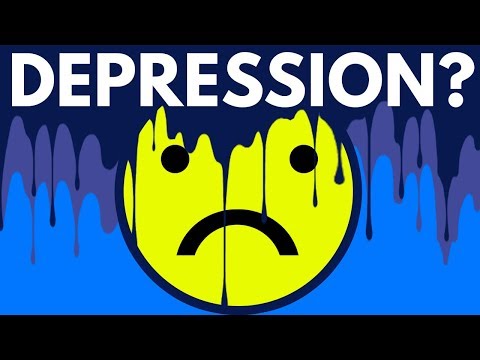
How Do You Know If You Have Depression?
0
doris.lai posted on 2020/10/09Ever wondered about the signs of depression or how it affects the brain? This video breaks down complex topics like brain circuits and psychosomatic symptoms with insights from a licensed therapist, making it a fantastic way to learn advanced vocabulary and gain knowledge about mental health.
Learn this video on the APP!
The VoiceTube App has more in-depth practice for videos!