
accessible
US /ækˈsɛsəbəl/
UK /əkˈsesəbl/
- Adjective
- Able to be entered, reached or used
- Easy to understand.
A2Moreadapt
US /əˈdæpt/
UK /ə'dæpt/
- Transitive Verb
- To change something for a different function
- To change something to fit or suit a new purpose
- Intransitive Verb
- To change your behaviour so that it is easier to live in a new place or situation
B1TOEICMoreanxiety
US /æŋˈzaɪɪti/
UK /æŋ'zaɪətɪ/
- Uncountable Noun
- A feeling of worry, nervousness, or unease about something that might happen, especially when the outcome is uncertain.
B1Moreat night
US /æt naɪt/
UK /æt nait/
- Phrase
- During the night; in the nighttime.
A1Moreat the end of the day
US
UK
- Phrase
- Ultimately; when everything else is considered.
- After a day's work or activities.
A1Morecompanionship
US /kəmˈpænjənˌʃɪp/
UK /kəmˈpæniənʃɪp/
- Uncountable Noun
- Good feeling from being with someone else
B1Morecoordinate
US /ko'ɔrdəˈnet/
UK /kəʊ'ɔ:dɪneɪt/
- Transitive Verb
- To match styles or colors that go well together
- To cause body parts to move smoothly together
- Noun
- Point on a map defining a location e.g. 135N, 34W
- A matching set of clothes.
B1Morecounsel
US /ˈkaʊnsəl/
UK /ˈkaʊnsl/
- Verb (Transitive/Intransitive)
- To listen and give expert advice to someone
- To advise (someone) on legal matters.
- Uncountable Noun
- Advice or guidance.
B1Moredepress
US /dɪˈprɛs/
UK /dɪ'pres/
- Transitive Verb
- To make someone feel sad or miserable
- To push something down
B2Moredepression
US /dɪˈprɛʃən/
UK /dɪ'preʃn/
- Noun (Countable/Uncountable)
- Medical condition of a lack of vitality
- Period of unemployment and low economic activity
B2Moredescription
US /dɪˈskrɪpʃən/
UK /dɪˈskrɪpʃn/
- Noun
- Explanation of what something is like, looks like
- The type or nature of someone or something.
A2TOEICMoredisorder
US /dɪsˈɔrdɚ/
UK /dɪs'ɔ:də(r)/
- Uncountable Noun
- State of confusion or a lack of organization
- Illness when the body is not functioning well
- Transitive Verb
- To disrupt the order or arrangement of something.
B2Moredisrupt
US /dɪsˈrʌpt/
UK /dɪsˈrʌpt/
- Transitive Verb
- To cause a disturbance in an activity in progress
B2TOEICMoredue to
US /du tu/
UK /dju: tu:/
- Preposition
- Because of; owing to
- Adjective
- Attributable to; caused by.
A1Moreexcessive
US /ɪkˈsɛsɪv/
UK /ɪkˈsesɪv/
- Adjective
- Beyond what is usual or proper
B2Moreguilty
US /ˈɡɪlti/
UK /'ɡɪltɪ/
- Adjective
- Responsible for doing something wrong
- Feeling or showing guilt; having a sense of remorse.
A2TOEICMoreinteraction
US /ˌɪntɚˈækʃən/
UK /ˌɪntər'ækʃn/
- Noun (Countable/Uncountable)
- Process of people or things affecting each other
- The activity of talking to other people, working together etc
A2Moreinternal
US /ɪnˈtɚnəl/
UK /inˈtə:nəl/
- Adjective
- Being or happening in the body
- Being, happening in a country, state, organization
B1TOEICMoreinterrupt
US /ˌɪntəˈrʌpt/
UK /ˌɪntə'rʌpt/
- Verb (Transitive/Intransitive)
- To stop something from happening for a while
- To stop someone from speaking by saying or doing something.
- Noun
- A signal that stops a computer from working on one thing and starts it working on something else.
B1TOEICMoreisolation
US /ˌaɪsəˈleʃən/
UK /ˌaɪsəˈleɪʃn/
- Uncountable Noun
- Condition of being in a distinct, separate place
- Process of separating things from other things
B1Morejournal
US /ˈdʒɚnəl/
UK /ˈdʒə:nl/
- Noun (Countable/Uncountable)
- A diary; record of what you do every day
- Magazine of academic papers
B1TOEICMorekick in
US /kɪk ɪn/
UK /kik in/
- Phrasal Verb
- (Of a medicine, plan, etc.) to start to have an effect; become operative
- To contribute money to a common fund or purpose.
A1Morelack
US /læk/
UK /læk/
- Verb (Transitive/Intransitive)
- To not have, or not have enough, of something
- Uncountable Noun
- The state of not having or not having enough of
A2TOEICMorelead to
US /lid tu/
UK /li:d tu:/
- Phrasal Verb
- To result in some action
- Verb (Transitive/Intransitive)
- To have something as a consequence or result.
A1Moreloneliness
US /ˈlonlɪnɪs/
UK /'ləʊnlɪnəs/
- Uncountable Noun
- State of feeling sad because you are alone
- A feeling of being isolated from others, even when surrounded by people.
B2Moremaintain
US /menˈten/
UK /meɪn'teɪn/
- Transitive Verb
- To keep saying something a certain way
- To keep (machine) working by checking, repairing
A2TOEICMoremental
US /ˈmɛntl/
UK /ˈmentl/
- Adjective
- Concerning the mind
A2TOEICMoremention
US /ˈmɛnʃən/
UK /'menʃn/
- Transitive Verb
- To refer to or talk or write about something
- Uncountable Noun
- Act of referring to or talking about something
- A formal acknowledgement of something
A2TOEICMoremission
US /ˈmɪʃən/
UK /'mɪʃn/
- Noun (Countable/Uncountable)
- A task or role someone is given to do
- Special assignment given to a person or group
B1TOEICMorenegative
US /ˈnɛɡətɪv/
UK /'neɡətɪv/
- Noun
- The opposite to a positive electrical charge
- In grammar, containing words such as 'no' or 'not'
- Adjective
- Being harmful, unwanted or unhelpful
- In mathematics, being less than zero
A2Morenighttime
US /'naɪtˌtaɪm/
UK /'naɪttaɪm/
- Uncountable Noun
- Time after sunset and before sunrise
C2Moreodd
US /ɑd/
UK /ɒd/
- Adjective
- Being unmatched with someone or something
- Being a number not able to be divided by two
A2Moreonline
US /ˌɑ:nˈlaɪn/
UK /ˌɒnˈlaɪn/
- Adjective
- Connected to the internet
- Adverb
- Via the internet.
B1Moreover time
US /ˈovɚ taɪm/
UK /ˈəuvə taim/
- Phrase
- Gradually; as time passes.
- During a long period.
- Adverb
- Gradually; as time passes.
B1Moreovertime
US /ˈovɚˌtaɪm/
UK /'əʊvətaɪm/
- Uncountable Noun
- Extra time in a sports game
- Time worked in addition to regular working hours.
- Adverb
- Beyond the regular working hours.
B2TOEICMoreplatform
US /ˈplætˌfɔrm/
UK /'plætfɔ:m/
- Noun (Countable/Uncountable)
- Flat, raised structure that people stand on
- Area from which you board a train at a station
B1Moreprone
US /proʊn/
UK /prəʊn/
- Adjective
- Lying flat with your head facing the ground
- Likely to have, do or be (usually something bad)
B2TOEICMoreproperly
US /ˈprɑːpərli/
UK /ˈprɔpəlɪ/
- Adverb
- In an appropriate or correct manner
- In a way that is suitable or appropriate.
A2Morepsychology
US /saɪˈkɑlədʒi/
UK /saɪ'kɒlədʒɪ/
- Uncountable Noun
- The study of the mind and how it affects behavior
- Way in which a person or group thinks and behaves
C2Morerecommend
US /ˌrɛkəˈmɛnd/
UK /ˌrekə'mend/
- Transitive Verb
- To advise or suggest that someone do something
- To endorse or support something publicly.
A2TOEICMoreremain
US /rɪˈmen/
UK /rɪˈmeɪn/
- Intransitive Verb
- To be left behind; to continue to exist
- To stay in a place when other people have gone
A2TOEICMorerhythm
US /ˈrɪðəm/
UK /ˈrɪðəm/
- Noun (Countable/Uncountable)
- Pattern of events, motions, or changes
- A pattern of sound and beats in music
A2Moreslip
US /slɪp/
UK /slɪp/
- Noun (Countable/Uncountable)
- Act of beginning to fall from losing balance
- A field position in cricket
- Verb (Transitive/Intransitive)
- To begin to fall as a result of losing balance
- To escape or become free from something
B1TOEICMoresneak
US /snik/
UK /sni:k/
- Verb (Transitive/Intransitive)
- To move around in a way so no one will see you
- To take something somewhere/give secretly
- Intransitive Verb
- To move around in such a way no one will see you
B2Moresneak in
US /snik ɪn/
UK /sni:k in/
- Phrasal Verb
- To enter a place secretly and quietly, usually without permission.
C2Moresome time ago
US /sʌm taɪm əˈɡo/
UK /sʌm taim əˈɡəu/
- Phrase
- At a point in the past; not recently.
A1Morestay up
US /ste ʌp/
UK /stei ʌp/
- Phrasal Verb
- To not go to bed until late
A1Moretalking about
US
UK
- Phrasal Verb
- To discuss a particular topic.
- To be constantly mentioning or bringing up a subject.
A1Moretend
US /tɛnd/
UK /tend/
- Intransitive Verb
- To move or act in a certain manner
- Transitive Verb
- To take care of
A2Moreunwanted
US /ʌnˋwɑntɪd/
UK /ˌʌnˈwɒntɪd/
- Adjective
- Not desired
B1Moreused to
US /juzd tu/
UK /ˈju:st tə/
- Adjective
- Did regularly before, but don't do now
- Auxiliary Verb
- Have done before, but do not do now
A1Moreutilize
US /ˈjutlˌaɪz/
UK /ˈju:təlaɪz/
- Transitive Verb
- To use something for a particular purpose
B1TOEICMorework at
US /wɚk æt/
UK /wə:k æt/
- Phrasal Verb
- To have a job at a particular place or organization.
- To make an effort to improve something.
A1More
Vocabulary
- at night: During the night; in the nighttime.
- lead to: To result in some action
- over time: Gradually; as time passes.
- talking about: To discuss a particular topic.
- at the end of the day: Ultimately; when everything else is considered.
- kick in: (Of a medicine, plan, etc.) to start to have an effect; become operative
- stay up: To not go to bed until late
- some time ago: At a point in the past; not recently.
- sneak in: To enter a place secretly and quietly, usually without permission.
- used to: Did regularly before, but don't do now
- due to: Because of; owing to
- work at: To have a job at a particular place or organization.
- anxiety: A feeling of worry, nervousness, or unease about something that might happen, especially when the outcome is uncertain.
- mental: Concerning the mind
- depression: Medical condition of a lack of vitality
- rhythm: Pattern of events, motions, or changes
- properly: In an appropriate or correct manner
- recommend: To advise or suggest that someone do something
- description: Explanation of what something is like, looks like
- experience: Thing a person has done or that happened to them
- prone: Lying flat with your head facing the ground
- disorder: State of confusion or a lack of organization
- negative: The opposite to a positive electrical charge
- tend: To move or act in a certain manner
- develop: To explain something in steps and in detail
- psychology: The study of the mind and how it affects behavior
- excessive: Beyond what is usual or proper
- environment: Natural world in which plants and animals live
- slip: Act of beginning to fall from losing balance
- sneak: To move around in a way so no one will see you
- increase: To make or become larger in size or amount
- guilty: Responsible for doing something wrong
- lack: To not have, or not have enough, of something
- odd: Being unmatched with someone or something
- accessible: Able to be entered, reached or used
- disrupt: To cause a disturbance in an activity in progress
- interaction: Process of people or things affecting each other
- maintain: To keep saying something a certain way
- mention: To refer to or talk or write about something
- circadian: Concerning biological processes occurring at -hour intervals
- remain: To be left behind; to continue to exist
- adapt: To change something for a different function
- explain: To make clear or easy to understand by describing
- journal: A diary; record of what you do every day
- interrupt: To stop something from happening for a while
- coordinate: To match styles or colors that go well together
- create: To make, cause, or bring into existence
- due: When something is required or expected
- rest: Time when one relaxes, sleeps, or is inactive
- risk: To do something potentially dangerous or foolish
- lead: Wire for electricity, computer, etc.; cable
- mood: Emotion or a state of mind; how you feel
- isolation: Condition of being in a distinct, separate place
- fall: Season after summer and before winter; Autumn
- internal: Being or happening in the body
- platform: Flat, raised structure that people stand on
- utilize: To use something for a particular purpose
- mission: A task or role someone is given to do
- active: Moving around a lot or doing many things
- worse: Comparative of 'bad'; more bad
- companionship: Good feeling from being with someone else
- loneliness: State of feeling sad because you are alone
- counsel: To listen and give expert advice to someone
- depress: To make someone feel sad or miserable
- overtime: Extra time in a sports game
- unwanted: Not desired
- nighttime: Time after sunset and before sunrise
- online: Connected to the internet
Get the full experience in the app
Learn anywhere with detailed sentence and usage analysis
01:03
She took a brave step forward, leaving behind her comfort zone to chase her dreams.
Vocabulary
- brave
adj. Having courage
- comfort zone
phr. A familiar situation where one feels safe
Explanation
a brave step is a noun phrase, where brave is an adjective modifying the noun step, meaning "a courageous step".
forward is an adverb modifying step, meaning "ahead".
The whole phrase serves as the object, answering the "what" of took (verb) — she took a brave step forward.
Get the full experience in the app
Look up words anytime with pronunciation, part of speech, and usage
brave
US/brev/
UK/breɪv/
adj.Brave
v.t.To bravely face
A2 Elementary
Get the full experience in the app
Practice speaking anytime and get instant pronunciation feedback
Try this speaking exercise.
Try practicing with this sentence.
80
Why Do You Feel More Depressed At Night?
0
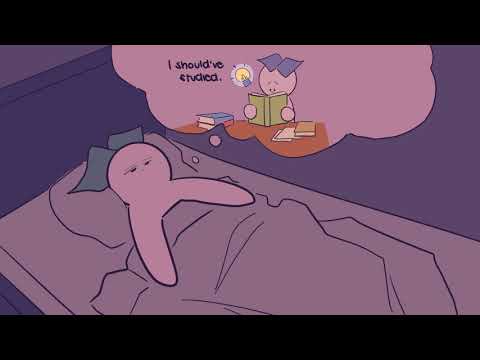
Annie Huang posted on 2020/09/22Ever feel a bit down when the sun goes down? This video dives into why night-time depression hits harder, exploring things like your circadian rhythm and loneliness. You'll pick up practical tips on sleep hygiene and understand common feelings, making it super helpful for daily life!
Learn this video on the APP!
The VoiceTube App has more in-depth practice for videos!