
abandon
US /əˈbændən/
UK /ə'bændən/
- Transitive Verb
- To discard or intentionally get rid of an item
- To withdraw your support, or leave someone
- Uncountable Noun
- Wild, carefree behavior
B1Moreadditional
US /ə'dɪʃənl/
UK /əˈdɪʃənl/
- Adjective
- Further or added
- Extra to what already exists
A2TOEICMoreadorable
US /əˈdɔrəbəl,əˈdor-/
UK /əˈdɔ:rəbl/
- Adjective
- Lovable or appealing, e.g. like a cute child
B2Moreaggressive
US /əˈɡrɛsɪv/
UK /əˈgresɪv/
- Adjective
- Using energy and determination to achieve a goal
- Behaving in a hostile and threatening way
B1Moreas long as
US /æz lɔŋ æz/
UK /æz lɔŋ æz/
- Conjunction
- For the period that; provided that.
- For the length of time that
- Preposition
- On the condition that; providing that.
- Having the same length as.
A1Moreat home
US /æt hom/
UK /æt həum/
- Phrase
- In one's own residence or country.
- Adjective
- Feeling comfortable and relaxed.
back at you
US /bæk æt ju/
UK /bæk æt ju/
- other
- An informal way to return a greeting or compliment.
B1Moreblind
US /blaɪnd/
UK /blaɪnd/
- Adjective
- Unable to see; with eyes that cannot see
- Lacking in judgment or awareness
- Transitive Verb
- To cause someone to lose the ability to see
- To be unable to see the truth about a situation
A2Morecanine
US /ˈkenaɪn/
UK /ˈkeɪnaɪn/
- Countable Noun
- Long, pointed tooth
- a dog
- Adjective
- of or relating to dogs
- Relating to or resembling a dog or dogs.
C1Moreconspiracy
US /kənˈspɪrəsi/
UK /kən'spɪrəsɪ/
- Noun
- Plan made in secret to do something illegal
B2Moreconvince
US /kənˈvɪns/
UK /kən'vɪns/
- Transitive Verb
- To persuade someone, or make them feel sure
A2TOEICMorecreature
US /ˈkritʃɚ/
UK /ˈkri:tʃə(r)/
- Noun (Countable/Uncountable)
- Animal of any type
- An animal, as distinct from a human being.
A2Morecut out
US /kʌt aʊt/
UK /kʌt aut/
- Phrasal Verb
- To leave out of something, e.g. a social event
- To cut something from, e.g. a picture from a book
- Verb (Transitive/Intransitive)
- To stop doing or using something.
- To be naturally suited or fitted for something.
A1Moredelicious
US /dɪˈlɪʃəs/
UK /dɪˈlɪʃəs/
- Adjective
- Very pleasing to eat; especially pleasing
B1TOEICMoredemonstrate
US /ˈdɛmənˌstret/
UK /'demənstreɪt/
- Verb (Transitive/Intransitive)
- To display a feeling or ability openly
- To protest about something often as a group
A2TOEICMoredeserve
US /dɪˈzɚv/
UK /dɪ'zɜ:v/
- Transitive Verb
- To be worthy of, e.g. getting praise or attention
A2TOEICMoredisadvantage
US /ˌdɪsədˈvæntɪdʒ/
UK /ˌdɪsədˈvɑ:ntɪdʒ/
- Noun (Countable/Uncountable)
- A negative point; a downside; difficulty
- A factor that places someone in a less favorable position.
B1Moreessentially
US /ɪˈsenʃəli/
UK /ɪˈsenʃəli/
- Adverb
- Basically; (said when stating the basic facts)
- Used to emphasize the basic truth or fact of a situation.
A2Moreexcept that
US /ɪkˈsɛpt ðæt/
UK /ikˈsept ðæt/
- Conjunction
- But; with the exception that.
A2Morefatality
US /feˈtælɪti, fə-/
UK /fə'tælətɪ/
- Noun
- Death resulting from an accident or a disaster
B1Moreforage
US /ˈfɔ:rɪdʒ/
UK /ˈfɒrɪdʒ/
- Uncountable Noun
- Plants that animals eat
- Intransitive Verb
- To wander looking for food as animals do naturally
B2TOEICMorefrustrating
US /frʌˈstretɪŋ/
UK /frʌˈstreɪtɪŋ/
- Transitive Verb
- To make annoyed because things don't go well
- To prevent (someone) from accomplishing something.
- Adjective
- Annoying because things don't go the way you want
- Serving to frustrate.
B1Moregenetic
US /dʒəˈnɛtɪk/
UK /dʒəˈnetɪk/
- Adjective
- Of, relating to, or controlled by genes
- Relating to genes or heredity.
B1Moregoldfish
US /ˈɡoldˌfɪʃ/
UK /'ɡəʊldfɪʃ/
- Countable Noun
- Orange or orange and white freshwater fish
C1Morehinder
US /ˈhɪndɚ/
UK /'hɪndə(r)/
- Transitive Verb
- To make something slow or difficult
B2Morein mind
US /ɪn maɪnd/
UK /in maind/
- Phrase
- Being aware of or considering something.
- To remember or consider something.
A2Moreinstinct
US /ˈɪnˌstɪŋkt/
UK /'ɪnstɪŋkt/
- Noun
- Natural way of thinking; intuition
- Natural way (person or animal) thinks, behaves
B1Moreleap
US /lip/
UK /li:p/
- Verb (Transitive/Intransitive)
- To enter or start something eagerly
- (Of prices) to increase quickly by a large amount
- Noun
- (Of prices) a quick large increase
- A large forward step or jump
B1Moreleft out
US
UK
- Phrasal Verb
- To forget; omit
- To exclude someone or something; to not include.
A1Morelimit
US /ˈlɪmɪt/
UK /'lɪmɪt/
- Noun (Countable/Uncountable)
- Point beyond which it is not possible to go
- A line or edge marking the boundary of an area.
- Transitive Verb
- To stop or prevent an increase past a point
A2TOEICMoremass
US /mæs/
UK /mæs/
- Noun (Countable/Uncountable)
- Religious ceremony in some Christian churches
- Large amount or number of something
- Transitive Verb
- To gather people or things into a large group
B1Moremisconception
US /ˌmɪskənˈsɛpʃən/
UK /ˌmɪskənˈsepʃn/
- Noun (Countable/Uncountable)
- Wrong or misunderstood idea
- A widely held but incorrect belief.
B1Moremonochrome
US /ˈmɑnəˌkrom/
UK /ˈmɔnəˌkrəʊm/
- Adjective
- In only black and white (of photo, painting)
B2Moremyth
US /mɪθ/
UK /mɪθ/
- Noun (Countable/Uncountable)
- Popular belief that is false, unsupported by fact
- Famous story dealing with origins of a culture
B1Morenavigate
US /ˈnævɪˌɡet/
UK /'nævɪɡeɪt/
- Verb (Transitive/Intransitive)
- To direct (car, plane etc.) in the right direction
- To deal successfully with something complex
B2Moreof course
US /ʌv kɔː(r)s/
UK /ɔv kɔː(r)s/
- Adverb
- Sure ; Certainly
- Phrase
- For sure; certainly
A2Moreostrich
US /ˈɑ:strɪtʃ/
UK /ˈɒstrɪtʃ/
- Noun
- Very large bird that cannot fly, with a long neck
B2Morepenetrate
US /ˈpɛnɪˌtret/
UK /ˈpenɪtreɪt/
- Transitive Verb
- To enter or pass through something
- To gain a market in a new area or country
B1Morepopulation
US /ˌpɑpjəˈleʃən/
UK /ˌpɒpjuˈleɪʃn/
- Noun (Countable/Uncountable)
- Number of people who live in a country, area etc.
- A group of individuals of one species living in a particular area.
A2TOEICMoreprimary
US /ˈpraɪˌmɛri, -məri/
UK /'praɪmərɪ/
- Adjective
- Most important, most basic or essential
- Happening first; earliest
B2Moreraptor
US /ˈræptɚ/
UK /'ræptə(r)/
- Countable Noun
- Carnivorous bird that hunts other animals
C1Moreremain
US /rɪˈmen/
UK /rɪˈmeɪn/
- Intransitive Verb
- To be left behind; to continue to exist
- To stay in a place when other people have gone
A2TOEICMorereputation
US /ˌrɛpjəˈteʃən/
UK /ˌrepjuˈteɪʃn/
- Noun (Countable/Uncountable)
- Common opinion that people have about someone
- A widespread belief that someone or something has a particular characteristic.
B1TOEICMoreright back
US /raɪt bæk/
UK /rait bæk/
- Interjection
- Said when someone says they will return soon, indicating you expect their prompt return.
- Adverb
- Immediately; very soon after going.
A1Moresharp
US /ʃɑrp/
UK /ʃɑ:p/
- Proper Noun
- Person's name
- Adjective
- Being very clear and easy to see
- (Of clothes) nicely or stylishly
A2TOEICMorespectrum
US /ˈspɛktrəm/
UK /'spektrəm/
- Noun
- The wavelengths of colors from red to violet
- a range of different positions, opinions, etc. between two extreme points
B1Moresuicidal
US /ˌsuɪˈsaɪdl/
UK /ˌsu:ɪˈsaɪdl/
- Adjective
- Feeling you may kill yourself; depressed
- Dangerous to yourself or your interests
B2Moresurvive
US /sɚˈvaɪv/
UK /sə'vaɪv/
- Intransitive Verb
- To continue to live despite illness or trouble
A2TOEICMoretalking about
US
UK
- Phrasal Verb
- To discuss a particular topic.
- To be constantly mentioning or bringing up a subject.
A1Moretell apart
US /tɛl əˈpɑrt/
UK /tel əˈpɑ:t/
- Phrasal Verb
- To be able to see the difference between two things or people that are very similar.
B1Moretheory
US /ˈθiəri, ˈθɪri/
UK /ˈθiəri/
- Noun (Countable/Uncountable)
- Ideas or principles that explain facts or events
- An idea or belief about something
A2TOEICMorethink of
US /θɪŋk ʌv/
UK /θiŋk ɔv/
- Phrasal Verb
- To look on as (being something specific); consider
- To consider or remember something.
- Verb (Transitive/Intransitive)
- To imagine or call something to mind
A1Morethreaten
US /ˈθrɛtn/
UK /ˈθretn/
- Transitive Verb
- To cause something potential harm, or put at risk
- To say you may harm or hurt someone
A2Moreto death
US /tu dɛθ/
UK /tu: deθ/
- Phrase
- Extremely; to a great degree
- Until death
B1Moretriple
US /ˈtrɪpəl/
UK /ˈtrɪpl/
- Noun
- Group or set of three
- A hit in baseball that enables the batter to reach third base.
- Transitive Verb
- To multiply by three; to increase threefold.
B2Morevenom
US /ˈvɛnəm/
UK /ˈvenəm/
- Uncountable Noun
- Poison, e.g. one produced by plant or animal
B2Morevision
US /ˈvɪʒən/
UK /'vɪʒn/
- Uncountable Noun
- Ability to see; eyesight
- Something you see in your imagination or dreams
A2More
Vocabulary
- talking about: To discuss a particular topic.
- think of: To look on as (being something specific); consider
- except that: But; with the exception that.
- in mind: Being aware of or considering something.
- of course: Sure ; Certainly
- as long as: For the period that; provided that.
- tell apart: To be able to see the difference between two things or people that are very similar.
- right back: Said when someone says they will return soon, indicating you expect their prompt return.
- back at you: An informal way to return a greeting or compliment.
- to death: Extremely; to a great degree
- left out: To forget; omit
- cut out: To leave out of something, e.g. a social event
- at home: In one's own residence or country.
- sort: To organize things by putting them into groups
- essentially: Basically; (said when stating the basic facts)
- instinct: Natural way of thinking; intuition
- demonstrate: To display a feeling or ability openly
- deserve: To be worthy of, e.g. getting praise or attention
- adorable: Lovable or appealing, e.g. like a cute child
- convince: To persuade someone, or make them feel sure
- aggressive: Using energy and determination to achieve a goal
- common: Area in a city or town that is open to everyone
- spectrum: The wavelengths of colors from red to violet
- reputation: Common opinion that people have about someone
- navigate: To direct (car, plane etc.) in the right direction
- myth: Popular belief that is false, unsupported by fact
- theory: Ideas or principles that explain facts or events
- remain: To be left behind; to continue to exist
- frustrating: To make annoyed because things don't go well
- genetic: Of, relating to, or controlled by genes
- population: Number of people who live in a country, area etc.
- misconception: Wrong or misunderstood idea
- raise: To increase a bet above another when playing cards
- leap: To enter or start something eagerly
- primary: Most important, most basic or essential
- conspiracy: Plan made in secret to do something illegal
- vision: Ability to see; eyesight
- survive: To continue to live despite illness or trouble
- mass: Religious ceremony in some Christian churches
- produce: Fresh foods such as fruits and vegetables
- abandon: To discard or intentionally get rid of an item
- creature: Animal of any type
- limit: Point beyond which it is not possible to go
- mind: To be bothered or upset by something
- additional: Further or added
- threaten: To cause something potential harm, or put at risk
- place: To put someone in a particular type of situation
- blind: Unable to see; with eyes that cannot see
- sharp: Person's name
- fact: Something that is known or proved to be true
- canine: Long, pointed tooth
- hide: To go to, or put a thing where it can't be found
- fatality: Death resulting from an accident or a disaster
- grow: To get bigger and more mature; make plants do this
- penetrate: To enter or pass through something
- hinder: To make something slow or difficult
- venom: Poison, e.g. one produced by plant or animal
- gullible: Easily deceived; believing whatever they tell you
- case: Container used to carry things, e.g. clothes
- remove: To get rid of something completely
- human: A person; a man, woman or child
- disadvantage: A negative point; a downside; difficulty
- ostrich: Very large bird that cannot fly, with a long neck
- delicious: Very pleasing to eat; especially pleasing
- train: Line of people, animals moving the same direction
- live: To be alive
- forage: Plants that animals eat
- suicidal: Feeling you may kill yourself; depressed
- triple: Group or set of three
- raptor: Carnivorous bird that hunts other animals
- monochrome: In only black and white (of photo, painting)
- goldfish: Orange or orange and white freshwater fish
Get the full experience in the app
Learn anywhere with detailed sentence and usage analysis
01:03
She took a brave step forward, leaving behind her comfort zone to chase her dreams.
Vocabulary
- brave
adj. Having courage
- comfort zone
phr. A familiar situation where one feels safe
Explanation
a brave step is a noun phrase, where brave is an adjective modifying the noun step, meaning "a courageous step".
forward is an adverb modifying step, meaning "ahead".
The whole phrase serves as the object, answering the "what" of took (verb) — she took a brave step forward.
Get the full experience in the app
Look up words anytime with pronunciation, part of speech, and usage
brave
US/brev/
UK/breɪv/
adj.Brave
v.t.To bravely face
A2 Elementary
Get the full experience in the app
Practice speaking anytime and get instant pronunciation feedback
Try this speaking exercise.
Try practicing with this sentence.
80
0
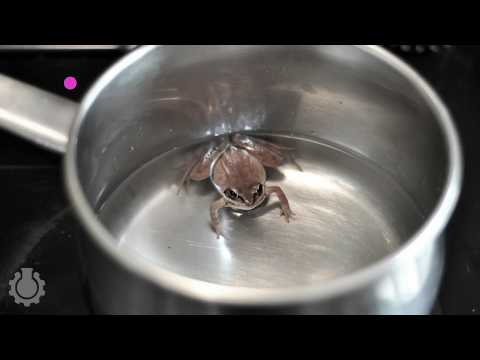
fisher posted on 2013/04/01Think you know animals? This fun video debunks some wild animal myths, like whether lemmings really do jump off cliffs! You'll pick up some advanced vocabulary while learning fascinating wildlife facts that will surprise you.
Learn this video on the APP!
The VoiceTube App has more in-depth practice for videos!