
abuse
US /əˈbjuz/
UK /ə'bju:s/
- Transitive Verb
- To mistreat or be cruel towards someone
- To use in an inappropriate or excessive way
- Noun (Countable/Uncountable)
- Improper/dishonest/excessive use of something
- Insulting someone, e.g. by swearing at them
A2TOEICMoreaffect
US /əˈfɛkt/
UK /ə'fekt/
- Transitive Verb
- To cause a change in something else
- To pretend to have or feel (something).
- Noun
- (Psychology) Emotion or feeling.
A2TOEICMoreavoid
US /əˈvɔɪd/
UK /ə'vɔɪd/
- Transitive Verb
- To prevent from happening
- To stay away from
A2TOEICMoreburden
US /ˈbɚdn/
UK /'bɜ:dn/
- Transitive Verb
- To weigh down with a load; impose a task upon
- Noun (Countable/Uncountable)
- Something difficult to do, manage, or accept
- Something that is carried with difficulty; an oppressive load.
B1Morebury
US /ˈbɛri/
UK /'berɪ/
- Transitive Verb
- To put something into the ground and cover it
B1Morechronic
US /ˈkrɑnɪk/
UK /'krɒnɪk/
- Adjective
- Always or often doing something, e.g. lying
- (Of disease) over a long time; serious
B1Moreconceal
US /kənˈsil/
UK /kən'si:l/
- Transitive Verb
- To hide; prevent from being discovered
- To keep the truth or true feelings a secret
B1TOEICMoreconsistently
US /kənˈsɪstəntlɪ/
UK /kən'sɪstəntlɪ/
- Adverb
- In a manner that is the same almost every time
- In every case or on every occasion; invariably
B1Morecope
US /koʊp/
UK /kəʊp/
- Verb (Transitive/Intransitive)
- To deal with something in spite of difficulties
A2Morecoronary
US /ˈkɒrən(ə)ri/
UK /'kɒrənrɪ/
- Adjective
- Concerning the heart
B2Morecritical
US /ˈkrɪtɪkəl/
UK /ˈkrɪtɪkl/
- Adjective
- Making a negative judgment of something
- Being important or serious; vital; dangerous
A2Moredepress
US /dɪˈprɛs/
UK /dɪ'pres/
- Transitive Verb
- To make someone feel sad or miserable
- To push something down
B2Moredepression
US /dɪˈprɛʃən/
UK /dɪ'preʃn/
- Noun (Countable/Uncountable)
- Medical condition of a lack of vitality
- Period of unemployment and low economic activity
B2Moredespair
US /dɪˈspɛr/
UK /dɪ'speə(r)/
- Intransitive Verb
- To have lost all hope; lose heart
- Uncountable Noun
- Felling of having lost all hope
B1TOEICMorediabetes
US /ˌdaɪəˈbitɪs, -tiz/
UK /ˌdaɪəˈbi:ti:z/
- Noun (Countable/Uncountable)
- Illness where there is too much sugar in the blood
- A form of diabetes, usually diagnosed in children and young adults, in which the body does not produce insulin.
B2Morediagnosis
US /ˌdaɪəgˈnoʊsɪs/
UK /ˌdaɪəgˈnəʊsɪs/
- Noun (plural)
- Judgments by a doctor about a person's illness
- Noun
- The identification of a disease or condition.
B1Moredisease
US /dɪˈziz/
UK /dɪˈzi:z/
- Noun (Countable/Uncountable)
- Illness that affects a person, animal, or plant
- A disorder of structure or function in a plant, especially one caused by a pathogen.
- Transitive Verb
- To affect with disease; to corrupt or sicken.
A2TOEICMoredistress
US /dɪˈstrɛs/
UK /dɪ'stres/
- Uncountable Noun
- State of great sadness, anxiety or pain
- Condition of danger or emergency
- Transitive Verb
- To cause someone anxiety or sadness
- To be in financial trouble
B1Moreemotional
US /ɪˈmoʃənəl/
UK /ɪˈməʊʃənl/
- Adjective
- Causing, feeling, or appealing to the emotions
- Relating to or characterized by emotion
A2Moreexcessive
US /ɪkˈsɛsɪv/
UK /ɪkˈsesɪv/
- Adjective
- Beyond what is usual or proper
B2Moreexercise
US /ˈɛksɚˌsaɪz/
UK /'eksəsaɪz/
- Verb (Transitive/Intransitive)
- To work out to become stronger and healthier
- To retain your ability or practice your skills
- Noun (Countable/Uncountable)
- Physical activity to increase health and strength
- Set of questions in a text book
A2Morefeel like
US
UK
- Intransitive Verb
- To have a desire or inclination for something.
- To have a particular quality or sensation; resemble.
A1Morefeel the need
US
UK
- Phrase
- To have a strong desire or urge to do something.
A1Moregenius
US /ˈdʒinjəs/
UK /'dʒi:nɪəs/
- Noun (Countable/Uncountable)
- Person displaying a high level of intelligence
- The characteristic spirit of a nation, people, or place.
B2Moregloomy
US /ˈɡlumi/
UK /'ɡlu:mɪ/
- Adjective
- (E.g. of a room) dark; dim; poorly lit
- Feeling distressed or pessimistic.
B1Morein ways
US
UK
- Phrase
- In a manner or by methods that.
- In certain respects or aspects.
A1Moreindulge
US /ɪnˈdʌldʒ/
UK /ɪnˈdʌldʒ/
- Transitive Verb
- To let someone else have or do what they want
- To allow to do more pleasurable things than normal
B1TOEICMoreinspire
US /ɪnˈspaɪr/
UK /ɪn'spaɪə(r)/
- Transitive Verb
- To give someone an idea to do or make something
- To make someone feel a certain emotion
- Intransitive Verb
- To breathe in
- To draw (air, etc.) into the lungs.
B1TOEICMoreisolate
US /ˈaɪsəˌlet/
UK /ˈaɪsəleɪt/
- Transitive Verb
- To identify, consider, or deal with separately
- To keep in a place or situation apart from others
B1Morelack
US /læk/
UK /læk/
- Verb (Transitive/Intransitive)
- To not have, or not have enough, of something
- Uncountable Noun
- The state of not having or not having enough of
A2TOEICMorelead to
US /lid tu/
UK /li:d tu:/
- Phrasal Verb
- To result in some action
- Verb (Transitive/Intransitive)
- To have something as a consequence or result.
A1Moremental
US /ˈmɛntl/
UK /ˈmentl/
- Adjective
- Concerning the mind
A2TOEICMoremisconception
US /ˌmɪskənˈsɛpʃən/
UK /ˌmɪskənˈsepʃn/
- Noun (Countable/Uncountable)
- Wrong or misunderstood idea
- A widely held but incorrect belief.
B1Morenormalize
US /ˈnɔ:rməlaɪz/
UK /ˈnɔ:məlaɪz/
- Transitive Verb
- To make something normal or regular
B2Morenumb
US /nʌm/
UK /nʌm/
- Adjective
- Unable to feel a body part due to cold or illness
- Transitive Verb
- To make a part of body unable to feel (pain, etc.)
B2Moreon to
US /ɑn tu/
UK /ɔn tu:/
- Preposition
- Toward something; forward
- Aware of someone's activities.
- Adjective
- Aware of someone's deception or illegal activities.
A1Moreout of character
US
UK
- Adjective
- Not typical of someone's personality or usual behavior.
- Not in keeping with the role or persona being portrayed.
- Phrase
- In a way that is not consistent with one's typical behavior or personality.
A1Moreoutright
US /ˈaʊtˈraɪt, -ˌraɪt/
UK /ˈaʊtraɪt/
- Adjective
- In a complete manner; totally
- Open and direct; not concealed.
- Adverb
- In a clear and direct manner
B2Morepersona
US /pərˈsoʊnə/
UK /pəˈsəʊnə/
- Noun
- Personality that you project in public
B2Morephysical
US /ˈfɪzɪkəl/
UK /ˈfɪzɪkl/
- Countable Noun
- Health check at the doctors' or hospital
- Adjective
- Concerning the body of a person
- Concerning things that can be seen or touched
A2Moreprioritize
US /praɪˈɔ:rətaɪz/
UK /praɪˈɒrətaɪz/
- Transitive Verb
- To rank things in importance
B1TOEICMorepsychologist
US /saɪˈkɑlədʒɪst/
UK /saɪˈkɒlədʒɪst/
- Noun (Countable/Uncountable)
- An expert who studies the mind and behavior
- A therapist specializing in mental health.
C2Moreseek help
US
UK
- Verb (Transitive/Intransitive)
- To ask for or try to get assistance or support.
A1Morestress
US / strɛs/
UK /stres/
- Transitive Verb
- To emphasize one or more parts of a word, sentence
- To put pressure on something or someone
- Noun (Countable/Uncountable)
- Emphasis on part of a word or sentence
- Pressure on something or someone
A2TOEICMorestrike
US /straɪk/
UK /straɪk/
- Transitive Verb
- To hit something
- To remove or erase.
- Noun (Countable/Uncountable)
- A punch or hit
- Fact of not hitting the ball when playing baseball
A2TOEICMorestruggle
US /ˈstrʌɡəl/
UK /'strʌɡl/
- Verb (Transitive/Intransitive)
- To try very hard to do something difficult
- To fight or struggle violently
- Noun (Countable/Uncountable)
- Strong efforts made to do something difficult
- A difficult or challenging situation or task
A2Moresubstance
US /ˈsʌbstəns/
UK /'sʌbstəns/
- Uncountable Noun
- Essence of; most basic or central qualities
- Particular type of material
A2Moresubstitute
US /ˈsʌbstɪˌtut, -ˌtjut/
UK /'sʌbstɪtju:t/
- Transitive Verb
- To perform the tasks instead of someone else
- To replace one person or thing for another
- Noun
- A person or thing acting in place of another
B2TOEICMoresubtle
US /ˈsʌtl/
UK /'sʌtl/
- Adjective
- Delicate or slight so it is difficult to perceive
- Clever or indirect but hides the true purpose
B1Moresuch as
US /sʌtʃ æz/
UK /sʌtʃ æz/
- Preposition
- For example; like
A1Moresuffer from
US /ˈsʌfɚ frʌm/
UK /ˈsʌfə frɔm/
- Intransitive Verb
- To experience pain or distress; to be badly affected by.
A1Moreturn into
US /tɚn ˈɪntu/
UK /tə:n ˈɪntuː/
- Phrasal Verb
- To change to become something else
- To change your direction to go into a place
A1Moreturn to
US /tɚn tu/
UK /tə:n tu:/
- Phrasal Verb
- To go to someone for help, advice, or information.
- To start doing or using something, often something bad or undesirable.
A1Moreupbeat
US /ˈʌpˌbit/
UK /ˈʌpbi:t/
- Adjective
- Being positive and cheerful
C1More
Vocabulary
- in ways: In a manner or by methods that.
- such as: For example; like
- turn into: To change to become something else
- feel like: To have a desire or inclination for something.
- feel the need: To have a strong desire or urge to do something.
- turn to: To go to someone for help, advice, or information.
- out of character: Not typical of someone's personality or usual behavior.
- suffer from: To experience pain or distress; to be badly affected by.
- lead to: To result in some action
- on to: Toward something; forward
- seek help: To ask for or try to get assistance or support.
- chronic: Always or often doing something, e.g. lying
- struggle: To try very hard to do something difficult
- subtle: Delicate or slight so it is difficult to perceive
- mental: Concerning the mind
- depression: Medical condition of a lack of vitality
- critical: Making a negative judgment of something
- prioritize: To rank things in importance
- physical: Health check at the doctors' or hospital
- diabetes: Illness where there is too much sugar in the blood
- indulge: To let someone else have or do what they want
- strike: To hit something
- express: To send something by fast mail
- disease: Illness that affects a person, animal, or plant
- emotional: Causing, feeling, or appealing to the emotions
- substance: Essence of; most basic or central qualities
- stress: To emphasize one or more parts of a word, sentence
- excessive: Beyond what is usual or proper
- increase: To make or become larger in size or amount
- consistently: In a manner that is the same almost every time
- burden: To weigh down with a load; impose a task upon
- psychologist: An expert who studies the mind and behavior
- despair: To have lost all hope; lose heart
- distress: State of great sadness, anxiety or pain
- lack: To not have, or not have enough, of something
- cope: To deal with something in spite of difficulties
- exercise: To work out to become stronger and healthier
- numb: Unable to feel a body part due to cold or illness
- substitute: To perform the tasks instead of someone else
- affect: To cause a change in something else
- avoid: To prevent from happening
- abuse: To mistreat or be cruel towards someone
- inspire: To give someone an idea to do or make something
- misconception: Wrong or misunderstood idea
- address: Exact street location of a place
- risk: To do something potentially dangerous or foolish
- conceal: To hide; prevent from being discovered
- outright: In a complete manner; totally
- mood: Emotion or a state of mind; how you feel
- bury: To put something into the ground and cover it
- genius: Person displaying a high level of intelligence
- pain: Strong feeling of hurt or discomfort
- manage: To survive hardships and difficulties; to cope
- diagnosis: Judgments by a doctor about a person's illness
- upbeat: Being positive and cheerful
- allow: To admit the validity or truth of something
- persona: Personality that you project in public
- active: Moving around a lot or doing many things
- basic: At the most important or easiest (beginner) level
- gloomy: (E.g. of a room) dark; dim; poorly lit
- afraid: Worried that something bad will happen; scared
- turn: To become (a particular age)
- hide: To go to, or put a thing where it can't be found
- isolate: To identify, consider, or deal with separately
- real: Actually existing or happening, not imagined
- feel: To be aware of or experience an emotion, sensation
- coronary: Concerning the heart
- depress: To make someone feel sad or miserable
- normalize: To make something normal or regular
Get the full experience in the app
Learn anywhere with detailed sentence and usage analysis
01:03
She took a brave step forward, leaving behind her comfort zone to chase her dreams.
Vocabulary
- brave
adj. Having courage
- comfort zone
phr. A familiar situation where one feels safe
Explanation
a brave step is a noun phrase, where brave is an adjective modifying the noun step, meaning "a courageous step".
forward is an adverb modifying step, meaning "ahead".
The whole phrase serves as the object, answering the "what" of took (verb) — she took a brave step forward.
Get the full experience in the app
Look up words anytime with pronunciation, part of speech, and usage
brave
US/brev/
UK/breɪv/
adj.Brave
v.t.To bravely face
A2 Elementary
Get the full experience in the app
Practice speaking anytime and get instant pronunciation feedback
Try this speaking exercise.
Try practicing with this sentence.
80
0
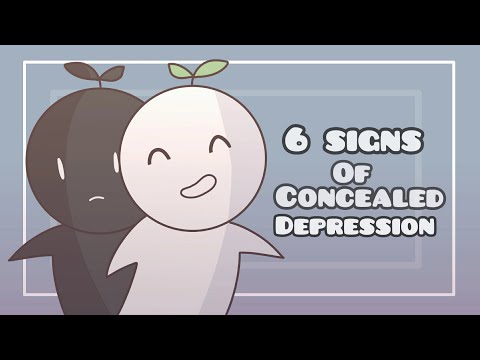
lauren.huang posted on 2020/09/01Ever feel like you're putting on a happy face even when you're not? This video dives into the 6 signs of concealed depression, helping you spot it in yourself or others, and you'll pick up some advanced vocabulary along the way! It's a super practical look at a common issue, perfect for understanding yourself and others better.
Learn this video on the APP!
The VoiceTube App has more in-depth practice for videos!