
abuse
US /əˈbjuz/
UK /ə'bju:s/
- Transitive Verb
- To mistreat or be cruel towards someone
- To use in an inappropriate or excessive way
- Noun (Countable/Uncountable)
- Improper/dishonest/excessive use of something
- Insulting someone, e.g. by swearing at them
A2TOEICMoreaffect
US /əˈfɛkt/
UK /ə'fekt/
- Transitive Verb
- To cause a change in something else
- To pretend to have or feel (something).
- Noun
- (Psychology) Emotion or feeling.
A2TOEICMorealcohol
US /ˈælkəˌhɔl,-ˌhɑl/
UK /'ælkəhɒl/
- Uncountable Noun
- A colorless liquid that can catch fire (C2H5OH)
- Drinks such as wine, whiskey, beer
B1Moreanxiety
US /æŋˈzaɪɪti/
UK /æŋ'zaɪətɪ/
- Uncountable Noun
- A feeling of worry, nervousness, or unease about something that might happen, especially when the outcome is uncertain.
B1Moreapproximately
US /əˈprɑksəmɪtlɪ/
UK /əˈprɒksɪmətli/
- Adverb
- Around; nearly; almost; about (a number)
A2TOEICMoreassociation
US /əˌsoʊʃi'eɪʃn/
UK /əˌsəʊʃɪ'eɪʃn/
- Noun
- Organization of people with the same interest
B1TOEICMorebottle up
US /ˈbɑtl ʌp/
UK /ˈbɔtl ʌp/
- Phrasal Verb
- To deliberately not show a strong feeling or emotion.
A1Moreburden
US /ˈbɚdn/
UK /'bɜ:dn/
- Transitive Verb
- To weigh down with a load; impose a task upon
- Noun (Countable/Uncountable)
- Something difficult to do, manage, or accept
- Something that is carried with difficulty; an oppressive load.
B1Moreconceal
US /kənˈsil/
UK /kən'si:l/
- Transitive Verb
- To hide; prevent from being discovered
- To keep the truth or true feelings a secret
B1TOEICMoreconcentrate
US /ˈkɑnsənˌtret/
UK /'kɒnsntreɪt/
- Verb (Transitive/Intransitive)
- To cause to be present in large amount or number
- To pay great attention to a task; focus
- Noun (Countable/Uncountable)
- A substance made by removing water or other diluents; a concentrated form of something.
A2Morecondition
US /kənˈdɪʃən/
UK /kənˈdɪʃn/
- Transitive Verb
- To improve something to make it better
- To cause to behave automatically in a certain way
- Noun (Countable/Uncountable)
- Disease or other medical problem
- The state of living you are in, e.g. good health
A2Moreconstantly
US /ˈkɑnstəntlɪ/
UK /ˈkɒnstəntli/
- Adverb
- Frequently, or without pause
- In a way that is unchanging or faithful
B1Morecynical
US /ˈsɪnɪkəl/
UK /ˈsɪnɪkl/
- Adjective
- Always believing that bad things are the reasons
B2Moredeal with
US /dil wɪð/
UK /di:l wið/
- Verb (Transitive/Intransitive)
- To buy or sell goods or services.
- Phrasal Verb
- To take action to solve a problem or manage a situation.
- To be about; concern.
A1Moredepress
US /dɪˈprɛs/
UK /dɪ'pres/
- Transitive Verb
- To make someone feel sad or miserable
- To push something down
B2Moredepression
US /dɪˈprɛʃən/
UK /dɪ'preʃn/
- Noun (Countable/Uncountable)
- Medical condition of a lack of vitality
- Period of unemployment and low economic activity
B2Moredisorder
US /dɪsˈɔrdɚ/
UK /dɪs'ɔ:də(r)/
- Uncountable Noun
- State of confusion or a lack of organization
- Illness when the body is not functioning well
- Transitive Verb
- To disrupt the order or arrangement of something.
B2Moredistract
US /dɪˈstrækt/
UK /dɪ'strækt/
- Transitive Verb
- To draw someone's attention away from something
B1TOEICMorefacade
US /fəˈsɑːd/
UK /fəˈsɑ:d/
- Noun (Countable/Uncountable)
- False front of a particularly impressive building
- False appearance hiding how a person truly feels
B2Morefeel the need
US
UK
- Phrase
- To have a strong desire or urge to do something.
A1Morefledge
US /flɛdʒ/
UK /fledʒ/
- Intransitive Verb
- (Of a young bird) to become capable of flight
C1Morefunction
US /ˈfʌŋkʃən/
UK /'fʌŋkʃn/
- Noun
- Social event, or party such as a wedding
- Mathematical operation used in calculations
- Intransitive Verb
- To serve a certain purpose or role
- To be operating, working or achieving its purpose
A2TOEICMoreget a sense
US
UK
- Verb (Transitive/Intransitive)
- To understand or perceive something intuitively.
A1Morein order to
US /ɪn ˈɔrdɚ tu/
UK /in ˈɔ:də tu:/
- Preposition
- For the purpose of; with the aim of.
- Phrase
- In a specific sequence or arrangement.
- With the aim of; for the purpose of.
C1Morein terms of
US
UK
- Phrase
- With regard to; concerning a particular aspect.
A1Morelash
US /læʃ/
UK /læʃ/
- Countable Noun
- Small hairs that grow above and below your eyes
- A quick hit with a narrow stick or whip
- Transitive Verb
- To hit something violently or forcefully
- To tie something in place tightly
B2Morelash out
US /læʃ aʊt/
UK /læʃ aut/
- Phrasal Verb
- To suddenly attempt to hit someone or something.
- To criticize someone angrily.
A1Moremake up
US /mek ʌp/
UK /meik ʌp/
- Phrasal Verb
- To invent or create a story
- To add up to
- Verb (Transitive/Intransitive)
- To invent a story, excuse, etc.
- To compensate for something lost, missed, or deficient.
A1Moremental
US /ˈmɛntl/
UK /ˈmentl/
- Adjective
- Concerning the mind
A2TOEICMoreobsess
US /əbˈsɛs, ɑb-/
UK /əbˈses/
- Verb (Transitive/Intransitive)
- To talk or think about someone, something too much
- To think about something to an excessive degree
C1Moreoptimistic
US /ˌɑːptɪˈmɪstɪk/
UK /ˌɒptɪˈmɪstɪk/
- Adjective
- Tending to believe the future will be good
- Confident and hopeful about future outcomes.
B2Moreout of it
US /aʊt ʌv ɪt/
UK /aut ɔv it/
- Adjective
- Unconscious or not completely alert; dazed or confused.
- Not able to think clearly or react quickly; not with it.
A1Moreoverwhelmed
US /ˌoʊ.vɚˈwɛlmd/
UK /ˌəʊ.vəˈwɛlmd/
- Transitive Verb
- To defeat something or someone completely
- To affect someone emotionally in a strong way
- Adjective
- Feeling like you have so much to do that you can't even get started.
- Feeling like you are unable to cope with something
B2Morepessimistic
US /ˌpesɪˈmɪstɪk/
UK /ˌpesɪˈmɪstɪk/
- Adjective
- Having negative feelings about the future
- Characterized by a lack of hope or confidence in the future.
B1Morepositive
US /ˈpɑzɪtɪv/
UK /ˈpɒzətɪv/
- Adjective
- Showing agreement or support for something
- Being sure about something; knowing the truth
- Noun
- A photograph in which light areas are light and dark areas are dark
A2Moreput together
US /pʊt təˈɡɛðɚ/
UK /put təˈɡeðə/
- Phrasal Verb
- To build or assemble something small, e.g. a toy
- To organize or arrange something.
A1Morerage
US /reɪdʒ/
UK /reɪdʒ/
- Uncountable Noun
- Strong or violent anger
- Intransitive Verb
- To act or speak with strong or violent anger
- To move violently, like a storm
B1Morereach
US /ritʃ/
UK /ri:tʃ/
- Verb (Transitive/Intransitive)
- To come to or arrive at a goal or destination
- To be long enough to get to a certain place
- Uncountable Noun
- Power or control someone has over something
A2TOEICMorerecreational
US /ˌrɛkriˈeʃənəl/
UK /ˌrekriˈeɪʃənl/
- Adjective
- Being done for pleasure
- Relating to the use of drugs for pleasure rather than for medical purposes.
B2Morered flag
US /rɛd flæɡ/
UK /red flæɡ/
- Noun
- A warning sign or signal of danger or a problem.
- A symbol of socialism or communism.
B1Moreresponse
US /rɪˈspɑns/
UK /riˈspɔns/
- Noun
- Something said/written as an answer to something
- Reaction to something that has occurred
A2TOEICMoreseemingly
US /ˈsiːmɪŋli/
UK /ˈsi:mɪŋli/
- Adverb
- Appearing to be but may not actually be; probably
B1Morestigma
US /ˈstɪɡmə/
UK /'stɪɡmə/
- Noun
- Mark of shame or disgrace
B2TOEICMorestrive
US /straɪv/
UK /straɪv/
- Intransitive Verb
- To work hard/make effort to achieve something
B2TOEICMorestruggle
US /ˈstrʌɡəl/
UK /'strʌɡl/
- Verb (Transitive/Intransitive)
- To try very hard to do something difficult
- To fight or struggle violently
- Noun (Countable/Uncountable)
- Strong efforts made to do something difficult
- A difficult or challenging situation or task
A2Moresubstance
US /ˈsʌbstəns/
UK /'sʌbstəns/
- Uncountable Noun
- Essence of; most basic or central qualities
- Particular type of material
A2Moresubstance use
US
UK
- Uncountable Noun
- The use of drugs, alcohol, or other substances.
- The use of drugs, alcohol, or other substances, especially when problematic.
A1Moresubtle
US /ˈsʌtl/
UK /'sʌtl/
- Adjective
- Delicate or slight so it is difficult to perceive
- Clever or indirect but hides the true purpose
B1Moresudden
US /ˈsʌdn/
UK /ˈsʌdn/
- Adjective
- Happening or done quickly or unexpectedly
B1Moresuffer
US / ˈsʌfɚ/
UK /'sʌfə(r)/
- Verb (Transitive/Intransitive)
- To experience pain, illness, or injury
- To allow or permit something, especially something unpleasant.
A2Moresuppress
US /səˈprɛs/
UK /səˈpres/
- Transitive Verb
- To prevent the display of emotion or feeling
- To use force to prevent something happening
B1TOEICMoresusceptible
US /səˈsɛptəbəl/
UK /səˈseptəbl/
- Adjective
- Likely to fall prey to, be drawn to or influenced
- At risk of developing a certain illness or problem
B2TOEICMoresuspect
US /səˈspɛkt/
UK /sə'spekt/
- Noun
- Person thought to have committed a crime
- Transitive Verb
- To consider someone is the one guilty of a crime
- To doubt or lack trust
A2TOEICMoretake back
US /tek bæk/
UK /teik bæk/
- Phrasal Verb
- To say you no longer agree with an opinion you had
- To return something you bought to the store
- Transitive Verb
- To retract or withdraw a statement or claim.
- To regain possession of something.
A1Moretendency
US /ˈtɛndənsi/
UK /'tendənsɪ/
- Noun
- Likelihood to behave in a particular way
A2Moretrain of thought
US /tren ʌv θɔt/
UK /trein ɔv θɔ:t/
- Noun
- A connected series of thoughts.
A1Moreused to
US /juzd tu/
UK /ˈju:st tə/
- Adjective
- Did regularly before, but don't do now
- Auxiliary Verb
- Have done before, but do not do now
A1Moreutilize
US /ˈjutlˌaɪz/
UK /ˈju:təlaɪz/
- Transitive Verb
- To use something for a particular purpose
B1TOEICMorevolatile
US /ˈvɑ:lətl/
UK /ˈvɒlətaɪl/
- Adjective
- Able to easily become a gas at a low temperature
- Unstable and likely to change suddenly/extremely
B2TOEICMorewith it
US /wɪð ɪt/
UK /wið it/
- Adjective
- Intelligent, alert, and up-to-date.
- Understanding and knowledgeable about current trends or information.
A1Morework in
US /wɚk ɪn/
UK /wə:k in/
- Phrasal Verb
- To make an opening for something in your schedule
- To fit person/thing into a schedule or sequence
A1Morezone
US /zoʊn/
UK /zəʊn/
- Noun
- Area of space designated for a particular use
- Transitive Verb
- To divide an area for a particular reason
B1Morezone out
US
UK
- Phrasal Verb
- To stop paying attention and start daydreaming or thinking about other things.
B1More
Vocabulary
- used to: Did regularly before, but don't do now
- in order to: For the purpose of; with the aim of.
- put together: To build or assemble something small, e.g. a toy
- bottle up: To deliberately not show a strong feeling or emotion.
- work in: To make an opening for something in your schedule
- get a sense: To understand or perceive something intuitively.
- lash out: To suddenly attempt to hit someone or something.
- red flag: A warning sign or signal of danger or a problem.
- substance use: The use of drugs, alcohol, or other substances.
- out of it: Unconscious or not completely alert; dazed or confused.
- zone out: To stop paying attention and start daydreaming or thinking about other things.
- train of thought: A connected series of thoughts.
- with it: Intelligent, alert, and up-to-date.
- deal with
- take back: To say you no longer agree with an opinion you had
- make up: To invent or create a story
- feel the need: To have a strong desire or urge to do something.
- in terms of
- anxiety: A feeling of worry, nervousness, or unease about something that might happen, especially when the outcome is uncertain.
- constantly: Frequently, or without pause
- overwhelmed: To defeat something or someone completely
- struggle: To try very hard to do something difficult
- susceptible: Likely to fall prey to, be drawn to or influenced
- subtle: Delicate or slight so it is difficult to perceive
- mental: Concerning the mind
- depression: Medical condition of a lack of vitality
- improve: To make, or become, something better
- positive: Showing agreement or support for something
- disorder: State of confusion or a lack of organization
- sense: Certain mental feeling or emotion
- stigma: Mark of shame or disgrace
- approximately: Around; nearly; almost; about (a number)
- distract: To draw someone's attention away from something
- substance: Essence of; most basic or central qualities
- concentrate: To cause to be present in large amount or number
- tendency: Likelihood to behave in a particular way
- burden: To weigh down with a load; impose a task upon
- affect: To cause a change in something else
- function: Social event, or party such as a wedding
- abuse: To mistreat or be cruel towards someone
- rage: Strong or violent anger
- strive: To work hard/make effort to achieve something
- condition: To improve something to make it better
- suffer: To experience pain, illness, or injury
- suspect: Person thought to have committed a crime
- reach: To come to or arrive at a goal or destination
- volatile: Able to easily become a gas at a low temperature
- association: Organization of people with the same interest
- response: Something said/written as an answer to something
- suppress: To prevent the display of emotion or feeling
- seemingly: Appearing to be but may not actually be; probably
- optimistic: Tending to believe the future will be good
- throw: To use your arm to make something fly in the air
- conceal: To hide; prevent from being discovered
- mood: Emotion or a state of mind; how you feel
- cynical: Always believing that bad things are the reasons
- alcohol: A colorless liquid that can catch fire (C2H5OH)
- obsess: To talk or think about someone, something too much
- belief: Being sure that something exists or is true
- facade: False front of a particularly impressive building
- secret: Kept hidden from others; Known only to a few people
- utilize: To use something for a particular purpose
- pessimistic: Having negative feelings about the future
- order: Religious or social group, as of nuns
- simple: Not hard to understand or do; not complex
- zone: Area of space designated for a particular use
- sudden: Happening or done quickly or unexpectedly
- wrong: Action that is harmful, unjust or illegal
- remember: To give someone a gift, e.g. birthday, wedding
- person: Man, woman or child
- recreational: Being done for pleasure
- hide: To go to, or put a thing where it can't be found
- feel: To be aware of or experience an emotion, sensation
- lash: Small hairs that grow above and below your eyes
- usual: Being the way things occur most of the time
- forget: To not remember something
- depress: To make someone feel sad or miserable
- fledge: (Of a young bird) to become capable of flight
Get the full experience in the app
Learn anywhere with detailed sentence and usage analysis
01:03
She took a brave step forward, leaving behind her comfort zone to chase her dreams.
Vocabulary
- brave
adj. Having courage
- comfort zone
phr. A familiar situation where one feels safe
Explanation
a brave step is a noun phrase, where brave is an adjective modifying the noun step, meaning "a courageous step".
forward is an adverb modifying step, meaning "ahead".
The whole phrase serves as the object, answering the "what" of took (verb) — she took a brave step forward.
Get the full experience in the app
Look up words anytime with pronunciation, part of speech, and usage
brave
US/brev/
UK/breɪv/
adj.Brave
v.t.To bravely face
A2 Elementary
Get the full experience in the app
Practice speaking anytime and get instant pronunciation feedback
Try this speaking exercise.
Try practicing with this sentence.
80
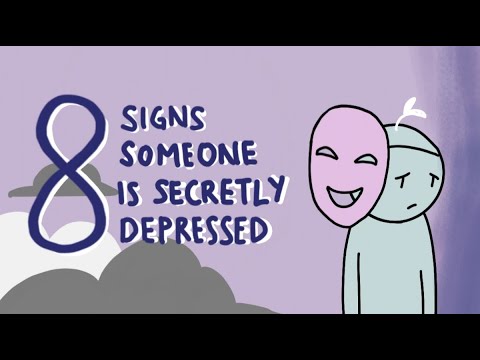
8 Signs Someone is Secretly Depressed
0
lauren.huang posted on 2020/09/09Ever wonder if someone you care about is hiding their struggles? This video dives into 8 subtle signs of 'smiling depression,' helping you understand masking behavior and emotional volatility. You'll learn practical ways to recognize these signs and know when it's time to encourage someone to ask for help.
Learn this video on the APP!
The VoiceTube App has more in-depth practice for videos!