
bystander
US /ˈbaɪˌstændɚ/
UK /ˈbaɪstændə(r)/
- Countable Noun
- Someone who happens to see an event
C2Moreconstitution
US /ˌkɑnstɪˈtuʃən, -ˈtju-/
UK /ˌkɔnstiˈtju:ʃən/
- Noun (Countable/Uncountable)
- Statement of fundamental principles of a country
- Condition of your health
B1Morecreed
US /krid/
UK /kri:d/
- Noun
- Set of beliefs/principles by which people live
B2Morecritical
US /ˈkrɪtɪkəl/
UK /ˈkrɪtɪkl/
- Adjective
- Making a negative judgment of something
- Being important or serious; vital; dangerous
A2Moredominant
US /ˈdɑmənənt/
UK /ˈdɒmɪnənt/
- Adjective
- The strongest; most powerful
- Being the most common, significant or important
- Noun
- (Music) The fifth note of a scale.
B1Moredominate
US /ˈdɑməˌnet/
UK /'dɒmɪneɪt/
- Verb (Transitive/Intransitive)
- To be taller, bigger, or more physically obvious
- To control; rule; enjoy a commanding position in
B1TOEICMoreencounter
US /ɛnˈkaʊntɚ/
UK /ɪn'kaʊntə(r)/
- Verb (Transitive/Intransitive)
- To come up against a problem or trouble; meet
- To meet someone or something unexpectedly
- Noun
- A chance meeting; unexpected or unplanned meeting
B1TOEICMoreenforcement
US /ɪn'fɔ:smənt/
UK /ɪn'fɔ:smənt/
- Uncountable Noun
- Process of making sure that rules are followed
- The act of compelling observance of or compliance with a law, rule, or obligation.
B1Moreequality
US /iˈkwɑ:ləti/
UK /iˈkwɒləti/
- Uncountable Noun
- Idea that all people have the same rights
A2TOEICMoregender
US /ˈdʒɛndɚ/
UK /'dʒendə(r)/
- Noun
- State of being male or female
- The socially constructed roles, behaviours, expressions and identities of people.
- Transitive Verb
- To assign a gender to; to consider something in terms of gender.
B1Morehave to
US /hæv tu/
UK /ˈhæv tə/
- Auxiliary Verb
- Must do
A1Morein terms of
US
UK
- Phrase
- With regard to; concerning a particular aspect.
A1Morejustice
US /ˈdʒʌstɪs/
UK /'dʒʌstɪs/
- Uncountable Noun
- Quality of being fair, equal, or just
- Countable Noun
- Person in a court who judges criminal cases
A2Morelegislation
US /ˌlɛdʒɪˈsleʃən/
UK /ˌledʒɪsˈleɪʃn/
- Uncountable Noun
- Act or process of writing and passing laws
B1Morenaturally
US /ˈnætʃərəli, ˈnætʃrə-/
UK /ˈnætʃrəli/
- Adverb
- In the expected or usual way
- Without the aid of someone or something
A2Morerace
US /res/
UK /reɪs/
- Noun (Countable/Uncountable)
- Speed contest between people, animals or vehicles
- People who share physical features or culture
- Intransitive Verb
- To take part in a running or swimming competition
- To move or go at a very fast pace
A2Moreregardless of
US /rɪˈɡɑrdlɪs ʌv/
UK /riˈɡɑ:dlis ɔv/
- Phrase
- Preposition
- Without being affected or influenced by something; despite.
A2Morerequire
US /rɪˈkwaɪr/
UK /rɪ'kwaɪə(r)/
- Transitive Verb
- To demand that someone does something
- To need to do something, to make it necessary
A2TOEICMoreset up
US /sɛt ʌp/
UK /set ʌp/
- Phrasal Verb
- To make arrangements for something; establish
- Verb (Transitive/Intransitive)
- To arrange or prepare something for use.
- To start a business, organization, etc.
A1Moretreatment
US /ˈtritmənt/
UK /ˈtri:tmənt/
- Noun (Countable/Uncountable)
- Medicine or method to make someone healthier
- Way someone acts toward another
A2TOEICMoreunited
US /juˈnaɪtɪd/
UK /jʊ'naɪtɪd/
- Verb (Transitive/Intransitive)
- To join or come together for the same goal
- Adjective
- Joined or combined together
A2More
Vocabulary
- have to: Must do
- regardless of
- in terms of
- set up
- critical: Making a negative judgment of something
- encounter: To come up against a problem or trouble; meet
- mean: Average of a set of numbers
- dominant: The strongest; most powerful
- require: To demand that someone does something
- equal: Same in shape, size, or number
- fair: Neither very good nor very bad; average
- gender: State of being male or female
- economy: Using money, resources in a careful, effective way
- dominate: To be taller, bigger, or more physically obvious
- race: Speed contest between people, animals or vehicles
- treatment: Medicine or method to make someone healthier
- receive: To get something someone has given or sent to you
- constitution: Statement of fundamental principles of a country
- legislation: Act or process of writing and passing laws
- enforcement: Process of making sure that rules are followed
- justice: Quality of being fair, equal, or just
- catch: Amount of something that has been caught
- government: Group of people and system that rule a nation
- naturally: In the expected or usual way
- great: Very good; better than before
- set: Prepared for something; ready
- equality: Idea that all people have the same rights
- united: To join or come together for the same goal
- country: An area of land that is controlled by a government
- happen: To take place or occur
- law: Field of study that relates to the legal profession
- study: To focus on learning something usually at school
- save: To make your computer keep a file
- watch: To keep in check, manage, or control something
- creed: Set of beliefs/principles by which people live
- bystander: Someone who happens to see an event
Get the full experience in the app
Learn anywhere with detailed sentence and usage analysis
01:03
She took a brave step forward, leaving behind her comfort zone to chase her dreams.
Vocabulary
- brave
adj. Having courage
- comfort zone
phr. A familiar situation where one feels safe
Explanation
a brave step is a noun phrase, where brave is an adjective modifying the noun step, meaning "a courageous step".
forward is an adverb modifying step, meaning "ahead".
The whole phrase serves as the object, answering the "what" of took (verb) — she took a brave step forward.
Get the full experience in the app
Look up words anytime with pronunciation, part of speech, and usage
brave
US/brev/
UK/breɪv/
adj.Brave
v.t.To bravely face
A2 Elementary
Get the full experience in the app
Practice speaking anytime and get instant pronunciation feedback
Try this speaking exercise.
Try practicing with this sentence.
80
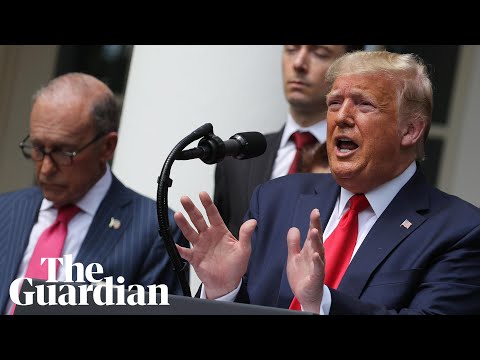
Donald Trump says 'this is a great day' for George Floyd drawing outrage
0
lauren.huang posted on 2020/06/24Ever wondered about the powerful words used in major political moments? This video dives into a significant statement from Donald Trump regarding George Floyd, offering a fantastic chance to explore cultural depth and practice simple sentence structures with real-world context. You'll gain insights into important topics like police accountability and constitutional rights while boosting your English!
Learn this video on the APP!
The VoiceTube App has more in-depth practice for videos!