
account for
US /əˈkaʊnt fɔr/
UK /əˈkaunt fɔ:/
- Phrasal Verb
- To explain the cause or reason for something
- To form a particular amount or part of something.
- Verb (Transitive/Intransitive)
- To supply a reason or explanation for something.
- To form a particular amount or proportion of something.
A1Moreaccount of
US /əˈkaʊnt ʌv/
UK /əˈkaunt ɔv/
- Noun
- A spoken or written description of an event.
- Preposition
- Because of; for the reason of.
B1Moreafter all
US /ˈæftɚ ɔl/
UK /ˈɑ:ftə ɔ:l/
- Adverb
- In spite of what was expected; used to introduce a statement that supports a previous statement or explains why it was made
- Considering everything; used to indicate that something is happening or is true despite some difficulty or obstacle
- Phrase
- Despite what was expected or thought; in spite of everything.
- Taking everything into consideration; considering that.
B1Moreanswer to
US
UK
- Phrasal Verb
- To be responsible to someone and have to explain your actions to them.
- To correspond to or match a description or requirement.
A1Morearising from
US
UK
- Phrasal Verb
- Originating from; being caused by.
around the world
US /əˈraʊnd ði wɜrld/
UK /əˈraund ðə wɜː(r)ld/
- Phrase
- In or to many countries.
- In various places throughout the world.
A2Moreas a whole
US /æz e hol/
UK /æz ə həul/
- Phrase
- Considering everything together; in general.
- Complete; not divided or incomplete.
- Adjective
- Complete; not divided or fragmented.
A1Moreas opposed to
US
UK
- Preposition
- In contrast to; rather than.
- Instead of; in place of.
A1Moreas such
US /æz sʌtʃ/
UK /æz sʌtʃ/
- Pronoun
- Something previously stated or understood
A1Moreat least
US /æt list/
UK /æt li:st/
- Adverb
- As a minimum
- Not less than
- Phrase
- No less than; at the minimum
- Used to indicate that something is positive in a bad situation.
C2Moreat odds
US /æt ɑdz/
UK /æt ɔdz/
- Phrase
- In a state of conflict or disagreement
- Adjective
- In a state of disagreement or conflict.
- Inconsistent or incompatible.
B1Moreat stake
US /æt stek/
UK /æt steik/
- Phrase
- At risk; that can be lost if something is not successful
- In question; depending on what happens
- Adjective
- At risk; that can be lost if something is not successful.
A1Moreat the moment
US
UK
- Adverb
- At this time; now
A1Moreback into
US /bæk ˈɪntu/
UK /bæk ˈɪntuː/
- Phrasal Verb
- To drive a vehicle backwards into a space or area.
- To accidentally collide with something while moving backwards.
A1Morebased on
US
UK
- Phrasal Verb
- To use something as the foundation or starting point for something else.
- Preposition
- Using something as the main idea or foundation.
- Relying on something as evidence or justification.
A1Morebear out
US /bɛr aʊt/
UK /bɛə aut/
- Phrasal Verb
- (Of facts) to confirm the truth of
- To be proven correct about something
A2Morebring out
US /brɪŋ aʊt/
UK /briŋ aut/
- Phrasal Verb
- To formally introduce a girl/ woman to society
- To nurture and develop or bring out a quality
A1Moreby virtue of
US /baɪ ˈvɚtʃu ʌv/
UK /bai ˈvə:tju: ɔv/
- Phrase
- By reason of; because of.
C2Morecommunity
US /kəˈmjunɪti/
UK /kə'mju:nətɪ/
- Noun (Countable/Uncountable)
- Group of people who share a common idea or area
- A feeling of fellowship with others, as a result of sharing common attitudes, interests, and goals.
- Adjective
- Relating to or shared by the people in a particular area.
- Shared or participated in by all members of a group
A2Moreconnected with
US
UK
- Phrase
- Related to; associated with.
- Involved with; having a relationship with.
- Phrasal Verb
- Was associated or linked to someone or something.
- Felt understanding or empathy with someone or something.
B1Moreconsent
US /kənˈsɛnt/
UK /kən'sent/
- Intransitive Verb
- To agree or give approval to do something
- Noun (Countable/Uncountable)
- Approval, agreement (for something to happen)
- Official permission to do something
B1Morecut out
US /kʌt aʊt/
UK /kʌt aut/
- Phrasal Verb
- To leave out of something, e.g. a social event
- To cut something from, e.g. a picture from a book
- Verb (Transitive/Intransitive)
- To stop doing or using something.
- To be naturally suited or fitted for something.
A1Moredepending on
US
UK
- Phrasal Verb
- To rely on for support (financial or emotional)
- Influenced or determined by.
- Preposition
- Subject to; contingent on
- Relying on someone or something for support or assistance.
A2Moredisagree with
US /ˌdɪsəˈɡri wɪð/
UK /ˌdisəˈɡri: wið/
- Phrasal Verb
- To have a different opinion from someone else.
- Intransitive Verb
- To cause someone to feel ill or uncomfortable.
A1Moredo without
US
UK
- Phrasal Verb
- To manage without having or doing something
A1Moredrop out
US /drɑp aʊt/
UK /drɔp aut/
- Phrasal Verb
- To take no part in a society you disapprove of
- To quit school, a club or activity
- Intransitive Verb
- To quit a course of study or training.
A1Moreengage in
US /ɪn'gedʒ ɪn/
UK /ɪnˈɡeɪdʒ in/
- Phrasal Verb
- To participate or become involved in something.
B1Morefall under
US
UK
- Phrasal Verb
- To be included in or classified as part of a specific category or jurisdiction.
A1Morefigure out
US /ˈfɪɡjɚ aʊt/
UK /ˈfiɡə aut/
- Phrasal Verb
- To understand the behavior of someone
- To think through logically to find a solution
- Verb (Transitive/Intransitive)
- To understand or find an answer to something.
- To find a solution to a problem or understand something.
A1Morefor certain
US /fɔr ˈsɚtn/
UK /fɔ: ˈsə:tn/
- Idiom
- Definitely; without a doubt.
- Phrase
- Without any doubt; definitely.
for example
US
UK
- Phrase
- As an illustration or instance.
for instance
US /fɔr ˈɪnstəns/
UK /fɔ: ˈinstəns/
- Adverb
- As an example.
- Phrase
- As an example.
- As an illustration or case in point
B1Morefor some reason
US /fɔr sʌm ˈrizən/
UK /fɔ: sʌm ˈri:zən/
- Phrase
- For a reason that is not known or not easily explained.
A1Morefor someone
US /fɚ ˈsʌmwʌn/
UK /fə ˈsʌmwʌn/
- other
- On behalf of or intended for a particular person.
A1Moregiven time
US /ˈɡɪvən taɪm/
UK /ˈɡivən taim/
- Noun (Countable/Uncountable)
- A specific time that has been scheduled or agreed upon.
- The amount of time available or allotted for a task or activity.
A1Morego ahead
US /ɡo əˈhɛd/
UK /ɡəu əˈhed/
- Phrasal Verb
- To start an activity; start doing, working etc.
- To give permission to do something
- Intransitive Verb
- To start or proceed with something
- To proceed despite potential obstacles or doubts.
A1Morego back to
US /ɡo bæk tu/
UK /ɡəu bæk tu:/
- Phrasal Verb
- To return to a starting point
A1Morehave to
US /hæv tu/
UK /ˈhæv tə/
- Auxiliary Verb
- Must do
A1Morehold against
US
UK
- Phrasal Verb
- To maintain a feeling of resentment towards someone for something they have done.
A2Morein fact
US /ɪn fækt/
UK /in fækt/
- Adverb
- Used to emphasize the truth of a statement, especially one that contrasts with or contradicts something else.
- Used to introduce a more detailed or surprising piece of information.
- Phrase
- Used to emphasize the truth of a statement, especially one that is surprising or contrary to what might be expected.
C1Morein favor of
US /ɪn ˈfevɚ ʌv/
UK /in ˈfeivə ɔv/
- Phrase
- Expressing support or approval for someone or something.
- To the advantage of; benefiting.
- Preposition
- Supporting or approving of something.
- To the advantage of; to the benefit of.
A1Morein general
US /ɪn ˈdʒɛnərəl/
UK /in ˈdʒenərəl/
- Phrase
- Typically; usually; on the whole.
- Not specific or detailed; broadly.
- Adjective
- Not detailed or specific; overall.
C2Morein line with
US /ɪn laɪn wɪð/
UK /in lain wið/
- Phrase
- In agreement with; conforming to.
- In the same direction or alignment as.
- Preposition
- In agreement or conformity with.
A2Morein order to
US /ɪn ˈɔrdɚ tu/
UK /in ˈɔ:də tu:/
- Preposition
- For the purpose of; with the aim of.
- Phrase
- In a specific sequence or arrangement.
- With the aim of; for the purpose of.
C1Morein part
US /ɪn pɑrt/
UK /in pɑ:t/
- Adverb
- To some extent; partially.
A1Morein terms of
US
UK
- Phrase
- With regard to; concerning a particular aspect.
A1Moreinstead of
US /ɪnˈstɛd ʌv/
UK /inˈsted ɔv/
- Preposition
- When one thing is replaced by another
- Adverb
- As a substitute or alternative.
A1Moreinteract with
US /ˌɪntɚˈækt wɪð/
UK /ˌɪntərˈækt wið/
- Phrase
- Verb (Transitive/Intransitive)
- To engage in communication or action involving mutual or reciprocal influence.
- To use a computer interface to achieve a specific goal.
A2Morejoin in
US /dʒɔɪn ɪn/
UK /dʒɔin in/
- Phrasal Verb
A1Morejustice
US /ˈdʒʌstɪs/
UK /'dʒʌstɪs/
- Uncountable Noun
- Quality of being fair, equal, or just
- Countable Noun
- Person in a court who judges criminal cases
A2Morelive up
US /liv ʌp/
UK /liv ʌp/
- Phrasal Verb
- To be as good as expected or promised.
A1Morelook after
US /lʊk ˈæftɚ/
UK /luk ˈɑ:ftə/
- Phrasal Verb
- To take care of someone or something
A1Morelook at
US /lʊk æt/
UK /luk æt/
- Phrasal Verb
- To use your eyes to focus on something
- To focus your eyes on something carefully
A1Moreloyalty
US /ˈlɔɪəlti/
UK /ˈlɔɪəlti/
- Uncountable Noun
- Complete and sustained support for person, thing
- Allegiance or devotion to a person, cause, or country.
B2TOEICMoremake up
US /mek ʌp/
UK /meik ʌp/
- Phrasal Verb
- To invent or create a story
- To add up to
- Verb (Transitive/Intransitive)
- To invent a story, excuse, etc.
- To compensate for something lost, missed, or deficient.
A1Moremoral
US /ˈmɔrəl, ˈmɑr-/
UK /ˈmɒrəl/
- Adjective
- In a way considered proper and good by most people
- Uncountable Noun
- In a way considered proper and good by most people
A2TOEICMoremoral obligation
US /ˈmɔrəl ˌɑblɪˈɡeʃən/
UK /ˈmɔ:rəl ˌɔbliˈɡeiʃən/
- Noun (Countable/Uncountable)
- A duty based on moral principles and values.
- An ethical responsibility to act in a certain way.
B2Morenarrative
US /ˈnærətɪv/
UK /ˈnærətɪv/
- Noun (Countable/Uncountable)
- The telling of a story
- A spoken or written account of connected events; a story.
- Adjective
- Presented in the form of a story
B1Morenumber of people
US /ˈnʌmbɚ ʌv ˈpipəl/
UK /ˈnʌmbə ɔv ˈpi:pl/
- Phrase
- The total count of individuals within a group or gathering.
- A statistical figure representing the population size or a subset thereof.
A1Moreobligation
US /ˌɑblɪˈɡeʃən/
UK /ˌɒblɪ'ɡeɪʃn/
- Noun
- Duty to be done because of a law, rule or promise
- Fact of being forced morally to do something
B2TOEICMoreof a kind
US /ʌv e kaɪnd/
UK /ɔv ə kaind/
- Adjective
- Unique; not like anything else
- Phrase
- Sharing similar characteristics or qualities; alike
A1Moreof choice
US /əv tʃɔɪs/
UK /əv tʃɔɪs/
- other
- Indicating something is preferred or selected deliberately.
B2Moreof course
US /ʌv kɔː(r)s/
UK /ɔv kɔː(r)s/
- Adverb
- Sure ; Certainly
- Phrase
- For sure; certainly
A2Moreon the ground
US
UK
- Phrase
- Located on the surface of the earth.
- Present and available in a particular place, especially to deal with a situation.
on the other hand
US
UK
- Phrase
- Considering a different aspect of the matter; alternatively.
A1Moreout there
US /aʊt ðɛr/
UK /aut ðɛə/
- Adverb
- In or to a place that is far away
- Existing in the universe
- Adjective
- Unconventional; strange; avant-garde
- Existing or available.
A1Moreprior to
US /ˈpraɪɚ tu/
UK /ˈpraiə tu:/
- Preposition
- Before a particular time or event.
C1Moreset up
US /sɛt ʌp/
UK /set ʌp/
- Phrasal Verb
- To make arrangements for something; establish
- Verb (Transitive/Intransitive)
- To arrange or prepare something for use.
- To start a business, organization, etc.
A1Moreshort clip
US
UK
- Countable Noun
- A brief segment of a video or film.
B1Moresociety
US /səˈsaɪɪti/
UK /sə'saɪətɪ/
- Noun (Countable/Uncountable)
- A group who meet to share values or interests
- Group of people living together
A2TOEICMoresolidarity
US /ˌsɑ:lɪˈdærəti/
UK /ˌsɒlɪˈdærəti/
- Uncountable Noun
- Feeling of unity between people sharing ideas etc.
B2Moresort out
US /sɔrt aʊt/
UK /sɔ:t aut/
- Phrasal Verb
- To find a way of dealing with a problem; resolve
- To resolve a problem; manage successfully
A1Morestand by
US
UK
- Phrasal Verb
- To keep to an agreement
- To wait for something to happen, e.g. TV broadcast
A1Moresuch as
US /sʌtʃ æz/
UK /sʌtʃ æz/
- Preposition
- For example; like
A1Moretalking about
US
UK
- Phrasal Verb
- To discuss a particular topic.
- To be constantly mentioning or bringing up a subject.
A1Morethink about
US /θɪŋk əˈbaʊt/
UK /θiŋk əˈbaut/
- Phrasal Verb
- To consider something carefully.
- To remember or call to mind.
A1Moreto do with
US
UK
- Phrasal Verb
- To be about something; concern
A1Moreto some extent
US /tu sʌm ɪkˈstɛnt/
UK /tu: sʌm iksˈtent/
- Phrase
- Partially; not completely.
A1Moreturn to
US /tɚn tu/
UK /tə:n tu:/
- Phrasal Verb
- To go to someone for help, advice, or information.
- To start doing or using something, often something bad or undesirable.
A1Moreuniversal
US /ˌjunəˈvɚsəl/
UK /ˌju:nɪˈvɜ:sl/
- Adjective
- Existing in all places at all times for all people
- Done or experienced by everyone
- Noun (Countable/Uncountable)
- Things which apply equally to everyone
- A general term, idea, or concept applicable to many particular things.
A2Morewhole point
US
UK
- Phrase
- The main purpose or most important aspect of something.
- The primary reason or objective.
A2Morewith it
US /wɪð ɪt/
UK /wið it/
- Adjective
- Intelligent, alert, and up-to-date.
- Understanding and knowledgeable about current trends or information.
A1More
Vocabulary
- moral obligation: A duty based on moral principles and values.
- go ahead: To start an activity; start doing, working etc.
- have to: Must do
- as such: Something previously stated or understood
- for example: As an illustration or instance.
- based on: To use something as the foundation or starting point for something else.
- at odds: In a state of conflict or disagreement
- account of: A spoken or written description of an event.
- think about: To consider something carefully.
- in terms of
- given time: A specific time that has been scheduled or agreed upon.
- turn to: To go to someone for help, advice, or information.
- prior to: Before a particular time or event.
- to do with: To be about something; concern
- at least: As a minimum
- in general: Typically; usually; on the whole.
- interact with
- go back to: To return to a starting point
- look at: To use your eyes to focus on something
- in line with: In agreement with; conforming to.
- make up: To invent or create a story
- engage in: To participate or become involved in something.
- of choice: Indicating something is preferred or selected deliberately.
- figure out: To understand the behavior of someone
- in order to: For the purpose of; with the aim of.
- whole point: The main purpose or most important aspect of something.
- on the other hand : Considering a different aspect of the matter; alternatively.
- set up
- live up: To be as good as expected or promised.
- cut out: To leave out of something, e.g. a social event
- for certain: Definitely; without a doubt.
- account for: To explain the cause or reason for something
- for someone: On behalf of or intended for a particular person.
- in part: To some extent; partially.
- to some extent: Partially; not completely.
- do without: To manage without having or doing something
- sort out: To find a way of dealing with a problem; resolve
- depending on: To rely on for support (financial or emotional)
- out there: In or to a place that is far away
- look after: To take care of someone or something
- on the ground: Located on the surface of the earth.
- for instance: As an example.
- as opposed to: In contrast to; rather than.
- connected with: Related to; associated with.
- around the world: In or to many countries.
- bring out: To formally introduce a girl/ woman to society
- after all: In spite of what was expected; used to introduce a statement that supports a previous statement or explains why it was made
- such as: For example; like
- fall under: To be included in or classified as part of a specific category or jurisdiction.
- with it: Intelligent, alert, and up-to-date.
- number of people: The total count of individuals within a group or gathering.
- join in
- back into: To drive a vehicle backwards into a space or area.
- in favor of: Expressing support or approval for someone or something.
- as a whole: Considering everything together; in general.
- by virtue of: By reason of; because of.
- for some reason: For a reason that is not known or not easily explained.
- drop out: To take no part in a society you disapprove of
- talking about: To discuss a particular topic.
- of a kind: Unique; not like anything else
- disagree with: To have a different opinion from someone else.
- stand by: To keep to an agreement
- hold against: To maintain a feeling of resentment towards someone for something they have done.
- at stake: At risk; that can be lost if something is not successful
- in fact: Used to emphasize the truth of a statement, especially one that contrasts with or contradicts something else.
- arising from: Originating from; being caused by.
- of course: Sure ; Certainly
- answer to: To be responsible to someone and have to explain your actions to them.
- instead of: When one thing is replaced by another
- bear out: (Of facts) to confirm the truth of
- short clip: A brief segment of a video or film.
- at the moment: At this time; now
- people: Persons sharing culture, country, background, etc.
- community: Group of people who share a common idea or area
- society: A group who meet to share values or interests
- country: An area of land that is controlled by a government
- obligation: Duty to be done because of a law, rule or promise
- moral: In a way considered proper and good by most people
- narrative: The telling of a story
- universal: Existing in all places at all times for all people
- choose: To select; decide between several possibilities
- parent: Person's, animal's mother or father
- consent: To agree or give approval to do something
- justice: Quality of being fair, equal, or just
- solidarity: Feeling of unity between people sharing ideas etc.
- loyalty: Complete and sustained support for person, thing
- agree: To have the same opinion as someone else
Get the full experience in the app
Learn anywhere with detailed sentence and usage analysis
01:03
She took a brave step forward, leaving behind her comfort zone to chase her dreams.
Vocabulary
- brave
adj. Having courage
- comfort zone
phr. A familiar situation where one feels safe
Explanation
a brave step is a noun phrase, where brave is an adjective modifying the noun step, meaning "a courageous step".
forward is an adverb modifying step, meaning "ahead".
The whole phrase serves as the object, answering the "what" of took (verb) — she took a brave step forward.
Get the full experience in the app
Look up words anytime with pronunciation, part of speech, and usage
brave
US/brev/
UK/breɪv/
adj.Brave
v.t.To bravely face
A2 Elementary
Get the full experience in the app
Practice speaking anytime and get instant pronunciation feedback
Try this speaking exercise.
Try practicing with this sentence.
80
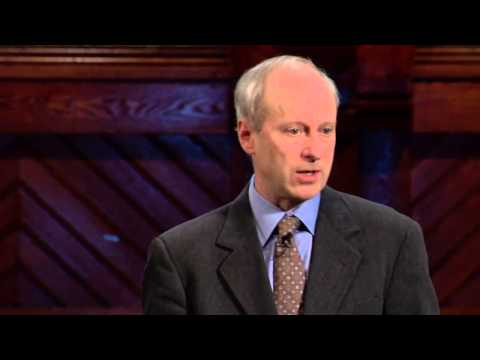
Michael Sandel:Justice What's The Right Thing To Do Episode 11 THE CLAIMS OF COMMUNITY
0
ethern posted on 2014/04/26Ever wondered if we're truly free, or if our identities are shaped by our communities and history? This video dives into the fascinating philosophical debate between thinkers like Kant and Aristotle on justice, freedom, and the role of community, offering a chance to explore concepts like the 'encumbered self' and 'narrative conception of the self'.
Learn this video on the APP!
The VoiceTube App has more in-depth practice for videos!