
accumulate
US /əˈkjumjəˌlet/
UK /əˈkju:mjəleɪt/
- Verb (Transitive/Intransitive)
- To gather or acquire so that you have more of it
C2Moreaffect
US /əˈfɛkt/
UK /ə'fekt/
- Transitive Verb
- To cause a change in something else
- To pretend to have or feel (something).
- Noun
- (Psychology) Emotion or feeling.
A2TOEICMoreafford
US /əˈfɔrd, əˈford/
UK /ə'fɔ:d/
- Transitive Verb
- To make available, to provide
- To have enough money to pay for something
A2TOEICMoreaverage
US /ˈævərɪdʒ, ˈævrɪdʒ/
UK /'ævərɪdʒ/
- Noun (Countable/Uncountable)
- Total of numbers divided by the number of items
- Transitive Verb
- To add numbers then divide by the number of items
A2TOEICMorebreak down
US /brek daʊn/
UK /breik daun/
- Phrasal Verb
- To forcibly break, destroy or make collapse
- (Machine) to stop working or become weaker
A1Morecategory
US /ˈkætɪˌɡɔri, -ˌɡori/
UK /ˈkætəgəri/
- Noun
- Groups of things that are similar in some way
B1Morechip
US /tʃɪp/
UK /tʃɪp/
- Transitive Verb
- To break a small piece off something such as a cup
- To break into small pieces, often with a tool
- Noun (Countable/Uncountable)
- Small piece that has broken off (e.g. from cup)
- Piece of computer hardware that does calculations
B1Morecollapse
US /kəˈlæps/
UK /kə'læps/
- Verb (Transitive/Intransitive)
- To fold (e.g. a stroller) down to make it smaller
- To suddenly fall down or break apart into pieces
- Noun
- The sudden failure of a structure or system.
- The sudden failure of a bodily organ or function.
B1Moreconcern
US /kənˈsɚn/
UK /kənˈsɜ:n/
- Verb (Transitive/Intransitive)
- To be about a particular topic
- To have a direct impact on someone
- Noun (Countable/Uncountable)
- Company, firm or business
- Feeling of worry or anxiety
A2TOEICMorecrisis
US /ˈkraɪsɪs/
UK /'kraɪsɪs/
- Noun (Countable/Uncountable)
- Unstable situation of extreme danger or difficulty
- A turning point in a disease.
B1Morecurrent
US /ˈkɚrənt, ˈkʌr-/
UK /'kʌrənt/
- Uncountable Noun
- Electricity flowing through wires
- Movement of water in a river, or air in the sky
- Adjective
- Happening or being in the present time
- In general use or accepted by most people.
A2Moredevastation
US /ˌdevəˈsteɪʃn/
UK /ˌdevəˈsteɪʃn/
- Uncountable Noun
- Act of ruining or destroying something
- A feeling of being extremely shocked and sad.
B1Moreestimate
US /ˈɛstəˌmet/
UK /'estɪmət/
- Noun (Countable/Uncountable)
- Guess or calculation of cost, size or value
- A judgment or opinion.
- Transitive Verb
- To guess or calculate the cost, size or value of
- To form an approximate idea or judgment of.
A2TOEICMoreeventually
US /ɪˈvɛntʃuəli/
UK /ɪˈventʃuəli/
- Adverb
- After a long time; after many attempts; in the end
- At some later time; in the future
A2Morefinancial
US /faɪˈnænʃ(ə)l/
UK /faɪˈnænʃl/
- Adjective
- Involving money
- Relating to investments.
- Countable Noun
- A person who provides advice on financial matters.
A2TOEICMorefrankly
US /ˈfræŋkli/
UK /ˈfræŋkli/
- Adverb
- Speaking honestly and directly
- Used to express disagreement or mild disapproval.
B2Morefulfill
US /fʊlˈfɪl/
UK /fʊl'fɪl/
- Transitive Verb
- To finish or provide something successfully
- To make real, to bring into effect
B2TOEICMoreget a hold
US
UK
- Verb (Transitive/Intransitive)
- To make contact with someone
- To control your emotions
C1Moreget out of
US /ɡɛt aʊt ʌv/
UK /ɡet aut ɔv/
- Phrasal Verb
- To leave or escape responsibilities, troubles
- To leave a small, enclosed vehicle
A1Morego find
US
UK
- Verb (Transitive/Intransitive)
- To search for and locate someone or something.
- An instruction to locate something.
A1Morehardship
US /ˈhɑrdˌʃɪp/
UK /ˈhɑ:dʃɪp/
- Uncountable Noun
- When life is not easy, e.g. through being poor
B1Morehas over
US
UK
- Phrasal Verb
- To invite someone to your house.
- To have more than a certain number or amount.
A1Morehave to
US /hæv tu/
UK /ˈhæv tə/
- Auxiliary Verb
- Must do
A1Morein itself
US /ɪn ɪtˈsɛlf/
UK /in itˈself/
- Phrase
- Considered alone or without reference to anything else; intrinsically.
- Essentially; by its very nature.
in order to
US /ɪn ˈɔrdɚ tu/
UK /in ˈɔ:də tu:/
- Preposition
- For the purpose of; with the aim of.
- Phrase
- In a specific sequence or arrangement.
- With the aim of; for the purpose of.
C1Moreindividual
US /ˌɪndəˈvɪdʒuəl/
UK /ˌɪndɪˈvɪdʒuəl/
- Countable Noun
- Single person, looked at separately from others
- A single thing or item, especially when part of a set or group.
- Adjective
- Made for use by one single person
- Having a distinct manner different from others
A2Moreissue
US /ˈɪʃu/
UK /'ɪʃu:/
- Transitive Verb
- To make something available to be used or sold
- To deliver a statement, etc. in an official manner
- Noun (Countable/Uncountable)
- Important topic discussed, debated or argued over
- Single edition of a magazine
A2TOEICMorejay
US /dʒe/
UK /dʒeɪ/
- Noun
- Bird with a blue and white pattern on the wing
B1Morelandlord
US /ˈlændlɔ:rd/
UK /ˈlændlɔ:d/
- Countable Noun
- Someone who owns and rents a place to people
B1Moremortgage
US /ˈmɔrɡɪdʒ/
UK /'mɔ:ɡɪdʒ/
- Noun (Countable/Uncountable)
- Long-term loan from a bank for buying property
- A legal agreement in which you borrow money in order to buy a house using the house as a guarantee
- Transitive Verb
- To borrow money to buy a house, giving the lender the right to take ownership of the property if you cannot pay the debt
B1TOEICMoreon average
US /ɑn ˈævərɪdʒ/
UK /ɔn ˈævəridʒ/
- Phrase
- Typically; usually; based on an average calculation.
B1Moreon the door
US /ɑn ðə dɔr/
UK /ɒn ðə dɔ:/
- Preposition
- Situated on the surface or part of a door.
B1Moreout of it
US /aʊt ʌv ɪt/
UK /aut ɔv it/
- Adjective
- Unconscious or not completely alert; dazed or confused.
- Not able to think clearly or react quickly; not with it.
A1Morepandemic
US /pænˈdɛmɪk/
UK /pæn'demɪk/
- Adjective
- (of a disease) existing in almost all of an area or in almost all of a group of people, animals, or plants
- Noun
- a pandemic disease
C2Morepetrify
US /ˈpɛtrəˌfaɪ/
UK /ˈpetrɪfaɪ/
- Verb (Transitive/Intransitive)
- To be very afraid or paralysed with terror
- To convert into stone or a stony substance
C2TOEICMoreproperty
US /ˈprɑpəti/
UK /'prɒpətɪ/
- Noun (Countable/Uncountable)
- Particular quality that someone or something has
- Buildings or piece of land owned by someone
A2TOEICMorereach
US /ritʃ/
UK /ri:tʃ/
- Verb (Transitive/Intransitive)
- To come to or arrive at a goal or destination
- To be long enough to get to a certain place
- Uncountable Noun
- Power or control someone has over something
A2TOEICMoreread through
US /rid θru/
UK /ri:d θru:/
- Phrasal Verb
- To read something from beginning to end, often to find mistakes or check details.
- To read something quickly without paying attention to details.
- Noun
- A rehearsal where actors read through the script without acting it out fully.
A1Morerely
US /rɪˈlaɪ/
UK /rɪ'laɪ/
- Intransitive Verb
- Depend on with full trust or confidence
- To trust or have confidence in someone.
B2TOEICMorerely on
US /rɪˈlaɪ ɑn/
UK /riˈlai ɔn/
- Phrasal Verb
- To depend on someone or something
A2Moreresponse
US /rɪˈspɑns/
UK /riˈspɔns/
- Noun
- Something said/written as an answer to something
- Reaction to something that has occurred
A2TOEICMoreroad ahead
US
UK
- Noun
- The future; what is to come.
- The actual road in front of you.
B1Morescope
US /skoʊp/
UK /skəʊp/
- Noun (Countable/Uncountable)
- Opportunity for action or thought
- Range of things included or dealt with
- Verb (Transitive/Intransitive)
- to look at especially for the purpose of evaluation —usually used with out
B1TOEICMorestress
US / strɛs/
UK /stres/
- Transitive Verb
- To emphasize one or more parts of a word, sentence
- To put pressure on something or someone
- Noun (Countable/Uncountable)
- Emphasis on part of a word or sentence
- Pressure on something or someone
A2TOEICMoresuspend
US /səˈspɛnd/
UK /sə'spend/
- Transitive Verb
- To hang something or someone from something
- To stop something for a period of time; interrupt
B2TOEICMoresustain
US /səˈsten/
UK /sə'steɪn/
- Transitive Verb
- To lengthen or continue to do something
- To support or maintain someone or something
B2TOEICMoreto let
US /tu lɛt/
UK /tu let/
- Preposition
- Indicates that a property is available for rent.
A2Moretough
US /tʌf/
UK /tʌf/
- Adjective
- (Of food) difficult to chew or bite through
- Very difficult to do or deal with
- Noun
- A rough and aggressive person.
A2Moreused up
US
UK
- Phrasal Verb
- To use all of; consume
- Adjective
- Exhausted or depleted.
A1Morevacant
US /ˈvekənt/
UK /ˈveɪkənt/
- Adjective
- Having no fixtures, furniture, or inhabitants
- Available; not filled.
B1TOEICMorewake up
US /wek ʌp/
UK /weik ʌp/
- Phrasal Verb
- To stop sleeping
- To become fully aware and alert to a situation.
A1Morewanna
US /ˈwɑnə/
UK /'wɒnə/
- Verb (Transitive/Intransitive)
- Shortened form of 'want to'. Used only in speaking
B2Morewidow
US /ˈwɪdo/
UK /'wɪdəʊ/
- Noun
- Woman whose husband has died
B1More
Vocabulary
- have to: Must do
- on average: Typically; usually; based on an average calculation.
- used up: To use all of; consume
- get a hold: To make contact with someone
- on the door: Situated on the surface or part of a door.
- break down: To forcibly break, destroy or make collapse
- in itself: Considered alone or without reference to anything else; intrinsically.
- read through: To read something from beginning to end, often to find mistakes or check details.
- road ahead: The future; what is to come.
- wake up: To stop sleeping
- has over: To invite someone to your house.
- rely on: To depend on someone or something
- in order to: For the purpose of; with the aim of.
- to let: Indicates that a property is available for rent.
- go find: To search for and locate someone or something.
- get out of: To leave or escape responsibilities, troubles
- out of it: Unconscious or not completely alert; dazed or confused.
- eventually: After a long time; after many attempts; in the end
- individual: Single person, looked at separately from others
- tough: (Of food) difficult to chew or bite through
- figure: To appear in a game, play or event
- pandemic: (of a disease) existing in almost all of an area or in almost all of a group of people, animals, or plants
- crisis: Unstable situation of extreme danger or difficulty
- average: Total of numbers divided by the number of items
- category: Groups of things that are similar in some way
- current: Electricity flowing through wires
- stress: To emphasize one or more parts of a word, sentence
- frankly: Speaking honestly and directly
- property: Particular quality that someone or something has
- mortgage: Long-term loan from a bank for buying property
- financial: Involving money
- estimate: Guess or calculation of cost, size or value
- affect: To cause a change in something else
- collapse: To fold (e.g. a stroller) down to make it smaller
- afford: To make available, to provide
- issue: To make something available to be used or sold
- concern: To be about a particular topic
- reach: To come to or arrive at a goal or destination
- sustain: To lengthen or continue to do something
- accumulate: To gather or acquire so that you have more of it
- response: Something said/written as an answer to something
- account: An advantage
- complete: To finish or reach the end of doing something
- introduce: To open an essay to set the scene
- fulfill: To finish or provide something successfully
- wanna: Shortened form of 'want to'. Used only in speaking
- rely: Depend on with full trust or confidence
- scope: Opportunity for action or thought
- coronavirus: Any of a group of RNA viruses that cause a variety of diseases in humans and other animals.
- continue: To do something without stopping, or after pausing
- government: Group of people and system that rule a nation
- program: To make someone act or think in a certain way
- active: Moving around a lot or doing many things
- own: To have something as your property
- chip: To break a small piece off something such as a cup
- suspend: To hang something or someone from something
- hardship: When life is not easy, e.g. through being poor
- income: Earned money from work, investments or business
- devastation: Act of ruining or destroying something
- cover: To record a different version of another song
- vacant: Having no fixtures, furniture, or inhabitants
- lose: To be unable to keep in check or control something
- happen: To take place or occur
- landlord: Someone who owns and rents a place to people
- bipartisan: Supported by both sides
- widow: Woman whose husband has died
- petrify: To be very afraid or paralysed with terror
- jay: Bird with a blue and white pattern on the wing
Get the full experience in the app
Learn anywhere with detailed sentence and usage analysis
01:03
She took a brave step forward, leaving behind her comfort zone to chase her dreams.
Vocabulary
- brave
adj. Having courage
- comfort zone
phr. A familiar situation where one feels safe
Explanation
a brave step is a noun phrase, where brave is an adjective modifying the noun step, meaning "a courageous step".
forward is an adverb modifying step, meaning "ahead".
The whole phrase serves as the object, answering the "what" of took (verb) — she took a brave step forward.
Get the full experience in the app
Look up words anytime with pronunciation, part of speech, and usage
brave
US/brev/
UK/breɪv/
adj.Brave
v.t.To bravely face
A2 Elementary
Get the full experience in the app
Practice speaking anytime and get instant pronunciation feedback
Try this speaking exercise.
Try practicing with this sentence.
80
0
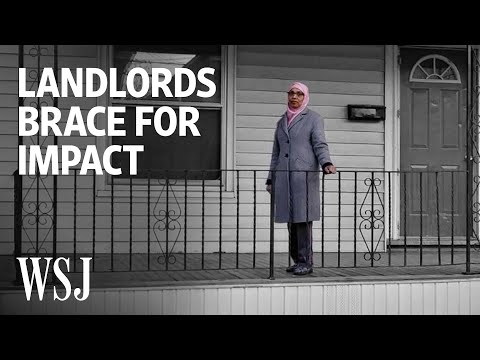
Mackenzie posted on 2020/06/08Ever wondered what happens to landlords when tenants can't pay rent? This video dives into the real-life struggles of small landlords facing mortgage strain and eviction moratoriums, offering a fascinating look at the housing market from their perspective. You'll pick up practical vocabulary and hear realistic dialogue that brings this complex situation to life!
Learn this video on the APP!
The VoiceTube App has more in-depth practice for videos!