
abstract
US /ˈæbˌstrækt/
UK /'æbstrækt/
- Noun (Countable/Uncountable)
- Passage of text from an article or book
- Something that doesn't exist physically
- Adjective
- Concerning something that doesn't exist physically
- Relating to abstract art.
B1Moreat some point
US /æt sʌm pɔɪnt/
UK /æt sʌm pɔint/
- Phrase
- At an unspecified time, usually in the future.
A1Moreautomatically
US /ˌɔtəˈmætɪkl:ɪ/
UK /ˌɔ:tə'mætɪklɪ/
- Adverb
- In a way not requiring control by a person
B1Morebet
US /bet/
UK /bet/
- Verb (Transitive/Intransitive)
- To gamble money to win more money, e.g. on horses
- Used to express certainty or confidence
- Countable Noun
- Act of gambling money on the result of a race etc.
A2Morecommit
US /kəˈmɪt/
UK /kə'mɪt/
- Transitive Verb
- To do something bad, usually a crime
- To promise your permanent love or loyalty (to)
A2TOEICMorecorrect
US /kəˈrɛkt/
UK /kə'rekt/
- Adjective
- Being suitable and appropriate for an occasion
- True or accurate
- Transitive Verb
- To fix a problem
- To write marks on a piece of work to show mistakes
A2Morecut corners
US
UK
- Verb (Transitive/Intransitive)
- To do something badly in order to save money or effort.
A2Moredepend
US /dɪˈpend/
UK /dɪˈpend/
- Verb (Transitive/Intransitive)
- Be controlled or determined by (someone/something)
- To rely on someone or something for support, help, or existence.
B1TOEICMoredirection
US /dɪˈrɛkʃən, daɪ-/
UK /də'rekʃn/
- Noun (Countable/Uncountable)
- When someone tells people what to do
- Describes the way you are going, e.g. North
A2TOEICMoreedge
US /ɛdʒ/
UK /edʒ/
- Noun (Countable/Uncountable)
- An advantage you have over others
- Cutting side of a sharp object
- Transitive Verb
- To cut something to make the blade sharp
- To go around the boundary of something
A2TOEICMoreevolve
US /ɪˈvɑlv/
UK /ɪ'vɒlv/
- Verb (Transitive/Intransitive)
- To develop certain features
- To develop or change slowly over time
B1Morefeat
US /fit/
UK /fi:t/
- Noun (Countable/Uncountable)
- Impressive act showing courage or skill
- A remarkable or skillful act or accomplishment.
- Noun
- An archaic spelling of 'feet'.
B1Moreflip
US /flɪp/
UK /flɪp/
- Verb (Transitive/Intransitive)
- To turn your body in the air, as in gymnastics
- To move into a different position quickly
- Noun
- Act of turning your body in the air; somersault
- Movement of something from one position to another
B2Moregeneralization
US //ˌʤɛnərəlɪˈzeɪʃən//
UK
- Noun
- Making a statement about a group from limited data
B2Moregeneralize
US /ˈdʒɛnərəˌlaɪz/
UK /'dʒenrəlaɪz/
- Verb (Transitive/Intransitive)
- To apply a particular idea to a large group
B2Morehave to
US /hæv tu/
UK /ˈhæv tə/
- Auxiliary Verb
- Must do
A1Moreidentity
US /aɪˈdɛntɪti/
UK /aɪ'dentətɪ/
- Noun (Countable/Uncountable)
- Collection of qualities that makes a person
- Who someone is; the name of a person
B1Moreinability
US /ˌɪnəˈbɪlɪti/
UK /ˌɪnəˈbɪləti/
- Uncountable Noun
- Lack of ability, power, or means to do something
A2Moreindividual
US /ˌɪndəˈvɪdʒuəl/
UK /ˌɪndɪˈvɪdʒuəl/
- Countable Noun
- Single person, looked at separately from others
- A single thing or item, especially when part of a set or group.
- Adjective
- Made for use by one single person
- Having a distinct manner different from others
A2Moreliberty
US /ˈlɪbəti/
UK /'lɪbətɪ/
- Uncountable Noun
- Doing as one wants without asking
- Power to do what you choose
- Adjective
- Not imprisoned; free.
B1Morelogo
US /ˈloˌɡo/
UK /'ləʊɡəʊ/
- Noun
- Name, symbol or picture which represents a company
B2TOEICMorelook at
US /lʊk æt/
UK /luk æt/
- Phrasal Verb
- To use your eyes to focus on something
- To focus your eyes on something carefully
A1Moremark out
US /mɑrk aʊt/
UK /mɑ:k aut/
- Phrasal Verb
- To define or establish the limits or boundaries of an area.
- To distinguish someone or something from others.
A2Moremove to
US /muv tu/
UK /mu:v tu:/
- Phrasal Verb
- To change the place where you live or work.
- Verb (Transitive/Intransitive)
- To proceed to the next stage or action.
A2Morename for
US
UK
- Phrasal Verb
- To give someone or something a particular name, often in honor of someone else.
A1Moreorientation
US /ˌɔriɛnˈteʃən, -ən-, ˌor-/
UK /ˌɔ:riənˈteɪʃn/
- Noun
- Where you are in a location, e.g. facing east/west
- Process of giving information about something new
B1Moreout of it
US /aʊt ʌv ɪt/
UK /aut ɔv it/
- Adjective
- Unconscious or not completely alert; dazed or confused.
- Not able to think clearly or react quickly; not with it.
A1Morepile
US /paɪl/
UK /paɪl/
- Noun (Countable/Uncountable)
- Large amount of something
- Group of things one on top of another
- Verb (Transitive/Intransitive)
- (E.g. of problems) to increase; get more or worse
- To place things on top of each other; to heap up.
B1TOEICMoreportrait
US /ˈpɔrtrɪt,-ˌtret,ˈpor-/
UK /ˈpɔ:trit/
- Noun
- Picture of a person's head and shoulders
- Detailed representation of someone in film, etc.
- Adjective
- A format in which the height is greater than the width.
- Relating to a photograph, painting, drawing, or engraving of a person.
B1Moreprogress
US /ˈprɑɡˌrɛs, -rəs, ˈproˌɡrɛs/
UK /'prəʊɡres/
- Verb (Transitive/Intransitive)
- To move forward or toward a place or goal
- To make progress; develop or improve.
- Uncountable Noun
- Act of moving forward
- The process of improving or developing something over a period of time.
A2TOEICMorerandom
US /ˈrændəm/
UK /'rændəm/
- Adjective
- Chosen, done without a particular plan or pattern
B1Morerarely
US /ˈrɛrli/
UK /ˈrɛəli/
- Adverb
- Not often (seen, done, etc.); infrequently
A2TOEICMorerecognize
US /ˈrek.əɡ.naɪz/
UK /ˈrek.əɡ.naɪz/
- Transitive Verb
- To accept the truth or reality of something
- To consider something as important or special
A2TOEICMorereverse
US /rɪˈvɚs/
UK /rɪ'vɜ:s/
- Noun
- Setting that makes the vehicle go backward
- Instance of a significant change, for the worse
- Verb (Transitive/Intransitive)
- To drive a vehicle backward
- To change to an opposite state, way or condition
B1TOEICMoreridiculous
US /rɪˈdɪkjələs/
UK /rɪˈdɪkjələs/
- Adjective
- Funny or foolish; deserving to be laughed at
A2Morescript
US /skrɪpt/
UK /skrɪpt/
- Noun (Countable/Uncountable)
- Written text of a book, play, film, or speech
- Set of letters or characters of a written language
- Transitive Verb
- To write a text for a movie, play or speech
B1Moreset up
US /sɛt ʌp/
UK /set ʌp/
- Phrasal Verb
- To make arrangements for something; establish
- Verb (Transitive/Intransitive)
- To arrange or prepare something for use.
- To start a business, organization, etc.
A1Moresilhouette
US /ˌsɪluˈɛt/
UK /ˌsɪlʊ'et/
- Noun
- Image/drawing showing only the outline, as of head
B2Morestandard
US /ˈstændəd/
UK /'stændəd/
- Noun
- Official unit of measuring something
- Principle of behaving in a moral way
- Adjective
- Being the accepted normal level of quality
- (Of a language) being the most accepted in a place
A2TOEICMorestring
US /strɪŋ/
UK /strɪŋ/
- Transitive Verb
- To tie or connect things together with a thread
- Noun (Countable/Uncountable)
- A line of connected objects
- Thick thread; thin rope
A2Moresuppress
US /səˈprɛs/
UK /səˈpres/
- Transitive Verb
- To prevent the display of emotion or feeling
- To use force to prevent something happening
B1TOEICMoretalking about
US
UK
- Phrasal Verb
- To discuss a particular topic.
- To be constantly mentioning or bringing up a subject.
A1Moretend
US /tɛnd/
UK /tend/
- Intransitive Verb
- To move or act in a certain manner
- Transitive Verb
- To take care of
A2Moretendency
US /ˈtɛndənsi/
UK /'tendənsɪ/
- Noun
- Likelihood to behave in a particular way
A2Morethink of
US /θɪŋk ʌv/
UK /θiŋk ɔv/
- Phrasal Verb
- To look on as (being something specific); consider
- To consider or remember something.
- Verb (Transitive/Intransitive)
- To imagine or call something to mind
A1Moreto the left
US
UK
- Phrase
- In or toward the left direction.
- Situated on the left side of.
turn to
US /tɚn tu/
UK /tə:n tu:/
- Phrasal Verb
- To go to someone for help, advice, or information.
- To start doing or using something, often something bad or undesirable.
A1Moreused to
US /juzd tu/
UK /ˈju:st tə/
- Adjective
- Did regularly before, but don't do now
- Auxiliary Verb
- Have done before, but do not do now
A1Moreweird
US /wɪrd/
UK /wɪəd/
- Adjective
- Odd or unusual; surprising; strange
- Eerily strange or disturbing.
B1Morewrite in
US
UK
- Phrasal Verb
- To add text to a document or form.
- To vote for a candidate whose name is not printed on the ballot by writing it in.
A1More
Vocabulary
- have to: Must do
- used to: Did regularly before, but don't do now
- at some point: At an unspecified time, usually in the future.
- write in: To add text to a document or form.
- talking about: To discuss a particular topic.
- set up
- name for: To give someone or something a particular name, often in honor of someone else.
- think of: To look on as (being something specific); consider
- mark out: To define or establish the limits or boundaries of an area.
- out of it: Unconscious or not completely alert; dazed or confused.
- look at: To use your eyes to focus on something
- to the left: In or toward the left direction.
- move to: To change the place where you live or work.
- turn to: To go to someone for help, advice, or information.
- cut corners: To do something badly in order to save money or effort.
- weird: Odd or unusual; surprising; strange
- individual: Single person, looked at separately from others
- ridiculous: Funny or foolish; deserving to be laughed at
- recognize: To accept the truth or reality of something
- progress: To move forward or toward a place or goal
- matter: To be of great importance; to count
- flip: To turn your body in the air, as in gymnastics
- completely: In every way or as much as possible
- tend: To move or act in a certain manner
- evolve: To develop certain features
- common: Area in a city or town that is open to everyone
- random: Chosen, done without a particular plan or pattern
- describe: To tell the appearance, sound, smell of something
- script: Written text of a book, play, film, or speech
- commit: To do something bad, usually a crime
- abstract: Passage of text from an article or book
- tendency: Likelihood to behave in a particular way
- bet: To gamble money to win more money, e.g. on horses
- reverse: Setting that makes the vehicle go backward
- automatically: In a way not requiring control by a person
- brain: To strike someone forcefully on the head
- pile: Large amount of something
- draw: To attract attention to someone or something
- portrait: Picture of a person's head and shoulders
- edge: An advantage you have over others
- suppress: To prevent the display of emotion or feeling
- direction: When someone tells people what to do
- form: Sports team or person's current winning record
- suddenly: In an unexpected or very quick manner
- identity: Collection of qualities that makes a person
- feat: Impressive act showing courage or skill
- guess: To give an answer without knowing if it is correct
- empty: Containing nothing; with no contents
- standard: Official unit of measuring something
- rest: Time when one relaxes, sleeps, or is inactive
- string: To tie or connect things together with a thread
- orientation: Where you are in a location, e.g. facing east/west
- correct: Being suitable and appropriate for an occasion
- leave: To go away from; depart
- stage: To organize an event to gain public interest
- normal: Standard or regular way of doing something
- depend: Be controlled or determined by (someone/something)
- rarely: Not often (seen, done, etc.); infrequently
- single: One run in cricket or a hit baseball
- inability: Lack of ability, power, or means to do something
- liberty: Doing as one wants without asking
- silhouette: Image/drawing showing only the outline, as of head
- generalization: Making a statement about a group from limited data
- generalize: To apply a particular idea to a large group
- logo: Name, symbol or picture which represents a company
Get the full experience in the app
Learn anywhere with detailed sentence and usage analysis
01:03
She took a brave step forward, leaving behind her comfort zone to chase her dreams.
Vocabulary
- brave
adj. Having courage
- comfort zone
phr. A familiar situation where one feels safe
Explanation
a brave step is a noun phrase, where brave is an adjective modifying the noun step, meaning "a courageous step".
forward is an adverb modifying step, meaning "ahead".
The whole phrase serves as the object, answering the "what" of took (verb) — she took a brave step forward.
Get the full experience in the app
Look up words anytime with pronunciation, part of speech, and usage
brave
US/brev/
UK/breɪv/
adj.Brave
v.t.To bravely face
A2 Elementary
Get the full experience in the app
Practice speaking anytime and get instant pronunciation feedback
Try this speaking exercise.
Try practicing with this sentence.
80
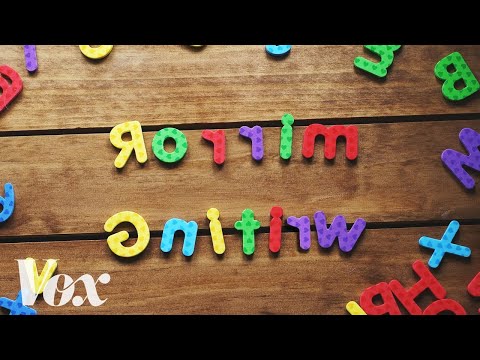
Why kids write letters backward
0
神谷菜々子 posted on 2020/04/20Ever wondered why kids sometimes write letters backward? This fun explainer dives into mirror writing and mirror generalization, helping you understand the fascinating visual perception behind early literacy. You'll pick up some advanced vocabulary and see simple sentence structures in action!
Learn this video on the APP!
The VoiceTube App has more in-depth practice for videos!