
appetite
US /ˈæpɪˌtaɪt/
UK /'æpɪtaɪt/
- Noun
- Feeling of hunger or desire for something
B1Moreappointment
US /əˈpɔɪntmənt/
UK /əˈpɔɪntmənt/
- Noun
- Job, position or duty that is offered to a person
- Time you arranged to meet someone or do something
A2TOEICMoreas well as
US /æz wɛl æz/
UK /æz wel æz/
- Adverb
- Also; in addition to
- Preposition
- In addition to; and also.
A1Moreattribute
US /əˈtrɪbjut/
UK /əˈtrɪbju:t/
- Transitive Verb
- (Of books, art, music) to say it was composed by
- Noun (Countable/Uncountable)
- Characteristic something has, e.g. size or color
B1TOEICMorebinge
US /bɪndʒ/
UK /bɪndʒ/
- Verb (Transitive/Intransitive)
- To eat or drink too much at one time
C1Morecommunity
US /kəˈmjunɪti/
UK /kə'mju:nətɪ/
- Noun (Countable/Uncountable)
- Group of people who share a common idea or area
- A feeling of fellowship with others, as a result of sharing common attitudes, interests, and goals.
- Adjective
- Relating to or shared by the people in a particular area.
- Shared or participated in by all members of a group
A2Morecondition
US /kənˈdɪʃən/
UK /kənˈdɪʃn/
- Transitive Verb
- To improve something to make it better
- To cause to behave automatically in a certain way
- Noun (Countable/Uncountable)
- Disease or other medical problem
- The state of living you are in, e.g. good health
A2Moreconstant
US /ˈkɑnstənt/
UK /'kɒnstənt/
- Adjective
- Happening frequently or without pause
- Remaining the same over time or not changing.
- Noun
- Thing that happens always or at a regular rate
- A physical quantity that is believed to have a fixed value and is used in calculations.
A2TOEICMorecontact
US /ˈkɑnˌtækt/
UK /'kɒntækt/
- Adjective
- Touching or feeling something
- Noun (Countable/Uncountable)
- Touching or feeling something
- Object that allows electricity to run through it
A2Moredepressed
US /dɪˈprɛst/
UK /dɪˈprest/
- Transitive Verb
- To make someone feel sad or miserable
- To push something down
- Adjective
- Feeling sad or miserable
- Suffering from clinical depression.
B2Moredepression
US /dɪˈprɛʃən/
UK /dɪ'preʃn/
- Noun (Countable/Uncountable)
- Medical condition of a lack of vitality
- Period of unemployment and low economic activity
B2Moredifferently
US /ˈdɪfərəntlɪ/
UK /'dɪfrəntlɪ/
- Adverb
- In another and different manner
- In a way that shows a different opinion or perspective.
A2Moredigestive
US /daɪˈdʒɛstɪv, dɪ-/
UK /daɪˈdʒestɪv/
- Adjective
- Concerning processes of converting food to energy
B2Moreedgy
US /ˈɛdʒi/
UK /ˈedʒi/
- Adjective
- Feelings of tension and anxiety
C1Morefeel like
US
UK
- Intransitive Verb
- To have a desire or inclination for something.
- To have a particular quality or sensation; resemble.
A1Morefeel sick
US
UK
- Intransitive Verb
- To experience a sensation of nausea or illness
frustrated
US /ˈfrʌstretɪd/
UK /frʌˈstreɪtɪd/
- Adjective
- Annoyed because things don't go the way you want
- Transitive Verb
- To make annoyed because things don't go well
- To prevent (a plan or intention) from succeeding.
B1Moreget a hold
US
UK
- Verb (Transitive/Intransitive)
- To make contact with someone
- To control your emotions
C1Moreget through
US /ɡɛt θru/
UK /ɡet θru:/
- Phrasal Verb
- To arrive at the end of or finish something
- To succeed in contacting someone by phone
A1Morego on
US /ɡo ɑn/
UK /ɡəu ɔn/
- Phrasal Verb
- To continue doing something
- To happen (usually negative)
- Interjection
- Used to encourage someone
A1Morehave to
US /hæv tu/
UK /ˈhæv tə/
- Auxiliary Verb
- Must do
A1Morehelp out
US /hɛlp aʊt/
UK /help aut/
- Phrasal Verb
- To assist someone
A1Morehelpful
US /ˈhɛlpfəl/
UK /ˈhelpfl/
- Adjective
- Doing things that help someone
A2Morehopelessness
US
UK
- Uncountable Noun
- Lack of desire for, or belief in success
B1Moreinvolve
US /ɪnˈvɑlv/
UK /ɪn'vɒlv/
- Transitive Verb
- To have or be included as a part of something
- To cause (a person or group) to take part in an event or activity.
A2TOEICMorekinda
US /'kaɪndə/
UK /'kaɪndə/
- Noun
- Short way of saying 'kind of'
- Adverb
- Somewhat; to some extent; rather.
- Sort of; in a way.
B2Moreknow about
US /noʊ əˈbaʊt/
UK /nəʊ əˈbaut/
- Phrasal Verb
- To have information or understanding of a subject or situation.
medical
US /ˈmɛdɪkəl/
UK /ˈmedɪkl/
- Adjective
- Of or relating to physical health or medicine
- Noun
- A health check or test
A2Moremedicine
US /ˈmɛdɪsɪn/
UK /ˈmedsn/
- Noun (Countable/Uncountable)
- Something used in treating illness or pain
- Science of preventing, treating, or curing disease
A2TOEICMoreout there
US /aʊt ðɛr/
UK /aut ðɛə/
- Adverb
- In or to a place that is far away
- Existing in the universe
- Adjective
- Unconventional; strange; avant-garde
- Existing or available.
A1MorePalpable
US /ˈpælpəbəl/
UK /ˈpælpəbl/
- Adjective
- Easily noticed by the mind or the senses
C1TOEICMoreparticipate
US /pɑ:rˈtɪsɪpeɪt/
UK /pɑ:ˈtɪsɪpeɪt/
- Intransitive Verb
- To take part with others in doing something
- To be involved in a discussion or conversation.
B1TOEICMorepersist
US /pɚˈsɪst, -ˈzɪst/
UK /pə'sɪst/
- Intransitive Verb
- To continue a course of action despite opposition
- To continue to exist or occur beyond the usual, expected, or desired time.
B1TOEICMorepleasure
US /ˈplɛʒɚ/
UK /'pleʒə(r)/
- Noun (Countable/Uncountable)
- Feeling of happiness, enjoyment, or satisfaction
- A thing that causes enjoyment or delight.
- Transitive Verb
- To give someone pleasure or satisfaction.
A2TOEICMoreprevalent
US /ˈprɛvələnt/
UK /ˈprevələnt/
- Adjective
- Being common; occurring frequently
- Commonly occurring or existing; widespread.
B2TOEICMoreput out
US /pʊt aʊt/
UK /put aut/
- Phrasal Verb
- To publish, e.g. a book
- To cause someone to be troubled or inconvenienced
A1Morereach
US /ritʃ/
UK /ri:tʃ/
- Verb (Transitive/Intransitive)
- To come to or arrive at a goal or destination
- To be long enough to get to a certain place
- Uncountable Noun
- Power or control someone has over something
A2TOEICMorereach out
US /ritʃ aʊt/
UK /ri:tʃ aut/
- Phrasal Verb
- To attempt to communicate with someone.
- To offer help and support to someone.
B1Moreregular
US /ˈrɛɡjəlɚ/
UK /ˈregjələ(r)/
- Adjective
- Having an equal amount of space or time in between
- Occurring or being done frequently
- Noun (Countable/Uncountable)
- Customers who frequently visit a place
- Soldier who has a permanent job in the army
A2TOEICMoreseek
US /sik/
UK /si:k/
- Transitive Verb
- To ask someone for help
- To search for; try to find or do; look for
A2TOEICMoreseek help
US
UK
- Verb (Transitive/Intransitive)
- To ask for or try to get assistance or support.
A1Moreseparate
US /'sepəreɪt/
UK /'sepəreɪt/
- Adjective
- Being different from or unrelated to another
- Not connected; different.
- Transitive Verb
- To divide two things by being in between them
- To move things away from each other
A2TOEICMoreset up
US /sɛt ʌp/
UK /set ʌp/
- Phrasal Verb
- To make arrangements for something; establish
- Verb (Transitive/Intransitive)
- To arrange or prepare something for use.
- To start a business, organization, etc.
A1Morestomach
US /ˈstʌmək/
UK /'stʌmək/
- Noun
- Place in the body where food is processed
- Verb (Transitive/Intransitive)
- to be able to accept something unpleasant
A2Morestruggle
US /ˈstrʌɡəl/
UK /'strʌɡl/
- Verb (Transitive/Intransitive)
- To try very hard to do something difficult
- To fight or struggle violently
- Noun (Countable/Uncountable)
- Strong efforts made to do something difficult
- A difficult or challenging situation or task
A2Moresubscribe
US /səbˈskraɪb/
UK /səb'skraɪb/
- Verb (Transitive/Intransitive)
- To regularly pay to receive a service
B1TOEICMoresuicidal
US /ˌsuɪˈsaɪdl/
UK /ˌsu:ɪˈsaɪdl/
- Adjective
- Feeling you may kill yourself; depressed
- Dangerous to yourself or your interests
B2Moresuicide
US /ˈsuɪˌsaɪd/
UK /'su:ɪsaɪd/
- Noun
- Act of purposely killing yourself
- Act that ruins a person's career, status etc.
B2Moresymptom
US /ˈsɪmtəm, ˈsɪmp-/
UK /'sɪmptəm/
- Noun
- Sign that suggests that there is a problem
B1Moretalking about
US
UK
- Phrasal Verb
- To discuss a particular topic.
- To be constantly mentioning or bringing up a subject.
A1Moretherapist
US /ˈθɛrəpɪst/
UK /ˈθerəpɪst/
- Noun (Countable/Uncountable)
- Person skilled in a particular type of therapy
B2Morethink about
US /θɪŋk əˈbaʊt/
UK /θiŋk əˈbaut/
- Phrasal Verb
- To consider something carefully.
- To remember or call to mind.
A1Moreto do with
US
UK
- Phrasal Verb
- To be about something; concern
A1Moretreatment
US /ˈtritmənt/
UK /ˈtri:tmənt/
- Noun (Countable/Uncountable)
- Medicine or method to make someone healthier
- Way someone acts toward another
A2TOEICMoretune
US /tun, tjun/
UK /tju:n/
- Transitive Verb
- To make adjustments to equipment to make it better
- To adjust to be at the right musical pitch
- Noun (Countable/Uncountable)
- Group of musical notes that make a pleasant sound
A2Moreused to
US /juzd tu/
UK /ˈju:st tə/
- Adjective
- Did regularly before, but don't do now
- Auxiliary Verb
- Have done before, but do not do now
A1Morework through
US
UK
- Phrasal Verb
- To deal with something systematically until it is completed
- To deal with a problem or difficult situation.
Vocabulary
- have to: Must do
- reach out: To attempt to communicate with someone.
- to do with: To be about something; concern
- used to: Did regularly before, but don't do now
- think about: To consider something carefully.
- go on: To continue doing something
- feel like: To have a desire or inclination for something.
- seek help: To ask for or try to get assistance or support.
- get a hold: To make contact with someone
- talking about: To discuss a particular topic.
- feel sick: To experience a sensation of nausea or illness
- help out: To assist someone
- out there: In or to a place that is far away
- know about: To have information or understanding of a subject or situation.
- as well as: Also; in addition to
- set up
- put out: To publish, e.g. a book
- work through: To deal with something systematically until it is completed
- get through: To arrive at the end of or finish something
- number: Symbols such as 1, 2, 56, 793
- eat: To put food in your mouth
- feel: To be aware of or experience an emotion, sensation
- doctor: Person paid to help people become or stay healthy
- talk: Style of speaking
- people: Persons sharing culture, country, background, etc.
- long: Person's name
- find: To become aware of something that is happening
- day: A period of 24 hours beginning at midnight
- soon: At a time not long from now
- sport: Something that is done for fun, e.g. football
- paint: To make a picture with colored liquids
- hospital: Building for sick people, with doctors and nurses
- sleep: To have enough beds for
- work: The product of some artistic or literary endeavor
- sign: Indication that something exists or will happen
- healthy: In good condition physically, or financially; well
- appointment: Job, position or duty that is offered to a person
- tune: To make adjustments to equipment to make it better
- set: Prepared for something; ready
- club: Group of people who share an interest, as in sport
- stomach: Place in the body where food is processed
- call: A order or request for action
- check: Paper showing how much you owe at a restaurant
- medicine: Something used in treating illness or pain
- sick: Having a physical or mental illness
- contact: Touching or feeling something
- normal: Standard or regular way of doing something
- win: Success in beating the other team or competitors
- final: Last game in a series in a competition
- depressed: To make someone feel sad or miserable
- pleasure: Feeling of happiness, enjoyment, or satisfaction
- regular: Having an equal amount of space or time in between
- reach: To come to or arrive at a goal or destination
- condition: To improve something to make it better
- helpful: Doing things that help someone
- differently: In another and different manner
- separate: Being different from or unrelated to another
- interest: Best or most advantageous thing for someone
- period: Set amount of time during which events take place
- involve: To have or be included as a part of something
- fight: To argue or quarrel with someone about something
- general: Widespread, normal or usual
- totally: In a complete way; completely; absolutely
- support: To give assistance or advice to someone
- depression: Medical condition of a lack of vitality
- suicide: Act of purposely killing yourself
- community: Group of people who share a common idea or area
- therapist: Person skilled in a particular type of therapy
- struggle: To try very hard to do something difficult
- suicidal: Feeling you may kill yourself; depressed
- symptom: Sign that suggests that there is a problem
- frustrated: Annoyed because things don't go the way you want
- participate: To take part with others in doing something
- seek: To ask someone for help
- treatment: Medicine or method to make someone healthier
- constant: Happening frequently or without pause
- medical: Of or relating to physical health or medicine
- God: Someone admired because they are famous or good
- appetite: Feeling of hunger or desire for something
- attribute: (Of books, art, music) to say it was composed by
- persist: To continue a course of action despite opposition
- hopelessness: Lack of desire for, or belief in success
- kinda: Short way of saying 'kind of'
- Palpable: Easily noticed by the mind or the senses
- binge: To eat or drink too much at one time
- edgy: Feelings of tension and anxiety
- piss: To be angry
- prevalent: Being common; occurring frequently
- digestive: Concerning processes of converting food to energy
- ugh: Sound people make when hurt
- subscribe: To regularly pay to receive a service
Get the full experience in the app
Learn anywhere with detailed sentence and usage analysis
01:03
She took a brave step forward, leaving behind her comfort zone to chase her dreams.
Vocabulary
- brave
adj. Having courage
- comfort zone
phr. A familiar situation where one feels safe
Explanation
a brave step is a noun phrase, where brave is an adjective modifying the noun step, meaning "a courageous step".
forward is an adverb modifying step, meaning "ahead".
The whole phrase serves as the object, answering the "what" of took (verb) — she took a brave step forward.
Get the full experience in the app
Look up words anytime with pronunciation, part of speech, and usage
brave
US/brev/
UK/breɪv/
adj.Brave
v.t.To bravely face
A2 Elementary
Get the full experience in the app
Practice speaking anytime and get instant pronunciation feedback
Try this speaking exercise.
Try practicing with this sentence.
80
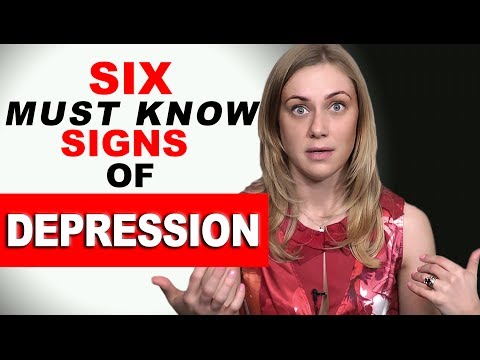
6 MUST KNOW SIGNS of DEPRESSION!
0
Jeng-Lan Lee posted on 2014/04/14Feeling down or just not yourself lately? This video breaks down 6 key signs of depression, like anhedonia and changes in appetite, in a super supportive way. You'll pick up some advanced vocabulary while learning practical knowledge that could really help you or someone you care about!
Learn this video on the APP!
The VoiceTube App has more in-depth practice for videos!