
alike
US /əˈlaɪk/
UK /əˈlaɪk/
- Adverb
- Equally; applied equally to several people/things
- Adjective
- Similar in appearance, manner or form
A2Moreannihilate
US /əˈnaɪəˌlet/
UK /ə'naɪəleɪt/
- Transitive Verb
- To completely destroy, or get rid of, by force
C1Moreanti
US /ˈæntaɪ, -ti/
UK /'æntɪ/
- Adjective
- A prefix meaning 'against' or 'opposed'
B2Morearithmetic
US /əˈrɪθmɪtɪk/
UK /əˈrɪθmətɪk/
- Uncountable Noun
- Math of adding, subtracting, dividing, multiplying
B2Moreat the most
US /ət ðə ˈmoʊst/
UK /ət ðə ˈməust/
- other
- No more than; maximum amount or degree.
A2Morebreathe
US /brið/
UK /bri:ð/
- Verb (Transitive/Intransitive)
- To move air into and out of your lungs
- To say something very softly
A2Morecall on
US /kɔl ɑn/
UK /kɔ:l ɔn/
- Phrasal Verb
- To order or ask someone to do a specific activity
- To visit someone
A1Morecram
US /kræm/
UK /kræm/
- Transitive Verb
- To add more to something that is already full
- To study intensively (for a test)
- Countable Noun
- A room in which people are crammed.
B2Moredefinition
US /ˌdɛfəˈnɪʃən/
UK /ˌdefɪˈnɪʃn/
- Noun (Countable/Uncountable)
- Explanation of word's meaning, as in dictionaries
- The sharpness of an image on a screen
A2TOEICMoredespise
US /dɪˈspaɪz/
UK /dɪ'spaɪz/
- Transitive Verb
- To have no respect whatsoever for a person/thing
B2Moreelectron
US /ɪˈlektrɑ:n/
UK /ɪˈlektrɒn/
- Countable Noun
- A negatively charged particle
B2Moreessentially
US /ɪˈsenʃəli/
UK /ɪˈsenʃəli/
- Adverb
- Basically; (said when stating the basic facts)
- Used to emphasize the basic truth or fact of a situation.
A2Moreexact
US /ɪɡˈzækt/
UK /ɪɡ'zækt/
- Adjective
- Completely correct; accurate; specific
- Transitive Verb
- To get something, sometimes using force
A2TOEICMoreexclusion
US /ɪkˈskluʒən/
UK /ɪkˈsklu:ʒn/
- Noun (Countable/Uncountable)
- Act of preventing someone from taking part
B1TOEICMoreexistence
US /ɪɡˈzɪstəns/
UK /ɪɡ'zɪstəns/
- Uncountable Noun
- State of being present, alive or real
- A way of living; the manner in which someone lives.
A2TOEICMoreforbid
US /fərˈbɪd/
UK /fəˈbɪd/
- Transitive Verb
- To order someone not to do something
B1Morefundamental
US /ˌfʌndəˈmɛntl/
UK /ˌfʌndəˈmentl/
- Adjective
- Forming a necessary part, base, or core
- Of central importance.
- Noun (Countable/Uncountable)
- A basic part of something
- (Music) the lowest note in a harmony
A2TOEICMorehave to
US /hæv tu/
UK /ˈhæv tə/
- Auxiliary Verb
- Must do
A1Moreidentical
US /aɪˈdɛntɪkəl/
UK /aɪˈdentɪkl/
- Adjective
- The same in every way
- Satisfied by all values of the variables involved.
B1Morein fact
US /ɪn fækt/
UK /in fækt/
- Adverb
- Used to emphasize the truth of a statement, especially one that contrasts with or contradicts something else.
- Used to introduce a more detailed or surprising piece of information.
- Phrase
- Used to emphasize the truth of a statement, especially one that is surprising or contrary to what might be expected.
C1Morein practice
US /ɪn ˈpræktɪs/
UK /in ˈpræktis/
- Phrase
- In reality or actual use; as opposed to in theory.
A1Moreinhale
US /ɪnˈhel/
UK /ɪnˈheɪl/
- Verb (Transitive/Intransitive)
- To breathe in something like air or smoke
- To eat or drink something extremely fast
B2Moreinstead of
US /ɪnˈstɛd ʌv/
UK /inˈsted ɔv/
- Preposition
- When one thing is replaced by another
- Adverb
- As a substitute or alternative.
A1Morelevel
US /ˈlɛvəl/
UK /'levl/
- Noun (Countable/Uncountable)
- Specific height of something
- Amount of ability you have compared to others
- Transitive Verb
- To aim a gun at someone
- To destroy a building; flatten an area completely
A2TOEICMoreliterally
US /ˈlɪtərəli/
UK
- Adverb
- In a literal manner or sense; exactly as stated.
- Used for emphasis to describe something that is actually true, often to highlight surprise or intensity.
B1Morenegative
US /ˈnɛɡətɪv/
UK /'neɡətɪv/
- Noun
- The opposite to a positive electrical charge
- In grammar, containing words such as 'no' or 'not'
- Adjective
- Being harmful, unwanted or unhelpful
- In mathematics, being less than zero
A2Moreneutrino
US /nu:'tri:noʊ/
UK /nju:'tri:nəʊ/
- Noun
- Tiny particle with no electrical charge
C1Moreoutward
US /ˈaʊtwəd/
UK /ˈaʊtwəd/
- Adjective
- Going away from a place that will be returned to
- Seeming to be from the outside
B1Moreparticle
US /ˈpɑrtɪkəl/
UK /ˈpɑ:tɪkl/
- Noun
- Adverb or preposition that joins with a verb
- Tiny piece or quantity of something
B1Moreperfectly
US /ˈpəfɪktli/
UK /ˈpɜ:fɪktli/
- Adverb
- In a faultless manner; without mistakes
A2Morepractice
US /ˈpræktɪs/
UK /'præktɪs/
- Noun
- The office and place for legal or medical work
- Doing something many times to become better at it
- Verb (Transitive/Intransitive)
- To work as a doctor or lawyer
- To live according to the teachings of a religion
A2TOEICMoreprinciple
US /ˈprɪnsəpəl/
UK /ˈprɪnsəpl/
- Noun (Countable/Uncountable)
- Moral rule or belief governing a person's behavior
- Natural law that explains how things work
A2TOEICMoreprohibit
US /proˈhɪbɪt/
UK /prə'hɪbɪt/
- Transitive Verb
- To make something impossible
- To prevent, forbid to use or do something
B1TOEICMorequantum
US /ˈkwɑ:ntəm/
UK /ˈkwɒntəm/
- Noun (Countable/Uncountable)
- The smallest unit or amount of energy
B2Morequark
US /kwɔrk, kwɑrk/
UK /kwɑ:k/
- Noun
- One of the smallest amounts of physical matter
C1Morerule
US /ruːl/
UK /ruːl/
- Noun (Countable/Uncountable)
- Something that is normal and usually happens
- Governmental control or power over a region
- Verb (Transitive/Intransitive)
- To decide legally, especially in court
- To have control or influence
A2TOEICMorespontaneously
US /spɔnˈtenɪəslɪ/
UK /spɒn'teɪnɪəslɪ/
- Adverb
- In a sudden, unplanned way
B1Moresprawl
US /sprɔl/
UK /sprɔ:l/
- Intransitive Verb
- To spread out in an uncontrolled way
B2Moresummon
US /ˈsʌmən/
UK /'sʌmən/
- Transitive Verb
- To order someone to come, e.g. to a court of law
B1Moreuniverse
US /ˈjunəˌvɚs/
UK /ˈju:nɪvɜ:s/
- Noun (Countable/Uncountable)
- All of space that contains planets and stars
- Things surrounding a person, affecting their life
B2Moreused to
US /juzd tu/
UK /ˈju:st tə/
- Adjective
- Did regularly before, but don't do now
- Auxiliary Verb
- Have done before, but do not do now
A1Morewhim
US /hwɪm, wɪm/
UK /wɪm/
- Noun
- A sudden thought or desire; a fancy
B2Morewrite down
US /raɪt daʊn/
UK /rait daun/
- Phrasal Verb
- To record in writing
A1More
Vocabulary
- have to: Must do
- write down: To record in writing
- used to: Did regularly before, but don't do now
- call on: To order or ask someone to do a specific activity
- in fact: Used to emphasize the truth of a statement, especially one that contrasts with or contradicts something else.
- in practice: In reality or actual use; as opposed to in theory.
- instead of: When one thing is replaced by another
- at the most: No more than; maximum amount or degree.
- literally: In a literal manner or sense; exactly as stated.
- essentially: Basically; (said when stating the basic facts)
- practice: The office and place for legal or medical work
- matter: To be of great importance; to count
- negative: The opposite to a positive electrical charge
- exact: Completely correct; accurate; specific
- fundamental: Forming a necessary part, base, or core
- existence: State of being present, alive or real
- definition: Explanation of word's meaning, as in dictionaries
- field: Area of study, such as physics or biology
- spontaneously: In a sudden, unplanned way
- state: Region within a country, with its own government
- universe: All of space that contains planets and stars
- principle: Moral rule or belief governing a person's behavior
- identical: The same in every way
- cram: To add more to something that is already full
- inhale: To breathe in something like air or smoke
- produce: Fresh foods such as fruits and vegetables
- place: To put someone in a particular type of situation
- kind: In a caring and helpful manner
- fact: Something that is known or proved to be true
- breathe: To move air into and out of your lungs
- build: Your physical shape; physique
- particle: Adverb or preposition that joins with a verb
- point: An item to be discussed
- quantum: The smallest unit or amount of energy
- despise: To have no respect whatsoever for a person/thing
- basic: At the most important or easiest (beginner) level
- remember: To give someone a gift, e.g. birthday, wedding
- rule: Something that is normal and usually happens
- space: Empty area kept for a specific reason, like a car
- deep: Complex and important
- forbid: To order someone not to do something
- understand: To know the meaning of language, what someone says
- whim: A sudden thought or desire; a fancy
- prohibit: To make something impossible
- case: Container used to carry things, e.g. clothes
- perfectly: In a faultless manner; without mistakes
- level: Specific height of something
- summon: To order someone to come, e.g. to a court of law
- outward: Going away from a place that will be returned to
- anti: A prefix meaning 'against' or 'opposed'
- alike: Equally; applied equally to several people/things
- exclusion: Act of preventing someone from taking part
- arithmetic: Math of adding, subtracting, dividing, multiplying
- sprawl: To spread out in an uncontrolled way
- annihilate: To completely destroy, or get rid of, by force
- electron: A negatively charged particle
- quark: One of the smallest amounts of physical matter
- neutrino: Tiny particle with no electrical charge
Get the full experience in the app
Learn anywhere with detailed sentence and usage analysis
01:03
She took a brave step forward, leaving behind her comfort zone to chase her dreams.
Vocabulary
- brave
adj. Having courage
- comfort zone
phr. A familiar situation where one feels safe
Explanation
a brave step is a noun phrase, where brave is an adjective modifying the noun step, meaning "a courageous step".
forward is an adverb modifying step, meaning "ahead".
The whole phrase serves as the object, answering the "what" of took (verb) — she took a brave step forward.
Get the full experience in the app
Look up words anytime with pronunciation, part of speech, and usage
brave
US/brev/
UK/breɪv/
adj.Brave
v.t.To bravely face
A2 Elementary
Get the full experience in the app
Practice speaking anytime and get instant pronunciation feedback
Try this speaking exercise.
Try practicing with this sentence.
80
Theory of Everything: What is Matter?
0
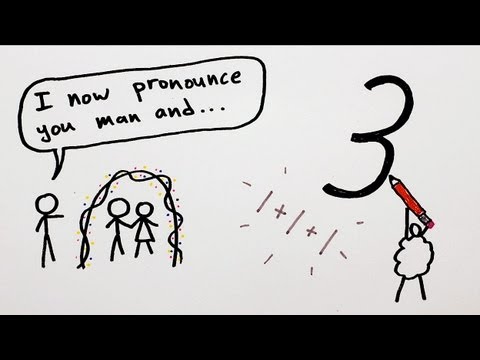
Why Why posted on 2021/11/26Ever wondered what matter *really* is? This video dives deep into particle physics, explaining everything from electrons to the Pauli exclusion principle, and you'll pick up some seriously advanced vocabulary along the way! It's a fantastic chance to boost your knowledge and your word power with this engaging science explainer.
Learn this video on the APP!
The VoiceTube App has more in-depth practice for videos!