
annoying
US /əˈnɔɪɪŋ/
UK /əˈnɔɪɪŋ/
- Transitive Verb
- To make someone angry
- Adjective
- A little angry; upset
B1TOEICMoreaspire
US /əˈspaɪr/
UK /əˈspaɪə(r)/
- Intransitive Verb
- To have a great ambition or goal
B2Moreassociate
US /əˈsoʊʃiˌeɪt/
UK /ə'səʊʃɪeɪt/
- Countable Noun
- Partner in professional work, e.g. in law
- Verb (Transitive/Intransitive)
- To spend time with other people; mix with
- To form a connection in your mind between things
B1TOEICMoreat night
US /æt naɪt/
UK /æt nait/
- Phrase
- During the night; in the nighttime.
A1Moreattend to
US /əˈtɛnd tu/
UK /əˈtend tu:/
- Phrasal Verb
- To deal with; take care of; pay attention to.
- Verb (Transitive/Intransitive)
- Deal with
A1Morebeing driven by
US
UK
- Participle
- Currently being motivated or controlled by a particular factor or force.
A2Morebias
US /ˈbaɪəs/
UK /'baɪəs/
- Noun (Countable/Uncountable)
- Preference to believe things even if incorrect
- A systematic error in a statistical result
- Transitive Verb
- To unfairly favor one view over another
- To cause someone to have prejudice
B1TOEICMoreblame
US /blem/
UK /bleɪm/
- Transitive Verb
- To say someone is responsible for something bad
- Noun (Countable/Uncountable)
- Act of saying someone did something bad
A2TOEICMorebrutal
US /ˈbrutl/
UK /'bru:tl/
- Adjective
- Extremely violent or mean
B1Morebuddhist
US /'bʊdɪst/
UK /'bʊdɪst/
- Noun
- Someone who follows the teachings of Buddha
C2Moreby nature
US /baɪ ˈnetʃɚ/
UK /bai ˈneitʃə/
- Adverb
- Inherently; by one's character or disposition.
- Phrase
- Inherently; by one's natural disposition or character.
- According to its essential characteristics; intrinsically.
A2Moreconsciousness
US /ˈkɑnʃəsnɪs/
UK /'kɒnʃəsnəs/
- Uncountable Noun
- Process by which thoughts, ideas are processed
- A person's awareness or perception of something.
A2Morecontemplate
US /ˈkɑntəmˌplet/
UK /'kɒntəmpleɪt/
- Verb (Transitive/Intransitive)
- To consider whether you will do something
- To think deeply or carefully about something.
B1Morecynicism
US /ˈsɪnəˌsɪzəm/
UK /'sɪnɪˌsɪzəm/
- Uncountable Noun
- An ancient Greek school of philosophy founded by Antisthenes and Diogenes, advocating that virtue is the only good and that true freedom comes from living simply and rejecting all artificial desires and social conventions.
- Noun
- An inclination to believe that people are motivated purely by self-interest; skepticism regarding the integrity or sincerity of human nature.
C1Moredesperately
US /ˈdɛspərɪtlɪ/
UK /'despərətlɪ/
- Adverb
- In a way that shows you don't have much hope
- In a way that shows despair.
A2Moredistress
US /dɪˈstrɛs/
UK /dɪ'stres/
- Uncountable Noun
- State of great sadness, anxiety or pain
- Condition of danger or emergency
- Transitive Verb
- To cause someone anxiety or sadness
- To be in financial trouble
B1Moreempathy
US /ˈɛmpəθi/
UK /ˈempəθi/
- Uncountable Noun
- Understanding how other people feel/suffer
- The ability to understand and share the feelings of another, especially when those feelings are negative or painful
B2TOEICMoreencounter
US /ɛnˈkaʊntɚ/
UK /ɪn'kaʊntə(r)/
- Verb (Transitive/Intransitive)
- To come up against a problem or trouble; meet
- To meet someone or something unexpectedly
- Noun
- A chance meeting; unexpected or unplanned meeting
B1TOEICMoreflatter
US /ˈflætɚ/
UK /'flætə(r)/
- Transitive Verb
- To praise in a rather false way, to get something
B2Morefor want of
US /fɚ wɑnt ʌv/
UK /fə wɒnt əv/
- other
- Because of a lack or absence of something necessary.
B2Morefunction
US /ˈfʌŋkʃən/
UK /'fʌŋkʃn/
- Noun
- Social event, or party such as a wedding
- Mathematical operation used in calculations
- Intransitive Verb
- To serve a certain purpose or role
- To be operating, working or achieving its purpose
A2TOEICMorefuse
US /fjuz/
UK /fju:z/
- Noun
- Device connected to and making a bomb explode
- Electrical safety device
- Verb (Transitive/Intransitive)
- (Metal) to become one through heat contact
- To become combined; unite.
B2Morehindu
US
UK
- Adjective
- Of or relating to or supporting Hinduism
C2Morehold on
US /hold ɑn/
UK /həuld ɔn/
- Phrasal Verb
- To wait for someone (e.g. on a phone call)
- To wait for a short time.
A1Moreideally
US /aɪˈdiəli/
UK /aɪ'di:əlɪ/
- Adverb
- In a perfect way; very suitably
- In theory; according to an ideal or theoretical standard.
B2Moreimpartial
US /ɪmˈpɑ:rʃl/
UK /ɪmˈpɑ:ʃl/
- Adjective
- Showing lack of favoritism; objective; fair
C2Morein any case
US /ɪn ˈɛni kes/
UK /in ˈeni keis/
- Phrase
- Whatever happens; regardless of what has happened or may happen.
A1Morein fact
US /ɪn fækt/
UK /in fækt/
- Adverb
- Used to emphasize the truth of a statement, especially one that contrasts with or contradicts something else.
- Used to introduce a more detailed or surprising piece of information.
- Phrase
- Used to emphasize the truth of a statement, especially one that is surprising or contrary to what might be expected.
C1Morein terms of
US
UK
- Phrase
- With regard to; concerning a particular aspect.
A1Moreinherently
US /ɪn'herəntlɪ/
UK /ɪn'herəntlɪ/
- Adverb
- As an essential part of
B1Morelack
US /læk/
UK /læk/
- Verb (Transitive/Intransitive)
- To not have, or not have enough, of something
- Uncountable Noun
- The state of not having or not having enough of
A2TOEICMoremeditation
US /ˌmɛdɪˈteʃən/
UK /ˌmedɪ'teɪʃn/
- Noun (Countable/Uncountable)
- Act of deep and quiet thinking
- The practice of focusing one's mind for a period of time.
B2Moremoth
US /mɔθ, mɑθ/
UK /mɒθ/
- Noun
- Insect with large wings that flies around at night
- A moth is a small, winged insect that is similar to a butterfly. Moths are often attracted to light and can damage clothes and other fabrics.
B2Moremysterious
US /mɪˈstɪriəs/
UK /mɪˈstɪəriəs/
- Adjective
- Unusual; hard to understand or work out
A2Morenewfound
US /ˈnuˌfaʊnd, ˈnju-/
UK /'nju:faʊnd/
- Adjective
- Newly discovered
C2Moreoceanic
US /ˌoʃiˈænɪk/
UK /ˌəʊʃiˈænɪk/
- Adjective
- Concerning the ocean
B2Moreof course
US /ʌv kɔː(r)s/
UK /ɔv kɔː(r)s/
- Adverb
- Sure ; Certainly
- Phrase
- For sure; certainly
A2Moreon earth
US /ɑn ɚθ/
UK /ɔn ə:θ/
- Phrase
- Used to emphasize a question expressing surprise or anger.
- Used to emphasize that something is not possible or will not happen.
A1Moreon edge
US /ɑn ɛdʒ/
UK /ɔn edʒ/
- Adjective
- Anxious, nervous, or irritable.
- Tense and easily upset.
B1Moreordinary
US /ˈɔ:rdneri/
UK /'ɔ:dnrɪ/
- Adjective
- Normal or usual
- Of the rank of ordinary seaman.
- Noun
- An ecclesiastical judge or official having ordinary jurisdiction in a given area.
- Any of several simple and basic geometrical figures.
A2TOEICMoreperceive
US /pɚˈsiv/
UK /pə'si:v/
- Transitive Verb
- To notice or become aware of something
- To think of someone or something in a certain way
B1TOEICMorepermanent
US /ˈpɚmənənt/
UK /'pɜ:mənənt/
- Adjective
- Lasting forever; not temporary or changing
- Intended to last or remain for an unlimited period
- Noun
- A person who is a permanent employee.
- A chemical treatment to create lasting curls or waves in the hair.
B1TOEICMorepractical
US /ˈpræktɪkəl/
UK /ˈpræktɪkl/
- Adjective
- Relating to what is sensible, real or useful
- Relating to experience, action, or practice; not theoretical or ideal.
- Noun
- A practical exam or lesson.
- A person concerned chiefly with the practice of something; a person with practical skills.
A2TOEICMoreprecious
US /ˈprɛʃəs/
UK /'preʃəs/
- Adjective
- Having a youthful, cute, and pleasant appearance
- Very little (time, money etc.)
B1Moreprimitive
US /ˈprɪmɪtɪv/
UK /ˈprɪmətɪv/
- Adjective
- Lacking a written language and advanced technology
- Being rough and underdeveloped
- Noun (Countable/Uncountable)
- Self-taught artist; the art done in this style
- Offensive people considered lacking a culture
B1Moreprivilege
US /ˈprɪvəlɪdʒ, ˈprɪvlɪdʒ/
UK /'prɪvəlɪdʒ/
- Noun (Countable/Uncountable)
- Advantage or right given to only certain people
- An opportunity to do something special or enjoyable.
- Transitive Verb
- To give advantages to some people not others
B1TOEICMoreput aside
US
UK
- Phrasal Verb
- To save money regularly.
- To temporarily ignore or forget something, such as a disagreement or problem.
A1Morerather than
US
UK
- Adverb
- More exactly; more correctly
- Preferably; instead
- Preposition
- Instead of
A1Morerational
US /ˈræʃənəl/
UK /'ræʃnəl/
- Adjective
- Able to think clearly
- A real number that can be written as a ratio of two integers.
- Noun
- A rational person.
A2TOEICMorereach
US /ritʃ/
UK /ri:tʃ/
- Verb (Transitive/Intransitive)
- To come to or arrive at a goal or destination
- To be long enough to get to a certain place
- Uncountable Noun
- Power or control someone has over something
A2TOEICMorereveal
US /rɪˈvil/
UK /rɪ'vi:l/
- Transitive Verb
- To show something that was hidden before
A2TOEICMoresecular
US /ˈsɛkjəlɚ/
UK /ˈsekjələ(r)/
- Adjective
- Not connected or controlled by religious beliefs
B2TOEICMorespeak of
US /spik ʌv/
UK /spi:k ɔv/
- Phrasal Verb
- To mention someone or something in conversation.
B1Morestatus
US /ˈstetəs, ˈstætəs/
UK /'steɪtəs/
- Uncountable Noun
- Position or rank relative to others in a society
- Legal position of a person or thing
A2TOEICMorestray
US /stre/
UK /streɪ/
- Intransitive Verb
- To deviate or go away from the established norm
- Noun
- Someone or something that is lost, e.g. a dog
B2TOEICMorestrike
US /straɪk/
UK /straɪk/
- Transitive Verb
- To hit something
- To remove or erase.
- Noun (Countable/Uncountable)
- A punch or hit
- Fact of not hitting the ball when playing baseball
A2TOEICMorestrike back
US /straɪk bæk/
UK /straik bæk/
- Phrasal Verb
- To retaliate or counterattack.
A1Morestrive
US /straɪv/
UK /straɪv/
- Intransitive Verb
- To work hard/make effort to achieve something
B2TOEICMoresuffer
US / ˈsʌfɚ/
UK /'sʌfə(r)/
- Verb (Transitive/Intransitive)
- To experience pain, illness, or injury
- To allow or permit something, especially something unpleasant.
A2Moresway
US /swe/
UK /sweɪ/
- Uncountable Noun
- Power or influence to control a person or group
- Action of moving slowly from side to side
- Verb (Transitive/Intransitive)
- To change your opinion or position often
- To influence a person's thoughts/opinion; persuade
B2TOEICMoretendency
US /ˈtɛndənsi/
UK /'tendənsɪ/
- Noun
- Likelihood to behave in a particular way
A2Moretenderness
US /ˈtɛndɚnɪs/
UK /'tendənɪs/
- Uncountable Noun
- Pain that is felt (as when the area is touched)
B2Morethink of
US /θɪŋk ʌv/
UK /θiŋk ɔv/
- Phrasal Verb
- To look on as (being something specific); consider
- To consider or remember something.
- Verb (Transitive/Intransitive)
- To imagine or call something to mind
A1Moreto do with
US
UK
- Phrasal Verb
- To be about something; concern
A1Moretouchy
US /ˈtʌtʃi/
UK /'tʌtʃɪ/
- Adjective
- Taking offense easily; easily angered
- (Of an issue) needing careful handling; sensitive
C1Moretranquility
US /træŋˈkwɪlətɪ/
UK /træŋ'kwɪlɪtɪ/
- Uncountable Noun
- Absence of stress, noise or movement; serenity
C2Moretransformation
US /ˌtrænsfərˈmeɪʃn/
UK /ˌtrænsfəˈmeɪʃn/
- Noun (Countable/Uncountable)
- A complete change in shape or form of something
C2Moretriumph
US /ˈtraɪəmf/
UK /'traɪʌmf/
- Noun (Countable/Uncountable)
- Joy from victory or success
- A victory or win of an event
- Intransitive Verb
- To celebrate victory or success with much joy
- To achieve a victory; to be successful.
B2Morevague
US /veɡ/
UK /veɪɡ/
- Adjective
- Not clearly stated or expressed; rough; unclear
- Being not clearly visible
B1Morevulnerability
US /ˌvʌlnərə'bɪlətɪ/
UK /ˌvʌlnərə'bɪlətɪ/
- Uncountable Noun
- Being weak and able to be easily hurt or damaged
- A weakness or flaw that makes something susceptible to harm or damage.
B1More
Vocabulary
- rather than: More exactly; more correctly
- speak of: To mention someone or something in conversation.
- on edge: Anxious, nervous, or irritable.
- for want of: Because of a lack or absence of something necessary.
- on earth: Used to emphasize a question expressing surprise or anger.
- by nature: Inherently; by one's character or disposition.
- in fact: Used to emphasize the truth of a statement, especially one that contrasts with or contradicts something else.
- to do with: To be about something; concern
- strike back: To retaliate or counterattack.
- at night: During the night; in the nighttime.
- hold on: To wait for someone (e.g. on a phone call)
- being driven by: Currently being motivated or controlled by a particular factor or force.
- think of: To look on as (being something specific); consider
- in terms of
- put aside: To save money regularly.
- of course: Sure ; Certainly
- attend to: To deal with; take care of; pay attention to.
- in any case: Whatever happens; regardless of what has happened or may happen.
- perceive: To notice or become aware of something
- meditation: Act of deep and quiet thinking
- privilege: Advantage or right given to only certain people
- reveal: To show something that was hidden before
- vulnerability: Being weak and able to be easily hurt or damaged
- empathy: Understanding how other people feel/suffer
- permanent: Lasting forever; not temporary or changing
- vague: Not clearly stated or expressed; rough; unclear
- practical: Relating to what is sensible, real or useful
- associate: Partner in professional work, e.g. in law
- anxious: Afraid of what may happen; worried and nervous
- encounter: To come up against a problem or trouble; meet
- bias: Preference to believe things even if incorrect
- precious: Having a youthful, cute, and pleasant appearance
- strike: To hit something
- annoying: To make someone angry
- rational: Able to think clearly
- blame: To say someone is responsible for something bad
- tendency: Likelihood to behave in a particular way
- distress: State of great sadness, anxiety or pain
- lack: To not have, or not have enough, of something
- inherently: As an essential part of
- brutal: Extremely violent or mean
- mysterious: Unusual; hard to understand or work out
- status: Position or rank relative to others in a society
- function: Social event, or party such as a wedding
- strive: To work hard/make effort to achieve something
- ordinary: Normal or usual
- reach: To come to or arrive at a goal or destination
- suffer: To experience pain, illness, or injury
- desperately: In a way that shows you don't have much hope
- consciousness: Process by which thoughts, ideas are processed
- primitive: Lacking a written language and advanced technology
- simply: In an easy or clear manner
- contemplate: To consider whether you will do something
- tranquility: Absence of stress, noise or movement; serenity
- mind: To be bothered or upset by something
- triumph: Joy from victory or success
- ideally: In a perfect way; very suitably
- important: Having power or authority
- place: To put someone in a particular type of situation
- secular: Not connected or controlled by religious beliefs
- tenderness: Pain that is felt (as when the area is touched)
- flatter: To praise in a rather false way, to get something
- head: To hit a ball with your head in a game
- drive: A person's ambition and motivation to do something
- fail: To be unsuccessful in passing a class or exam
- aspire: To have a great ambition or goal
- sway: Power or influence to control a person or group
- fast: In a way that is difficult to move or change
- stray: To deviate or go away from the established norm
- fuse: Device connected to and making a bomb explode
- cynicism: An ancient Greek school of philosophy founded by Antisthenes and Diogenes, advocating that virtue is the only good and that true freedom comes from living simply and rejecting all artificial desires and social conventions.
- touch: To affect feelings, especially by causing sympathy
- people: Persons sharing culture, country, background, etc.
- long: Person's name
- buddhist: Someone who follows the teachings of Buddha
- transformation: A complete change in shape or form of something
- call: A order or request for action
- speak: To be able to use a certain language
- newfound: Newly discovered
- oceanic: Concerning the ocean
- impartial: Showing lack of favoritism; objective; fair
- seat: To have seats available for a number of people
- moth: Insect with large wings that flies around at night
- touchy: Taking offense easily; easily angered
- hindu: Of or relating to or supporting Hinduism
Get the full experience in the app
Learn anywhere with detailed sentence and usage analysis
01:03
She took a brave step forward, leaving behind her comfort zone to chase her dreams.
Vocabulary
- brave
adj. Having courage
- comfort zone
phr. A familiar situation where one feels safe
Explanation
a brave step is a noun phrase, where brave is an adjective modifying the noun step, meaning "a courageous step".
forward is an adverb modifying step, meaning "ahead".
The whole phrase serves as the object, answering the "what" of took (verb) — she took a brave step forward.
Get the full experience in the app
Look up words anytime with pronunciation, part of speech, and usage
brave
US/brev/
UK/breɪv/
adj.Brave
v.t.To bravely face
A2 Elementary
Get the full experience in the app
Practice speaking anytime and get instant pronunciation feedback
Try this speaking exercise.
Try practicing with this sentence.
80
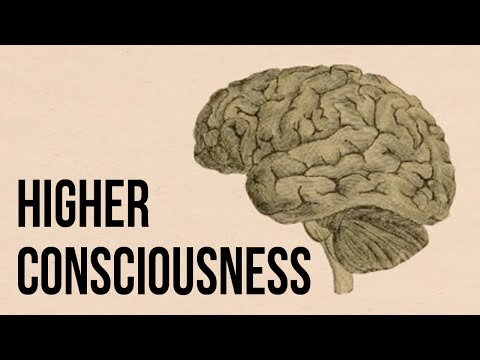
Higher Consciousness
0
jeremy.wang posted on 2023/08/26Ever wondered about reaching a 'higher consciousness' without the religious stuff? This video dives into the neuroscience and psychology behind ego dissolution and empathy, perfect for boosting your advanced vocabulary and understanding complex sentence structures. You'll pick up fascinating insights into meditation and secular spirituality that even skeptics will appreciate!
Learn this video on the APP!
The VoiceTube App has more in-depth practice for videos!