
absolutely
US /ˈæbsəˌlutli, ˌæbsəˈlutli/
UK /ˈæbsəlu:tli/
- Adverb
- Completely; totally; very
- Considered independently and without relation to other things; viewed abstractly; as, quantity absolutely considered.
A2Moreabstract
US /ˈæbˌstrækt/
UK /'æbstrækt/
- Noun (Countable/Uncountable)
- Passage of text from an article or book
- Something that doesn't exist physically
- Adjective
- Concerning something that doesn't exist physically
- Relating to abstract art.
B1Moreby now
US /baɪ naʊ/
UK /bai nau/
- Phrase
- At the present time or already; before the present.
A2Morecash
US /kæʃ/
UK /kæʃ/
- Uncountable Noun
- Physical money (not credit card or digital)
- Transitive Verb
- To sell or give something to get money
A2Morecheck out
US /tʃɛk aʊt/
UK /tʃek aut/
- Phrase
- Phrasal Verb
- To find out information about something
- To take books out of a library
A1Morecomparative
US /kəmˈpærətɪv/
UK /kəmˈpærətɪv/
- Noun
- Word form expressing a difference in degree
- Adjective
- Expressing a difference in degree
- Relative; assessed by comparison
B1Morecorrect
US /kəˈrɛkt/
UK /kə'rekt/
- Adjective
- Being suitable and appropriate for an occasion
- True or accurate
- Transitive Verb
- To fix a problem
- To write marks on a piece of work to show mistakes
A2Morecount
US /kaʊnt/
UK /kaʊnt/
- Verb (Transitive/Intransitive)
- To add things together to find the total number
- To matter or be important
- Countable Noun
- Number of things added together, e.g. votes
- With the number of crimes, knockouts, as stated
A2Morecountable
US /'kaʊntəbl/
UK /'kaʊntəbl/
- Adjective
- (Of nouns) that can exist in the plural
B1Moredecrease
US /dɪˈkris/
UK /dɪˈkri:s/
- Verb (Transitive/Intransitive)
- To reduce the size, amount or number of something
- Uncountable Noun
- Amount by which something has been reduced
B1TOEICMorefor example
US
UK
- Phrase
- As an illustration or instance.
freedom
US /ˈfridəm/
UK /'fri:dəm/
- Uncountable Noun
- State of being free, not being controlled
B1Moregrammar
US /ˈɡræmɚ/
UK /ˈgræmə(r)/
- Uncountable Noun
- Book describing the syntactic rules of a language
- Rules explaining how words are used in a language
B1Moregrammatically
US /ɡrə'mætɪklɪ/
UK /ɡrə'mætɪklɪ/
- Adverb
- Correctly; as expected in correct grammar
B2Moreincorrect
US /ˌɪnkəˈrɛkt/
UK /ˌɪnkəˈrekt/
- Adjective
- Being wrong or inaccurate
B1TOEICMoreliberty
US /ˈlɪbəti/
UK /'lɪbətɪ/
- Uncountable Noun
- Doing as one wants without asking
- Power to do what you choose
- Adjective
- Not imprisoned; free.
B1Moreprivacy
US /ˈpraɪvəsi/
UK /ˈprɪvəsi/
- Uncountable Noun
- State of being hidden from the presence of others
B2TOEICMorequiz
US /kwɪz/
UK /kwɪz/
- Noun (Countable/Uncountable)
- A game in which players answer questions on topics
- Brief spoken or written test, given to students
- Transitive Verb
- To ask a person many questions about something
B1Morerule
US /ruːl/
UK /ruːl/
- Noun (Countable/Uncountable)
- Something that is normal and usually happens
- Governmental control or power over a region
- Verb (Transitive/Intransitive)
- To decide legally, especially in court
- To have control or influence
A2TOEICMorestatement
US / ˈstetmənt/
UK /ˈsteɪtmənt/
- Noun (Countable/Uncountable)
- Record of activity in a bank account over time
- Act or process of saying something formally
A2TOEICMorestick with
US /stɪk wɪð/
UK /stik wið/
- Phrasal Verb
- To continue to support or stay loyal to someone or something.
- To continue doing or using something; to persevere.
A1Moresuch as
US /sʌtʃ æz/
UK /sʌtʃ æz/
- Preposition
- For example; like
A1Moreuncountable
US /ʌnˈkaʊntəbəl/
UK /ʌnˈkaʊntəbl/
- Adjective
- (Of nouns) that cannot exist in the plural
- Uncountable Noun
- A noun that cannot be counted and does not have a plural form.
B1Morewith it
US /wɪð ɪt/
UK /wið it/
- Adjective
- Intelligent, alert, and up-to-date.
- Understanding and knowledgeable about current trends or information.
A1More
Vocabulary
- stick with: To continue to support or stay loyal to someone or something.
- with it: Intelligent, alert, and up-to-date.
- for example: As an illustration or instance.
- by now: At the present time or already; before the present.
- such as: For example; like
- check out
- water: Clear liquid that forms the seas, rivers and rain
- people: Persons sharing culture, country, background, etc.
- carry: To have a child, be pregnant
- today: This day; day that is happening now
- answer: To reply to a question someone asks
- wrong: Action that is harmful, unjust or illegal
- number: Symbols such as 1, 2, 56, 793
- sentence: (Of a judge) to decide the punishment of
- lesson: Something done to learn or teach something; class
- walk: To move with your legs at a slowish pace
- test: To be given a medical examination
- person: Man, woman or child
- easy: Not hard to do; not difficult
- give: Degree of flexibility in something, a material
- cash: Physical money (not credit card or digital)
- correct: Being suitable and appropriate for an occasion
- explain: To make clear or easy to understand by describing
- comparative: Word form expressing a difference in degree
- noun: The subject or object of a sentence
- quiz: A game in which players answer questions on topics
- bottle: Container with a narrow neck used to hold liquids
- click: To work well with someone or something
- grammar: Book describing the syntactic rules of a language
- lovely: Attractive or beautiful
- hope: When you wish something will happen; what you wish
- luck: Accidental way things happen, often good things
- happen: To take place or occur
- follow: To come after someone; be guided by someone
- check: Paper showing how much you owe at a restaurant
- count: To add things together to find the total number
- uncountable: (Of nouns) that cannot exist in the plural
- countable: (Of nouns) that can exist in the plural
- rule: Something that is normal and usually happens
- social: Involving activity with people, e.g. in free time
- decrease: To reduce the size, amount or number of something
- incorrect: Being wrong or inaccurate
- compare: To consider how similar and different things are
- expecting: To think or believe something will happen
- expect: To believe something is probably going to happen
- absolutely: Completely; totally; very
- human: A person; a man, woman or child
- privacy: State of being hidden from the presence of others
- abstract: Passage of text from an article or book
- liberty: Doing as one wants without asking
- statement: Record of activity in a bank account over time
- freedom: State of being free, not being controlled
- understanding: To know the meaning of language, what someone says
- grammatically: Correctly; as expected in correct grammar
Get the full experience in the app
Learn anywhere with detailed sentence and usage analysis
01:03
She took a brave step forward, leaving behind her comfort zone to chase her dreams.
Vocabulary
- brave
adj. Having courage
- comfort zone
phr. A familiar situation where one feels safe
Explanation
a brave step is a noun phrase, where brave is an adjective modifying the noun step, meaning "a courageous step".
forward is an adverb modifying step, meaning "ahead".
The whole phrase serves as the object, answering the "what" of took (verb) — she took a brave step forward.
Get the full experience in the app
Look up words anytime with pronunciation, part of speech, and usage
brave
US/brev/
UK/breɪv/
adj.Brave
v.t.To bravely face
A2 Elementary
Get the full experience in the app
Practice speaking anytime and get instant pronunciation feedback
Try this speaking exercise.
Try practicing with this sentence.
80
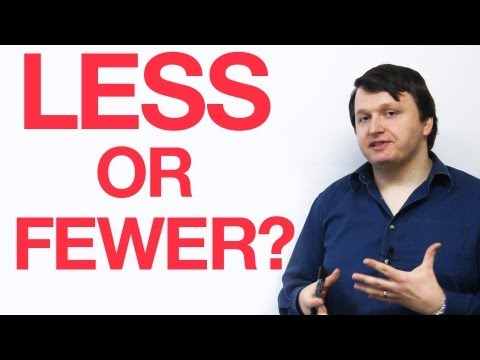
Less or Fewer?
0
VoiceTube posted on 2013/03/29Ever get tripped up by 'less' and 'fewer'? This super clear lesson breaks down exactly when to use each one with tons of daily examples, so you can finally master this common grammar mistake and sound more natural!
Learn this video on the APP!
The VoiceTube App has more in-depth practice for videos!