
activate
US /ˈæktəˌvet/
UK /ˈæktɪveɪt/
- Transitive Verb
- To cause to happen; cause a chemical reaction
- To make something start working
B1Moreacute
US /əˈkjut/
UK /əˈkju:t/
- Adjective
- (Of an angle in math) of less than 90 degrees
- Strong; very serious or severe
B1Moreadrenaline
US /əˈdrɛnəlɪn/
UK /ə'drenəlɪn/
- Noun (Countable/Uncountable)
- Chemical in the body that responds to stress, fear
- The intense excitement and energy felt when in a dangerous or exciting situation.
C1Moreanxiety
US /æŋˈzaɪɪti/
UK /æŋ'zaɪətɪ/
- Uncountable Noun
- A feeling of worry, nervousness, or unease about something that might happen, especially when the outcome is uncertain.
B1Moreauto
US /ˈɔ:toʊ/
UK /ˈɔ:təʊ/
- Noun
- Car; a road vehicle with four or more wheels
B2Morebarrier
US /ˈbæriɚ/
UK /'bærɪə(r)/
- Noun
- Difficult situation preventing something happening
- Structure or object that stops free movement
B1TOEICMorebeneficial
US /ˌbɛnəˈfɪʃəl/
UK /ˌbenɪˈfɪʃl/
- Adjective
- Giving an advantage, having a helpful effect
- Promoting or contributing to physical or mental well-being.
B1TOEICMoreboost
US /bust/
UK /bu:st/
- Transitive Verb
- To increase something; to make something better
- To push someone or something up from beneath them
- Noun (Countable/Uncountable)
- An increase in something
B1TOEICMorebriefly
US /ˈbriːfli/
UK /ˈbri:fli/
- Adverb
- Using little time or resources
B1Morechronic
US /ˈkrɑnɪk/
UK /'krɒnɪk/
- Adjective
- Always or often doing something, e.g. lying
- (Of disease) over a long time; serious
B1Morecoaster
US /ˈkoʊstə(r)/
UK /ˈkəʊstə(r)/
- Noun (Countable/Uncountable)
- Mat placed under a glass to protect furniture
- A sled or small vehicle without motor for coasting downhill.
C1Morecolleague
US /ˈkɑlˌiɡ/
UK /'kɒli:ɡ/
- Noun (Countable/Uncountable)
- Person you work or cooperate with
- A fellow member of a profession
A2Morecompete
US /kəmˈpit/
UK /kəmˈpi:t/
- Intransitive Verb
- To try to beat others at something, e.g. a race
- To try to gain something by defeating or establishing superiority over others.
A2Morecram
US /kræm/
UK /kræm/
- Transitive Verb
- To add more to something that is already full
- To study intensively (for a test)
- Countable Noun
- A room in which people are crammed.
B2Morecredit
US /ˈkrɛdɪt/
UK /'kredɪt/
- Noun (Countable/Uncountable)
- System to buy something and pay for it later
- Points earned instead of money
- Transitive Verb
- To add a certain amount of money to a total
- To recognize someone's achievements or help
A2Morecrowd
US /kraʊd/
UK /kraʊd/
- Verb (Transitive/Intransitive)
- To force too many things, people into
- (Lots of people) to meet together in one place
- Noun (Countable/Uncountable)
- Large group of people together in one place
A2Morecurious
US /ˈkjʊriəs/
UK /ˈkjʊəriəs/
- Adjective
- Wanting to know more about something
- Attracting interest by being strange or unusual
A2Moredepression
US /dɪˈprɛʃən/
UK /dɪ'preʃn/
- Noun (Countable/Uncountable)
- Medical condition of a lack of vitality
- Period of unemployment and low economic activity
B2Moredigestive
US /daɪˈdʒɛstɪv, dɪ-/
UK /daɪˈdʒestɪv/
- Adjective
- Concerning processes of converting food to energy
B2Moredisaster
US /dɪˈzæstɚ, -ˈsæs-/
UK /dɪ'zɑ:stə(r)/
- Noun (Countable/Uncountable)
- State of extreme ruin and misfortune
- A complete failure.
- Uncountable Noun
- A situation that has gone terribly wrong.
A2Moredisease
US /dɪˈziz/
UK /dɪˈzi:z/
- Noun (Countable/Uncountable)
- Illness that affects a person, animal, or plant
- A disorder of structure or function in a plant, especially one caused by a pathogen.
- Transitive Verb
- To affect with disease; to corrupt or sicken.
A2TOEICMoredose
US /doʊs/
UK /dəʊs/
- Noun (Countable/Uncountable)
- An amount of medicine to be taken at any one time
- Transitive Verb
- To give a certain amount of something to someone
B1Moreexcitement
US /ɪkˈsaɪtmənt/
UK /ɪkˈsaɪtmənt/
- Uncountable Noun
- When people feel very happy and enthusiastic
- Something that causes great enthusiasm and eagerness.
A2Morefill out
US /fɪl aʊt/
UK /fil aut/
- Phrasal Verb
- To become fatter
- To complete a form by adding information needed
A1Morehave to
US /hæv tu/
UK /ˈhæv tə/
- Auxiliary Verb
- Must do
A1Morehormone
US /ˈhɔrˌmon/
UK /'hɔ:məʊn/
- Noun
- Chemical produced by the body to control functions
B2Morehorror
US /ˈhɔrɚ, ˈhɑr-/
UK /ˈhɒrə(r)/
- Noun (Countable/Uncountable)
- Feeling of great shock or fear; thing causing it
B1Moreimpact
US /ˈɪmˌpækt/
UK /'ɪmpækt/
- Noun
- A striking effect or result to hit with force
- Act or force of one thing hitting something else
- Verb (Transitive/Intransitive)
- To hit or strike someone or something with force
- To have a strong effect on someone or something.
A2TOEICMorein every way
US /ɪn ˈɛvri we/
UK /in ˈevri wei/
- Phrase
- In all manners or respects; completely.
A1Morein fact
US /ɪn fækt/
UK /in fækt/
- Adverb
- Used to emphasize the truth of a statement, especially one that contrasts with or contradicts something else.
- Used to introduce a more detailed or surprising piece of information.
- Phrase
- Used to emphasize the truth of a statement, especially one that is surprising or contrary to what might be expected.
C1Morein part
US /ɪn pɑrt/
UK /in pɑ:t/
- Adverb
- To some extent; partially.
A1Morein the future
US /ɪn ði ˈfjutʃɚ/
UK /in ðə ˈfju:tʃə/
- Phrase
- At a later time; in times to come.
A1Moreinduce
US /ɪnˈdus, -ˈdjus/
UK /ɪn'dju:s/
- Transitive Verb
- To make someone do something; create an outcome
- To make a woman give birth by giving her medicine
B1TOEICMoreinstead of
US /ɪnˈstɛd ʌv/
UK /inˈsted ɔv/
- Preposition
- When one thing is replaced by another
- Adverb
- As a substitute or alternative.
A1Morelead to
US /lid tu/
UK /li:d tu:/
- Phrasal Verb
- To result in some action
- Verb (Transitive/Intransitive)
- To have something as a consequence or result.
A1Moremilligram
US /ˈmɪlɪˌɡræm/
UK /ˈmɪligræm/
- Countable Noun
- One thousandth (1/1000) of a gram
B2Morenauseous
US /ˈnɔ:ʃəs/
UK /ˈnɔ:ziəs/
- Adjective
- Feeling like you want to vomit
B2Moreobesity
US /oˈbisɪti/
UK /əʊ'bi:sətɪ/
- Uncountable Noun
- State of being so fat it can harm your health
- The state of being far too heavy; corpulence.
B2Moreon the way
US /ɑn ði we/
UK /ɔn ðə wei/
- Phrase
- During the journey to a particular place.
A1Moreperception
US /pɚˈsɛpʃən/
UK /pəˈsepʃn/
- Noun (Countable/Uncountable)
- Way in which one sees or understands something
- The ability to see, hear, or become aware of something through the senses.
B1Morephysiological
US /ˌfɪziəˈlɑdʒɪkəl/
UK /ˌfɪzɪə'lɒdʒɪkl/
- Adjective
- Of or relating to functions of the body
- Consistent with the normal functioning of an organism.
B1Moreplacebo
US /pləˈsibo/
UK /plə'si:bəʊ/
- Noun
- Harmless pill for comparison in trial of new drug
B2Morepsychology
US /saɪˈkɑlədʒi/
UK /saɪ'kɒlədʒɪ/
- Uncountable Noun
- The study of the mind and how it affects behavior
- Way in which a person or group thinks and behaves
C2Morerecognize
US /ˈrek.əɡ.naɪz/
UK /ˈrek.əɡ.naɪz/
- Transitive Verb
- To accept the truth or reality of something
- To consider something as important or special
A2TOEICMorereef
US /rif/
UK /ri:f/
- Noun (Countable/Uncountable)
- Line of rocks or sand at the surface of the ocean
- Rolling up sail to make it smaller in strong winds
- Transitive Verb
- To roll up sail to make it smaller in strong winds
B2Morerelevant
US /ˈrɛləvənt/
UK /ˈreləvənt/
- Adjective
- Having an effect on an issue; related or current
A2TOEICMorerespond
US /rɪˈspɑnd/
UK /rɪ'spɒnd/
- Verb (Transitive/Intransitive)
- To answer something or someone
- To have a good reaction to e.g. medical treatment
A2TOEICMoresensation
US /sɛnˈseʃən/
UK /sen'seɪʃn/
- Noun
- (Person) attracting the interest of many people
- Mental feeling caused by a previous experience
B1Moreshare in
US /ʃɛr ɪn/
UK /ʃɛə in/
- Phrasal Verb
- To participate in something; to have a part or interest in something.
- To receive a portion of something, such as profits or losses.
A1Moresponsor
US /ˈspɑ:nsə(r)/
UK /ˈspɒnsə(r)/
- Noun
- Person that supports the passage of a new law
- Person giving money for someone's education
- Transitive Verb
- To support the passage of a new law
- To help someone succeed by giving them money
B1TOEICMorestress
US / strɛs/
UK /stres/
- Transitive Verb
- To emphasize one or more parts of a word, sentence
- To put pressure on something or someone
- Noun (Countable/Uncountable)
- Emphasis on part of a word or sentence
- Pressure on something or someone
A2TOEICMorestressful
US /ˈstrɛsfəl/
UK /ˈstresfl/
- Adjective
- Worrying; causing tension
A2Morestretch
US /strɛtʃ/
UK /stretʃ/
- Verb (Transitive/Intransitive)
- To make your arm, leg muscles long to ease them
- To make something bigger by pulling on it
- Noun
- Making arm, leg muscles longer to ease them
- A consecutive row of things
A2TOEICMorethink about
US /θɪŋk əˈbaʊt/
UK /θiŋk əˈbaut/
- Phrasal Verb
- To consider something carefully.
- To remember or call to mind.
A1Morethink of
US /θɪŋk ʌv/
UK /θiŋk ɔv/
- Phrasal Verb
- To look on as (being something specific); consider
- To consider or remember something.
- Verb (Transitive/Intransitive)
- To imagine or call something to mind
A1Moretrustworthy
US /ˈtrʌstˌwə:ði/
UK /ˈtrʌstwɜ:ði/
- Adjective
- Honest and reliable
- Providing correct information; factual.
C1Moreunwind
US
UK
- Transitive Verb
- To reverse something that has been twisted/turned
B2More
Vocabulary
- think about: To consider something carefully.
- instead of: When one thing is replaced by another
- in part: To some extent; partially.
- in fact: Used to emphasize the truth of a statement, especially one that contrasts with or contradicts something else.
- share in: To participate in something; to have a part or interest in something.
- on the way: During the journey to a particular place.
- in the future: At a later time; in times to come.
- lead to: To result in some action
- think of: To look on as (being something specific); consider
- have to: Must do
- in every way: In all manners or respects; completely.
- fill out: To become fatter
- anxiety: A feeling of worry, nervousness, or unease about something that might happen, especially when the outcome is uncertain.
- chronic: Always or often doing something, e.g. lying
- relevant: Having an effect on an issue; related or current
- perception: Way in which one sees or understands something
- recognize: To accept the truth or reality of something
- depression: Medical condition of a lack of vitality
- present: Being in attendance; being there; having turned up
- stretch: To make your arm, leg muscles long to ease them
- boost: To increase something; to make something better
- adrenaline: Chemical in the body that responds to stress, fear
- obesity: State of being so fat it can harm your health
- term: Conditions applying to an agreement, contract
- improve: To make, or become, something better
- experience: Thing a person has done or that happened to them
- impact: A striking effect or result to hit with force
- dopamine: Drug used to treat shock and hypotension
- sensation: (Person) attracting the interest of many people
- curious: Wanting to know more about something
- describe: To tell the appearance, sound, smell of something
- disease: Illness that affects a person, animal, or plant
- barrier: Difficult situation preventing something happening
- psychology: The study of the mind and how it affects behavior
- stress: To emphasize one or more parts of a word, sentence
- hormone: Chemical produced by the body to control functions
- crowd: To force too many things, people into
- disaster: State of extreme ruin and misfortune
- digestive: Concerning processes of converting food to energy
- cortisol: Adrenal-cortex hormone (trade names Hydrocortone or Cortef) that is active in carbohydrate and protein metabolism
- excitement: When people feel very happy and enthusiastic
- cram: To add more to something that is already full
- colleague: Person you work or cooperate with
- respond: To answer something or someone
- induce: To make someone do something; create an outcome
- acute: (Of an angle in math) of less than 90 degrees
- briefly: Using little time or resources
- activate: To cause to happen; cause a chemical reaction
- receive: To get something someone has given or sent to you
- credit: System to buy something and pay for it later
- placebo: Harmless pill for comparison in trial of new drug
- stressful: Worrying; causing tension
- compete: To try to beat others at something, e.g. a race
- single: One run in cricket or a hit baseball
- beneficial: Giving an advantage, having a helpful effect
- physiological: Of or relating to functions of the body
- learn: To get knowledge or skills by study or experience
- unwind: To reverse something that has been twisted/turned
- support: To give assistance or advice to someone
- horror: Feeling of great shock or fear; thing causing it
- public: Owned by the government
- dose: An amount of medicine to be taken at any one time
- bring: To take or go with someone to a place
- sponsor: Person that supports the passage of a new law
- nauseous: Feeling like you want to vomit
- remember: To give someone a gift, e.g. birthday, wedding
- trustworthy: Honest and reliable
- real: Actually existing or happening, not imagined
- coaster: Mat placed under a glass to protect furniture
- reef: Line of rocks or sand at the surface of the ocean
- auto: Car; a road vehicle with four or more wheels
- milligram: One thousandth (1/1000) of a gram
Get the full experience in the app
Learn anywhere with detailed sentence and usage analysis
01:03
She took a brave step forward, leaving behind her comfort zone to chase her dreams.
Vocabulary
- brave
adj. Having courage
- comfort zone
phr. A familiar situation where one feels safe
Explanation
a brave step is a noun phrase, where brave is an adjective modifying the noun step, meaning "a courageous step".
forward is an adverb modifying step, meaning "ahead".
The whole phrase serves as the object, answering the "what" of took (verb) — she took a brave step forward.
Get the full experience in the app
Look up words anytime with pronunciation, part of speech, and usage
brave
US/brev/
UK/breɪv/
adj.Brave
v.t.To bravely face
A2 Elementary
Get the full experience in the app
Practice speaking anytime and get instant pronunciation feedback
Try this speaking exercise.
Try practicing with this sentence.
80
0
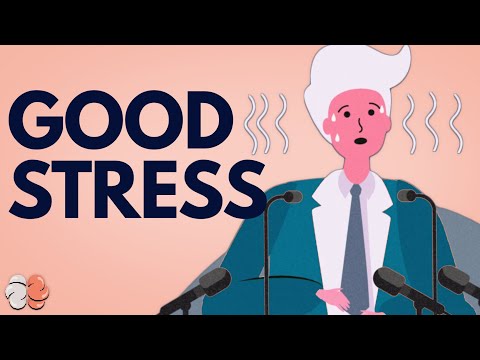
Annie Chien posted on 2020/05/01Think stress is always bad? This video dives into the surprising science behind 'acute stress' and how a little bit can actually boost your learning and performance, like during exam prep or public speaking! You'll pick up some fantastic vocabulary related to cortisol and adrenaline while learning how to reframe your stress mindset for daily wins.
Learn this video on the APP!
The VoiceTube App has more in-depth practice for videos!