
argument
US /ˈɑrɡjəmənt/
UK /ˈɑ:gjumənt/
- Noun (Countable/Uncountable)
- Discussion in which you disagree with someone
- A presentation of reasons for or against an idea
A2TOEICMorearound the world
US /əˈraʊnd ði wɜrld/
UK /əˈraund ðə wɜː(r)ld/
- Phrase
- In or to many countries.
- In various places throughout the world.
A2Morearrow
US /ˈæroʊ/
UK /ˈærəʊ/
- Noun
- Symbol used on road signs to show direction
- A long pointed piece of wood shot from a bow
B1Moreas well as
US /æz wɛl æz/
UK /æz wel æz/
- Adverb
- Also; in addition to
- Preposition
- In addition to; and also.
A1Moreask in
US /æsk ɪn/
UK /ɑ:sk ɪn/
- other
- To invite someone to enter one's home or place.
B1Moreat home
US /æt hom/
UK /æt həum/
- Phrase
- In one's own residence or country.
- Adjective
- Feeling comfortable and relaxed.
at least
US /æt list/
UK /æt li:st/
- Adverb
- As a minimum
- Not less than
- Phrase
- No less than; at the minimum
- Used to indicate that something is positive in a bad situation.
C2Moreat night
US /æt naɪt/
UK /æt nait/
- Phrase
- During the night; in the nighttime.
A1Moreawe
US /ɔ/
UK /ɔ:/
- Verb (Transitive/Intransitive)
- To feel admiration, respect, or fear
- Uncountable Noun
- A feeling of great respect sometimes mixed with fear or surprise.
B2Morebased on
US
UK
- Phrasal Verb
- To use something as the foundation or starting point for something else.
- Preposition
- Using something as the main idea or foundation.
- Relying on something as evidence or justification.
A1Morebehavioral
US /bɪ'heɪvjərəl/
UK /bɪ'heɪvjərəl/
- Adjective
- Concerning the way people act
A2Morebeneficial
US /ˌbɛnəˈfɪʃəl/
UK /ˌbenɪˈfɪʃl/
- Adjective
- Giving an advantage, having a helpful effect
- Promoting or contributing to physical or mental well-being.
B1TOEICMorebrave
US /brev/
UK /breɪv/
- Countable Noun
- (Old-fashioned) A native American warrior
- Adjective
- Not letting fear or danger stop you acting
A2Morebravery
US /ˈbrevəri, ˈbrevri/
UK /'breɪvərɪ/
- Uncountable Noun
- Quality allowing someone to do courageous things
B1Morebreaks down
US
UK
- Phrasal Verb
- To forcibly break, destroy or make collapse
- (Machine) to stop working or become weaker
A1Moreburn out
US /bɚn aʊt/
UK /bə:n aut/
- Phrasal Verb
- To overwork to mental or physical exhaustion
- To stop burning because fuel is consumed
- Verb (Transitive/Intransitive)
- To become extremely tired or exhausted, often due to prolonged stress.
A1Morecarefully
US /ˈkɛrfəlɪ/
UK /'keəfəlɪ/
- Adverb
- In a manner that involves focus and care
A2Morechange over
US
UK
- Phrasal Verb
- To switch from one thing to another.
A2Moreclaim
US /klem/
UK /kleɪm/
- Noun (Countable/Uncountable)
- To say that something is true, often without proof.
- A statement that something is true.
- Transitive Verb
- To demand or ask for something that you believe is rightfully yours.
- To take or cause the loss of (e.g., a life, property).
A2Morecognitive
US /ˈkɑɡnɪtɪv/
UK /ˈkɒgnətɪv/
- Adjective
- The process of knowing and remembering
- Relating to the ability to think and reason.
C1Morecome from
US /kʌm frʌm/
UK /kʌm frɔm/
- Phrasal Verb
- To have as your native country or city
A1Morecome up with
US /kʌm ʌp wɪð/
UK /kʌm ʌp wið/
- Phrasal Verb
- To think of an idea or solution; produce
A1Morecomprehension
US /ˌkɑmprɪˈhɛnʃən/
UK /ˌkɒmprɪˈhenʃn/
- Uncountable Noun
- Act of understanding, e.g. a reading text
- The scope or range of something.
B1Morecrazy
US /ˈkrezi/
UK /'kreɪzɪ/
- Adjective
- Mentally ill; mad
- Not being sensible or practical
- Noun
- Person acting in a manner that is strange and odd
A2Morecritical
US /ˈkrɪtɪkəl/
UK /ˈkrɪtɪkl/
- Adjective
- Making a negative judgment of something
- Being important or serious; vital; dangerous
A2Moredeal with
US /dil wɪð/
UK /di:l wið/
- Verb (Transitive/Intransitive)
- To buy or sell goods or services.
- Phrasal Verb
- To take action to solve a problem or manage a situation.
- To be about; concern.
A1Moredetermine
US /dɪˈtɚmɪn/
UK /dɪ'tɜ:mɪn/
- Transitive Verb
- To control exactly how something will be or act
- To establish the facts about; discover
A2TOEICMoredirection
US /dɪˈrɛkʃən, daɪ-/
UK /də'rekʃn/
- Noun (Countable/Uncountable)
- When someone tells people what to do
- Describes the way you are going, e.g. North
A2TOEICMoredisagree
US /ˌdɪsəˈɡri/
UK /ˌdɪsə'ɡri:/
- Intransitive Verb
- To have a different opinion; to fail to agree
B2TOEICMoredisagree with
US /ˌdɪsəˈɡri wɪð/
UK /ˌdisəˈɡri: wið/
- Phrasal Verb
- To have a different opinion from someone else.
- Intransitive Verb
- To cause someone to feel ill or uncomfortable.
A1Moredisagreement
US /ˌdɪsəˈɡrimənt/
UK /ˌdɪsəˈgri:mənt/
- Uncountable Noun
- Act or state of not agreeing
B2Morediscipline
US /ˈdɪsəplɪn/
UK /'dɪsəplɪn/
- Noun (Countable/Uncountable)
- Instruction and practice to teach obedience
- Particular field of study
- Transitive Verb
- To control or train others by making them obey you
- To punish a person for their wrongdoing
B1TOEICMorediscussion
US /dɪˈskʌʃən/
UK /dɪˈskʌʃn/
- Noun (Countable/Uncountable)
- Any long communication about a particular topic
- A detailed treatment of a topic in writing.
A2TOEICMoreempower
US /ɛmˈpaʊɚ/
UK /ɪm'paʊə(r)/
- Transitive Verb
- To give someone a power or ability
B2Moreevaluate
US /ɪˈvæljuˌet/
UK /ɪˈvæljueɪt/
- Transitive Verb
- To form an idea to judge something carefully
- To calculate or work out the value or amount of something.
A2TOEICMoreexamine
US /ɪɡˈzæmɪn/
UK /ɪgˈzæmɪn/
- Transitive Verb
- (Medical) to test to find out what is wrong
- To test your knowledge or ability
A2Moreexcite
US /ɪkˈsaɪt/
UK /ɪk'saɪt/
- Transitive Verb
- To make something or someone become more active
- To make someone feel happy, interested or eager
A2TOEICMorefigure out
US /ˈfɪɡjɚ aʊt/
UK /ˈfiɡə aut/
- Phrasal Verb
- To understand the behavior of someone
- To think through logically to find a solution
- Verb (Transitive/Intransitive)
- To understand or find an answer to something.
- To find a solution to a problem or understand something.
A1Morefor instance
US /fɔr ˈɪnstəns/
UK /fɔ: ˈinstəns/
- Adverb
- As an example.
- Phrase
- As an example.
- As an illustration or case in point
B1Morego in with
US /ɡo ɪn wɪð/
UK /ɡəu in wið/
- Phrasal Verb
- To join with others in a business venture or undertaking.
A1Morego on
US /ɡo ɑn/
UK /ɡəu ɔn/
- Phrasal Verb
- To continue doing something
- To happen (usually negative)
- Interjection
- Used to encourage someone
A1Moregrade
US /ɡred/
UK /ɡreɪd/
- Transitive Verb
- To give a road the required angle of slope
- To determine the level or quality of something
- Noun
- Level or quality of something e.g. a diamond
- Mark that shows the quality of a student's work
B1TOEICMorehave to
US /hæv tu/
UK /ˈhæv tə/
- Auxiliary Verb
- Must do
A1Morehypothetical
US /ˌhaɪpəˈθɛtɪkəl/
UK /ˌhaɪpəˈθetɪkl/
- Adjective
- Thought up, as an example; not being a real case
- Of the nature of a hypothesis; conjectural; provisional.
- Noun
- A hypothetical example or case.
- A hypothetical situation or scenario.
B2Moreidentity
US /aɪˈdɛntɪti/
UK /aɪ'dentətɪ/
- Noun (Countable/Uncountable)
- Collection of qualities that makes a person
- Who someone is; the name of a person
B1Moreimmoral
US /ɪˈmɔ:rəl/
UK /ɪˈmɒrəl/
- Adjective
- Without good moral principles
B2Morein addition to
US /ɪn əˈdɪʃən tu/
UK /in əˈdiʃən tu:/
- Preposition
- Besides; as well as
- Phrase
- Besides; as well as.
- Furthermore; moreover.
B1Morein part
US /ɪn pɑrt/
UK /in pɑ:t/
- Adverb
- To some extent; partially.
A1Morein tandem
US /ɪn ˈtændəm/
UK /in ˈtændəm/
- Phrase
- (Of two people/organizations) working together
C1Morein the face of
US //ɪn ðə feɪs ɑv//
UK
- Phrase
- When confronted with something difficult or challenging.
- Despite; in defiance of; when confronted with.
A1Morein the world
US /ɪn ði wɜrld/
UK /in ðə wɜː(r)ld/
- Phrase
- Used to emphasize a question expressing surprise, confusion, disbelief
- Used to indicate the extent or degree of something, often in a superlative sense
A1Morein with
US /ɪn wɪð/
UK /in wið/
- Phrase
- Fashionable or popular at the moment.
- Having influence or favor with someone.
- Phrasal Verb
- To introduce or bring something new into a system or organization.
A1Moreinappropriate
US /ˌɪnəˈpropriɪt/
UK /ˌɪnəˈprəʊpriət/
- Adjective
- Not appropriate or suitable for a situation
- Not in keeping with accepted standards of what is right or proper in polite society.
B1Morejustified
US /ˈdʒʌstəˌfaɪd/
UK /ˈdʒʌstɪfaɪd/
- Transitive Verb
- To give good reasons for something
B1Moreliteracy
US /ˈlɪtərəsi/
UK /ˈlɪtərəsi/
- Uncountable Noun
- Fact of having knowledge of a particular subject
- State of being able to read and write
B1Moreliterature
US /ˈlɪtərəˌtʃʊr, -tʃɚ/
UK /ˈlɪtrətʃə(r)/
- Uncountable Noun
- Writing valued as art, e.g. fiction, drama, poetry
- The body of written works produced in a particular language, country, or age.
A2Morelook at
US /lʊk æt/
UK /luk æt/
- Phrasal Verb
- To use your eyes to focus on something
- To focus your eyes on something carefully
A1Moreof course
US /ʌv kɔː(r)s/
UK /ɔv kɔː(r)s/
- Adverb
- Sure ; Certainly
- Phrase
- For sure; certainly
A2Moreover time
US /ˈovɚ taɪm/
UK /ˈəuvə taim/
- Phrase
- Gradually; as time passes.
- During a long period.
- Adverb
- Gradually; as time passes.
B1Morepersonal identity
US
UK
- Noun
- The unique characteristics and beliefs that define an individual.
- The legal and official documentation that verifies who someone is.
B1Morephilosopher
US /fɪˈlɑsəfɚ/
UK /fəˈlɒsəfə(r)/
- Noun (Countable/Uncountable)
- Person studying the meaning of truth and life
- A person who is calm and wise; someone who lives by philosophical principles.
C1Morephilosophical
US /ˌfɪləˈsɑ:fɪkl/
UK /ˌfɪləˈsɒfɪkl/
- Adjective
- Reacting calmly/reasonably if things are difficult
- Concerning philosophy
C1TOEICMorephilosophy
US /fɪˈlɑsəfi/
UK /fə'lɒsəfɪ/
- Uncountable Noun
- Study of ideas about the basic nature of life
- Attitude to life that a person has
C1Moreprocess
US /ˈprɑsˌɛs, ˈproˌsɛs/
UK /prə'ses/
- Transitive Verb
- To organize and use data in a computer
- To deal with official forms in the way required
- Noun (Countable/Uncountable)
- Dealing with official forms in the way required
- Set of changes that occur slowly and naturally
A2TOEICMorepunish
US /ˈpʌnɪʃ/
UK /'pʌnɪʃ/
- Transitive Verb
- To make someone suffer for doing something wrong
- To treat something or someone roughly
A2Moreremain
US /rɪˈmen/
UK /rɪˈmeɪn/
- Intransitive Verb
- To be left behind; to continue to exist
- To stay in a place when other people have gone
A2TOEICMorerightfully
US /ˈraɪtfəlɪ/
UK /'raɪtfəlɪ/
- Adverb
- By right; as decided by moral or legal right
B1Morerigorous
US /ˈrɪɡərəs/
UK /ˈrɪgərəs/
- Adjective
- Very strict and often difficult; thorough
- Thorough; meticulous; exhaustive.
B1TOEICMorerun away from
US /rʌn əˈwe frʌm/
UK /rʌn əˈwei frɔm/
- Phrasal Verb
- To run somewhere, e.g. to escape from something
A1Morespy on
US /spaɪ ɑn/
UK /spai ɔn/
- Phrasal Verb
- To secretly watch someone in order to gather information about them.
standardized
US /'stændədaɪzd/
UK /'stændədaɪzd/
- Transitive Verb
- To change to make everything the same level
B2Morestumble
US /ˈstʌmbəl/
UK /'stʌmbl/
- Noun
- Failing to do something well, e.g. giving a speech
- Act of tripping and almost falling
- Intransitive Verb
- To fail to perform, e.g. when giving a speech
- To trip and almost fall
B1Morestumble upon
US
UK
- Phrasal Verb
- To accidentally discover or meet
B1Moretake in
US
UK
- Phrasal Verb
- To allow to enter; receive as a guest
- To include or add
- Transitive Verb
- To absorb (liquid).
- To understand or comprehend something.
A1Moretandem
US /ˈtændəm/
UK /ˈtændəm/
- Noun
- A bicycle with two sets of pedals and saddles
C1Moreuniverse
US /ˈjunəˌvɚs/
UK /ˈju:nɪvɜ:s/
- Noun (Countable/Uncountable)
- All of space that contains planets and stars
- Things surrounding a person, affecting their life
B2Moreuptake
US /ˈʌpˌtek/
UK /ˈʌpteɪk/
- Noun
- Process of being taken in by a living organism
C1Morework through
US
UK
- Phrasal Verb
- To deal with something systematically until it is completed
- To deal with a problem or difficult situation.
write down
US /raɪt daʊn/
UK /rait daun/
- Phrasal Verb
- To record in writing
A1More
Vocabulary
- have to: Must do
- look at: To use your eyes to focus on something
- in part: To some extent; partially.
- come up with: To think of an idea or solution; produce
- over time: Gradually; as time passes.
- change over: To switch from one thing to another.
- disagree with: To have a different opinion from someone else.
- as well as: Also; in addition to
- for instance: As an example.
- burn out: To overwork to mental or physical exhaustion
- stumble upon: To accidentally discover or meet
- at night: During the night; in the nighttime.
- breaks down: To forcibly break, destroy or make collapse
- write down: To record in writing
- come from: To have as your native country or city
- go on: To continue doing something
- ask in: To invite someone to enter one's home or place.
- deal with
- at home: In one's own residence or country.
- in the world: Used to emphasize a question expressing surprise, confusion, disbelief
- take in: To allow to enter; receive as a guest
- of course: Sure ; Certainly
- go in with: To join with others in a business venture or undertaking.
- in with: Fashionable or popular at the moment.
- figure out: To understand the behavior of someone
- at least: As a minimum
- spy on: To secretly watch someone in order to gather information about them.
- based on: To use something as the foundation or starting point for something else.
- personal identity: The unique characteristics and beliefs that define an individual.
- run away from: To run somewhere, e.g. to escape from something
- in tandem: (Of two people/organizations) working together
- in the face of: When confronted with something difficult or challenging.
- in addition to: Besides; as well as
- work through: To deal with something systematically until it is completed
- around the world: In or to many countries.
- boat: Small form of transport for traveling on water
- wrong: Action that is harmful, unjust or illegal
- people: Persons sharing culture, country, background, etc.
- world: All the humans, events, activities on the earth
- know: To be familiar with a person or place, thing
- think: To have an idea about something without certainty
- time: Speed at which music is played; tempo
- learn: To get knowledge or skills by study or experience
- change: To exchange one set of clothes for another
- interesting: Taking your attention; making you want to know
- place: To put someone in a particular type of situation
- kind: In a caring and helpful manner
- give: Degree of flexibility in something, a material
- work: The product of some artistic or literary endeavor
- love: Person's name
- ring: A roped area in which people fight or box
- matter: To be of great importance; to count
- free: Living, happening without being controlled
- deep: Complex and important
- carefully: In a manner that involves focus and care
- nature: Person's character or particular way of behaving
- hate: To have a very strong feeling of dislike for
- direction: When someone tells people what to do
- bit: Device put in a horse's mouth to control it
- crazy: Mentally ill; mad
- build: Your physical shape; physique
- disagreement: Act or state of not agreeing
- single: One run in cricket or a hit baseball
- dream: A wish or hope for something to happen
- grade: To give a road the required angle of slope
- identity: Collection of qualities that makes a person
- literature: Writing valued as art, e.g. fiction, drama, poetry
- discussion: Any long communication about a particular topic
- imagine: To think creatively about; form mental picture of
- thought: To have an idea about something without certainty
- punish: To make someone suffer for doing something wrong
- figure: To appear in a game, play or event
- meaning: To express a particular idea or thought
- disagree: To have a different opinion; to fail to agree
- brave: (Old-fashioned) A native American warrior
- argument: Discussion in which you disagree with someone
- raise: To increase a bet above another when playing cards
- remain: To be left behind; to continue to exist
- universe: All of space that contains planets and stars
- philosophy: Study of ideas about the basic nature of life
- philosophical: Reacting calmly/reasonably if things are difficult
- claim: To say that something is true, often without proof.
- justified: To give good reasons for something
- bravery: Quality allowing someone to do courageous things
- process: To organize and use data in a computer
- examine: (Medical) to test to find out what is wrong
- determine: To control exactly how something will be or act
- critical: Making a negative judgment of something
- immoral: Without good moral principles
- standardized: To change to make everything the same level
- beneficial: Giving an advantage, having a helpful effect
- discipline: Instruction and practice to teach obedience
- arrow: Symbol used on road signs to show direction
- philosopher: Person studying the meaning of truth and life
- literacy: Fact of having knowledge of a particular subject
- inappropriate: Not appropriate or suitable for a situation
- evaluate: To form an idea to judge something carefully
- stumble: Failing to do something well, e.g. giving a speech
- empower: To give someone a power or ability
- awe: To feel admiration, respect, or fear
- comprehension: Act of understanding, e.g. a reading text
- uptake: Process of being taken in by a living organism
- behavioral: Concerning the way people act
- cognitive: The process of knowing and remembering
- hypothetical: Thought up, as an example; not being a real case
- rightfully: By right; as decided by moral or legal right
- excite: To make something or someone become more active
- tandem: A bicycle with two sets of pedals and saddles
- rigorous: Very strict and often difficult; thorough
Get the full experience in the app
Learn anywhere with detailed sentence and usage analysis
01:03
She took a brave step forward, leaving behind her comfort zone to chase her dreams.
Vocabulary
- brave
adj. Having courage
- comfort zone
phr. A familiar situation where one feels safe
Explanation
a brave step is a noun phrase, where brave is an adjective modifying the noun step, meaning "a courageous step".
forward is an adverb modifying step, meaning "ahead".
The whole phrase serves as the object, answering the "what" of took (verb) — she took a brave step forward.
Get the full experience in the app
Look up words anytime with pronunciation, part of speech, and usage
brave
US/brev/
UK/breɪv/
adj.Brave
v.t.To bravely face
A2 Elementary
Get the full experience in the app
Practice speaking anytime and get instant pronunciation feedback
Try this speaking exercise.
Try practicing with this sentence.
80
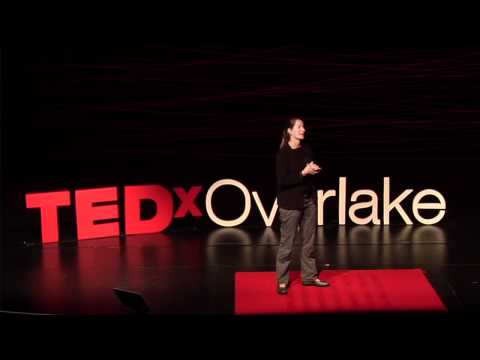
【TEDx】TEDxOverlake - Dr. Sara Goering - Philosophy for Kids: Sparking a Love of Learning
0
阿多賓 posted on 2014/03/14Ever wondered how to get kids excited about big ideas? This TEDx talk dives into using philosophy, like the famous Ship of Theseus thought experiment, to spark curiosity and critical thinking in children. You'll pick up some advanced vocabulary and gain insights into fostering a love for learning!
Learn this video on the APP!
The VoiceTube App has more in-depth practice for videos!