
adjust
US /əˈdʒʌst/
UK /əˈdʒʌst/
- Verb (Transitive/Intransitive)
- To change; to attain a desired state or function
- To change so as to fit in with new conditions
A2TOEICMoreapproach
US /əˈprəʊtʃ/
UK /ə'prəʊtʃ/
- Verb (Transitive/Intransitive)
- To get close to reaching something or somewhere
- To request someone to do something specific
- Noun (Countable/Uncountable)
- Means of reaching a place, often a road or path
- Request of someone with a specific goal in mind
A2TOEICMoreas long as
US /æz lɔŋ æz/
UK /æz lɔŋ æz/
- Conjunction
- For the period that; provided that.
- For the length of time that
- Preposition
- On the condition that; providing that.
- Having the same length as.
A1Moreat home
US /æt hom/
UK /æt həum/
- Phrase
- In one's own residence or country.
- Adjective
- Feeling comfortable and relaxed.
at the risk of
US /ət ðə ˈrɪsk ʌv/
UK /ət ðə ˈrɪsk əv/
- other
- Used to introduce a statement that may offend or be criticized.
B2Moreat worst
US /æt wɚst/
UK /æt wə:st/
- Adverb
- If the most unfavorable outcome happens.
A1Moreback into
US /bæk ˈɪntu/
UK /bæk ˈɪntuː/
- Phrasal Verb
- To drive a vehicle backwards into a space or area.
- To accidentally collide with something while moving backwards.
A1Moreback up
US /bæk ʌp/
UK /bæk ʌp/
- Phrasal Verb
- To save a copy of your computer data
- To confirm the truth of what someone says
A1Morebased on
US
UK
- Phrasal Verb
- To use something as the foundation or starting point for something else.
- Preposition
- Using something as the main idea or foundation.
- Relying on something as evidence or justification.
A1Morebehind the scenes
US
UK
- Phrase
- Secretly or without being known to the public.
- In a position to influence events without any public knowledge.
A1Morebinge
US /bɪndʒ/
UK /bɪndʒ/
- Verb (Transitive/Intransitive)
- To eat or drink too much at one time
C1Morebody
US /ˈbɑdi/
UK /ˈbɒdi/
- Noun
- The physical structure of a person or animal.
- Noun (Countable/Uncountable)
- The main or central part of something.
- The weight and texture of a drink (like wine or coffee) in the mouth.
A2Morebuffet
US /bəˈfe, bu-/
UK /'bʊfeɪ/
- Noun
- Meal where eaters select from many various dishes
- Transitive Verb
- To apply repeated blows to something e.g. by wind
B2Moreclassify
US /ˈklæsəˌfaɪ/
UK /'klæsɪfaɪ/
- Transitive Verb
- To arrange things into groups of similar items
- To keep some information secret from the public
B2Morecollateral
US /kəˈlætərəl/
UK /kəˈlætərəl/
- Uncountable Noun
- Property you offer as security against a loan
C1Moredeath
US /dɛθ/
UK /deθ/
- Noun (Countable/Uncountable)
- When someone dies; the end of life
- The cause or manner of someone dying.
A2Moredecide
US /dɪˈsaɪd/
UK /dɪ'saɪd/
- Verb (Transitive/Intransitive)
- To make a choice or choose after thinking about it
- To make a legal judgment in court
A2TOEICMorediet
US /ˈdaɪɪt/
UK /'daɪət/
- Intransitive Verb
- To eat special or less food, as to lose weight
- Noun (Countable/Uncountable)
- Plan of eating to reduce weight or improve health
- The usual food and drink consumed by an organism (person or animal)
A2TOEICMoredozen
US /ˈdʌzən/
UK /ˈdʌzn/
- Countable Noun
- 12 people or things
A2Moredue to
US /du tu/
UK /dju: tu:/
- Preposition
- Because of; owing to
- Adjective
- Attributable to; caused by.
A1Moreenergy
US /ˈɛnədʒi/
UK /'enədʒɪ/
- Noun (Countable/Uncountable)
- Physical or mental strength
- Enthusiasm and determination.
A2Morefamily members
US
UK
- Noun (plural)
- People related by blood, marriage, or adoption.
A1Morefamine
US /ˈfæmɪn/
UK /ˈfæmɪn/
- Noun (Countable/Uncountable)
- Long-lasting period of little food in an area
- A drastic food shortage in a large area or country.
B2Morefor too long
US
UK
- Phrase
- For an excessively extended period.
A1Morefurnace
US /ˈfɜ:rnɪs/
UK /ˈfɜ:nɪs/
- Noun (Countable/Uncountable)
- Container with hot fire for melting metal, etc.
- An enclosed structure used for heating materials to very high temperatures.
B2Moregain
US /ɡen/
UK /ɡeɪn/
- Verb (Transitive/Intransitive)
- To increase in something, such as weight
- To get something wanted, needed or valued
- Noun (Countable/Uncountable)
- An increase in something, such as weight
A2TOEICMoregeek
US /ɡik/
UK /ɡi:k/
- Noun (Countable/Uncountable)
- Socially awkward person, who knows about computers
C1Moreharmless
US /ˈhɑ:rmləs/
UK /ˈhɑ:mləs/
- Adjective
- Being unable to cause damage or injury; safe
- Not being intended/likely to upset or anger others
A2Morehave to
US /hæv tu/
UK /ˈhæv tə/
- Auxiliary Verb
- Must do
A1Morehunger
US /ˈhʌŋɡɚ/
UK /ˈhʌŋgə(r)/
- Noun (Countable/Uncountable)
- Strong desire or need
- Need for food; a severe lack of food
- Intransitive Verb
- To feel hunger; to suffer from a lack of food.
B2Morehungry
US /ˈhʌŋɡri/
UK /ˈhʌŋgri/
- Adjective
- Feeling a need or want to eat food
- Feeling a need or want to eat food
B2Morehypothalamus
US /ˌhaɪpoˈθæləməs/
UK /ˌhaɪpəˈθæləməs/
- Noun
- Basal part of the diencephalon governing autonomic nervous system
C1Morein a word
US /ɪn e wɚd/
UK /in ə wə:d/
- Phrase
- Briefly; in short.
A1Morein fact
US /ɪn fækt/
UK /in fækt/
- Adverb
- Used to emphasize the truth of a statement, especially one that contrasts with or contradicts something else.
- Used to introduce a more detailed or surprising piece of information.
- Phrase
- Used to emphasize the truth of a statement, especially one that is surprising or contrary to what might be expected.
C1Morein moderation
US
UK
- Phrase
- Not excessively; with restraint.
C1Morein the house
US
UK
- Phrase
- Located inside a building used as a dwelling.
- Within a legislative body, such as a parliament or congress.
A1Morein the long run
US
UK
- Phrase
- Eventually; over a long period of time.
A1Moreinstead of
US /ɪnˈstɛd ʌv/
UK /inˈsted ɔv/
- Preposition
- When one thing is replaced by another
- Adverb
- As a substitute or alternative.
A1Moreintuitive
US /ɪnˈtuɪtɪv, -ˈtju-/
UK /ɪnˈtju:ɪtɪv/
- Adjective
- Able to understand by feeling rather than fact
- Easy to use and understand.
B2Morekeep it off
US
UK
- Phrasal Verb
- To avoid gaining weight again after having lost it.
A2Morelead to
US /lid tu/
UK /li:d tu:/
- Phrasal Verb
- To result in some action
- Verb (Transitive/Intransitive)
- To have something as a consequence or result.
A1Morelifestyle
US /ˈlaɪfˌstaɪl/
UK /ˈlaɪfstaɪl/
- Noun
- The type of life that you have; the way you live
B1TOEICMorelook at
US /lʊk æt/
UK /luk æt/
- Phrasal Verb
- To use your eyes to focus on something
- To focus your eyes on something carefully
A1Moreloss
US /lɔ:s/
UK /lɒs/
- Noun
- Friend, family, or other loved person's death
- Decrease or decline in quantity or amount
A2TOEICMoremeditate
US /ˈmɛdɪˌtet/
UK /ˈmedɪteɪt/
- Intransitive Verb
- To think deeply and quietly to calm your spirit
- To think deeply or focus one's mind for a period of time.
B2Moremetabolism
US /mɪˈtæbəˌlɪzəm/
UK /məˈtæbəlɪzəm/
- Uncountable Noun
- Chemical processes to convert food to energy
- The rate at which the body uses energy.
B2Moremindful
US /ˈmaɪndfəl/
UK /ˈmaɪndfl/
- Adjective
- Bearing in mind; attentive to
B1Moremislead
US /ˌmɪs'li:d/
UK /ˌmɪs'li:d/
- Transitive Verb
- To make someone have the wrong idea about a thing
A2Moremoderation
US /ˌmɑ:dəˈreɪʃn/
UK /ˌmɒdəˈreɪʃn/
- Uncountable Noun
- Decrease in the amount of something that is high
- Quality of not doing to excess; restraint
C1TOEICMoreno matter
US
UK
- Conjunction
- Regardless of; it does not matter.
- Adverb
- Regardless of; it is not important
A1Moreobese
US /oˈbis/
UK /əʊˈbi:s/
- Adjective
- Fat over a long period, so harming your health
- Noun (Countable/Uncountable)
- A person who is very fat; a person with an unhealthy amount of body fat.
B2Moreobesity
US /oˈbisɪti/
UK /əʊ'bi:sətɪ/
- Uncountable Noun
- State of being so fat it can harm your health
- The state of being far too heavy; corpulence.
B2Moreof course
US /ʌv kɔː(r)s/
UK /ɔv kɔː(r)s/
- Adverb
- Sure ; Certainly
- Phrase
- For sure; certainly
A2Moreon and off
US /ɑn ənd ɔf/
UK /ɔn ænd ɔf/
- Adverb
- Intermittently; not continuously.
- Adjective
- Characterized by periods of involvement and separation.
A1Moreon to
US /ɑn tu/
UK /ɔn tu:/
- Preposition
- Toward something; forward
- Aware of someone's activities.
- Adjective
- Aware of someone's deception or illegal activities.
A1Moreoutside of
US /aʊtˈsaɪd ʌv/
UK /ˌautˈsaid ɔv/
- Preposition
- Located or situated beyond the boundaries or confines of something.
- Beyond the scope, range, or limits of something.
A1Moreoverweight
US /ˌovɚˈwet/
UK /ˌəʊvə'weɪt/
- Adjective
- Weighing more than a normal or allowed amount
- Transitive Verb
- To give too much importance or weight to something.
B2Morepercent
US /pɚˈsɛnt/
UK /pə'sent/
- Adverb
- One one-hundredth of a whole; the symbol %
- Noun (Countable/Uncountable)
- A proportion multiplied by 100
- A specified amount in every hundred
A2TOEICMorepredict
US /prɪˈdɪkt/
UK /prɪ'dɪkt/
- Transitive Verb
- To guess or estimate what will or might happen
A2TOEICMorerange
US /rendʒ/
UK /reɪndʒ/
- Noun (Countable/Uncountable)
- Cooking stove with multiple burners
- Given distance from a point; how far plane can fly
- Verb (Transitive/Intransitive)
- To cover an area from one point to another
- To extend to or vary within given limits
A2TOEICMorereact
US /riˈækt/
UK /rɪ'ækt/
- Intransitive Verb
- To change when mixing with other chemicals
- To behave or make a change in a particular way
A2Moreregulate
US /ˈrɛɡjəˌlet/
UK /ˈregjuleɪt/
- Transitive Verb
- To control something with rules or laws
- To set/adjust (a clock, etc.); restrict motion in
A2TOEICMorereliability
US /rɪˌlaɪəˈbɪlətɪ/
UK /rɪˌlaɪə'bɪlətɪ/
- Uncountable Noun
- A quality that makes something dependable
A2Morerely on
US /rɪˈlaɪ ɑn/
UK /riˈlai ɔn/
- Phrasal Verb
- To depend on someone or something
A2Morerespond
US /rɪˈspɑnd/
UK /rɪ'spɒnd/
- Verb (Transitive/Intransitive)
- To answer something or someone
- To have a good reaction to e.g. medical treatment
A2TOEICMoreresponse
US /rɪˈspɑns/
UK /riˈspɔns/
- Noun
- Something said/written as an answer to something
- Reaction to something that has occurred
A2TOEICMorescarce
US /skers/
UK /skeəs/
- Adjective
- Not many; Not plentiful or abundant
B2TOEICMoreshortage
US /ˈʃɔ:rtɪdʒ/
UK /ˈʃɔ:tɪdʒ/
- Noun (Countable/Uncountable)
- A lack of something necessary
A2TOEICMoresit down
US /sit daʊn/
UK /sit daun/
- Phrasal Verb
- To take a seat
A1Morestarvation
US /stɑ:rˈveɪʃn/
UK /stɑ:ˈveɪʃn/
- Uncountable Noun
- Extreme hunger; death from lack of food
B1Morestarve
US /stɑ:rv/
UK /stɑ:v/
- Verb (Transitive/Intransitive)
- To (cause to) be hungry or go without food
- To need or desire very strongly
B1Moresuccessful
US /səkˈsɛsfəl/
UK /səkˈsesfl/
- Adjective
- Having the desired effect or result
- Having achieved wealth, respect, or social status
A2Moresuppress
US /səˈprɛs/
UK /səˈpres/
- Transitive Verb
- To prevent the display of emotion or feeling
- To use force to prevent something happening
B1TOEICMoretaken over
US
UK
- Phrasal Verb
- To gain control of (a company) from someone else
- To gain control of something.
A1Moretalking about
US
UK
- Phrasal Verb
- To discuss a particular topic.
- To be constantly mentioning or bringing up a subject.
A1Moretease
US /tiz/
UK /ti:z/
- Transitive Verb
- To purposefully bother an animal
- To playfully embarrass or make fun of
- Noun
- Something said or done as a joke
B1Moretemperature
US /ˈtɛmpərəˌtʃʊr,-tʃɚ,ˈtɛmprə-/
UK /ˈtemprətʃə(r)/
- Noun (Countable/Uncountable)
- When you your body heat is above normal
- How hot or cold something is, e.g. the weather
A2Morethermostat
US /ˈθɜ:rməstæt/
UK /ˈθɜ:məstæt/
- Noun
- Instrument that controls temperature in buildings
C1Morethink about
US /θɪŋk əˈbaʊt/
UK /θiŋk əˈbaut/
- Phrasal Verb
- To consider something carefully.
- To remember or call to mind.
A1Morevulnerable
US /ˈvʌlnərəbəl/
UK /ˈvʌlnərəbl/
- Adjective
- Being open to attack or damage
- Being easily harmed, hurt, or wounded
B1Moreweigh
US /weɪ/
UK /weɪ/
- Verb (Transitive/Intransitive)
- To balance things against each other
- To consider something carefully to form an opinion
A2TOEICMoreweight
US /wet/
UK /weɪt/
- Uncountable Noun
- How heavy something is
- Metal object to measure how heavy something is
A2TOEICMorewillpower
US /ˈwɪlˌpaʊɚ/
UK /'wɪlpaʊə(r)/
- Uncountable Noun
- Ability to make yourself do what you really want
C2Morework on
US /wɚk ɑn/
UK /wə:k ɔn/
- Phrasal Verb
- To devote effort to improve or develop something
- To try to persuade or influence someone.
A1More
Vocabulary
- think about: To consider something carefully.
- look at: To use your eyes to focus on something
- no matter: Regardless of; it does not matter.
- talking about: To discuss a particular topic.
- instead of: When one thing is replaced by another
- of course: Sure ; Certainly
- on and off: Intermittently; not continuously.
- behind the scenes: Secretly or without being known to the public.
- have to: Must do
- outside of: Located or situated beyond the boundaries or confines of something.
- back up: To save a copy of your computer data
- as long as: For the period that; provided that.
- due to: Because of; owing to
- for too long: For an excessively extended period.
- rely on: To depend on someone or something
- lead to: To result in some action
- family members: People related by blood, marriage, or adoption.
- at home: In one's own residence or country.
- at the risk of: Used to introduce a statement that may offend or be criticized.
- based on: To use something as the foundation or starting point for something else.
- in moderation: Not excessively; with restraint.
- back into: To drive a vehicle backwards into a space or area.
- in fact: Used to emphasize the truth of a statement, especially one that contrasts with or contradicts something else.
- keep it off: To avoid gaining weight again after having lost it.
- in the long run: Eventually; over a long period of time.
- in a word: Briefly; in short.
- work on: To devote effort to improve or develop something
- sit down: To take a seat
- in the house: Located inside a building used as a dwelling.
- taken over: To gain control of (a company) from someone else
- at worst: If the most unfavorable outcome happens.
- on to: Toward something; forward
- body: The physical structure of a person or animal.
- eat: To put food in your mouth
- hungry: Feeling a need or want to eat food
- food: What people and animals eat to live
- people: Persons sharing culture, country, background, etc.
- lot: What happens to a person in life from chance; fate
- study: To focus on learning something usually at school
- long: Person's name
- year: Unit of time equal to 12 months or 365 or 366 days
- house: Place where a specific activity or business occurs
- work: The product of some artistic or literary endeavor
- start: First time or place that a thing exists; beginning
- change: To exchange one set of clothes for another
- need: To be unable to manage without something; require
- learn: To get knowledge or skills by study or experience
- brain: To strike someone forcefully on the head
- healthy: In good condition physically, or financially; well
- lose: To be unable to keep in check or control something
- normal: Standard or regular way of doing something
- thin: Flowing with ease; with a high percentage of water
- temperature: When you your body heat is above normal
- matter: To be of great importance; to count
- set: Prepared for something; ready
- high: Excited or relaxed from taking drugs
- decide: To make a choice or choose after thinking about it
- term: Conditions applying to an agreement, contract
- difference: A thing or issue that people do not agree about
- mindful: Bearing in mind; attentive to
- reason: To think and make conclusions in a logical manner
- weight: How heavy something is
- diet: To eat special or less food, as to lose weight
- gain: To increase in something, such as weight
- hunger: Strong desire or need
- control: A device designed to operate a machine
- energy: Physical or mental strength
- burn: To destroy with fire
- weigh: To balance things against each other
- percent: One one-hundredth of a whole; the symbol %
- range: Cooking stove with multiple burners
- predict: To guess or estimate what will or might happen
- dozen: 12 people or things
- death: When someone dies; the end of life
- approach: To get close to reaching something or somewhere
- successful: Having the desired effect or result
- overweight: Weighing more than a normal or allowed amount
- loss: Friend, family, or other loved person's death
- lifestyle: The type of life that you have; the way you live
- risk: To do something potentially dangerous or foolish
- response: Something said/written as an answer to something
- respond: To answer something or someone
- tease: To purposefully bother an animal
- adjust: To change; to attain a desired state or function
- react: To change when mixing with other chemicals
- starvation: Extreme hunger; death from lack of food
- shortage: A lack of something necessary
- reliability: A quality that makes something dependable
- harmless: Being unable to cause damage or injury; safe
- starve: To (cause to) be hungry or go without food
- obese: Fat over a long period, so harming your health
- moderation: Decrease in the amount of something that is high
- regulate: To control something with rules or laws
- classify: To arrange things into groups of similar items
- scarce: Not many; Not plentiful or abundant
- obesity: State of being so fat it can harm your health
- willpower: Ability to make yourself do what you really want
- vulnerable: Being open to attack or damage
- famine: Long-lasting period of little food in an area
- suppress: To prevent the display of emotion or feeling
- thermostat: Instrument that controls temperature in buildings
- metabolism: Chemical processes to convert food to energy
- intuitive: Able to understand by feeling rather than fact
- mindfully: In a careful deliberate manner
- mindfulness: Paying attention to your responsibilities
- furnace: Container with hot fire for melting metal, etc.
- geek: Socially awkward person, who knows about computers
- mislead: To make someone have the wrong idea about a thing
- buffet: Meal where eaters select from many various dishes
- binge: To eat or drink too much at one time
- meditate: To think deeply and quietly to calm your spirit
- collateral: Property you offer as security against a loan
- hypothalamus: Basal part of the diencephalon governing autonomic nervous system
- neuroscientist: Neurobiologist who specializes in the study of the brain
Get the full experience in the app
Learn anywhere with detailed sentence and usage analysis
01:03
She took a brave step forward, leaving behind her comfort zone to chase her dreams.
Vocabulary
- brave
adj. Having courage
- comfort zone
phr. A familiar situation where one feels safe
Explanation
a brave step is a noun phrase, where brave is an adjective modifying the noun step, meaning "a courageous step".
forward is an adverb modifying step, meaning "ahead".
The whole phrase serves as the object, answering the "what" of took (verb) — she took a brave step forward.
Get the full experience in the app
Look up words anytime with pronunciation, part of speech, and usage
brave
US/brev/
UK/breɪv/
adj.Brave
v.t.To bravely face
A2 Elementary
Get the full experience in the app
Practice speaking anytime and get instant pronunciation feedback
Try this speaking exercise.
Try practicing with this sentence.
80
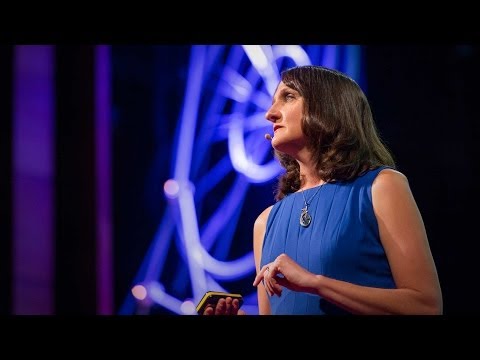
【TED】Sandra Aamodt: Why dieting doesn't usually work (Why dieting doesn't usually work | Sandra Aamodt)
0
VoiceTube posted on 2014/03/03Ever wondered why diets often backfire? This fascinating TED Talk dives into the neuroscience behind why dieting usually doesn't work and introduces the concept of 'set point theory'. You'll pick up some advanced vocabulary related to metabolism and eating habits, making it a practical and insightful watch!
Learn this video on the APP!
The VoiceTube App has more in-depth practice for videos!