
acknowledge
US /ækˈnɑlɪdʒ/
UK /ək'nɒlɪdʒ/
- Transitive Verb
- To say you have received a letter, gift, etc.
- To say you accept the truth or value of something
A2Moreadvocate
US /ˈædvəˌket/
UK /'ædvəkeɪt/
- Noun (Countable/Uncountable)
- A lawyer who protects a clients interests
- Person who supports a movement for changes
- Verb (Transitive/Intransitive)
- To request change
- To publicly support a belief
B1TOEICMoreanxiety
US /æŋˈzaɪɪti/
UK /æŋ'zaɪətɪ/
- Uncountable Noun
- A feeling of worry, nervousness, or unease about something that might happen, especially when the outcome is uncertain.
B1Moreapplause
US /əˈplɔz/
UK /ə'plɔ:z/
- Noun (Countable/Uncountable)
- The sound made by clapping a performance or speech
B1Morearound the world
US /əˈraʊnd ði wɜrld/
UK /əˈraund ðə wɜː(r)ld/
- Phrase
- In or to many countries.
- In various places throughout the world.
A2Moreas long as
US /æz lɔŋ æz/
UK /æz lɔŋ æz/
- Conjunction
- For the period that; provided that.
- For the length of time that
- Preposition
- On the condition that; providing that.
- Having the same length as.
A1Moreat a time
US /æt e taɪm/
UK /æt ə taim/
- Phrase
- Separately; one by one
- Simultaneously; together
A1Moreat work
US /æt wɚk/
UK /æt wə:k/
- Phrase
- Located at one's place of employment
A1Moreauditorium
US /ˌɔdɪˈtɔriəm, -ˈtor-/
UK /ˌɔ:dɪˈtɔ:riəm/
- Noun (Countable/Uncountable)
- Building used for concerts or lectures
B2TOEICMorebearing
US /ˈbɛrɪŋ/
UK /ˈbeərɪŋ/
- Verb (Transitive/Intransitive)
- To accept (responsibilities or duties)
- To accept or suffer the weight of difficulties
- Noun
- Sense of direction or where you are
- A metal ball used in engineering
B1Morebipolar
US /ˌbaɪˈpoʊlər/
UK /ˌbaɪˈpəʊlə(r)/
- Adjective
- (Disorder) exhibiting extremes of behavior
- Having two opposite poles
B2Morecancer
US /ˈkænsɚ/
UK /'kænsə(r)/
- Noun
- Any growth caused by abnormal cell division
B1Morecare for
US /kɛr fɔr/
UK /kɛə fɔ:/
- Phrasal Verb
- To want or desire a thing
- To look after someone who is ill, old, or very young.
A1Morecare of
US /kɛr ʌv/
UK /kɛə ɔv/
- Preposition
- Used in an address to indicate the person who will receive the mail for someone else.
A2Morecommit
US /kəˈmɪt/
UK /kə'mɪt/
- Transitive Verb
- To do something bad, usually a crime
- To promise your permanent love or loyalty (to)
A2TOEICMorecommunity
US /kəˈmjunɪti/
UK /kə'mju:nətɪ/
- Noun (Countable/Uncountable)
- Group of people who share a common idea or area
- A feeling of fellowship with others, as a result of sharing common attitudes, interests, and goals.
- Adjective
- Relating to or shared by the people in a particular area.
- Shared or participated in by all members of a group
A2Morecomplicate
US /ˈkɑ:mplɪkeɪt/
UK /ˈkɒmplɪkeɪt/
- Transitive Verb
- To make more difficult to do, understand or use
B1Morecrazy
US /ˈkrezi/
UK /'kreɪzɪ/
- Adjective
- Mentally ill; mad
- Not being sensible or practical
- Noun
- Person acting in a manner that is strange and odd
A2Moredemonstrate
US /ˈdɛmənˌstret/
UK /'demənstreɪt/
- Verb (Transitive/Intransitive)
- To display a feeling or ability openly
- To protest about something often as a group
A2TOEICMoredepict
US /dɪˈpɪkt/
UK /dɪ'pɪkt/
- Transitive Verb
- To represent or describe something using words
- To represent or show something in a picture or painting; to portray visually.
B1TOEICMoredepression
US /dɪˈprɛʃən/
UK /dɪ'preʃn/
- Noun (Countable/Uncountable)
- Medical condition of a lack of vitality
- Period of unemployment and low economic activity
B2Moredevastation
US /ˌdevəˈsteɪʃn/
UK /ˌdevəˈsteɪʃn/
- Uncountable Noun
- Act of ruining or destroying something
- A feeling of being extremely shocked and sad.
B1Moredisability
US /ˌdɪsəˈbɪlɪti/
UK /ˌdɪsə'bɪlətɪ/
- Noun
- Condition limiting your ability to do something
A2Moredisguise
US /dɪsˈɡaɪz/
UK /dɪs'ɡaɪz/
- Noun (Countable/Uncountable)
- Change in appearance so you will not be noticed
- The act of concealing the identity or true nature of something.
- Transitive Verb
- To change your appearance to not be noticed
- To hide something so it will not be noticed
B1Moredisorder
US /dɪsˈɔrdɚ/
UK /dɪs'ɔ:də(r)/
- Uncountable Noun
- State of confusion or a lack of organization
- Illness when the body is not functioning well
- Transitive Verb
- To disrupt the order or arrangement of something.
B2Moredramatically
US /drəˈmætɪkl:ɪ/
UK /drə'mætɪklɪ/
- Adverb
- In a sudden or extreme manner
- In a theatrical or exaggerated manner.
B1Moreemerged as
US
UK
- Phrasal Verb
- To become known or apparent; to come forth as.
B2Morefor someone
US /fɚ ˈsʌmwʌn/
UK /fə ˈsʌmwʌn/
- other
- On behalf of or intended for a particular person.
A1Morefunding
US /ˈfʌndɪŋ/
UK /ˈfʌndɪŋ/
- Transitive Verb
- To supply money for something
A2Moreglobal
US /ˈgloʊbl/
UK /ˈgləʊbl/
- Adjective
- Concerning, involving, affecting all of something
- Of, affecting, or involving the entire world
A2TOEICMoreglobe
US /gloʊb/
UK /gləʊb/
- Noun (Countable/Uncountable)
- A round object, e.g. like the earth; sphere
B1TOEICMorego back to
US /ɡo bæk tu/
UK /ɡəu bæk tu:/
- Phrasal Verb
- To return to a starting point
A1Morehistorically
US /hɪsˈtɔrɪkl:ɪ/
UK /hɪ'stɒrɪklɪ/
- Adverb
- In history; in the past
B1Moreideology
US /ˌaɪdiˈɑlədʒi, ˌɪdi-/
UK /ˌaɪdɪ'ɒlədʒɪ/
- Uncountable Noun
- Ideas or beliefs which form theory and policy
B1TOEICMoreillness
US /ˈɪlnɪs/
UK /ˈɪlnəs/
- Uncountable Noun
- Unhealthy condition of the mind or body
- A particular instance or type of disease.
A2Morein disguise
US /ɪn dɪsˈɡaɪz/
UK /in disˈɡaiz/
- Phrase
- Having altered one's appearance to conceal one's identity.
- Seeming different from what it really is; concealing the true nature.
B2Morein fact
US /ɪn fækt/
UK /in fækt/
- Adverb
- Used to emphasize the truth of a statement, especially one that contrasts with or contradicts something else.
- Used to introduce a more detailed or surprising piece of information.
- Phrase
- Used to emphasize the truth of a statement, especially one that is surprising or contrary to what might be expected.
C1Morein terms of
US
UK
- Phrase
- With regard to; concerning a particular aspect.
A1Morein the hospital
US /ɪn ðə ˈhɑspɪtəl/
UK /in ðə ˈhɒspɪtəl/
- Preposition
- Located inside a hospital receiving medical care.
A1Morein time
US /ɪn taɪm/
UK /in taim/
- Adverb
- Eventually; after a period of time.
- Not late; with enough time to spare.
- Phrase
- Eventually; before it is too late.
- According to the scheduled time; punctual.
A1Moreinstead of
US /ɪnˈstɛd ʌv/
UK /inˈsted ɔv/
- Preposition
- When one thing is replaced by another
- Adverb
- As a substitute or alternative.
A1Moreintensive
US /ɪnˈtɛnsɪv/
UK /ɪnˈtensɪv/
- Adjective
- Needing great effort for a short period of time
A2TOEICMoreirony
US /ˈaɪrəni, ˈaɪə-/
UK /'aɪrənɪ/
- Noun (Countable/Uncountable)
- Quality of being funny because it is the opposite
- A situation that is strange or funny because things happen in a way that seems opposite to what you expected.
B2Moreknow about
US /noʊ əˈbaʊt/
UK /nəʊ əˈbaut/
- Phrasal Verb
- To have information or understanding of a subject or situation.
know better
US
UK
- Verb (Transitive/Intransitive)
- To be wise enough not to do something.
- To be expected to have the sense to not do something.
A1Moremajor
US /ˈmedʒɚ/
UK /'meɪdʒə(r)/
- Countable Noun
- High-ranking officer in the army
- Main subject you study at university
- Adjective
- Main league; esp. referring to American baseball
- Important, serious, or large in scope, size
A2TOEICMoremanic
US /ˈmænɪk/
UK /'mænɪk/
- Adjective
- Very excited in an almost uncontrollable way
C1Moremental
US /ˈmɛntl/
UK /ˈmentl/
- Adjective
- Concerning the mind
A2TOEICMoremild
US /maɪld/
UK /maɪld/
- Adjective
- Gentle in nature or behavior
- Being neither too cold nor too hot
A2Moremonopoly
US /məˈnɑpəli/
UK /mə'nɒpəlɪ/
- Noun (Countable/Uncountable)
- Complete market control for a service or product
- A board game in which players try to gain monopolies on properties as their opponents are forced to pay them rent.
C2Moreobstacle
US /ˈɑbstəkəl/
UK /ˈɒbstəkl/
- Noun (Countable/Uncountable)
- Object that blocks a path or course
- A difficulty or challenge that hinders progress.
B1Moreopt
US /ɑ:pt/
UK /ɒpt/
- Intransitive Verb
- To choose one thing rather than other choices
B1Morepoint in time
US
UK
- Noun
- A specific moment or instance when something occurs or exists.
- A significant juncture or stage in history or a sequence of events.
A1Morepopulation
US /ˌpɑpjəˈleʃən/
UK /ˌpɒpjuˈleɪʃn/
- Noun (Countable/Uncountable)
- Number of people who live in a country, area etc.
- A group of individuals of one species living in a particular area.
A2TOEICMoreprimitive
US /ˈprɪmɪtɪv/
UK /ˈprɪmətɪv/
- Adjective
- Lacking a written language and advanced technology
- Being rough and underdeveloped
- Noun (Countable/Uncountable)
- Self-taught artist; the art done in this style
- Offensive people considered lacking a culture
B1Morepriority
US /praɪˈɔrɪti, -ˈɑr-/
UK /praɪ'ɒrətɪ/
- Noun (Countable/Uncountable)
- Thing that is more important/urgent than others
- A level of importance assigned to a task or process in a computer system.
- Adjective
- Denoting something that constitutes a priority.
B1TOEICMoreproductivity
US /ˌprɑ:dʌkˈtɪvəti/
UK /ˌprɒdʌkˈtɪvəti/
- Uncountable Noun
- Rate at which people or machines produce
- A measure of the efficiency of a person, machine, factory, system, etc., in converting inputs into useful output.
B1TOEICMorerecognize
US /ˈrek.əɡ.naɪz/
UK /ˈrek.əɡ.naɪz/
- Transitive Verb
- To accept the truth or reality of something
- To consider something as important or special
A2TOEICMorerecover
US /rɪ'kʌvər/
UK /rɪ'kʌvə(r)/
- Verb (Transitive/Intransitive)
- To return to a prior normal condition
- To get back something that was lost
A2TOEICMoreremote
US /rɪˈmot/
UK /rɪ'məʊt/
- Adjective
- Being far away from people, towns, etc.
- (Of a possibility) being small or not likely
- Noun
- Radio device designed to operate TV, etc.
A2TOEICMorerepresent
US /ˌrɛprɪˈzɛnt/
UK /ˌreprɪ'zent/
- Transitive Verb
- To depict art objects, figures, scenes; to portray
- To show or describe something in a particular way
A2TOEICMorescreen
US /skrin/
UK /skri:n/
- Transitive Verb
- To hide or block something from being seen
- To examine to find something, e.g. best candidate
- Noun
- Wire net in a door or window to keep insects out
- Displays in a theater on which movies are shown
A2TOEICMoresophisticated
US /səˈfɪstɪˌketɪd/
UK /səˈfɪstɪkeɪtɪd/
- Adjective
- Making a good sounding but misleading argument
- Wise in the way of the world; having refined taste
- Transitive Verb
- To make someone more worldly and experienced
B1TOEICMorespare
US /spɛr/
UK /speə(r)/
- Transitive Verb
- To make (money or time) available for
- To save from being hurt or punished
- Adjective
- Being extra or in reserve
A2Morespectrum
US /ˈspɛktrəm/
UK /'spektrəm/
- Noun
- The wavelengths of colors from red to violet
- a range of different positions, opinions, etc. between two extreme points
B1Morestigma
US /ˈstɪɡmə/
UK /'stɪɡmə/
- Noun
- Mark of shame or disgrace
B2TOEICMoresuffering
US /ˈsʌfərɪŋ, ˈsʌfrɪŋ/
UK /ˈsʌfərɪŋ/
- Verb (Transitive/Intransitive)
- To experience pain, illness, or injury
- To allow or permit something, especially something unpleasant.
- Uncountable Noun
- Experience of pain, illness or injury
A2Moresuicide
US /ˈsuɪˌsaɪd/
UK /'su:ɪsaɪd/
- Noun
- Act of purposely killing yourself
- Act that ruins a person's career, status etc.
B2Moretalking about
US
UK
- Phrasal Verb
- To discuss a particular topic.
- To be constantly mentioning or bringing up a subject.
A1Morethink about
US /θɪŋk əˈbaʊt/
UK /θiŋk əˈbaut/
- Phrasal Verb
- To consider something carefully.
- To remember or call to mind.
A1Moreuncle
US /ˈʌŋkəl/
UK /'ʌŋkl/
- Countable Noun
- Brother of a parent or the husband of your aunt
A2More
Vocabulary
- instead of: When one thing is replaced by another
- in disguise: Having altered one's appearance to conceal one's identity.
- for someone: On behalf of or intended for a particular person.
- know about: To have information or understanding of a subject or situation.
- point in time: A specific moment or instance when something occurs or exists.
- in time: Eventually; after a period of time.
- talking about: To discuss a particular topic.
- emerged as: To become known or apparent; to come forth as.
- at a time: Separately; one by one
- in terms of
- in fact: Used to emphasize the truth of a statement, especially one that contrasts with or contradicts something else.
- care for: To want or desire a thing
- at work: Located at one's place of employment
- in the hospital: Located inside a hospital receiving medical care.
- as long as: For the period that; provided that.
- care of: Used in an address to indicate the person who will receive the mail for someone else.
- go back to: To return to a starting point
- think about: To consider something carefully.
- know better: To be wise enough not to do something.
- around the world: In or to many countries.
- people: Persons sharing culture, country, background, etc.
- problem: Something difficult to deal with or causes trouble
- year: Unit of time equal to 12 months or 365 or 366 days
- work: The product of some artistic or literary endeavor
- world: All the humans, events, activities on the earth
- eat: To put food in your mouth
- time: Speed at which music is played; tempo
- country: An area of land that is controlled by a government
- good: Proper, appropriate or right
- number: Symbols such as 1, 2, 56, 793
- understand: To know the meaning of language, what someone says
- care: To feel interest, concern, or worry
- news: Broadcast on radio or TV about recent events
- return: To hit something back to the other player or team
- lose: To be unable to keep in check or control something
- single: One run in cricket or a hit baseball
- health: (Person, company) being in a good condition; well
- screen: To hide or block something from being seen
- crazy: Mentally ill; mad
- spare: To make (money or time) available for
- case: Container used to carry things, e.g. clothes
- moment: Very short or brief period of time
- soccer: Sport where players try to kick a ball into a net
- true: Agreeing with the facts; not false; real or actual
- uncle: Brother of a parent or the husband of your aunt
- climb: To rise gradually and steadily to a higher point
- illness: Unhealthy condition of the mind or body
- population: Number of people who live in a country, area etc.
- imagine: To think creatively about; form mental picture of
- cancer: Any growth caused by abnormal cell division
- common: Area in a city or town that is open to everyone
- act: To behave in a certain way
- complicate: To make more difficult to do, understand or use
- disability: Condition limiting your ability to do something
- mild: Gentle in nature or behavior
- recover: To return to a prior normal condition
- historically: In history; in the past
- develop: To explain something in steps and in detail
- recognize: To accept the truth or reality of something
- remote: Being far away from people, towns, etc.
- dramatically: In a sudden or extreme manner
- mental: Concerning the mind
- suicide: Act of purposely killing yourself
- depression: Medical condition of a lack of vitality
- anxiety: A feeling of worry, nervousness, or unease about something that might happen, especially when the outcome is uncertain.
- commit: To do something bad, usually a crime
- major: High-ranking officer in the army
- suffering: To experience pain, illness, or injury
- bipolar: (Disorder) exhibiting extremes of behavior
- disguise: Change in appearance so you will not be noticed
- intensive: Needing great effort for a short period of time
- demonstrate: To display a feeling or ability openly
- global: Concerning, involving, affecting all of something
- represent: To depict art objects, figures, scenes; to portray
- priority: Thing that is more important/urgent than others
- community: Group of people who share a common idea or area
- disorder: State of confusion or a lack of organization
- funding: To supply money for something
- obstacle: Object that blocks a path or course
- acknowledge: To say you have received a letter, gift, etc.
- labour: Physical process by which a baby is born
- applause: The sound made by clapping a performance or speech
- primitive: Lacking a written language and advanced technology
- opt: To choose one thing rather than other choices
- productivity: Rate at which people or machines produce
- spectrum: The wavelengths of colors from red to violet
- globe: A round object, e.g. like the earth; sphere
- advocate: A lawyer who protects a clients interests
- depict: To represent or describe something using words
- monopoly: Complete market control for a service or product
- devastation: Act of ruining or destroying something
- irony: Quality of being funny because it is the opposite
- stigma: Mark of shame or disgrace
- sophisticated: Making a good sounding but misleading argument
- schizophrenia: Any of several psychotic disorders characterized by distortions of reality and disturbances of thought and language and withdrawal from social contact
- postpartum: Occurring immediately after birth; "postnatal development"
- debilitate: (Formal) to weaken
- manic: Very excited in an almost uncontrollable way
- auditorium: Building used for concerts or lectures
- ideology: Ideas or beliefs which form theory and policy
- bearing: To accept (responsibilities or duties)
Get the full experience in the app
Learn anywhere with detailed sentence and usage analysis
01:03
She took a brave step forward, leaving behind her comfort zone to chase her dreams.
Vocabulary
- brave
adj. Having courage
- comfort zone
phr. A familiar situation where one feels safe
Explanation
a brave step is a noun phrase, where brave is an adjective modifying the noun step, meaning "a courageous step".
forward is an adverb modifying step, meaning "ahead".
The whole phrase serves as the object, answering the "what" of took (verb) — she took a brave step forward.
Get the full experience in the app
Look up words anytime with pronunciation, part of speech, and usage
brave
US/brev/
UK/breɪv/
adj.Brave
v.t.To bravely face
A2 Elementary
Get the full experience in the app
Practice speaking anytime and get instant pronunciation feedback
Try this speaking exercise.
Try practicing with this sentence.
80
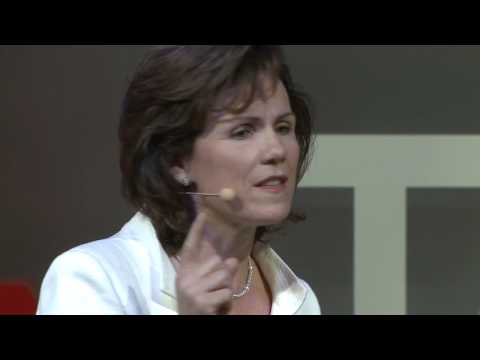
【TEDx】TEDxTokyo - Kathy Pike - Don't Call Me Crazy [English]
0
阿多賓 posted on 2014/02/28Ever wondered about the real impact of mental health stigma? Kathy Pike's powerful TEDxTokyo talk dives into crucial topics like suicide prevention and postpartum depression, offering evidence-based insights. You'll not only gain a deeper cultural understanding but also pick up advanced vocabulary to discuss these important issues!
Learn this video on the APP!
The VoiceTube App has more in-depth practice for videos!