tyrant
US /ˈtaɪrənt/
・UK /ˈtaɪrənt/
B2
n. (c.)Countable NounCruel unfair ruler who demands complete obedience
The country had long been ruled by a tyrant
Video subtitles
FULL SPEECH: President Joe Biden gives address after dropping out of 2024 election

- America is an idea, an idea stronger than any army, bigger than any ocean, more powerful than any dictator or tyrant.
America is an idea, an idea stronger than any army, bigger than any ocean, more powerful than any dictator or tyrant.
- America is an idea, an idea stronger than any army, bigger than any ocean, more powerful than any dictator or tyrant.
America is an idea, an idea stronger than any army, bigger than any ocean, more powerful than any dictator or tyrant.
Comey says he's 'grateful' after judge tosses case | REUTERS
- The gift from our founders that protects us from a would be tyrant.
The gift from our founders that protects us from a would be tyrant.
- And I believe in an independent federal judiciary, the gift from our founders that protects us from a would-be tyrant.
And I believe in an independent federal judiciary, the gift from our founders that protects us from a would-be tyrant.
David Foster Wallace - The Problem with Irony
- It's like a rebel dethroning a tyrant, only to become a better tyrant.
It's like a rebel dethroning a tyrant, only to become a better tyrant.
- it's like a rebel to throwing a tyrant
it's like a rebel to throwing a tyrant
Theranos: The Most Evil Business In The World
- Sonny had met Elizabeth when she was just 18 years old, and he was 37, and they'd been dating ever since. However, Sonny was described by employees as a tyrant. He was brutal, aggressive and intimidating to employees. He watched everyone on CCTV to check how long they were working, and angrily shouted at them if they weren't working lots of overtime.
Sonny had met Elizabeth when she was just 18 years old, and he was 37, and they'd been dating ever since. However, Sonny was described by employees as a tyrant. He was brutal, aggressive and intimidating to employees. He watched everyone on CCTV to check how long they were working, and angrily shouted at them if they weren't working lots of overtime.
- However, Sunny was described by employees as a tyrant.
However, Sunny was described by employees as a tyrant.
2 Hours of Pure Happiness at the Krusty Krab! 🍔 | @SpongeBobOfficial
- You're a tyrant.
You're a tyrant.
- A tyrant.
A tyrant.
Avicii - Waiting For Love (360 Video)
- For every tyrant to tear upon the vulnerable
For every tyrant to tear upon the vulnerable
How Politics Can Drive Us Mad
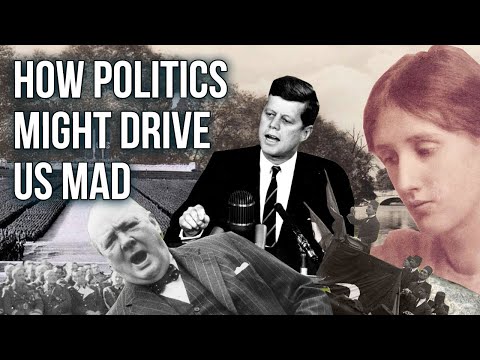
- It's a measure of how much we generally manage to keep political events separate from our internal functioning that it sounds unusual, and possibly eccentric, to speak of such political events as having any power to drive us mad. Of course, we may sometimes sigh at our screens and let out an expletive or two at a given situation in the company of a friend, but somehow madness, that truly extreme state in which we lose a grip on the functioning of our minds, in which we can no longer contain our anxieties or retain perspective, feels exaggerated in relation to political events that don't personally touch us, when no bomb is directly falling on us and no tyrant is explicitly sending us to prison. We associate sanity with not going mad, even when the world does appear, some miles away from us, in its own way, to have gone a little bit mad. But if things are pressing on us with particular force, perhaps more than is generally held to be legitimate, we might turn to the example of the writer Virginia Woolf, one of the most sensitive humans ever to have lived, who did, it seems, lose control of her mind – and eventually of her life – over the rise of fascism in Germany and the outbreak of the Second World War. Virginia Woolf had not been mentally well for a long time. She had been sexually abused by her half-brothers from the age of six until adolescence. She had lost her mother at the age of 13, her beloved half-sister at 15 and her father at 22. It is no wonder that the world didn't feel quite safe, that she was often terrified, that she internalised what was done to her by imagining herself a terrible person, and that she had great difficulty trusting that anyone could be kind, reliable or properly on her side. At the same time, her challenges gave her an enormous appetite for beauty, gentleness, friendship, literature and compassion and sympathy. She held on extra tightly to what felt good outside to make up for all that was frightened and hurt inside. It is this faith that Hitler, a stranger living far away in another land, destroyed for Virginia Woolf. His aggression, his hate-filled and untruthful speeches, his control over the minds of Germans wore away at Woolf's trust in everything. He seemed to paint the world black and remove the hope that she had always already found in short supply. His cruelty echoed too much that had been cruel in her life. The invasion of Poland and then France and all of Western Europe, the beginning of the Blitz and U-Boat campaigns chiselled away at the foundations of Virginia Woolf's belief in reasoned and principled behaviour. The world had lost its way and Woolf could not prevent herself from following suit. She tried very hard to stop the fears, the voices, the anger and distress, but despite the love of her husband, the safeguards gradually fell away. On 28 March 1941, following a particularly senseless and destructive German air raid on London, Virginia Woolf filled her coat pockets with stones and walked into the River
It's a measure of how much we generally manage to keep political events separate from our internal functioning that it sounds unusual, and possibly eccentric, to speak of such political events as having any power to drive us mad. Of course, we may sometimes sigh at our screens and let out an expletive or two at a given situation in the company of a friend, but somehow madness, that truly extreme state in which we lose a grip on the functioning of our minds, in which we can no longer contain our anxieties or retain perspective, feels exaggerated in relation to political events that don't personally touch us, when no bomb is directly falling on us and no tyrant is explicitly sending us to prison. We associate sanity with not going mad, even when the world does appear, some miles away from us, in its own way, to have gone a little bit mad. But if things are pressing on us with particular force, perhaps more than is generally held to be legitimate, we might turn to the example of the writer Virginia Woolf, one of the most sensitive humans ever to have lived, who did, it seems, lose control of her mind – and eventually of her life – over the rise of fascism in Germany and the outbreak of the Second World War. Virginia Woolf had not been mentally well for a long time. She had been sexually abused by her half-brothers from the age of six until adolescence. She had lost her mother at the age of 13, her beloved half-sister at 15 and her father at 22. It is no wonder that the world didn't feel quite safe, that she was often terrified, that she internalised what was done to her by imagining herself a terrible person, and that she had great difficulty trusting that anyone could be kind, reliable or properly on her side. At the same time, her challenges gave her an enormous appetite for beauty, gentleness, friendship, literature and compassion and sympathy. She held on extra tightly to what felt good outside to make up for all that was frightened and hurt inside. It is this faith that Hitler, a stranger living far away in another land, destroyed for Virginia Woolf. His aggression, his hate-filled and untruthful speeches, his control over the minds of Germans wore away at Woolf's trust in everything. He seemed to paint the world black and remove the hope that she had always already found in short supply. His cruelty echoed too much that had been cruel in her life. The invasion of Poland and then France and all of Western Europe, the beginning of the Blitz and U-Boat campaigns chiselled away at the foundations of Virginia Woolf's belief in reasoned and principled behaviour. The world had lost its way and Woolf could not prevent herself from following suit. She tried very hard to stop the fears, the voices, the anger and distress, but despite the love of her husband, the safeguards gradually fell away. On 28 March 1941, following a particularly senseless and destructive German air raid on London, Virginia Woolf filled her coat pockets with stones and walked into the River
- somehow madness—that truly extreme state in which we lose a grip on the functioning of our minds, in which we can no longer contain our anxieties or retain perspective—that feels exaggerated in relation to political events that don't personally touch us, when no bomb is directly falling on us and no tyrant is explicitly sending us to prison.
somehow madness—that truly extreme state in which we lose a grip on the functioning of our minds, in which we can no longer contain our anxieties or retain perspective—that feels exaggerated in relation to political events that don't personally touch us, when no bomb is directly falling on us and no tyrant is explicitly sending us to prison.
Life is Short (How to Spend It Wisely)

- Don't let morning you be a tyrant.
Don't let morning you be a tyrant.
- Don't let morning you be a tyrant.
Don't let morning you be a tyrant.
Ang Lee
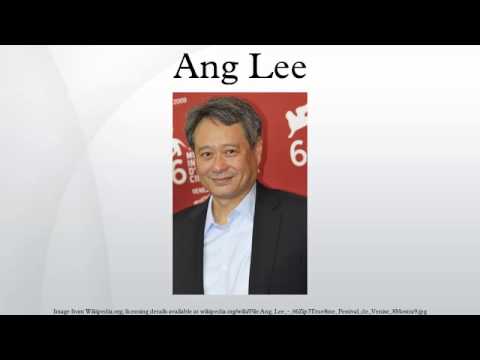
- Directing for television, in March 2013, it was announced that Lee will direct a television pilot for the drama series Tyrant, created by Gideon Roth and developed by Howard Gordon and Craig Wright.
Directing for television, in March 2013, it was announced that Lee will direct a television pilot for the drama series Tyrant, created by Gideon Roth and developed by Howard Gordon and Craig Wright.
- Tyrant, created by Gideon Raff and developed by Howard Gordon and Craig Wright. Production
Tyrant, created by Gideon Raff and developed by Howard Gordon and Craig Wright. Production
Jane Eyre – British Reading – Chapter 1 – Charlotte Bronte – British English Pronunciation

- hair and my shoulder: he had closed with a desperate thing. I really saw in him a tyrant,
hair and my shoulder: he had closed with a desperate thing. I really saw in him a tyrant,
- I really saw in him a tyrant, a murderer.
I really saw in him a tyrant, a murderer.