steppe
US /stɛp/
・UK /step/
C1
n. (c./u.)Noun (Countable/Uncountable)Flat grassy plain with few trees
We hiked until we reached a steppe and decided to rest and hydrate there
Video subtitles
Two Taiwans, Two Chinas, Twice
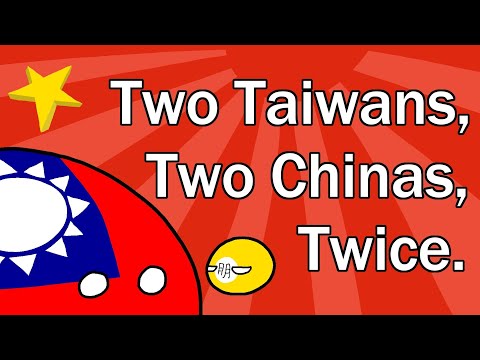
- The places where the non-Han minorities remain are the Tibetan tundra, the arid steppe of Inner Mongolia, the Uyghur desert west, and
The places where the non-Han minorities remain are the Tibetan tundra, the arid steppe of Inner Mongolia, the Uyghur desert west, and
- the arid steppe of Inner Mongolia, the Uyghur, desert west, and the highland south,
the arid steppe of Inner Mongolia, the Uyghur, desert west, and the highland south,
Why Didn't China Conquer Taiwan?
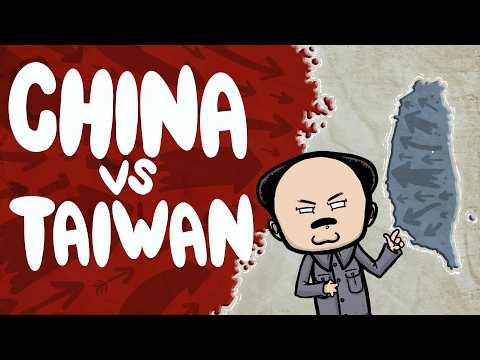
- They were, after all, steppe nomads with no naval experience to speak of.
They were, after all, steppe nomads with no naval experience to speak of.
- they were, after all, steppe nomads with no naval experience to speak of.
they were, after all, steppe nomads with no naval experience to speak of.
Rethinking Civilization - Crash Course World History 201

- or the forest or the steppe, and they realize the benefits of settled agriculture
or the forest or the steppe, and they realize the benefits of settled agriculture
- And according to the usual mythology about civilizations, there are these uncivilized barbarians, often from the hills or the forest or the steppe, and they realize the benefits of settled agriculture and give up their barbaric ways to settle in the valleys, eventually assimilating into civilized society.
And according to the usual mythology about civilizations, there are these uncivilized barbarians, often from the hills or the forest or the steppe, and they realize the benefits of settled agriculture and give up their barbaric ways to settle in the valleys, eventually assimilating into civilized society.
Fieldsports Britain - Hunting in China (episode 187)
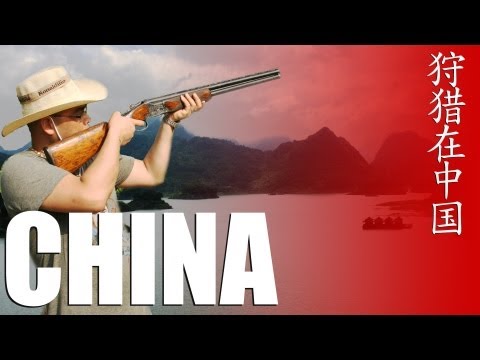
- El Dorado of Chinese hunting is the Mongolian steppe Inner Mongolia is part of China. There
El Dorado of Chinese hunting is the Mongolian steppe Inner Mongolia is part of China. There
- El Dorado of Chinese hunting is the Mongolian steppe.
El Dorado of Chinese hunting is the Mongolian steppe.
Patagonia Vacation Travel Guide | Expedia

- With its mosaic of green steppe plains and blue mountain lakes framed by wooded hills of ever-changing colors, Patagonia paints a mesmerizing picture.
With its mosaic of green steppe plains and blue mountain lakes framed by wooded hills of ever-changing colors, Patagonia paints a mesmerizing picture.
- With its mosaic of green steppe plains and blue mountain lakes,
With its mosaic of green steppe plains and blue mountain lakes,
EL CHALTEN TRAVEL GUIDE 🏔️🤩 | Things to See, Eat & Do in El Chalten, Argentina
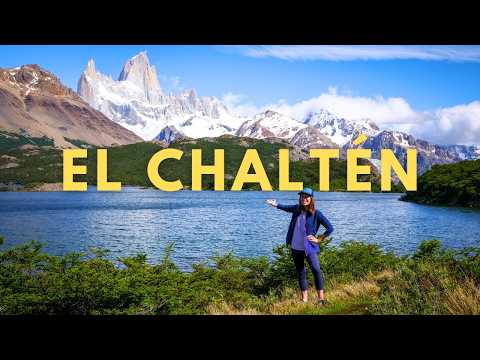
- You then continue east until you reach another lookout with views of the Patagonian steppe, the milky turquoise waters of Lagoviedma and the Andes mountains.
You then continue east until you reach another lookout with views of the Patagonian steppe, the milky turquoise waters of Lagoviedma and the Andes mountains.
- You then continue east until you reach another lookout with views of the Patagonian Steppe, the milky turquoise waters of Lago Viedma, and
You then continue east until you reach another lookout with views of the Patagonian Steppe, the milky turquoise waters of Lago Viedma, and
Why Russia Will Always Want to Dominate Georgia
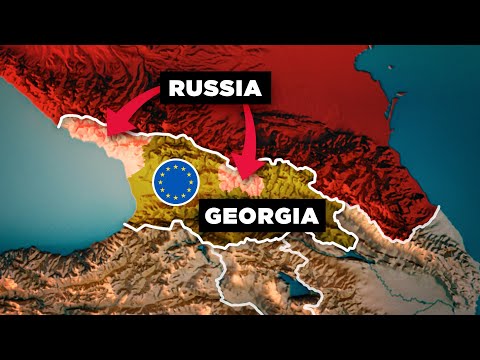
- The country's claimed territory straddles most of the greater Caucasus Mountain range, historically a valuable geographic frontier region separating the vast flat Eurasian steppe in southern Russia from the great empires that emerged in Western Asia, like the Turks and the Persians.
The country's claimed territory straddles most of the greater Caucasus Mountain range, historically a valuable geographic frontier region separating the vast flat Eurasian steppe in southern Russia from the great empires that emerged in Western Asia, like the Turks and the Persians.
- And so they can block any hostile land army from advancing from this direction into the exposed steppe of southern Russia that is significantly more challenging to defend.
And so they can block any hostile land army from advancing from this direction into the exposed steppe of southern Russia that is significantly more challenging to defend.
Why Kazakhstan is Insanely Empty

- Nearly 11% of Kazakhstan's huge land area is considered arable and suitable for agriculture, largely across the Belt of Prairie in the north of the country that encompasses Kazakhstan's portion of the Great Eurasian Steppe.
Nearly 11% of Kazakhstan's huge land area is considered arable and suitable for agriculture, largely across the Belt of Prairie in the north of the country that encompasses Kazakhstan's portion of the Great Eurasian Steppe.
- Nearly 11% of Kazakhstan's huge land area is considered arable and suitable for agriculture, largely across the Belda Prairie in the north of the country that encompasses Kazakhstan's portion of the Great Eurasian steppe.
Nearly 11% of Kazakhstan's huge land area is considered arable and suitable for agriculture, largely across the Belda Prairie in the north of the country that encompasses Kazakhstan's portion of the Great Eurasian steppe.
National Geographic - The Great Wall of China - Documentary
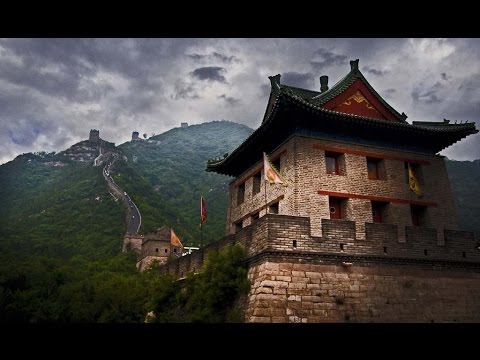
- The nomads of the steppe live in yurts, the traditional round tent.
The nomads of the steppe live in yurts, the traditional round tent.
- The nomads of the steppe live in yurts, the traditional round tent.
The nomads of the steppe live in yurts, the traditional round tent.
Why We're Rapidly Destroying the World's Biggest Lake
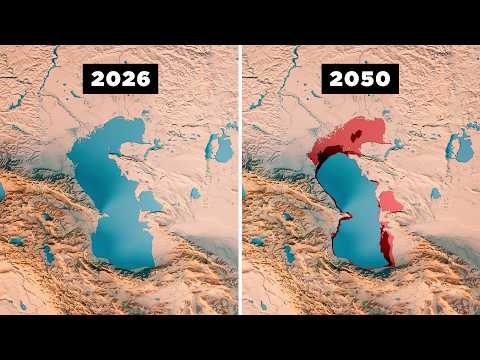
- It will quickly transform into either desert or steppe, and
It will quickly transform into either desert or steppe, and