stamp
US /stæmp/
・UK /stæmp/
A2
v.t.Transitive VerbTo press a seal on a document to make it official
Can you ask him to get the court to stamp the documents please
n.NounObject used to mark a surface with a pattern
Many office workers have their own stamp to mark documents with
v.t.Transitive VerbTo cause something to be remembered
Try to stamp this day in your mind because there will never be another like it
n.NounSign of a particular quality
The Queen of England placed her stamp of approval on the document
n.NounPiece of paper you pay to put on a letter you mail
Do you have a stamp for this letter?
v.t.Transitive VerbTo put a stamp on a letter
Please stamp this letter and send it to Harry
v.i.Intransitive VerbTo make a loud sound with your foot, as when angry
Children sometimes stamp around the room when they are mad
n.NounForceful step with your foot on the ground
I heard that stamp from downstairs, please walk quietly
Video subtitles
Van Gogh As a Guide to Confidence

- They will bow to Van Gogh when instructed to and stamp on Van Gogh when no one tells them not to.
They will bow to Van Gogh when instructed to and stamp on Van Gogh when no one tells them not to.
How to Survive a Fire, According to Science

- Your priceless stamp collection!
Your priceless stamp collection!
We used to MAIL CHILDREN? | Strange US History

- The couple paid 15 cents for a stamp, which is all it costs to send the child,
The couple paid 15 cents for a stamp, which is all it costs to send the child,
- The couple paid 15 cents for a stamp, which is all it cost to send the child.
The couple paid 15 cents for a stamp, which is all it cost to send the child.
A Christmas Carol by Charles Dickens Full Audiobook with Subtitles and Chapters
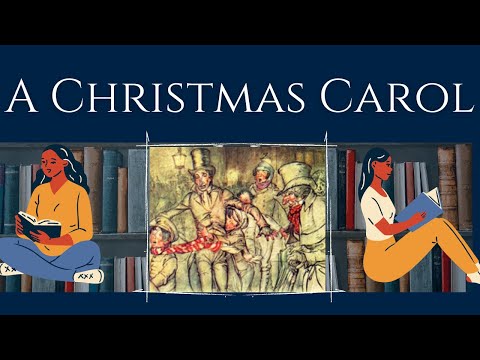
- and was so inexpressibly tickled, that he was obliged to get up off the sofa and stamp.
and was so inexpressibly tickled, that he was obliged to get up off the sofa and stamp.
- get up off the sofa and stamp. At last the plump sister, falling into a similar state, cried out:
get up off the sofa and stamp. At last the plump sister, falling into a similar state, cried out:
IELTS Listening Section Example and Skills Part 2
- If you submit it to the office, make sure to get a time stamp put on it so that I can be sure the paper was submitted on time.
If you submit it to the office, make sure to get a time stamp put on it so that I can be sure the paper was submitted on time.
The History of Gout | The Disease of Kings
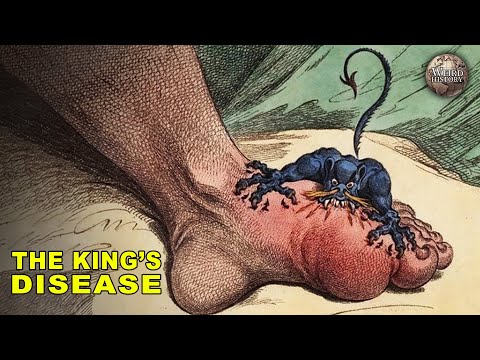
- William Pitt the Elder, Britain's leading statesman, was suffering a gout flare-up during the parliamentary debate of the Stamp Act in 1764.
William Pitt the Elder, Britain's leading statesman, was suffering a gout flare-up during the parliamentary debate of the Stamp Act in 1764.
- of the Stamp Act in 1764.
of the Stamp Act in 1764.
Inside British Diver Tom Daley’s Dior Tote Bag | In The Bag

- During the Olympics, they had a Tokyo 2020 stamp which I think is pretty cool.
During the Olympics, they had a Tokyo 2020 stamp which I think is pretty cool.
- During the Olympics, they had a Tokyo 2020 stamp, which I think is pretty cool.
During the Olympics, they had a Tokyo 2020 stamp, which I think is pretty cool.
A Guide to Personalising Books *grangerising*
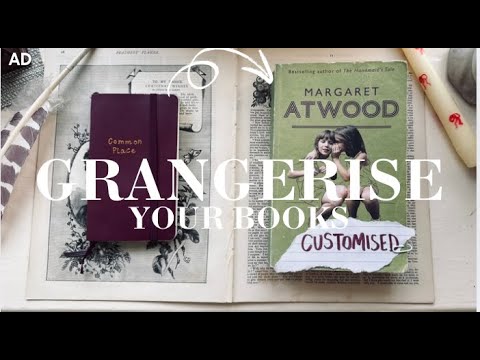
- That's a key theme when looking at 17th century literature and processes of reading, the idea of being active with what you're reading and kind of connecting to the book that you're reading. So even the act of stamping a book with an ex-libris stamp that has your name on it or your family crest traditionally. Frances Wolferston, for example, in the 17th century would write Frances, her book, in the front of her books. But there's a connection and there's an ownership to reading that which involves the reader and actually kind of physically puts the reader into the book. And that ownership, that connection definitely feels more valid and understandable considering how much rarer books were. I mean, books are still pretty expensive but when you compare the price to what it used to be, they are so, so, so affordable and they are affordable enough that, especially if we're shopping second hand, we can accumulate a lot of books. And so it kind of makes sense that we wouldn't then like customise all of our books and kind of write our names and all of our books in the same way. Though not to say that not everyone does because I do think the ex-libris stamp is making something of a comeback. But I just love how grangerising makes a book personal to you and the book itself then reflects and is testament to how much a book means to you. It kind of becomes this material marker in relation to you as the reader. It also bestows importance onto the physical object of the book as well as just the text. Like this book is significant because I bought this when I was 17 and I've read it four times since then and so it's kind of joined me in a very material way in many different life stages and it's kind of transcended time and moved with me which I think is absolutely beautiful. Effectively when you add your own illustrations, when you add tiny kind of snippets and annotations and thoughts, you're adding to the paratext of the book as well. And I think when we kind of frame it as a form of paratext, it kind of helps to even better frame like the importance of your personal copy to you as a reader. Paratext was kind of most officially and famously theorised by Jeannette in his book Paratext from 1987 and paratext is all of the stuff around the actual text. So this is the text and then the paratext will be like, you know, the four words or in this book there's quotes at the beginning from Stephen Hawking. There are dedications, there are words of thanks, you've got the information about publication, you've got like other works by Margaret Atwood here, you've got the cover, you've got what else? Oh yeah, more books by Margaret Atwood there. And these are things which are connected to the text but they're not actually part of the text and so when you grangerise a book
That's a key theme when looking at 17th century literature and processes of reading, the idea of being active with what you're reading and kind of connecting to the book that you're reading. So even the act of stamping a book with an ex-libris stamp that has your name on it or your family crest traditionally. Frances Wolferston, for example, in the 17th century would write Frances, her book, in the front of her books. But there's a connection and there's an ownership to reading that which involves the reader and actually kind of physically puts the reader into the book. And that ownership, that connection definitely feels more valid and understandable considering how much rarer books were. I mean, books are still pretty expensive but when you compare the price to what it used to be, they are so, so, so affordable and they are affordable enough that, especially if we're shopping second hand, we can accumulate a lot of books. And so it kind of makes sense that we wouldn't then like customise all of our books and kind of write our names and all of our books in the same way. Though not to say that not everyone does because I do think the ex-libris stamp is making something of a comeback. But I just love how grangerising makes a book personal to you and the book itself then reflects and is testament to how much a book means to you. It kind of becomes this material marker in relation to you as the reader. It also bestows importance onto the physical object of the book as well as just the text. Like this book is significant because I bought this when I was 17 and I've read it four times since then and so it's kind of joined me in a very material way in many different life stages and it's kind of transcended time and moved with me which I think is absolutely beautiful. Effectively when you add your own illustrations, when you add tiny kind of snippets and annotations and thoughts, you're adding to the paratext of the book as well. And I think when we kind of frame it as a form of paratext, it kind of helps to even better frame like the importance of your personal copy to you as a reader. Paratext was kind of most officially and famously theorised by Jeannette in his book Paratext from 1987 and paratext is all of the stuff around the actual text. So this is the text and then the paratext will be like, you know, the four words or in this book there's quotes at the beginning from Stephen Hawking. There are dedications, there are words of thanks, you've got the information about publication, you've got like other works by Margaret Atwood here, you've got the cover, you've got what else? Oh yeah, more books by Margaret Atwood there. And these are things which are connected to the text but they're not actually part of the text and so when you grangerise a book
- So even the act of stamping a book with an ex libre stamp that has your name on it or your family crest traditionally.
So even the act of stamping a book with an ex libre stamp that has your name on it or your family crest traditionally.
Elon Musk says Apple devices will be 'banned' at companies after OpenAI integration

- And of course, they stamp it their own way.
And of course, they stamp it their own way.
- And, of course, they stamp it their own way.
And, of course, they stamp it their own way.
Ain't Got Rhythm ? | Phineas and Ferb | @disneyxd

- With that stamp and a book, you got a real nice hook.
With that stamp and a book, you got a real nice hook.
- With that stamp and a book, you got a real nice hook.
With that stamp and a book, you got a real nice hook.