simple present
US
・UK
A1
n.NounA verb tense used to describe habits, unchanging situations, general truths, and fixed arrangements.
In the sentence 'I eat,' 'eat' is in the simple present tense.
Video subtitles
IELTS Writing Task 1: How to describe a process

- Here, we have the simple present: I make.
Here, we have the simple present: I make.
- So, when we use the active voice, we're just using, you know, simple present, simple past.
So, when we use the active voice, we're just using, you know, simple present, simple past.
The Business of English - Episode 7: A report on progress

- She doesn't use the simple present 'we look', because that is used for regular actions.
She doesn't use the simple present 'we look', because that is used for regular actions.
- She doesn't use the simple present "we look" because that is used for regular actions.
She doesn't use the simple present "we look" because that is used for regular actions.
LEARN ENGLISH: How to talk about people & events in the past
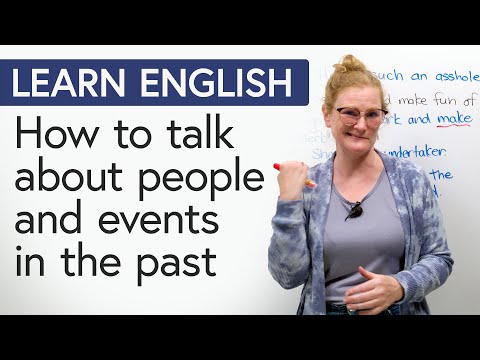
- This sentence is in simple present, because we have always and we have the verb go.
This sentence is in simple present, because we have always and we have the verb go.
- This sentence is in simple present because we have "always" and we have the verb "go." If I wanted to make that past, I would say, "We would always go to the park and make fun of rollerbladers." This past tense of the verb "will," "would," the auxiliary verb, is indicating to me that it's something that we did in the past as kind of a hobby.
This sentence is in simple present because we have "always" and we have the verb "go." If I wanted to make that past, I would say, "We would always go to the park and make fun of rollerbladers." This past tense of the verb "will," "would," the auxiliary verb, is indicating to me that it's something that we did in the past as kind of a hobby.
Grammar: Learn to use REPORTED SPEECH in English

- So, in the present tense, we have two tenses, we have present simple or simple present and
So, in the present tense, we have two tenses, we have present simple or simple present and
- We have present simple or simple present, and we have present continuous.
We have present simple or simple present, and we have present continuous.
The 4 English Sentence Types – simple, compound, complex, compound-complex

- "makes". Well, that "s" tells you that this is a tense verb. Simple present. Okay, we'll
"makes". Well, that "s" tells you that this is a tense verb. Simple present. Okay, we'll
- Simple present.
Simple present.
“Having” + Past Participle | Advanced English Grammar

- Right away, you should notice a simple present verb, a tense verb.
Right away, you should notice a simple present verb, a tense verb.
- Right away, you should notice a simple present verb, a tense verb.
Right away, you should notice a simple present verb, a tense verb.
Using Modal Verbs in English Writing: MUST, SHOULD, MIGHT, COULD...

- Especially simple present gives an idea of...
Especially simple present gives an idea of...
- uh Simple present generally gives the idea of fact, but any present tense verb will work as well.
uh Simple present generally gives the idea of fact, but any present tense verb will work as well.
Mixed Verb Tenses in English: Conditionals and IF clauses

- If you notice here, I have simple present verb and
If you notice here, I have simple present verb and
- simple present verb. This is a real conditional. It means it's true.
simple present verb. This is a real conditional. It means it's true.
English Grammar: Past Simple Time Markers

- simple present. No simple present. I'm just going to put an "X" here. I won't explain
simple present. No simple present. I'm just going to put an "X" here. I won't explain
- which tense it is, but just know "before" is not simple present -- not simple present.
which tense it is, but just know "before" is not simple present -- not simple present.
Simple present-tense verbs in English
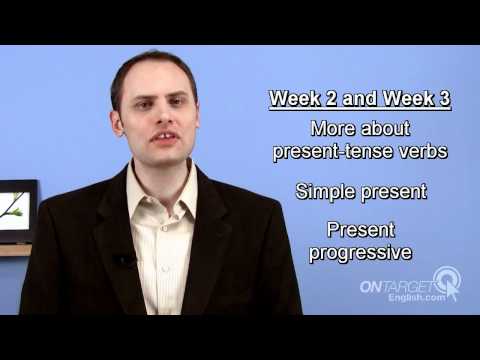
- When should you use simple-present verbs, and what do they look like?
When should you use simple-present verbs, and what do they look like?
- When should you use simple present verbs, and what do they look like?
When should you use simple present verbs, and what do they look like?