senseless
US /ˈsɛnslɪs/
・UK /'sensləs/
B1
adj.AdjectiveStupid; not showing the use of reason
Tearing down the old building was a senseless loss of history
Video subtitles
US and Ukraine sign long-awaiting natural resources deal | BBC News

- Well, now we have the Treasury Secretary in the US yesterday saying that this was a clear signal to Russia that this cruel and senseless war must stop, and a clear signal that the US had a long-term interest in a sovereign Ukraine.
Well, now we have the Treasury Secretary in the US yesterday saying that this was a clear signal to Russia that this cruel and senseless war must stop, and a clear signal that the US had a long-term interest in a sovereign Ukraine.
- Well, now, you know, we had the Treasury Secretary in the US yesterday saying that this was a clear signal to Russia that this cruel and senseless war must stop, and
Well, now, you know, we had the Treasury Secretary in the US yesterday saying that this was a clear signal to Russia that this cruel and senseless war must stop, and
Do Indians Know How Their English Accent Sounds? | ASIAN BOSS

- But still they get judged like this person looks Indian and, you know, people, I don't know why it's basically racism and it's just senseless to me basically.
But still they get judged like this person looks Indian and, you know, people, I don't know why it's basically racism and it's just senseless to me basically.
- It's basically racism, and it's just senseless to me, basically.
It's basically racism, and it's just senseless to me, basically.
Castorice Trailer — "Epitaph" | Honkai: Star Rail

- This journey has been so endless, so senseless, yet even on the cold shore will still be the scent of flowers.
This journey has been so endless, so senseless, yet even on the cold shore will still be the scent of flowers.
- This journey has been so endless, so senseless, yet even on the cold shore, we'll still be the scent of flowers.
This journey has been so endless, so senseless, yet even on the cold shore, we'll still be the scent of flowers.
Brie Larson on Becoming Captain Marvel

- That is Brie Larson shouting at scrolls and beating them senseless in Captain Marvel.
That is Brie Larson shouting at scrolls and beating them senseless in Captain Marvel.
- and beating them senseless in "Captain Marvel."
and beating them senseless in "Captain Marvel."
La industria de la Humillación - Monica Lewinsky 2015 subtitulado español inglés

- Tyler's tragic, senseless death was a turning point for me.
Tyler's tragic, senseless death was a turning point for me.
- Tyler's tragic, senseless death was a turning point for me.
Tyler's tragic, senseless death was a turning point for me.
How Politics Can Drive Us Mad
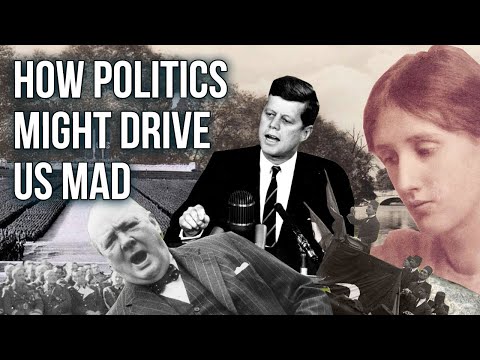
- It's a measure of how much we generally manage to keep political events separate from our internal functioning that it sounds unusual, and possibly eccentric, to speak of such political events as having any power to drive us mad. Of course, we may sometimes sigh at our screens and let out an expletive or two at a given situation in the company of a friend, but somehow madness, that truly extreme state in which we lose a grip on the functioning of our minds, in which we can no longer contain our anxieties or retain perspective, feels exaggerated in relation to political events that don't personally touch us, when no bomb is directly falling on us and no tyrant is explicitly sending us to prison. We associate sanity with not going mad, even when the world does appear, some miles away from us, in its own way, to have gone a little bit mad. But if things are pressing on us with particular force, perhaps more than is generally held to be legitimate, we might turn to the example of the writer Virginia Woolf, one of the most sensitive humans ever to have lived, who did, it seems, lose control of her mind – and eventually of her life – over the rise of fascism in Germany and the outbreak of the Second World War. Virginia Woolf had not been mentally well for a long time. She had been sexually abused by her half-brothers from the age of six until adolescence. She had lost her mother at the age of 13, her beloved half-sister at 15 and her father at 22. It is no wonder that the world didn't feel quite safe, that she was often terrified, that she internalised what was done to her by imagining herself a terrible person, and that she had great difficulty trusting that anyone could be kind, reliable or properly on her side. At the same time, her challenges gave her an enormous appetite for beauty, gentleness, friendship, literature and compassion and sympathy. She held on extra tightly to what felt good outside to make up for all that was frightened and hurt inside. It is this faith that Hitler, a stranger living far away in another land, destroyed for Virginia Woolf. His aggression, his hate-filled and untruthful speeches, his control over the minds of Germans wore away at Woolf's trust in everything. He seemed to paint the world black and remove the hope that she had always already found in short supply. His cruelty echoed too much that had been cruel in her life. The invasion of Poland and then France and all of Western Europe, the beginning of the Blitz and U-Boat campaigns chiselled away at the foundations of Virginia Woolf's belief in reasoned and principled behaviour. The world had lost its way and Woolf could not prevent herself from following suit. She tried very hard to stop the fears, the voices, the anger and distress, but despite the love of her husband, the safeguards gradually fell away. On 28 March 1941, following a particularly senseless and destructive German air raid on London, Virginia Woolf filled her coat pockets with stones and walked into the River
It's a measure of how much we generally manage to keep political events separate from our internal functioning that it sounds unusual, and possibly eccentric, to speak of such political events as having any power to drive us mad. Of course, we may sometimes sigh at our screens and let out an expletive or two at a given situation in the company of a friend, but somehow madness, that truly extreme state in which we lose a grip on the functioning of our minds, in which we can no longer contain our anxieties or retain perspective, feels exaggerated in relation to political events that don't personally touch us, when no bomb is directly falling on us and no tyrant is explicitly sending us to prison. We associate sanity with not going mad, even when the world does appear, some miles away from us, in its own way, to have gone a little bit mad. But if things are pressing on us with particular force, perhaps more than is generally held to be legitimate, we might turn to the example of the writer Virginia Woolf, one of the most sensitive humans ever to have lived, who did, it seems, lose control of her mind – and eventually of her life – over the rise of fascism in Germany and the outbreak of the Second World War. Virginia Woolf had not been mentally well for a long time. She had been sexually abused by her half-brothers from the age of six until adolescence. She had lost her mother at the age of 13, her beloved half-sister at 15 and her father at 22. It is no wonder that the world didn't feel quite safe, that she was often terrified, that she internalised what was done to her by imagining herself a terrible person, and that she had great difficulty trusting that anyone could be kind, reliable or properly on her side. At the same time, her challenges gave her an enormous appetite for beauty, gentleness, friendship, literature and compassion and sympathy. She held on extra tightly to what felt good outside to make up for all that was frightened and hurt inside. It is this faith that Hitler, a stranger living far away in another land, destroyed for Virginia Woolf. His aggression, his hate-filled and untruthful speeches, his control over the minds of Germans wore away at Woolf's trust in everything. He seemed to paint the world black and remove the hope that she had always already found in short supply. His cruelty echoed too much that had been cruel in her life. The invasion of Poland and then France and all of Western Europe, the beginning of the Blitz and U-Boat campaigns chiselled away at the foundations of Virginia Woolf's belief in reasoned and principled behaviour. The world had lost its way and Woolf could not prevent herself from following suit. She tried very hard to stop the fears, the voices, the anger and distress, but despite the love of her husband, the safeguards gradually fell away. On 28 March 1941, following a particularly senseless and destructive German air raid on London, Virginia Woolf filled her coat pockets with stones and walked into the River
- On the 28th of March 1941, following a particularly senseless and destructive German air raid on London, Virginia Woolf filled her coat pockets with stones and walked into the River Ouse near her home in Rodmell, Sussex.
On the 28th of March 1941, following a particularly senseless and destructive German air raid on London, Virginia Woolf filled her coat pockets with stones and walked into the River Ouse near her home in Rodmell, Sussex.
Apple – WWDC 2016 Keynote

- It was a senseless, unconscionable act of terrorism and hate aimed at dividing and destroying.
It was a senseless, unconscionable act of terrorism and hate aimed at dividing and destroying.
- It was a senseless, unconscionable act of terrorism and hate aimed at dividing and destroying.
It was a senseless, unconscionable act of terrorism and hate aimed at dividing and destroying.
Wait For It...The Mongols!: Crash Course World History #17

- So the Mongols promoted trade, diversity, and tolerance, and they also promoted slaughter and senseless destruction.
So the Mongols promoted trade, diversity, and tolerance, and they also promoted slaughter and senseless destruction.
- slaughter and senseless destruction.
slaughter and senseless destruction.
How Emotionally Healthy Are You?

- When another person frustrates or humiliates us, can we let the insult go, able to perceive the senseless malice beneath the attack, or are we left brooding and devastated, implicitly identifying with the verdict of our enemies?
When another person frustrates or humiliates us, can we let the insult go, able to perceive the senseless malice beneath the attack, or are we left brooding and devastated, implicitly identifying with the verdict of our enemies?
- frustrates or humiliates us, can we let the
insult go, able to perceive the senseless
frustrates or humiliates us, can we let the insult go, able to perceive the senseless
Future by Design (2006) Official Full Movie

- Maybe they are senseless.
Maybe they are senseless.
- What about your own values? Think about them; maybe they are senseless.
What about your own values? Think about them; maybe they are senseless.