sebaceous glands
US
・UK
A1
n. pl.Noun (plural)Small glands in the skin which secrete an oily matter, sebum, to lubricate and waterproof the skin and hair.
Sebaceous glands secrete an oily substance called sebum.
Video subtitles
Why You Shouldn't Pop Your Pimples
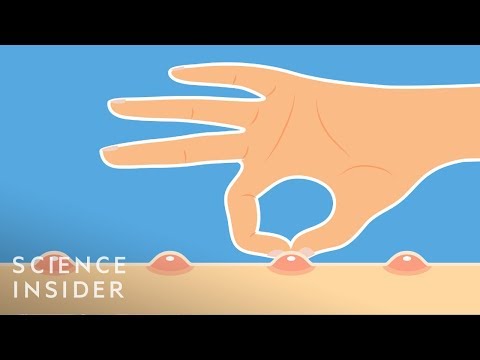
- Normally, these bags contain oil secreting glands called sebaceous glands.
Normally, these bags contain oil secreting glands called sebaceous glands.
- You have the most sebaceous glands in your face and scalp oil moves out of the glands and up through your pores to lubricate and waterproof your skin and hair, but sometimes dead skin cells and bacteria get inside the pores clogging them up with nowhere to go.
You have the most sebaceous glands in your face and scalp oil moves out of the glands and up through your pores to lubricate and waterproof your skin and hair, but sometimes dead skin cells and bacteria get inside the pores clogging them up with nowhere to go.
What Happens When You Quit Steroids?
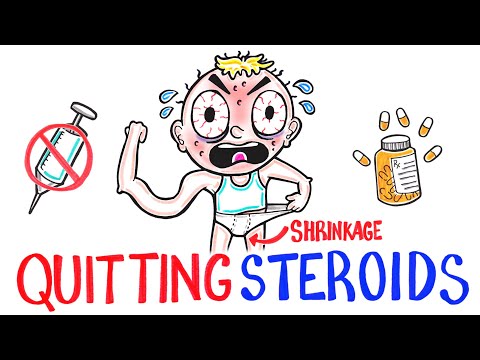
- Testosterone stimulates the growth of sebaceous glands in your skin which produce acne.
Testosterone stimulates the growth of sebaceous glands in your skin which produce acne.
- Testosterone stimulates the growth of sebaceous glands in your skin, which produce acne.
Testosterone stimulates the growth of sebaceous glands in your skin, which produce acne.
Human Physiology - Innate Immune System

- The dermis, then, the only thing that you need to know about the dermis are the sebaceous glands,
The dermis, then, the only thing that you need to know about the dermis are the sebaceous glands,
- sebaceous glands? Why are they important in the immune response? Then we have inflammation.
sebaceous glands? Why are they important in the immune response? Then we have inflammation.
The Teenage Brain Explained

- That's when the adrenal glands start secreting androgens, which trigger the growth and activity of the skin's sebaceous glands, making skin more oily.
That's when the adrenal glands start secreting androgens, which trigger the growth and activity of the skin's sebaceous glands, making skin more oily.
- in activity of the skin's sebaceous glands, making skin more oily.
in activity of the skin's sebaceous glands, making skin more oily.
Why Do We Get Pimples? The Dr. Binocs Show | Best Learning Videos For Kids | Peekaboo Kidz

- Well, pimples occur due to the hair follicle in your skin that contains sebaceous glands, also known as oil glands.
Well, pimples occur due to the hair follicle in your skin that contains sebaceous glands, also known as oil glands.
- Well, pimples occur due to the hair follicle in your skin.. ..that contains sebaceous glands, also known as oil glands.
Well, pimples occur due to the hair follicle in your skin.. ..that contains sebaceous glands, also known as oil glands.
What Causes Dandruff?

- It feeds exclusively on sebum, the natural oils produced by your sebaceous glands to keep your hair shiny and protected.
It feeds exclusively on sebum, the natural oils produced by your sebaceous glands to keep your hair shiny and protected.
- the natural oils produced by your sebaceous glands to keep your hair shiny and protected.
the natural oils produced by your sebaceous glands to keep your hair shiny and protected.
What's Inside A Pimple?
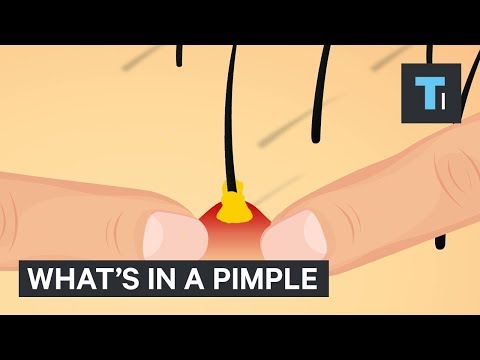
- Inside each pore of your skin are tiny sacs called sebaceous glands.
Inside each pore of your skin are tiny sacs called sebaceous glands.
- When your sebaceous glands grow more active like during puberty,
When your sebaceous glands grow more active like during puberty,
Why Popping Your Pimples Is Bad For You
- It's no coincidence that pustules tend to pop up all over your face because that's where you have the most oil secreting sebaceous glands.
It's no coincidence that pustules tend to pop up all over your face because that's where you have the most oil secreting sebaceous glands.
- Other common places where sebaceous glands are frequent are your shoulders, chest and back.
Other common places where sebaceous glands are frequent are your shoulders, chest and back.