query
US /ˈkwɪri/
・UK /'kwɪərɪ/
B1
n. (c./u.)Noun (Countable/Uncountable)Question asked in order to remove doubts
The man had a query for the professor because he wanted to make certain that he understood the topic
v.t./i.Verb (Transitive/Intransitive)To ask a question, e.g. because you have doubts
Did you query the status of your college application?
v.t./i.Verb (Transitive/Intransitive)To ask a question, e.g. because you have doubts
I have a query, how much does it cost?
v.t./i.Verb (Transitive/Intransitive)To ask questions about something, especially in order to express one's doubts about it.
He queried the decision.
n. (c./u.)Noun (Countable/Uncountable)A request for information from a database.
The database administrator optimized the query for faster results.
v.t./i.Verb (Transitive/Intransitive)To make a request for information from a database.
You can query the database to find specific records.
Video subtitles
Incremental Models (Faisal El Shami)
- View is because the source is just like the query running.
View is because the source is just like the query running.
- They're computationally less expensive and the query faster.
They're computationally less expensive and the query faster.
Learn 80% of Perplexity in under 10 minutes!

- In other instances, it might search for images to help with my query.
In other instances, it might search for images to help with my query.
- In other instances, it might search for images to help with my query.
In other instances, it might search for images to help with my query.
Why Apple, Samsung and Google Need Each Other

- And so if you start typing a search query Google search suggestions automatically start popping up and then you hit go and it takes you to a Google search page.
And so if you start typing a search query Google search suggestions automatically start popping up and then you hit go and it takes you to a Google search page.
- And so if you start typing a search query, Google search suggestions automatically start popping up,
And so if you start typing a search query, Google search suggestions automatically start popping up,
A conversation on Claude Code
- Cloud will understand your query and it's going to use all the tools at its disposal.
Cloud will understand your query and it's going to use all the tools at its disposal.
- So Claude will understand your query and it's going to use all the tools at its disposal.
So Claude will understand your query and it's going to use all the tools at its disposal.
ジェフリー・エプスタインの悪名高き「ペドフィリアの島」の秘密に迫る。| WIRED Japan

- We don't know why they did that, or which client or prospective client of Near decided to query the data in this way to produce the maps.
We don't know why they did that, or which client or prospective client of Near decided to query the data in this way to produce the maps.
- We don't know why they did that, or which client or prospective client of NEAR decided to query the data in this way to produce the maps.
We don't know why they did that, or which client or prospective client of NEAR decided to query the data in this way to produce the maps.
What is DeepSeek? AI Model Basics Explained

- So before answering a user query, the model spends time thinking.
So before answering a user query, the model spends time thinking.
- So before answering a user query, the model spends time thinking—"thinking" in air quotes here—and that thinking time could be a few seconds or even minutes.
So before answering a user query, the model spends time thinking—"thinking" in air quotes here—and that thinking time could be a few seconds or even minutes.
Intel's Lunar Lake AI Chip Event: Everything Revealed in 10 Minutes
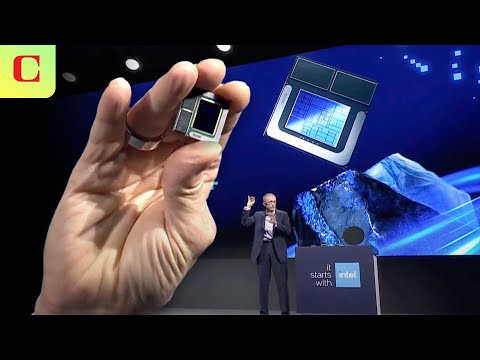
- So let me start with maybe a quick medical query.
So let me start with maybe a quick medical query.
- So let me start with maybe a quick medical query.
So let me start with maybe a quick medical query.
3 ways to pronounce the QU sound in English
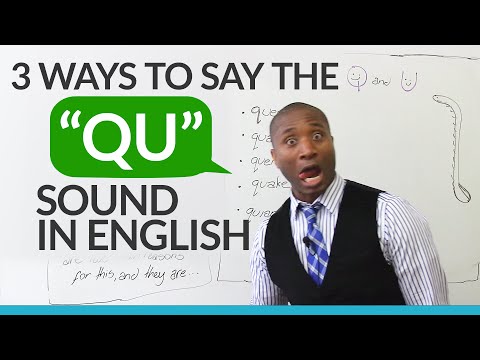
- "quality", "queer", "query", "quail", "quake", right? "Quagmire." Don't ask. Okay? But there
"quality", "queer", "query", "quail", "quake", right? "Quagmire." Don't ask. Okay? But there
- sure you don't know -- joining that, there. "Query", "quarrel", "quench", "quake", "quaint"
sure you don't know -- joining that, there. "Query", "quarrel", "quench", "quake", "quaint"
How to architect a collaborative big data platform (Google Cloud Next '17)

- But ultimately, the best part is that Ned gets to use SQL, gets to query really, really large data sets,
But ultimately, the best part is that Ned gets to use SQL, gets to query really, really large data sets,
- But if you're trying to figure out who owns a piece of data or where it came from, what other data sets it's related to, what are some of the types of data that are located in this data set without actually having to go query it, that's a really challenging problem to do when you think about having hundreds or thousands of individual pieces of data spread out across your infrastructure.
But if you're trying to figure out who owns a piece of data or where it came from, what other data sets it's related to, what are some of the types of data that are located in this data set without actually having to go query it, that's a really challenging problem to do when you think about having hundreds or thousands of individual pieces of data spread out across your infrastructure.
When thoughts control machines | The Economist
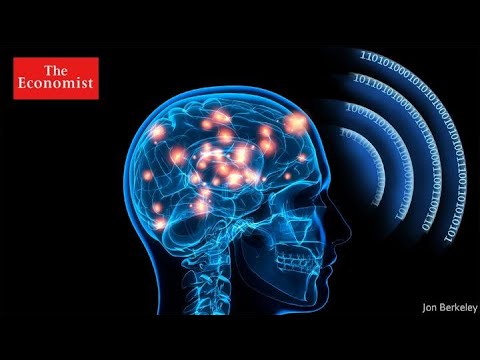
- you could just think your query and download the relevant knowledge directly into your mind.
you could just think your query and download the relevant knowledge directly into your mind.
- you could just think your query and download the relevant knowledge directly into your mind.
you could just think your query and download the relevant knowledge directly into your mind.