proved
US /p'ru:vd/
・UK /p'ru:vd/
A2
v.t.Transitive VerbTo demonstrate truth by providing evidence
The astronaut on the moon proved that items of different weight fall at the same time
v.i.Intransitive VerbTo turn out to be; be found to be.
The experiment proved successful.
v.t.Transitive VerbTo test the quality or worth of something.
The athlete proved his strength in the competition.
Video subtitles
The Greatest Innovations In Formula One

- The wing proved so successful that it beat all other Porsches in its first race in 1956 at the Nuremberg Ring 1000 km race.
The wing proved so successful that it beat all other Porsches in its first race in 1956 at the Nuremberg Ring 1000 km race.
- this huge inverted wing over the cockpit.
The wing proved so successful that it beat
this huge inverted wing over the cockpit. The wing proved so successful that it beat
The First Presidential Debate: Hillary Clinton And Donald Trump (Full Debate) | NBC News

- That is absolutely proved over and over again.
That is absolutely proved over and over again.
- >> -- PROVED OVER AND
>> -- PROVED OVER AND
How China’s ‘Firewater’ Became the World’s Most Valuable Liquor Brand | WSJ The Economics Of
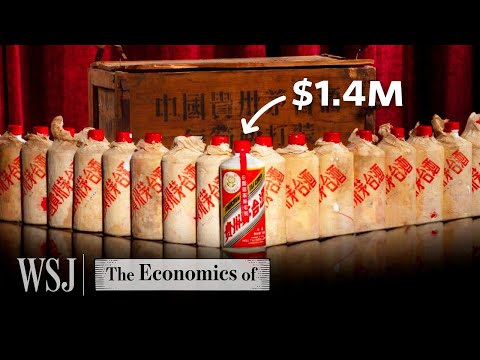
- But the stock has proved more resilient than the broader Chinese stock market, shown here by the country's benchmark index.
But the stock has proved more resilient than the broader Chinese stock market, shown here by the country's benchmark index.
- But the stock has proved more resilient
But the stock has proved more resilient
World's fastest Minis - Mini JCW GP vs ZCars Mini Busa - autocar.co.uk

- and over a flying lap of our dry handling circuit. The results proved that the Mini
and over a flying lap of our dry handling circuit. The results proved that the Mini
- and over a flying lap of our dry handling circuit. The results proved that the Mini
and over a flying lap of our dry handling circuit. The results proved that the Mini
Why Starbucks Failed In Australia

- Failing to adapt its menu to Australians' coffee culture proved to be a mistake for Starbucks.
Failing to adapt its menu to Australians' coffee culture proved to be a mistake for Starbucks.
- Failing to adapt its menu to Australians coffee culture proved to be a mistake for Starbucks.
Failing to adapt its menu to Australians coffee culture proved to be a mistake for Starbucks.
What is Coachella? History, facts, and more!

- This concert was a success and proved that this venue was viable.
This concert was a success and proved that this venue was viable.
What's the Truth About the First Thanksgiving?

- Against all odds, he proved to be the single human being on the continent best-suited to help the struggling settlers, since he spoke English and had already embraced Christianity.
Against all odds, he proved to be the single human being on the continent best-suited to help the struggling settlers, since he spoke English and had already embraced Christianity.
How cruise ships got so big

- The Norway proved that size worked for cruise ships and it kicked off a race to build bigger and bigger ships that changed the look of cruise ships forever.
The Norway proved that size worked for cruise ships and it kicked off a race to build bigger and bigger ships that changed the look of cruise ships forever.
Bill Gates meets Aamir Khan

- you want 8%. But India has proved that democracy can get you 8% growth rate and these kids
you want 8%. But India has proved that democracy can get you 8% growth rate and these kids
Why Taiwan's East Coast Is Basically Empty
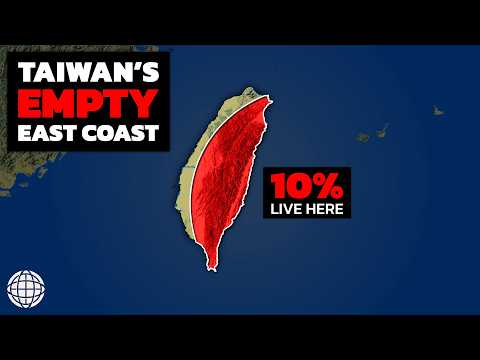
- It's not actually recognized as an independent state and this has a lot to do with how and why Taiwan was settled by China and One of the most important things to remember in this story is that the island has been home to indigenous peoples for thousands of years These people are not directly related to the Chinese In fact, they are Austronesian speaking groups who arrived along the same migration patterns as New Zealand, Polynesia Hawaii and Indonesia these indigenous groups developed distinct cultures and lived in scattered communities Primarily in the mountainous interior and along the coasts their presence remains a significant part of Taiwan's identity today Though they make up only about 2% of the population or about 600,000 people So in a way Taiwan is as much of a colonized country as many parts of the Western Hemisphere But let's get back to how modern Taiwan was established the earliest mentions of Taiwan interacting with China begin around the year 230 when military troops from the Eastern Wu Kingdom of China's Three kingdoms period landed on its shores though There is some debate on whether this was actually Taiwan that they landed on or not Various reports would include some mention of Taiwan albeit under different names for the next 1,400 years During the 1600s Taiwan became a contested territory the Dutch established a colony in the south the Spanish briefly held territory in the north and Chinese settlers mostly from Fujian province Gradually moved on to the island the Dutch were eventually expelled by Koxinga a Ming loyalist who used Taiwan as a base of resistance against the Qing Dynasty however his rule was short-lived as Qing forces took control of Taiwan in 1683 and Incorporated it into their Empire for over two centuries Taiwan remained under Qing rule though its position on the Empire's periphery meant it was often overlooked this changed in 1895 when the Qing were forced to cede Taiwan to Japan after their defeat in the first Sino-Japanese war the Japanese brought Modernization to the island building infrastructure railways and industry while also implementing strict colonial rule Though resistance existed Japan's influence reshaped Taiwan leaving a legacy that persists in aspects of its architecture education and economy after Japan's defeat in World War two Taiwan was handed back to China in 1945 and this proved to be very lucky for the Taiwan that exists today While remaining as a backwater through much of China's history Taiwan would eventually occupy a prominent place in the Chinese Civil War which had begun in the late 1920s The Nationalist Republic of China government under Chiang Kai-shek fought against the communist forces led by Mao Zedong despite initial advantages the Nationalists suffered a series of devastating defeats due to poor leadership corruption and dwindling public support by 1949 the communists had gained control of mainland China Forcing the Nationalist government to retreat to Taiwan Chiang Kai-shek and his followers established their base on the island bringing with them millions of refugees military forces and much of China's cultural and financial wealth at the time though the Nationalist government continued to claim sovereignty over all of China its control was Effectively limited to Taiwan and a few offshore islands It was during this period that saw much of the Western world namely the United States Canada and Western Europe aligned with Taiwan and recognized it as a country leaving mainland China as a global outsider however between 1950 and 1971 this recognition gradually eroded as Western countries sought to recognize mainland China as the sole China in order to establish trade with the much larger economic base and Because mainland China still claimed ownership of Taiwan it mandated that no country could recognize Taiwan as an independent country Despite the fact that it is independent for all intents and purposes This isolated Taiwan from global diplomacy, but not from global trade despite its diplomatic isolation Taiwan's economy surged in the late 1900s transforming from an agrarian society into a global industrial and technological powerhouse Democratic reforms began in the late 1980s culminating in the first direct presidential election in 1996 since then Taiwan has functioned as a democratic society distinct from mainland China Despite Beijing's continued claims over the island which leads us to today's population divide Hey, sorry for the interruption.
It's not actually recognized as an independent state and this has a lot to do with how and why Taiwan was settled by China and One of the most important things to remember in this story is that the island has been home to indigenous peoples for thousands of years These people are not directly related to the Chinese In fact, they are Austronesian speaking groups who arrived along the same migration patterns as New Zealand, Polynesia Hawaii and Indonesia these indigenous groups developed distinct cultures and lived in scattered communities Primarily in the mountainous interior and along the coasts their presence remains a significant part of Taiwan's identity today Though they make up only about 2% of the population or about 600,000 people So in a way Taiwan is as much of a colonized country as many parts of the Western Hemisphere But let's get back to how modern Taiwan was established the earliest mentions of Taiwan interacting with China begin around the year 230 when military troops from the Eastern Wu Kingdom of China's Three kingdoms period landed on its shores though There is some debate on whether this was actually Taiwan that they landed on or not Various reports would include some mention of Taiwan albeit under different names for the next 1,400 years During the 1600s Taiwan became a contested territory the Dutch established a colony in the south the Spanish briefly held territory in the north and Chinese settlers mostly from Fujian province Gradually moved on to the island the Dutch were eventually expelled by Koxinga a Ming loyalist who used Taiwan as a base of resistance against the Qing Dynasty however his rule was short-lived as Qing forces took control of Taiwan in 1683 and Incorporated it into their Empire for over two centuries Taiwan remained under Qing rule though its position on the Empire's periphery meant it was often overlooked this changed in 1895 when the Qing were forced to cede Taiwan to Japan after their defeat in the first Sino-Japanese war the Japanese brought Modernization to the island building infrastructure railways and industry while also implementing strict colonial rule Though resistance existed Japan's influence reshaped Taiwan leaving a legacy that persists in aspects of its architecture education and economy after Japan's defeat in World War two Taiwan was handed back to China in 1945 and this proved to be very lucky for the Taiwan that exists today While remaining as a backwater through much of China's history Taiwan would eventually occupy a prominent place in the Chinese Civil War which had begun in the late 1920s The Nationalist Republic of China government under Chiang Kai-shek fought against the communist forces led by Mao Zedong despite initial advantages the Nationalists suffered a series of devastating defeats due to poor leadership corruption and dwindling public support by 1949 the communists had gained control of mainland China Forcing the Nationalist government to retreat to Taiwan Chiang Kai-shek and his followers established their base on the island bringing with them millions of refugees military forces and much of China's cultural and financial wealth at the time though the Nationalist government continued to claim sovereignty over all of China its control was Effectively limited to Taiwan and a few offshore islands It was during this period that saw much of the Western world namely the United States Canada and Western Europe aligned with Taiwan and recognized it as a country leaving mainland China as a global outsider however between 1950 and 1971 this recognition gradually eroded as Western countries sought to recognize mainland China as the sole China in order to establish trade with the much larger economic base and Because mainland China still claimed ownership of Taiwan it mandated that no country could recognize Taiwan as an independent country Despite the fact that it is independent for all intents and purposes This isolated Taiwan from global diplomacy, but not from global trade despite its diplomatic isolation Taiwan's economy surged in the late 1900s transforming from an agrarian society into a global industrial and technological powerhouse Democratic reforms began in the late 1980s culminating in the first direct presidential election in 1996 since then Taiwan has functioned as a democratic society distinct from mainland China Despite Beijing's continued claims over the island which leads us to today's population divide Hey, sorry for the interruption.
- and this proved to be very lucky for the Taiwan that exists today.
and this proved to be very lucky for the Taiwan that exists today.