pleasurable
US /ˈplɛʒərəbəl/
・UK /'pleʒərəbl/
A2
adj.AdjectiveCausing satisfaction or pleasure
There was a very pleasurable warmth from the sun today
Video subtitles
Smoking is Awesome
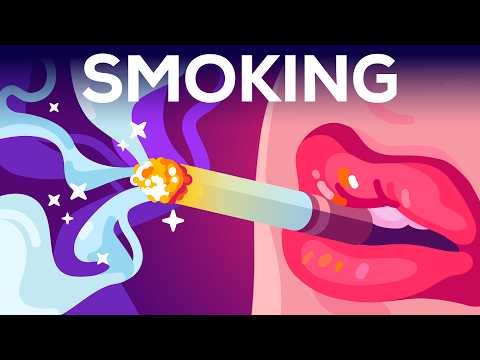
- The tobacco industry has to target vulnerable brains and get them hooked on the pleasurable effects of nicotine or it would go away.
The tobacco industry has to target vulnerable brains and get them hooked on the pleasurable effects of nicotine or it would go away.
- The tobacco industry has to target vulnerable brains and get them hooked on the pleasurable effects of nicotine, or it would go away.
The tobacco industry has to target vulnerable brains and get them hooked on the pleasurable effects of nicotine, or it would go away.
了解這個道理,會徹底改變你對人生的看法 ▶《紐約時報》暢銷書作者Robert Greene 羅伯特·格林(中英字幕)

- Well, you know that when you're exercising, when you're running or you're working out or whatever, it hurts, but it leads to something pleasurable.
Well, you know that when you're exercising, when you're running or you're working out or whatever, it hurts, but it leads to something pleasurable.
- It hurts, but it leads to something pleasurable.
It hurts, but it leads to something pleasurable.
Princesses' First Time Meeting New Friends | Disney Princess

- I am the powerful, the pleasurable, the indestructible Mushu.
I am the powerful, the pleasurable, the indestructible Mushu.
- I am the powerful, the pleasurable, the indestructible, Mushu.
I am the powerful, the pleasurable, the indestructible, Mushu.
The science of falling in love ⏲️ 6 Minute English
- This is a feel-good substance released in our brain that is involved in driving us towards reward. Do something. Get a dopamine hit. Feel good. Eventually, dopamine will push us towards repeating that behaviour. This is why intense attraction feels like an addiction to another human being. Some people get stuck in that loop, always chasing the dopamine-soaked excitement of a new relationship. This time, the hormone responsible is dopamine, a neurotransmitter that rewards our attraction to someone with pleasurable feelings. That's why dopamine is called a feel-good substance. The adjective feel-good can be used to describe anything causing happy and optimistic feelings about life – things like feel-good films or feel-good music.
This is a feel-good substance released in our brain that is involved in driving us towards reward. Do something. Get a dopamine hit. Feel good. Eventually, dopamine will push us towards repeating that behaviour. This is why intense attraction feels like an addiction to another human being. Some people get stuck in that loop, always chasing the dopamine-soaked excitement of a new relationship. This time, the hormone responsible is dopamine, a neurotransmitter that rewards our attraction to someone with pleasurable feelings. That's why dopamine is called a feel-good substance. The adjective feel-good can be used to describe anything causing happy and optimistic feelings about life – things like feel-good films or feel-good music.
- This time, the hormone responsible is dopamine, a neurotransmitter that rewards our attraction to someone with pleasurable feelings.
This time, the hormone responsible is dopamine, a neurotransmitter that rewards our attraction to someone with pleasurable feelings.
成功靠的不是熱情,而是耐得住枯燥.. ► Robert Greene 羅伯特·格林(中英字幕)

- So you can't think of everything in life having to be pleasurable and having to be passionate.
So you can't think of everything in life having to be pleasurable and having to be passionate.
- So you can't think of everything in life having to be pleasurable and having to be passionate.
So you can't think of everything in life having to be pleasurable and having to be passionate.

When u go through customs ✈️

- I was I was a Pleasurable business.
I was I was a Pleasurable business.
- I was, I was, uh, p-pleasurable business.
I was, I was, uh, p-pleasurable business.
The language of wine - 6 Minute English

- Like me, Bianca thought drinking wine was a pleasurable activity, something that helped her relax after a long stressful day.
Like me, Bianca thought drinking wine was a pleasurable activity, something that helped her relax after a long stressful day.
- Like me, Bianca thought drinking wine was a pleasurable activity, something that helped to relax after a long, stressful day.
Like me, Bianca thought drinking wine was a pleasurable activity, something that helped to relax after a long, stressful day.
The SIMPLE Way To Make Your Body KILL BELLY FAT! | Dr Jason Fung

- Well, I think it was part of the processing thing. So taking out fiber is a great way to make foods more appealing, if you will. So what happens is that if you take flour, for example, and you have a lot of fiber in it, then the digestion is slowed. So what you get is a slower rise. So you take flour and you put a lot of fiber in it. Well, instead of having this huge spike in insulin, which you're going to get, it's a much slower spike in insulin. When you have a huge spike in insulin, it basically overloads your system. And it makes you feel, you know, gives you this big hit. Sort of like if you have like cocaine, for example. You know, it's turned into a very fine powder. Then you snort it. So you get this massive sort of spike. Same thing with, you know, carbohydrates. If you don't have any fiber, you pull all the fiber out by processing. You get this massive sort of unnatural spike in your body. It says, oh, that's great. It tastes great. I really love it. And you get people who are sort of addicted to it because that big spike is then going to release dopamine. And dopamine is the pleasure hormone. So you eat, you know, cookies or whatever highly processed foods, you get this sort of pleasurable response.
Well, I think it was part of the processing thing. So taking out fiber is a great way to make foods more appealing, if you will. So what happens is that if you take flour, for example, and you have a lot of fiber in it, then the digestion is slowed. So what you get is a slower rise. So you take flour and you put a lot of fiber in it. Well, instead of having this huge spike in insulin, which you're going to get, it's a much slower spike in insulin. When you have a huge spike in insulin, it basically overloads your system. And it makes you feel, you know, gives you this big hit. Sort of like if you have like cocaine, for example. You know, it's turned into a very fine powder. Then you snort it. So you get this massive sort of spike. Same thing with, you know, carbohydrates. If you don't have any fiber, you pull all the fiber out by processing. You get this massive sort of unnatural spike in your body. It says, oh, that's great. It tastes great. I really love it. And you get people who are sort of addicted to it because that big spike is then going to release dopamine. And dopamine is the pleasure hormone. So you eat, you know, cookies or whatever highly processed foods, you get this sort of pleasurable response.
- You get this sort of pleasurable response, and that makes you crave it.
You get this sort of pleasurable response, and that makes you crave it.
CLIT-ICAL THINKING!

- and it doesn't determine—determine, I can talk—it doesn't determine how pleasurable it will be.
and it doesn't determine—determine, I can talk—it doesn't determine how pleasurable it will be.
- It doesn't determine how pleasurable it will be.
It doesn't determine how pleasurable it will be.