photoreceptors
US
・UK
C2
n. pl.Noun (plural)Nerves ending, cells, or group of cells specialized to sense or receive light
Video subtitles
Testing the limits of human vision
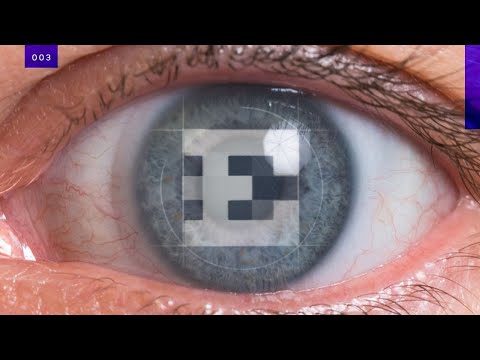
- You can tell them apart because the light from each source is traveling through your eye and hitting a different set of light-sensitive cells called photoreceptors.
You can tell them apart because the light from each source is traveling through your eye and hitting a different set of light-sensitive cells called photoreceptors.
- If you move those lights closer together, they'll start hitting photoreceptors that are closer to each other, especially because as the light travels through the eye, it spreads out a little bit.
If you move those lights closer together, they'll start hitting photoreceptors that are closer to each other, especially because as the light travels through the eye, it spreads out a little bit.
10 HABITS FOR (ALMOST) LIMITLESS ENERGY

- You have photoreceptors on your skin, and if light touches your skin, it can actually disturb your sleep.
You have photoreceptors on your skin, and if light touches your skin, it can actually disturb your sleep.
- You have photoreceptors on your skin, and if light touches your skin, it can actually disturb your sleep.
You have photoreceptors on your skin, and if light touches your skin, it can actually disturb your sleep.
眼科医だけど質問ある?| Tech Support | WIRED Japan

- This is where those rods and cones, those photoreceptors are.
This is where those rods and cones, those photoreceptors are.
- This is where those rods and cones, those photoreceptors are.
This is where those rods and cones, those photoreceptors are.
Senses You Didn’t Know You Have | SciShow Kids

- When we talked about the eye, we talked about photoreceptors and how we see.
When we talked about the eye, we talked about photoreceptors and how we see.
- Photoreceptors take in light, then change the light into a signal.
Photoreceptors take in light, then change the light into a signal.
魚の研究者だけど「海洋生物」について質問ある? | Tech Support | WIRED Japan

- Yes, mantis shrimp and many other aquatic animals have the ability to see far more colors than we can because they have more photoreceptors in their eyes.
Yes, mantis shrimp and many other aquatic animals have the ability to see far more colors than we can because they have more photoreceptors in their eyes.
- Mantis shrimp and many other aquatic animals have the ability to see far more colors than we can because they have more photoreceptors in their eyes.
Mantis shrimp and many other aquatic animals have the ability to see far more colors than we can because they have more photoreceptors in their eyes.
Plants, Sunlight and Shadows

- and it will change the ratio of red light to far-red light. Now plants have these photoreceptors
and it will change the ratio of red light to far-red light. Now plants have these photoreceptors
- Now plants have these photoreceptors called phytochromes,
Now plants have these photoreceptors called phytochromes,
1.5 HOUR English Conversation Lesson

- Humans have three photoreceptors in our eyes.
Humans have three photoreceptors in our eyes.
- Humans have three photoreceptors in our eyes.
Humans have three photoreceptors in our eyes.
Peripheral Nervous System: Crash Course A&P #12

- Thermoreceptors respond to changes in temperature, photoreceptors react to light, chemoreceptors pay attention to chemicals,
Thermoreceptors respond to changes in temperature, photoreceptors react to light, chemoreceptors pay attention to chemicals,
- Thermoreceptors respond to changes in temperature. photoreceptors react to light, chemoreceptors
Thermoreceptors respond to changes in temperature. photoreceptors react to light, chemoreceptors
How to Wake Up Early & Not Be Miserable (New Insights!)

- Blue light triggers the photoreceptors in our retina to send a signal to our brain to suppress the release of melatonin.
Blue light triggers the photoreceptors in our retina to send a signal to our brain to suppress the release of melatonin.
- Blue light triggers the photoreceptors in our retina to send a signal to our brain to suppress the release of melatonin.
Blue light triggers the photoreceptors in our retina to send a signal to our brain to suppress the release of melatonin.
Your brain wasn’t built to hold this much information | Richard Cytowic

- and that's where the photoreceptors in, in, in all life first evolved.
and that's where the photoreceptors in, in, in all life first evolved.
- And that's where the photoreceptors in all life first evolved.
And that's where the photoreceptors in all life first evolved.