photograph
US /ˈfoʊtəgræf/
・UK /ˈfəʊtəgrɑ:f/
A1TOEIC
v.t.Transitive VerbTo take a picture with a camera
She wanted him to photograph her in front of the building
n. (c./u.)Noun (Countable/Uncountable)Picture taken with a camera
He took the photograph several years ago when they were traveling together
Video subtitles
Chuando Tan (56 years old) - "Start Doing This EVERY DAY!" - The secret of youth and longevity!

- He is often sought after to photograph models and celebrities, and his work has been featured in numerous publications.
He is often sought after to photograph models and celebrities, and his work has been featured in numerous publications.
- to photograph models and celebrities, and his work has been featured in numerous publications.
to photograph models and celebrities, and his work has been featured in numerous publications.
Jimmy Kimmel's FULL INTERVIEW with President George W. Bush
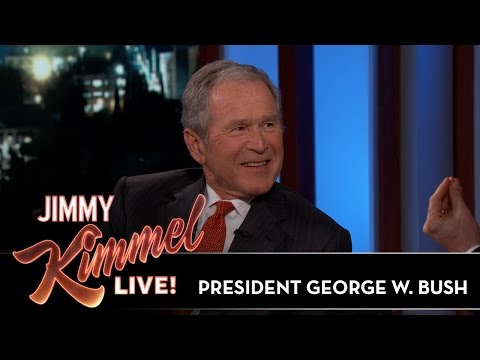
- In fact, there's a photograph of you, and there you are.
In fact, there's a photograph of you, and there you are.
- PHOTOGRAPH OF YOU.
PHOTOGRAPH OF YOU.
I Designed the Most Famous Tongue In History
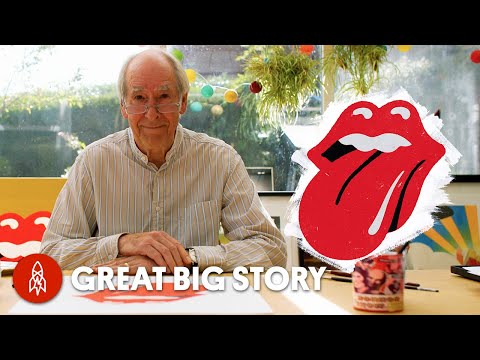
- have it tattooed on her bottom and sent me a photograph,
have it tattooed on her bottom and sent me a photograph,
Look Great in Photographs
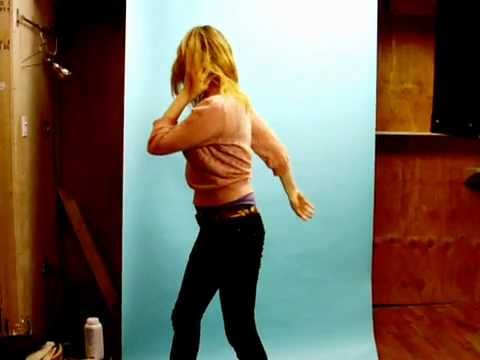
- Sure, a beautiful photograph takes some skill behind the lens, but it takes a little skill in front of it, too.
Sure, a beautiful photograph takes some skill behind the lens, but it takes a little skill in front of it, too.
Learn The ABCs of AdWords

- and hires her to photograph his wedding.
and hires her to photograph his wedding.
Simple Idea At The Heart Of Great Photography
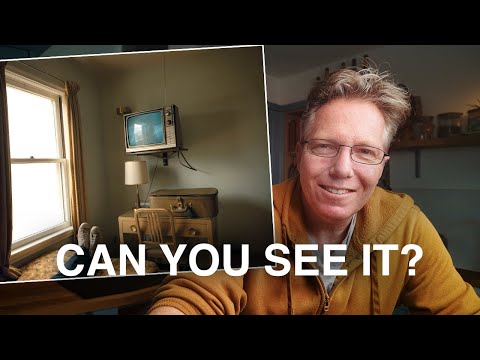
- The big issue with a lot of this compositional stuff that I was learning when I was younger is this, if you aren't used to using it, it can change the way that viewers interpret your photograph.
The big issue with a lot of this compositional stuff that I was learning when I was younger is this, if you aren't used to using it, it can change the way that viewers interpret your photograph.
- He simply presents a photograph and says, listen to it, it has a story of its own.
He simply presents a photograph and says, listen to it, it has a story of its own.
Anna Becomes Queen of Arendelle | Frozen 2

- A photograph.
A photograph.
- Photograph.
Photograph.
The Story of: Gerhard Richter (1932–Today)
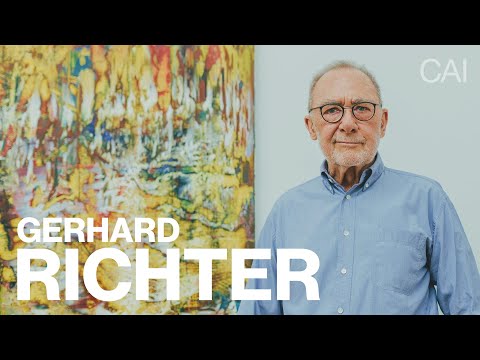
- Realism, and with reference to Socialist Realism, but also a label Richter wasn't too satisfied about. Richter was interested in current affairs, consumer society, new media and popular culture. He incorporated these elements into his painterly practice, depicting for instance televisions, design magazines, advertisements or political figures and events. This was the genesis of Richter's professional oeuvre, and photography was the starting point, something which used to be impossible with his academic background. He combined photography with his characteristic blurred effect, and immediately started to examine the relationship between both media, photography and painting, a true pillar within his artistic practice. The German artist was interested and fascinated by the dialectic relation between the objectivity and the subjectivity when painting photographs. For Richter, the photograph was the most perfect picture. He could eliminate conscious thinking, as the picture does not change, it is absolute, autonomous, unconditional and not linked to any style. With his blurred effect, he made everything equal, equally important and simultaneously equally unimportant. He was strongly drawn to depicting certain subjects from found photographic material. Think of military subjects, family portraits, images from newspapers or magazines. These selected images all have their very own narrative and motive to be painted, most often combining death or suffering, and its exploitation of death and suffering in media. From 1963 until 1964, Richter had his first exhibitions and commercial successes, collaborating with several galleries, and also collectors were starting to get really interested in his work and career. A landmark year for Gerhard Richter was 1966, for many reasons. The first, the birth of his daughter, Betty, whom he iconically painted in 1988. He also painted his wife
Realism, and with reference to Socialist Realism, but also a label Richter wasn't too satisfied about. Richter was interested in current affairs, consumer society, new media and popular culture. He incorporated these elements into his painterly practice, depicting for instance televisions, design magazines, advertisements or political figures and events. This was the genesis of Richter's professional oeuvre, and photography was the starting point, something which used to be impossible with his academic background. He combined photography with his characteristic blurred effect, and immediately started to examine the relationship between both media, photography and painting, a true pillar within his artistic practice. The German artist was interested and fascinated by the dialectic relation between the objectivity and the subjectivity when painting photographs. For Richter, the photograph was the most perfect picture. He could eliminate conscious thinking, as the picture does not change, it is absolute, autonomous, unconditional and not linked to any style. With his blurred effect, he made everything equal, equally important and simultaneously equally unimportant. He was strongly drawn to depicting certain subjects from found photographic material. Think of military subjects, family portraits, images from newspapers or magazines. These selected images all have their very own narrative and motive to be painted, most often combining death or suffering, and its exploitation of death and suffering in media. From 1963 until 1964, Richter had his first exhibitions and commercial successes, collaborating with several galleries, and also collectors were starting to get really interested in his work and career. A landmark year for Gerhard Richter was 1966, for many reasons. The first, the birth of his daughter, Betty, whom he iconically painted in 1988. He also painted his wife
- Doing so, once more, he negotiated with languages of figuration, abstraction, and of course, the photograph.
Doing so, once more, he negotiated with languages of figuration, abstraction, and of course, the photograph.
Why your voice is like a fingerprint

- This is the first famous photograph.
This is the first famous photograph.
- This is the first famous photograph..
This is the first famous photograph..
Why we forget the things we learn - 6 Minute English

- Like looking at a photograph but for the rest of us, things are more complicated.
Like looking at a photograph but for the rest of us, things are more complicated.
- Now, someone like Qiao Lu might have a photographic memory, the ability to remember things in exact detail, like looking at a photograph.
Now, someone like Qiao Lu might have a photographic memory, the ability to remember things in exact detail, like looking at a photograph.