parental
US /pəˈrɛntl:/
・UK /pəˈrentl/
B1
adj.AdjectiveConcerning, or provided by, a parent
I had a lot of parental support during my final exams, they told me to only study
Video subtitles
#AskGaryVee Episode 72: Casey Neistat on Applying to College & How to Focus on Goals
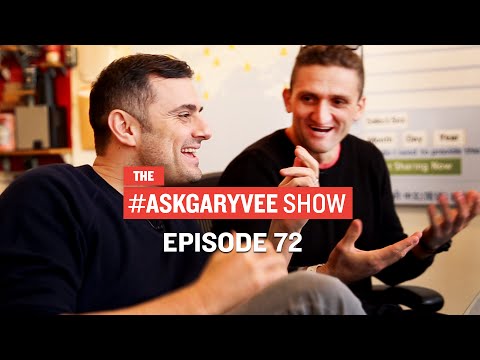
- Or if you're amazingly lucky to have the parental or mentor infrastructure above you that created that context.
Or if you're amazingly lucky to have the parental or mentor infrastructure above you that created that context.
- to have that parental, or
mentor infrastructure above you
to have that parental, or mentor infrastructure above you
Evolution Can't Explain Your Grandma
- And while they do continue to live with their sons, remember, there's that whole parental uncertainty thing.
And while they do continue to live with their sons, remember, there's that whole parental uncertainty thing.
- there's that whole parental uncertainty thing.
there's that whole parental uncertainty thing.
Self-Esteem
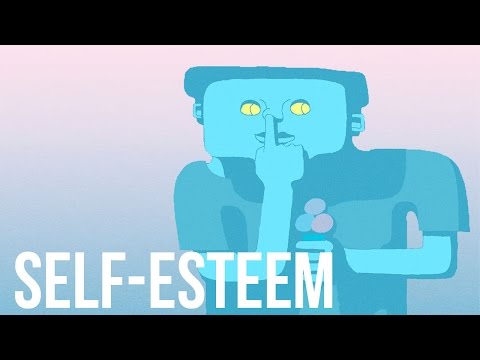
- But it's not so easy running around your whole lifelong desperate to put out the raging fires of self-hatred, striving to impress everyone you meet in search of an unsatisfied desire for a parental approval you never knew.
But it's not so easy running around your whole lifelong desperate to put out the raging fires of self-hatred, striving to impress everyone you meet in search of an unsatisfied desire for a parental approval you never knew.
- striving to impress everyone you meet in search of an unsatisfied desire for a parental approval you never knew.
striving to impress everyone you meet in search of an unsatisfied desire for a parental approval you never knew.
Why You Need to Have a Proper Adolescence
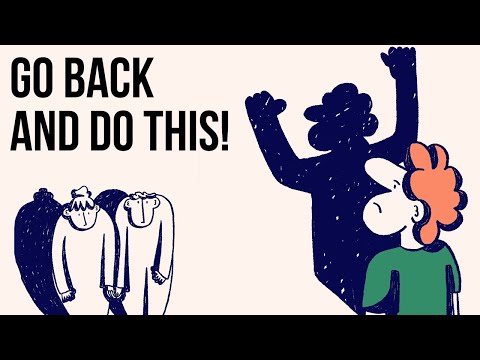
- as we realise our right to define ourselves away from parental laws. We can even do it in secret.
as we realise our right to define ourselves away from parental laws. We can even do it in secret.
The Lengths We Go To Avoid Love
- Or perhaps our parental figure was constantly at the office or unavailable behind a locked study door. They might have had a violent, unpredictable temper or left us somehow feeling that we were just never good enough for them. As a result, to an extent we may not even have realised, we became experts at independence. We came to associate safety with a high degree of self-protective isolation. We might have become big readers or fascinated by the animal world or obsessed with music or computer games. Without quite knowing we had done so, we learnt never to trust a flesh-and-blood, three-dimensional human again. Our experiences may not have affected the strength of our longing for love, but they have heavily impacted our capacity to endure mutually satisfying relationships. We may now, as adults, tell ourselves that we want closeness and surrender. We will sob sincerely when we lose love, but we are continually taking steps to ensure we will never be at any sustained risk of finding it. The true terror for us is not that love should fail, but that it should, by some oversight on our part, succeed. For this would ask of us a level of defencelessness and exposure to another person and to a chance of happiness that has no precedent in our lives and poses immense, ego-shattering challenges to the armoured way our personalities have been structured.
Or perhaps our parental figure was constantly at the office or unavailable behind a locked study door. They might have had a violent, unpredictable temper or left us somehow feeling that we were just never good enough for them. As a result, to an extent we may not even have realised, we became experts at independence. We came to associate safety with a high degree of self-protective isolation. We might have become big readers or fascinated by the animal world or obsessed with music or computer games. Without quite knowing we had done so, we learnt never to trust a flesh-and-blood, three-dimensional human again. Our experiences may not have affected the strength of our longing for love, but they have heavily impacted our capacity to endure mutually satisfying relationships. We may now, as adults, tell ourselves that we want closeness and surrender. We will sob sincerely when we lose love, but we are continually taking steps to ensure we will never be at any sustained risk of finding it. The true terror for us is not that love should fail, but that it should, by some oversight on our part, succeed. For this would ask of us a level of defencelessness and exposure to another person and to a chance of happiness that has no precedent in our lives and poses immense, ego-shattering challenges to the armoured way our personalities have been structured.
- If we find ourselves in a relationship, we will assiduously practice the arts of what psychologists call distance management. When the chance of reaching a truly happy state appears, we'll subtly discover ways to introduce a chasm. We'll have an argument, spoil a birthday, ruin a holiday. We'll find we have to do a lot of work for an upcoming exam or presentation, that our gang of friends needs us to be somewhere else, that we forgot to return the credit card or tax bill, that our appearance requires a lot of our attention or that we like to flirt with a stranger at a party who suddenly seems very attractive indeed. In both tiny and large ways, we'll know just how to lower the mood, scupper a bond and destroy trust. Perhaps not enough to end a relationship completely, but certainly enough to worry our partner sufficiently as to our solidity that we can be privately sure things will never truly fly. Friends may commiserate with us on our so-called bad luck. Psychologists will note our superlative skill at romantic sabotage. With this to sound a bit like us, compassion is required. We should reflect back on our pasts and wonder at the connection between our fractured bonds with parental figures and our disrupted adult attachments. We aren't like this because we're wicked, we've just been very badly hurt. Once we understand how our skill at independence was acquired, we'll be in a better position to see that it has in reality outlived its rationale. We may still feel immensely apprehensive at the prospect of contentment, but we may finally be able to admit that we are, first and foremost, acting out of fear. Rather than dismissing our partners, we may stick closer to a much more awkward truth – that we're tempted to draw away from them because we're immensely scared that they might finally be in a position to make us very happy – and that simply nothing so unutterably and boundlessly frightening has ever happened to us before.
If we find ourselves in a relationship, we will assiduously practice the arts of what psychologists call distance management. When the chance of reaching a truly happy state appears, we'll subtly discover ways to introduce a chasm. We'll have an argument, spoil a birthday, ruin a holiday. We'll find we have to do a lot of work for an upcoming exam or presentation, that our gang of friends needs us to be somewhere else, that we forgot to return the credit card or tax bill, that our appearance requires a lot of our attention or that we like to flirt with a stranger at a party who suddenly seems very attractive indeed. In both tiny and large ways, we'll know just how to lower the mood, scupper a bond and destroy trust. Perhaps not enough to end a relationship completely, but certainly enough to worry our partner sufficiently as to our solidity that we can be privately sure things will never truly fly. Friends may commiserate with us on our so-called bad luck. Psychologists will note our superlative skill at romantic sabotage. With this to sound a bit like us, compassion is required. We should reflect back on our pasts and wonder at the connection between our fractured bonds with parental figures and our disrupted adult attachments. We aren't like this because we're wicked, we've just been very badly hurt. Once we understand how our skill at independence was acquired, we'll be in a better position to see that it has in reality outlived its rationale. We may still feel immensely apprehensive at the prospect of contentment, but we may finally be able to admit that we are, first and foremost, acting out of fear. Rather than dismissing our partners, we may stick closer to a much more awkward truth – that we're tempted to draw away from them because we're immensely scared that they might finally be in a position to make us very happy – and that simply nothing so unutterably and boundlessly frightening has ever happened to us before.
Medical Emancipation

- Limited termination of parental rights.
Limited termination of parental rights.
- Limited termination of parental rights.
Limited termination of parental rights.
Why are some countries banning surrogacy? - The Global Story podcast, BBC World Service
- So she's genetically related to the baby and has to give up parental rights.
So she's genetically related to the baby and has to give up parental rights.
- So she's genetically related to the baby and has to give up parental rights.
So she's genetically related to the baby and has to give up parental rights.
Australia's Insane Social Media Ban

- And there's also no exemption for parental consent.
And there's also no exemption for parental consent.
- And there's also no exemption for parental consent.
And there's also no exemption for parental consent.
8 Hurtful Things Parents Tell Children
- While children should acknowledge everything their parents do for them, it's also important to realize that parental love and support isn't something to hold over their heads.
While children should acknowledge everything their parents do for them, it's also important to realize that parental love and support isn't something to hold over their heads.
- While children should acknowledge everything their parents do for them, it's also important to realize that parental love and support isn't something to hold over their heads.
While children should acknowledge everything their parents do for them, it's also important to realize that parental love and support isn't something to hold over their heads.
The Body Keeps the Score

- "How to Overcome Your Childhood" is a book that teaches us how character is developed, the concept of emotional inheritance, the formation of our concepts of being good or bad, and the impact of parental styles of love on the way we choose adult partners.
"How to Overcome Your Childhood" is a book that teaches us how character is developed, the concept of emotional inheritance, the formation of our concepts of being good or bad, and the impact of parental styles of love on the way we choose adult partners.
- the impact of parental styles of love on the way we choose adult partners.
the impact of parental styles of love on the way we choose adult partners.