of the future
US
・UK
A2
adj.AdjectiveRelating to or characteristic of a time yet to come.
These are the technologies of the future.
phr.PhraseHaving the potential to be important or successful in times to come.
He is a leader of the future.
Video subtitles
How Europe Lost Its Tech Giants

- and cut the red tape" is a lesson that European governments might need to embrace if they want to be part of the future.
and cut the red tape" is a lesson that European governments might need to embrace if they want to be part of the future.
- a lesson that European governments might need to embrace if they want to be part of the future.
a lesson that European governments might need to embrace if they want to be part of the future.
Democratic Presidential Debate - June 26 (Full) | NBC News

- And we know that we can put millions of people to work in the clean energy jobs of the future: carpenters, IBWs members, machinists.
And we know that we can put millions of people to work in the clean energy jobs of the future: carpenters, IBWs members, machinists.
- And we know that we can put millions of people to work in the clean energy jobs of the future: carpenters, IBWs members, machinists.
And we know that we can put millions of people to work in the clean energy jobs of the future: carpenters, IBWs members, machinists.
Watch Jim Lehrer Moderate First Full Presidential Debate

- I also believe that we've got to look at the energy sources of the future, like wind and
I also believe that we've got to look at the energy sources of the future, like wind and
- But I also believe that we've got to look at the energy sources of the future, like wind and solar and biofuels,
But I also believe that we've got to look at the energy sources of the future, like wind and solar and biofuels,
Sam Altman: there’s no “magic red button” to stop AI
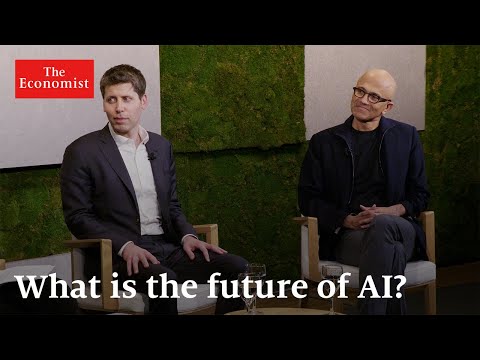
- what the risks of the future are going to be, how to mitigate those
what the risks of the future are going to be, how to mitigate those
How Working For Google, Amazon, And Microsoft Lost 'Dream Job' Status

- You have all these traditional companies, and then you have all these companies that are just doing things different, and they look like kind of the future of work.
You have all these traditional companies, and then you have all these companies that are just doing things different, and they look like kind of the future of work.
Asking People in Brighton HOW MUCH MONEY They Earn | Easy English 184

- I think £40,000 a year as a single person, you can live a reasonable life, but that probably wouldn't be enough to get you on the housing ladder or save much of the future or anything like that.
I think £40,000 a year as a single person, you can live a reasonable life, but that probably wouldn't be enough to get you on the housing ladder or save much of the future or anything like that.
- but that probably wouldn't be enough to get you on the housing ladder or save much of the future or anything like that.
but that probably wouldn't be enough to get you on the housing ladder or save much of the future or anything like that.
“There Is a Collision Coming,” Tucker Carlson and Jordan Peterson's 2024 Predictions

- And that in doing that, you lose your fear of the future.
And that in doing that, you lose your fear of the future.
- And that in doing that, you lose your fear of the future.
And that in doing that, you lose your fear of the future.
How are offices changing? | The Economist
- This is where we build the offices of the future.
This is where we build the offices of the future.
- This is where we build the offices of the future.
This is where we build the offices of the future.
The Rise of AI in Factories

- It's all part of an exploration into what the factory of the future might look like, a place some think won't be totally taken over by robots, but where humans and robots work side by side.
It's all part of an exploration into what the factory of the future might look like, a place some think won't be totally taken over by robots, but where humans and robots work side by side.
- The work of the future task force at MIT got started in 2018.
The work of the future task force at MIT got started in 2018.
Empty Your Mind - a powerful Motivational Story for your Life | Wordy Tales
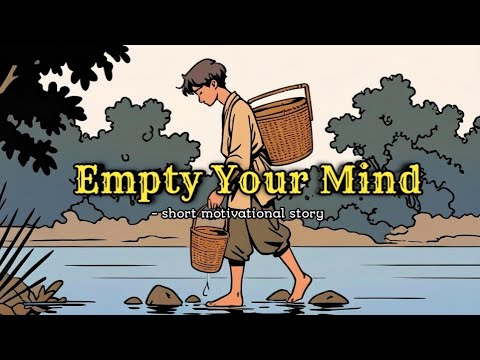
- You were not afraid of the future." Slowly, Marco began to understand.
You were not afraid of the future." Slowly, Marco began to understand.
- You were not afraid of the future.
You were not afraid of the future.